






Main Ingredients:
Fresh grated coconut
Sugar
Spices: cinnamon, nutmeg, ginger, lime zest
Condensed milk (optional)
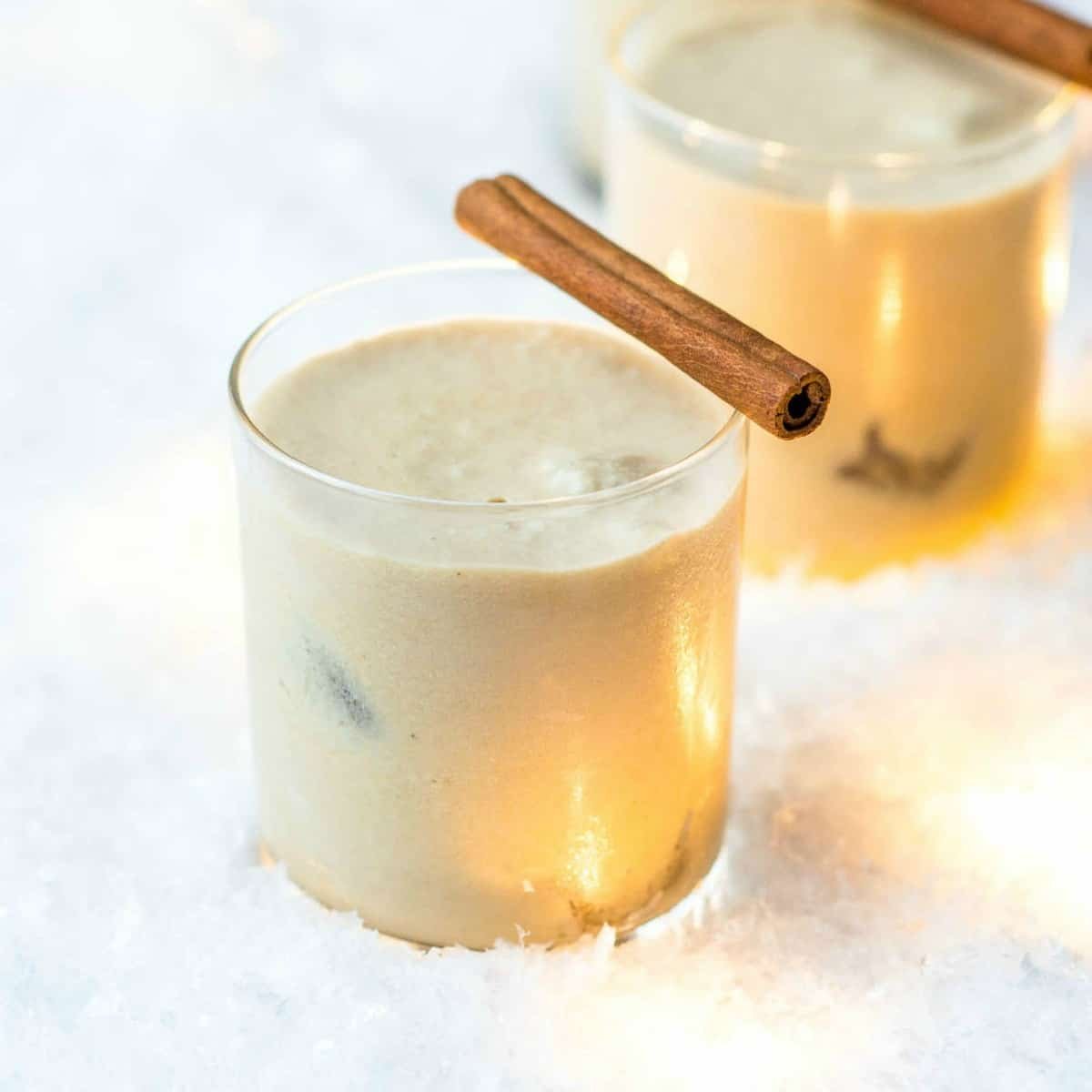
"Tablet Kokoye" is a popular traditional confectionery, often sold by street vendors. This treat combines the richness of grated coconut with the sweetness of sugar and the aroma of local spices.
Read the article in :
Fresh grated coconut
Sugar
Spices: cinnamon, nutmeg, ginger, lime zest
Condensed milk (optional)
In a saucepan, combine the sugar with water and spices (cinnamon, nutmeg, ginger, lime zest). Bring to a boil to obtain a fragrant syrup.
Add the grated coconut to the syrup and simmer over medium heat, stirring regularly, until the mixture thickens and turns golden brown.
On an oiled or parchment-lined surface, drop spoonfuls of the mixture into small mounds. Let cool until firm.

Facebook : https://www.facebook.com/haitiwonderland
Youtube : https://www.youtube.com/@haitiwonderland
Instagram : https://www.instagram.com/haitiwonderland/
Twitter : https://twitter.com/haitiwonderland
Linkedin : https://www.linkedin.com/in/haitiwonderland/
King Graph, Prévil Jean IVens by his real name, is a talented young GRAPHIC DESIGNER and COMMUNITY MANAGER from Haiti. He was born in Delmas, a suburb of Port-au-Prince, on January 20, 1999. He is the youngest of seven children.
Frankétienne is the stage name of the man who officially bore the name Jean-Pierre Basilic Dantor. He was born in the Artibonite department of Haïti on April 12, 1936. His father, who did not recognize him at birth, was, according to his own account, an American industrialist who had come to do business in Haiti, and his mother was an Artibonite farmer. This makes Frank a similar case to the great Jamaican artist Bob Marley, who had a typical story, in addition to the fact that both men made their country known abroad and left their mark on their land from within through their art. Frank died on Thursday, February 20, 2025, in Delmas, his home town for decades. He was about to celebrate his 89th birthday.
Subscribe to our newsletter to stay informed of all our activities and news on Haiti.
Haïti holds a unique and iconic place in world history as the first independent black republic. This historical fact, inscribed in the annals of the world, is a source of pride for the Haitian people and an inspiration for freedom and equality movements throughout the centuries. Let’s discover together the events that led to this historical feat and its impact on the international scene.
Haiti, a majestic Caribbean island, seduces with its landscapes, vibrant culture, and a fascinating history of struggle for independence. In this comprehensive article, discover everything you need to know to appreciate the beauty and authenticity of Haiti: its geographical location, legendary history, rich culture, heavenly beaches, historical sites, unique cuisine, traditions and much more.
Haiti, often reduced to alarming headlines about gang activity, is much more than that. It is a country whose history, natural riches and culture are deeply woven into the fabric of humanity. Although it faces challenges, there is so much to admire and celebrate in this Caribbean nation.
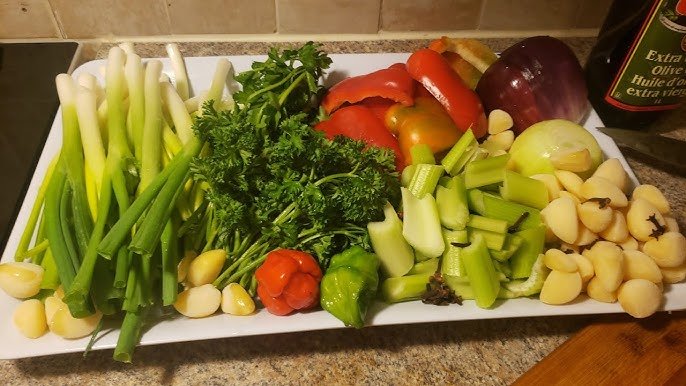
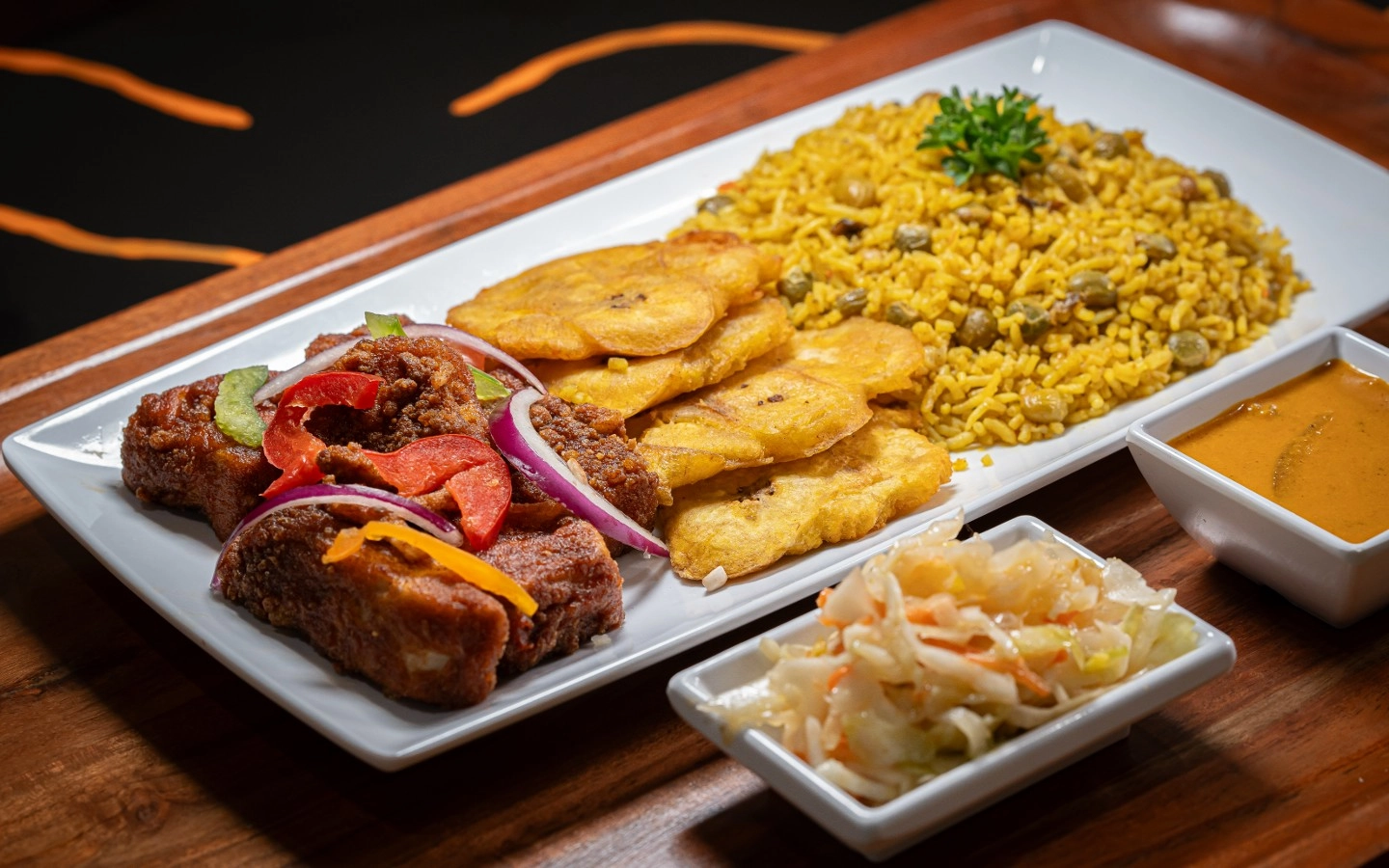
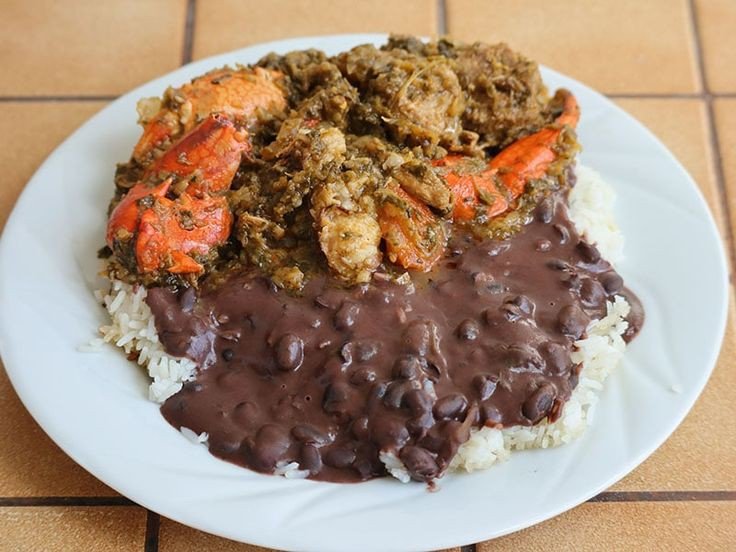
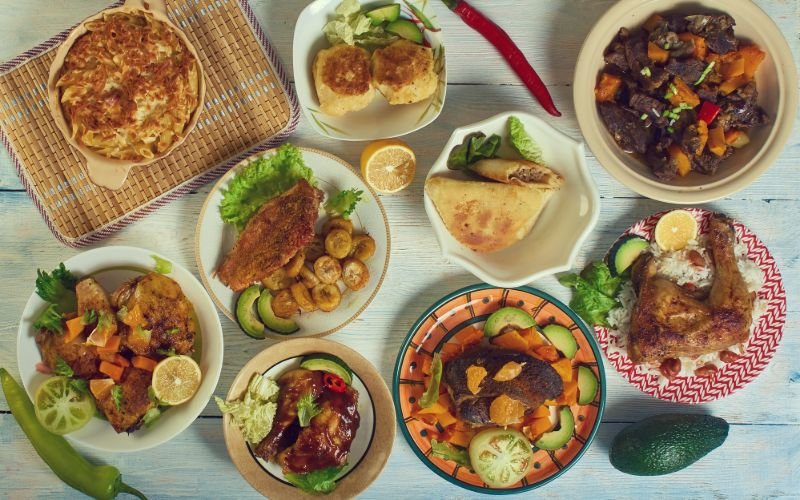
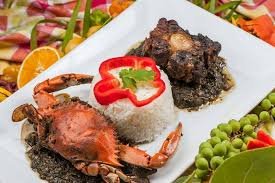
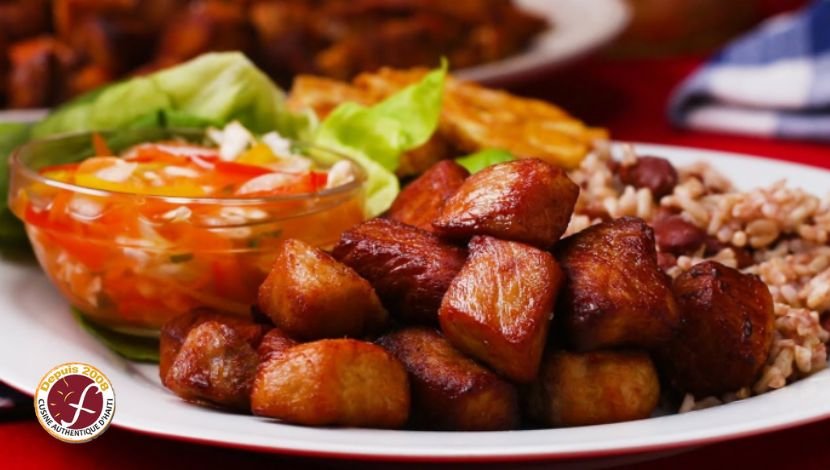
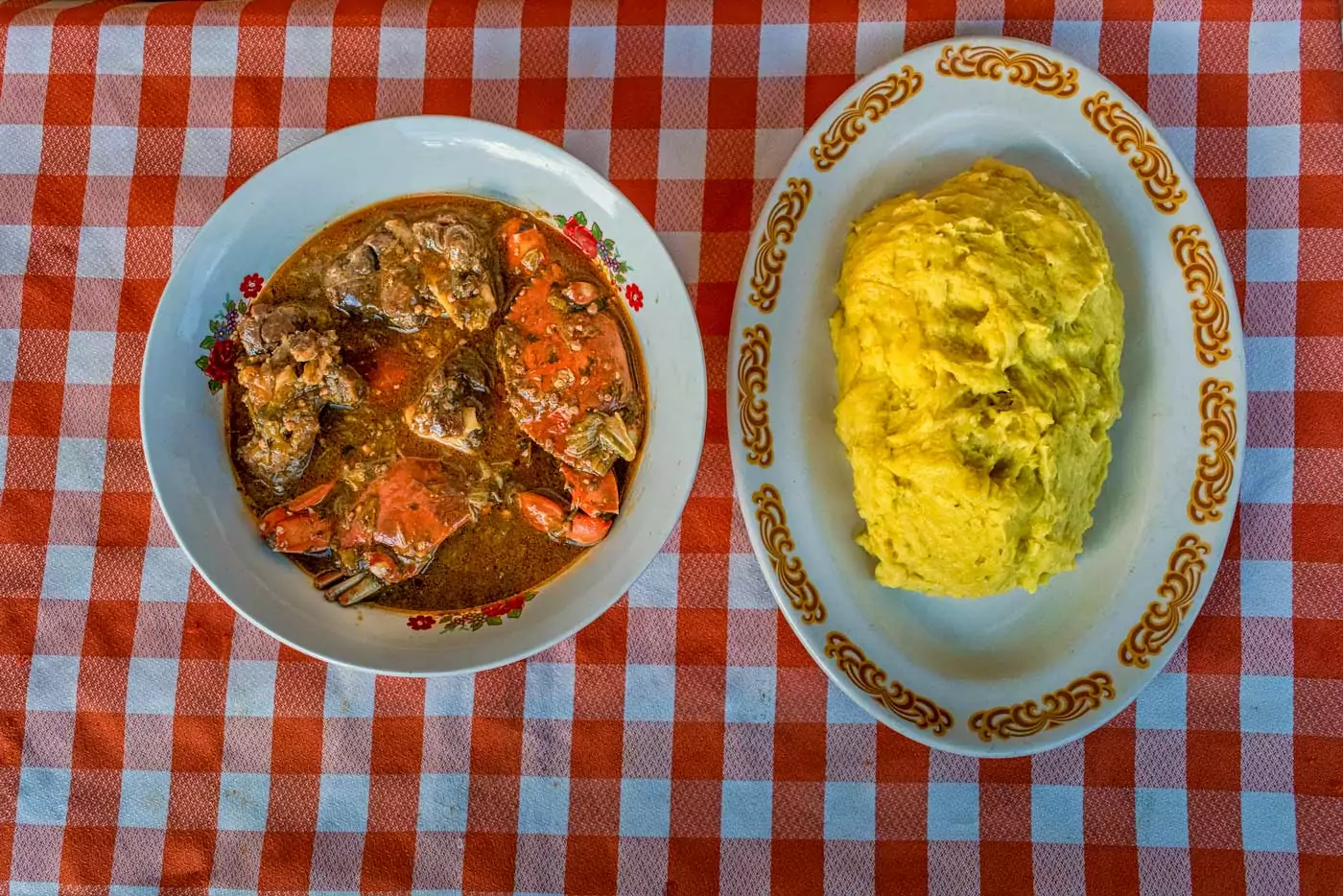
La cuisine haïtienne, riche et colorée, offre des plats savoureux comme le "Diri kole ak sòspwa" et le "Legim". Le Diri kole ak sòspwa, un mélange réconfortant de riz et de haricots rouges, est un pilier de l’alimentation haïtienne, souvent accompagné de viande ou de poisson. Le Legim, quant à lui, est un ragoût végétarien épicé fait de chou, de carottes, et d’épinards, épaissi avec de la purée d’aubergine et enrichi d’épices. Ces plats, profondément ancrés dans la tradition, symbolisent la fusion unique des influences africaines, françaises et taïno qui caractérise la cuisine haïtienne.

First black nation to free itself from slavery and gain independence from France in 1804 and influenced other liberation movements around the world, inspiring struggles for freedom and equality.

Haïti is blessed with spectacular natural landscapes, including white sand beaches, mountains and rich biodiversity.

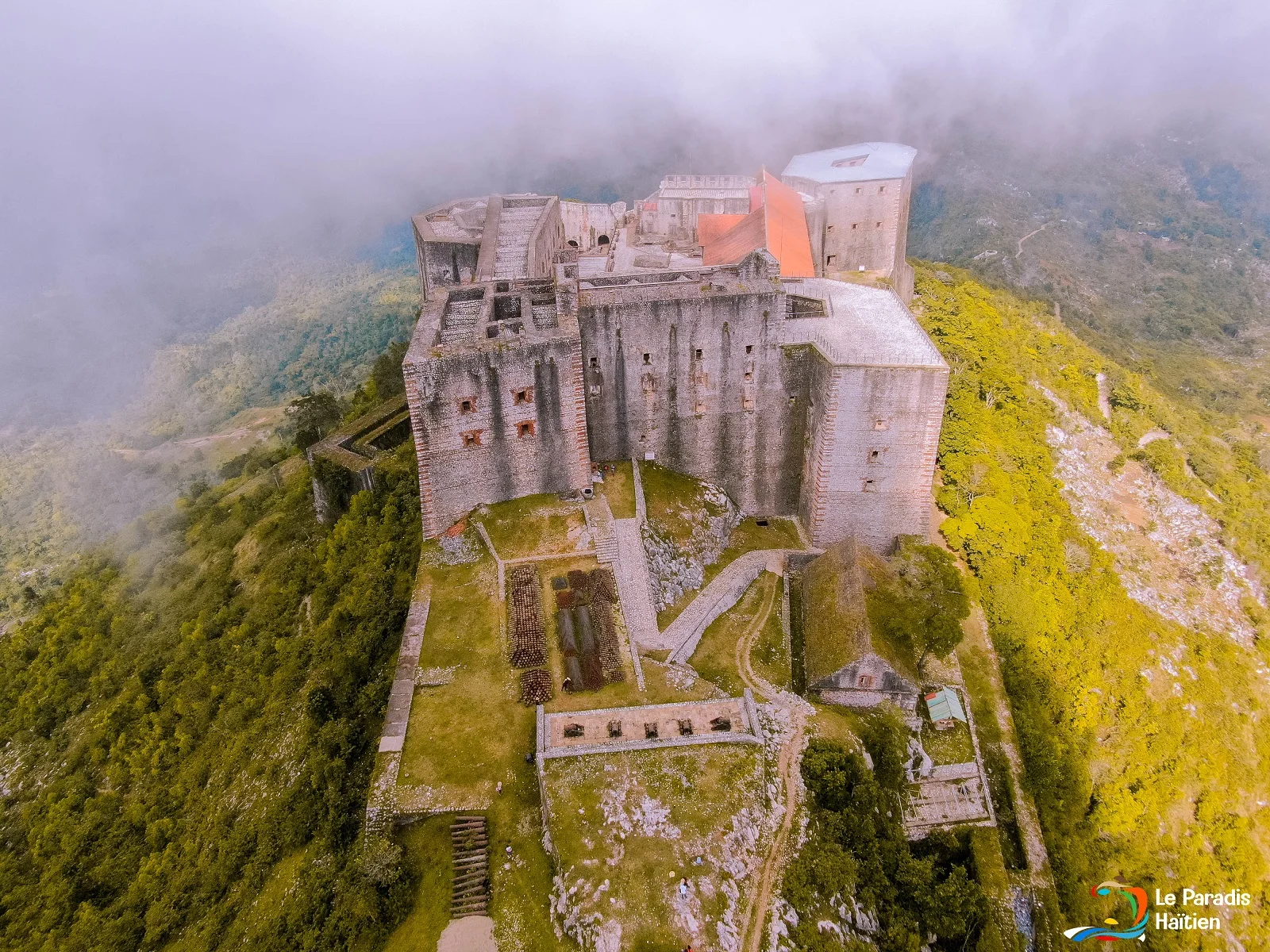
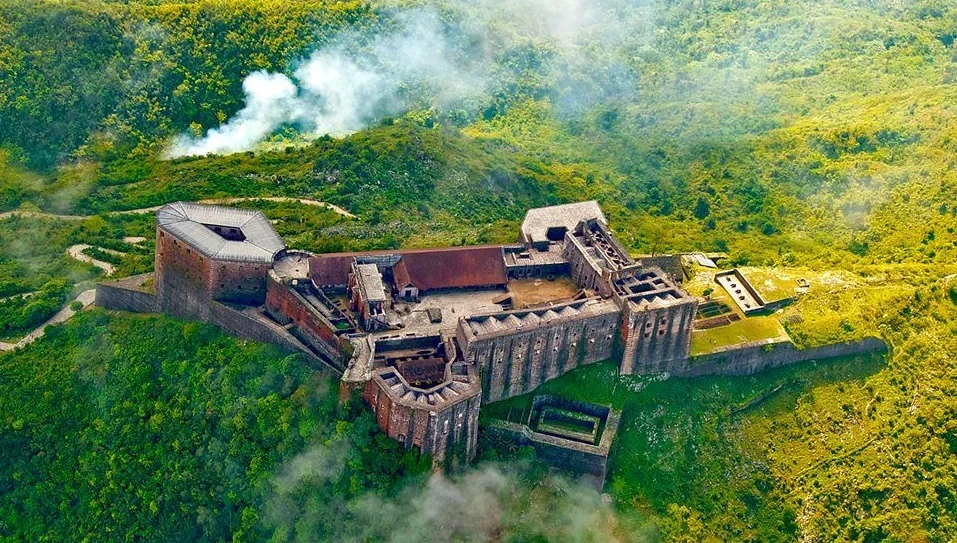
Haïti has a rich historical heritage, including sites like the Citadelle Laferrière and the Sans-Souci Palace, listed as UNESCO World Heritage Sites.

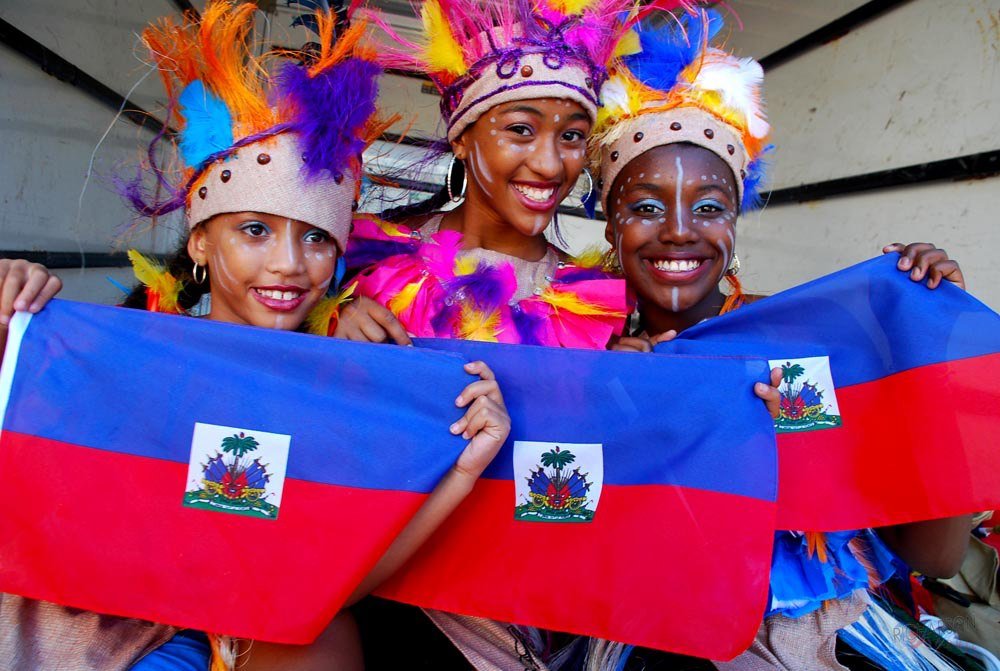
Haïti has a rich and diverse culture, influenced by African, European and indigenous elements. Haitian music, dance, art and cuisine are celebrated around the world.





















nm
September 14, 2026 - 07:08:10 PMhekw
September 14, 2026 - 07:08:33 PM