contact@haitiwonderland.com+509 36184317

Discover

Shopping Cart

Crémas: One of Haitians’ Favorite Christmas Drinks

Crémas: One of Haitians’ Favorite Christmas Drinks

Crémas is one of the most iconic drinks in Haitian culture, especially enjoyed during the Christmas holiday season. This sweet and creamy cocktail has become a staple during family and community celebrations. This article invites you to discover this delicious beverage, its history, its preparation, and the importance it holds for Haitians during Christmas.

Haïti
Haïti
Haïti

A Traditional Drink with Haitian Roots

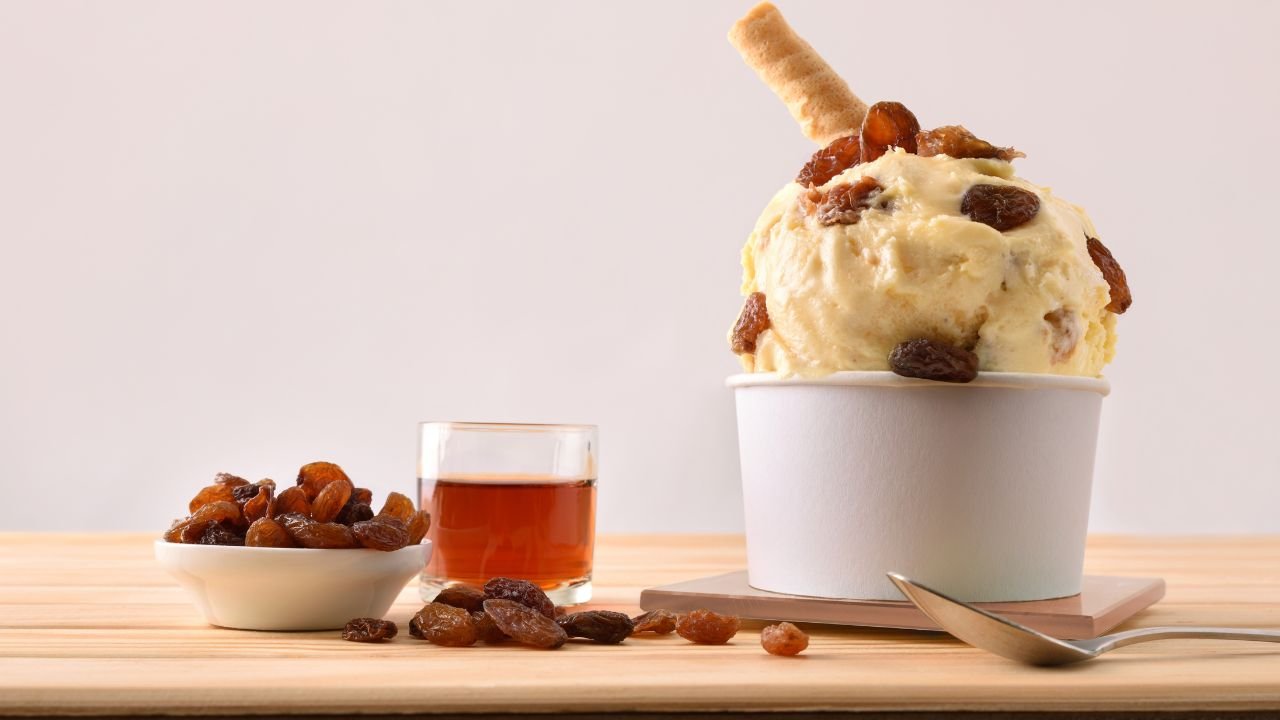
Crémas is a drink that combines the richness of coconut milk with the warmth of rum, offering a sweet and festive taste experience. Although its origins are difficult to trace precisely, it is widely believed that this drink was influenced by Creole traditions and colonial influences, particularly European and African. Crémas is often served on special occasions, especially at Christmas, where it takes pride of place on festive tables.

For many Haitians, Crémas is not just a drink: it is a symbol of conviviality, generosity and sharing. Its sweet taste and creamy texture bring a moment of comfort during Christmas meals, making each celebration even more special.

Haïti
Haïti
Haïti

Ingredients and Preparation: A Gourmet and Comforting Blend

The recipe for Crémas is relatively simple, but each family has its own version, sometimes adding secret ingredients to personalize the drink. Here are the basic ingredients needed to prepare Crémas:

- White rum (or sometimes old rum)
- Coconut milk
- Sweetened condensed milk
- Cane sugar
- Vanilla
- Cinnamon
- Nutmeg (optional)
- Cloves (optional)
- Fresh fruits such as lemon or orange zest (optional for a fruity touch)

The preparation begins by combining coconut milk, sweetened condensed milk and cane sugar. The mixture is then flavored with vanilla, cinnamon, and possibly nutmeg or cloves. Rum is added to this base to give the alcoholic touch, and everything is mixed well. Some also like to add a lemon or orange zest for a fruity note. Once well mixed and cooled, Crémas is ready to be enjoyed, often served in decorated glasses to add to the celebration.
Haïti
Haïti
Haïti

Crémas, the Festive Drink by Excellence

At Christmas, Crémas is more than just an alcoholic drink: it becomes a true symbol of joy, sharing and unity. Haitian families gather around large decorated tables to enjoy Crémas, often accompanying their Christmas meals with this sweet and creamy drink.

Crémas is also popular during Christmas Eve parties and community celebrations where music, dancing and conviviality are the order of the day. It is a special time for Haitians to get together and celebrate together in joy and harmony. By offering a glass of Crémas to a guest, it is also a symbolic gesture of welcome and generosity, illustrating the human warmth that characterizes Haitian culture.

Haïti
Haïti
Haïti

Crémas Beyond Christmas: A Year-Round Tradition

Although Crémas is particularly associated with Christmas, this festive drink is not exclusive to this time of year. Haitians enjoy preparing it for special occasions such as weddings, birthdays, baptisms, and other important celebrations.

In the Haitian diaspora, Crémas remains a staple drink during holidays and family reunions. It thus becomes a way to keep traditions alive and pass on Haiti’s culinary heritage, whether in Miami, New York, Montreal, or elsewhere in the world.

Haïti
Haïti
Haïti

Crémas: A Haitian Culinary and Cultural Heritage

Crémas perfectly embodies the spirit of Christmas in Haiti: warm, sweet, festive, and rich in traditions. It is a drink that spans generations, unites families, and symbolizes Haitian hospitality. More than just a drink, Crémas represents an essential part of Haitian cultural identity, passed down from generation to generation with pride and love.

If you are lucky enough to spend Christmas in Haïti or participate in a Haitian celebration, be sure to try this delicious drink. Crémas is one of those simple and delicious pleasures that mark hearts and memories during celebrations, and that will allow you to fully experience the warm spirit of Christmas in Haiti.

Share
About the Author
Appolon Guy Alain
Appolon Guy Alain
Appolon Guy Alain

Full Stack Developer, Créatif, expérimenté, passionné des nouvelles technologies et de l’art.

See other articles from Appolon Guy Alain
Leave a comment

Recently Posted

Jacmel: the Haitian city whose history is linked to the liberation of Latin America

Jacmel is a city located on the southern coast of Haiti, specifically in the southeastern department. To this day, the city is known for its well-preserved colonial architecture and rich historical heritage, as well as its carnival, one of the most famous in the Caribbean. Jacmel is one of the oldest cities in Haiti. Its origins, according to some historians, trace back to the time of the Taíno people, the island’s first inhabitants, who lived here long before the arrival of Christopher Columbus and his settlers in 1492. Long before it became Jacmel, this city in southeastern Haïti was called Yakimel. The renaming of Jacmel was carried out by the French during their colonization of the western part of the island of Hispaniola. Over the years, Jacmel has transformed into a city where living well blends with the beauty of the sea, in the hearts of its visitors. Nature is fully embraced here, and the sea remains a source of joy throughout the day. Jacmel offers all of this, in addition to its glorious past, which anchors it as a major location in Haiti’s grand history. With its unique charm, Jacmel is among the Haitian cities that can leave a lasting impression. In the 1950s and 60s, until the early 1980s, Jacmel was one of the most popular tourist destinations in the Caribbean due to its reputation as a city with unmatched natural beauty and grace. During this time, the Jacmel coastline warmly welcomed cruise ships filled with tourists from all corners of the world. It was also during this period that Jacmel was one of the most commercially active cities in Haiti, among the country’s most economically flourishing, thanks to the significant influx of tourists.

Newsletter

Subscribe to our newsletter to stay informed of all our activities and news on Haiti.

Belle-Anse, a village between tradition, nature and tourist potential

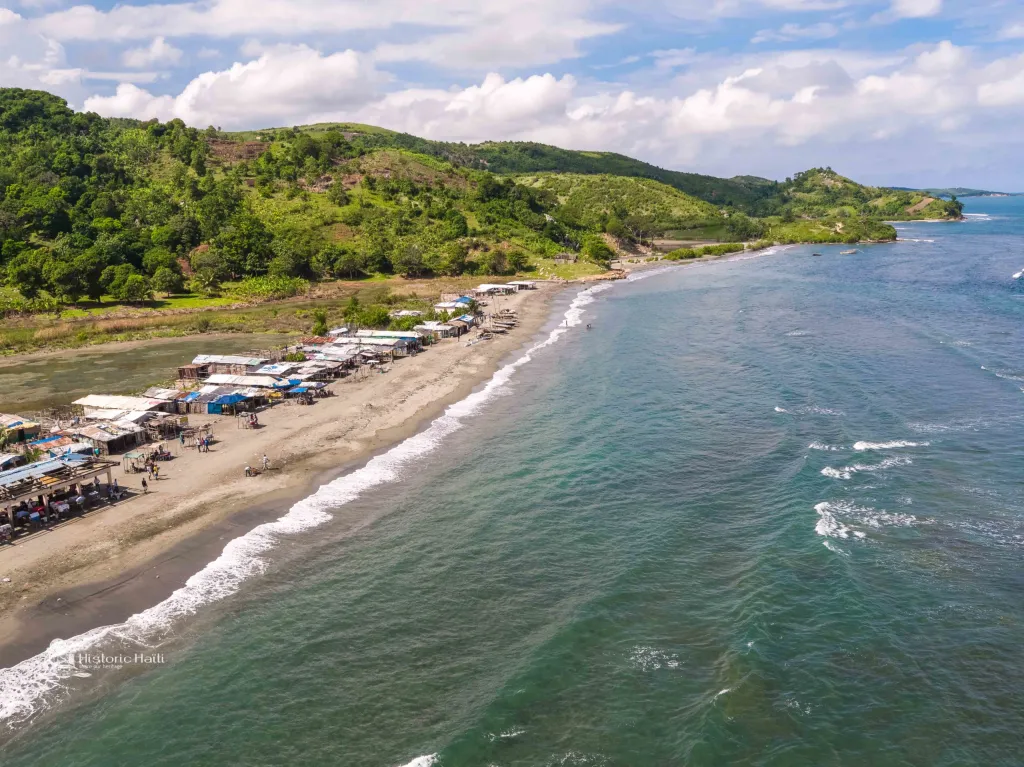
Nestled in the southeast of Haiti, Belle-Anse is a destination that fascinates with its natural beauty and rich history. This small town, still often ignored by major tourist routes, is full of treasures that deserve to be discovered. Its wild beaches, its imposing mountains and its unique historical heritage make Belle-Anse a hidden pearl, ready to seduce travelers in search of authenticity and tranquility. Belle-Anse, founded in the 18th century, still bears the traces of its past. Its history, marked by changes of names and identity, bears witness to the political and social upheavals that have given the region. From the colonial era to the birth of the Republic, each corner of the city tells a part of the history of Haiti. This rich past is combined with a vibrant cultural life, where local festivals, such as the celebration of the Patron Saint every December 10, offer an authentic glimpse into the lives of the inhabitants. The historical remains scattered throughout the city are not only a reminder of the era of colonization, but also of the struggles for independence. These witnesses of the past, combined with a calm and preserved atmosphere, make Belle-Anse a place where history and nature intertwine harmoniously. What distinguishes Belle-Anse is undoubtedly its spectacular natural environment. Ultimately, these beaches before the deserts invite you to relax. Lagan Beach, lined with palm trees and crystal clear waters, offers an idyllic setting for lovers of wild nature, far from the crowds of more frequent tourist destinations. The nearby Bay of Jacmel is a true natural bliss, promising moments of calm and escape. The city is also surrounded by majestic mountains, ideal for those who wish to explore the Haitian landscapes on foot, while discovering a unique biodiversity. While Belle-Anse’s natural resources are rich, they are also fragile, and preserving these areas remains an important issue for the future of the region.
Recently Posted

History

History

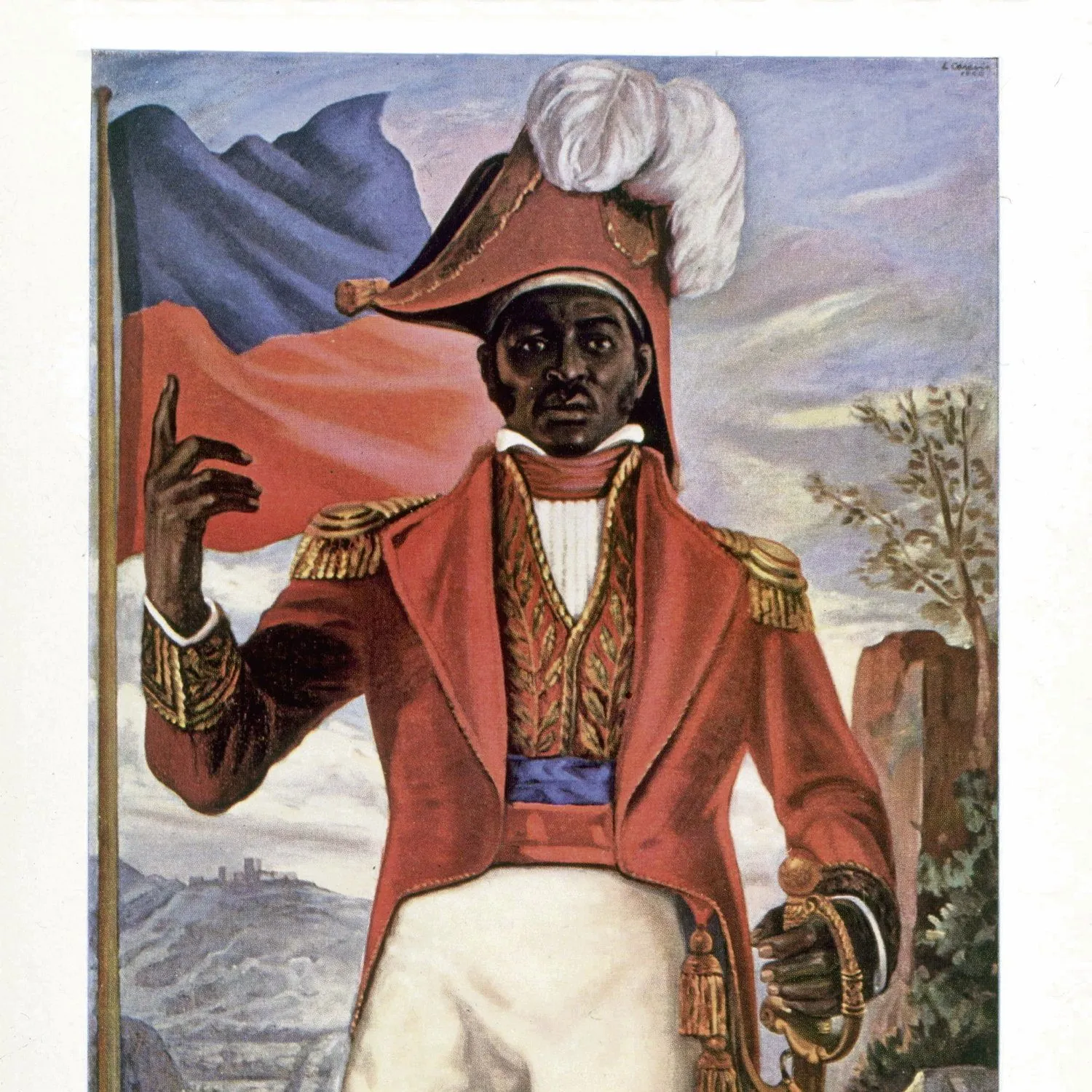
First black nation to free itself from slavery and gain independence from France in 1804 and influenced other liberation movements around the world, inspiring struggles for freedom and equality.
Natural beauty

Natural beauty

Haïti is blessed with spectacular natural landscapes, including white sand beaches, mountains and rich biodiversity.

Heritage

Heritage

Haïti has a rich historical heritage, including sites like the Citadelle Laferrière and the Sans-Souci Palace, listed as UNESCO World Heritage Sites.

Culture

Culture

Haïti has a rich and diverse culture, influenced by African, European and indigenous elements. Haitian music, dance, art and cuisine are celebrated around the world.

  • +
    • Post