
Children’s Carnival in Cap-Haïtien: A festive atmosphere in the heart of the city
Discover the Children's Carnival in Cap-Haïtien, a joyful celebration full of color and Haitian traditions!

Discover the Cap-Haïtien Christmas Market 2025, a magical event not to be missed on December 23rd and 24th. Festive atmosphere guaranteed! #Christmas
Haiti, often nicknamed "the pearl of the Antilles", is a fascinating destination for travelers in search of authenticity. This Caribbean island country offers a unique combination of natural beauty, an exceptional historical heritage, and a vibrant culture.
Haitian cuisine is often considered one of the best in the world, thanks to its spicy flavors and tasty dishes. It reflects the rich history and culture of the country, mixing African, European and Caribbean influences. We invite you to explore 20 must-try Haitian delights, whether it’s breakfast, lunch or dinner.
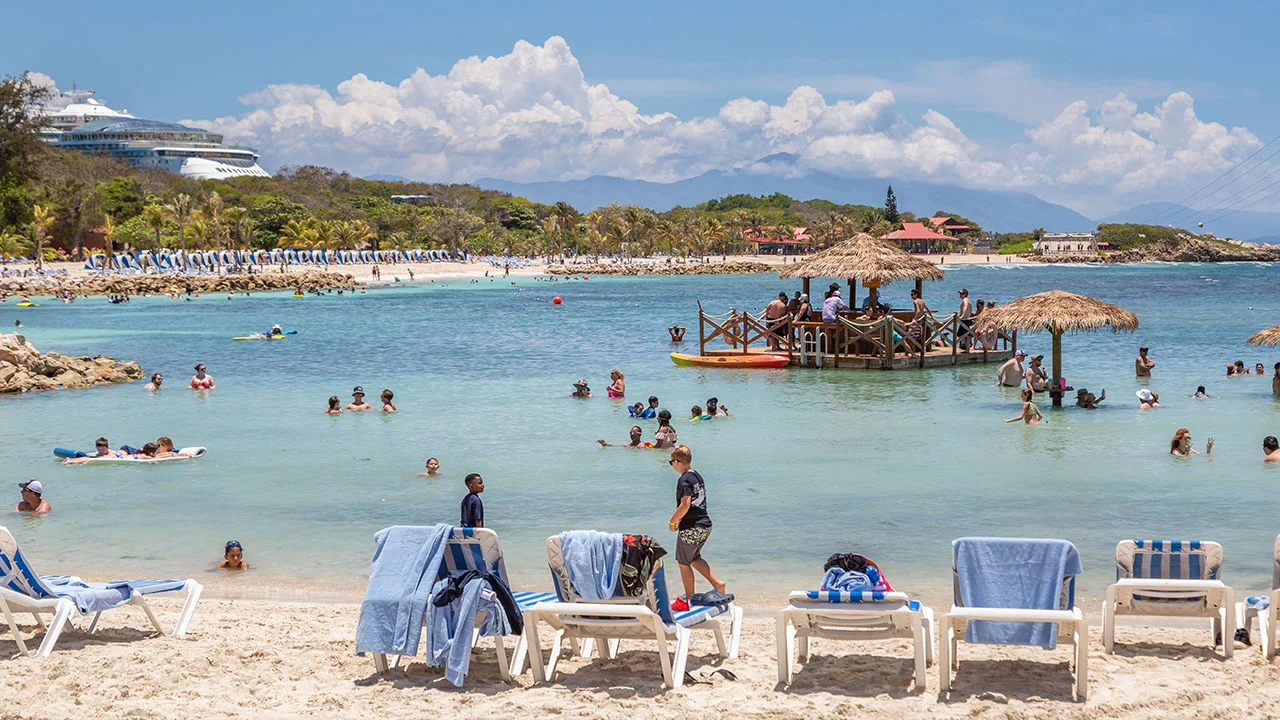
After several months of suspension, cruises to Labadie, one of Haiti’s most popular tourist destinations, are expected to resume in October 2024. Frantz Duval, a key figure in Haitian journalism, recently shared this encouraging news on the X platform (formerly Twitter). This announcement, confirmed by Le Nouvelliste via a source close to the company managing the Labadie wharf, ends a period of uncertainty marked by months of interruption of tourist activities in this jewel.
The word “Haiti” is deeply rooted in the history and culture of the island, representing much more than just a name. It symbolizes an identity, a heritage, and a unique geography. But what is the true meaning of this iconic word? Let’s explore its origins, history, and symbolic significance.
Situated in the turquoise waters of the Caribbean, Haïti is a destination that never ceases to fascinate and inspire. Often overlooked and underrated as a tourist destination, this island is full of natural treasures, cultural richness and captivating history that are worth exploring.
Edikanèt is an association dedicated to education in the Haitian Creole language on the Internet. Founded in 2019 at Lycée Toussaint Louverture, the organization works to promote, recognize, and use Haitian Creole in all educational, social, and institutional spaces in the country. It was created by three young activists committed to this cause: Luc Cadet FIGARO, Alan Joe JEAN, and Marcus JUSMA. From the beginning, Edikanèt set itself key goals: promoting education in Creole across all regions of Haiti; creating educational materials in Creole; fighting against linguistic discrimination toward Creole speakers; and elevating Creole as a language of instruction, culture, and prestige. This initiative was born out of awareness of the persistent marginalization of Haitian Creole in Haitian society. Their most recent major initiative was a quiz competition held in July 2025, focused on general knowledge—such as Haitian history, geography, culture, mathematics, Creole grammar, and other subjects related to learning in Creole. The winner, Roobens D. Victor, came out first among 113 participants.
Haiti, a country often associated with its socio-economic challenges, also has an incredible wealth of talent and potential in various fields, including sports. One of the brightest jewels in this treasure is Melchie Dumornay, a young footballer who has just been voted CONCACAF MVP. This prestigious title highlights not only her exceptional abilities, but also the enormous potential that Haïti has to impress the world.
Melchie Daëlle Dumornay is a professional Haitian footballer who plays in the first division of the French women’s league. She was born in Haiti, in a mid-sized town called Mirebalais, on August 17, 2003. At just 21 years old, she has become the only Haitian personality, regardless of gender or category, to be nominated among the 30 candidates for the prestigious individual award that is the France Football Ballon d’Or. Indeed, the 21-year-old finds herself — unsurprisingly — on the shortlist for the 2025 Ballon d’Or, alongside some of the biggest names in world football, after an exceptional season both individually — scoring 24 goals and providing 10 assists in just 31 matches — and collectively. She reached the semi-finals of the UEFA Women’s Champions League (where she was named best player of the 2024-2025 season) and won the French league title with her Lyon teammates.
The Haitian carnival, an emblematic and essential celebration of the country’s festive calendar, is much more than a simple party. It embodies the very essence of Haitian culture, joyfully blending ancestral traditions, intoxicating music and a deep sense of community. Each year, this vibrant celebration transforms the streets into a vibrant and colorful spectacle, attracting thousands of participants and spectators eager to take part in this one-of-a-kind celebration. Haitian carnival has deep roots in the country’s history, dating back to colonial times. It has evolved over the centuries, incorporating elements of African, French and Creole culture to create a distinct and captivating celebration. The carnival period in Haïti traditionally begins in January and culminates with extravagant festivities that take place over several days. One of the most striking features of the Haitian carnival is the profusion of colors. Traditional costumes, called "masks", are elaborate and beautifully designed. They feature vivid patterns and vibrant decorations, creating a vivid picture of Haitian cultural identity. Participants, dressed in these elaborate costumes, parade through the streets to the sound of lively music, creating an electric atmosphere. Music is at the heart of the Haitian carnival. The captivating rhythms of compass, rasin, rara and other local musical genres resonate throughout the city, inviting people to dance to the rhythm of the party. Orchestras parade through the streets, accompanying the dancers and creating a unique symbiosis between the music and the graceful movements of the participants. The Haitian carnival parade is not just about the music and costumes; it also celebrates the richness of street arts. Talented artists create giant sculptures, art installations and theatrical performances that tell deep stories of Haitian history and culture. These artistic expressions contribute to the transmission of values and stories that shape the identity of the Haitian people.
Jean-Jacques Dessalines is an emblematic figure in modern world history for his fruitful involvement in the fight against the slave system. Through his dedication and courage, he embodied the indomitable spirit of an entire black people forcibly deported from the African continent, implanted by this same violent mechanism, in America to suffer, but determined to free themselves from oppression by forging their own destiny despite all the risks and difficulties. Dessalines’ entire life, his entire journey bears the mark of a life inscribed in the fight to free his loved ones. His unfailing determination and passion for freedom made him a living symbol of resistance for all the oppressed nations of the earth, more than two centuries after his death. We wrongly associate the image of Jean-Jacques Dessalines with chaos. The sole aim is to discredit his immense legacy before the eyes of history. “Koupe tèt, boule Kay” is the preferred expression to use for such purposes against his character, along the way, expressly forgetting the historical context hidden in the back of the “koupe tèt boule Kay” in question, also refusing to register this approach historical in the logic of a just and courageous stand, in the face of a barbaric, slavery system, devoid of morality and humanity.
Haiti, a Caribbean island, is full of natural and cultural treasures just waiting to be discovered. From majestic mountains to white-sand beaches to fascinating historical remains, Haïti offers a variety of attractions that captivate travelers from around the world. Here is an overview of the main attractions not to be missed during your stay in Haiti:
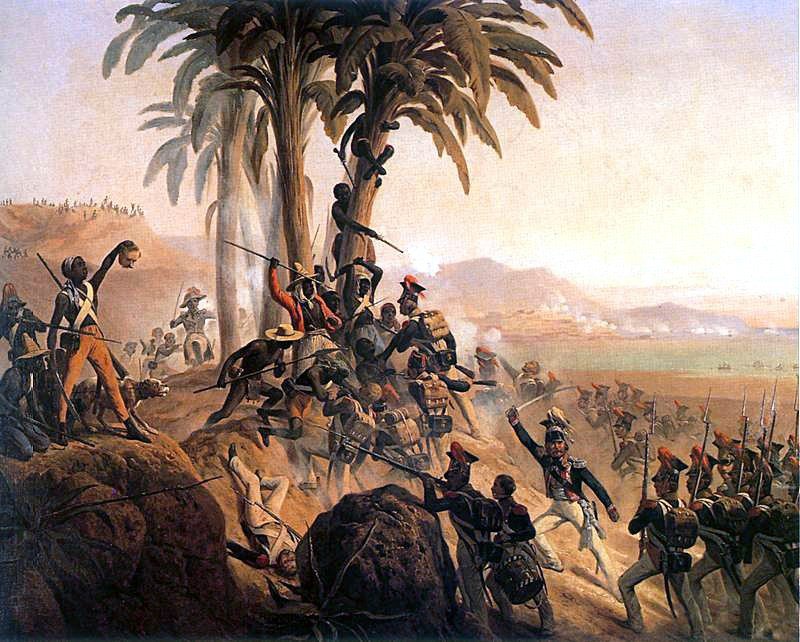
Every year, on November 18, Haïti celebrates one of the most significant events in its history: the Battle of Vertières. This date, a symbol of courage and determination, recalls the decisive victory of Haitian troops over French colonial forces in 1803, thus paving the way for the independence of Haiti, proclaimed on January 1, 1804.

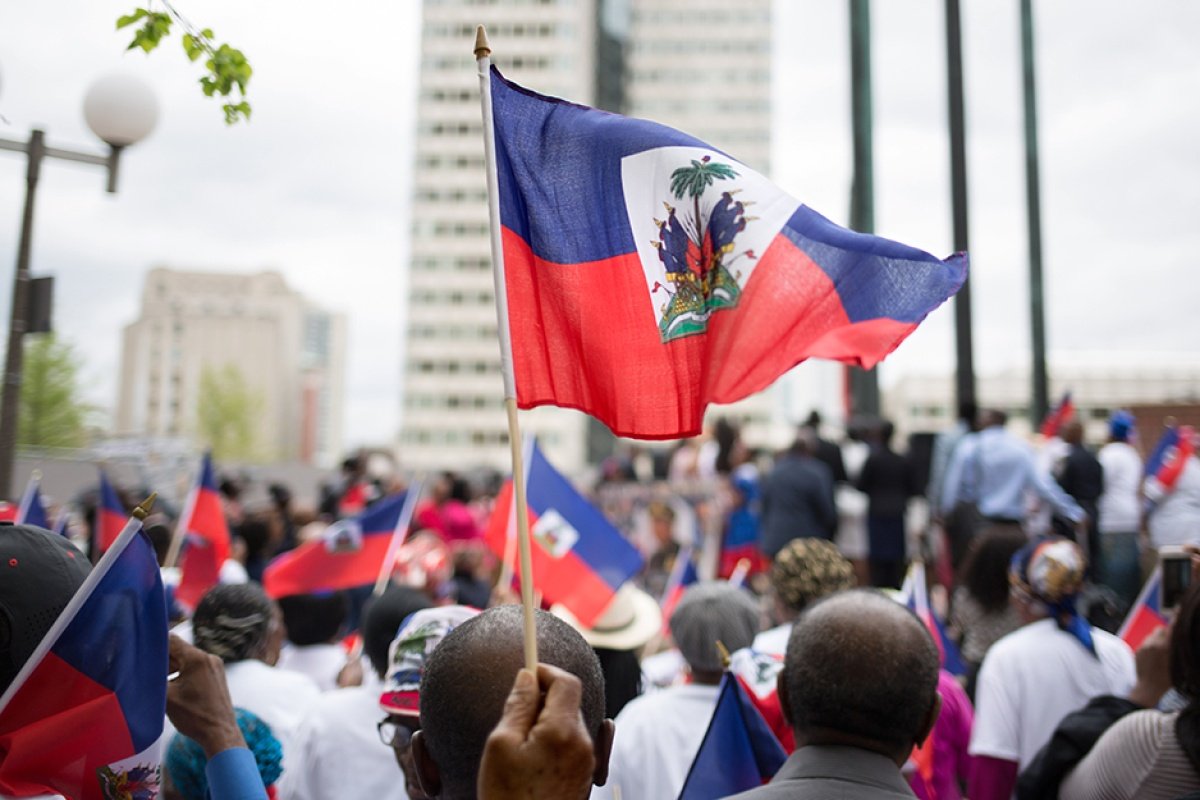
First black nation to free itself from slavery and gain independence from France in 1804 and influenced other liberation movements around the world, inspiring struggles for freedom and equality.

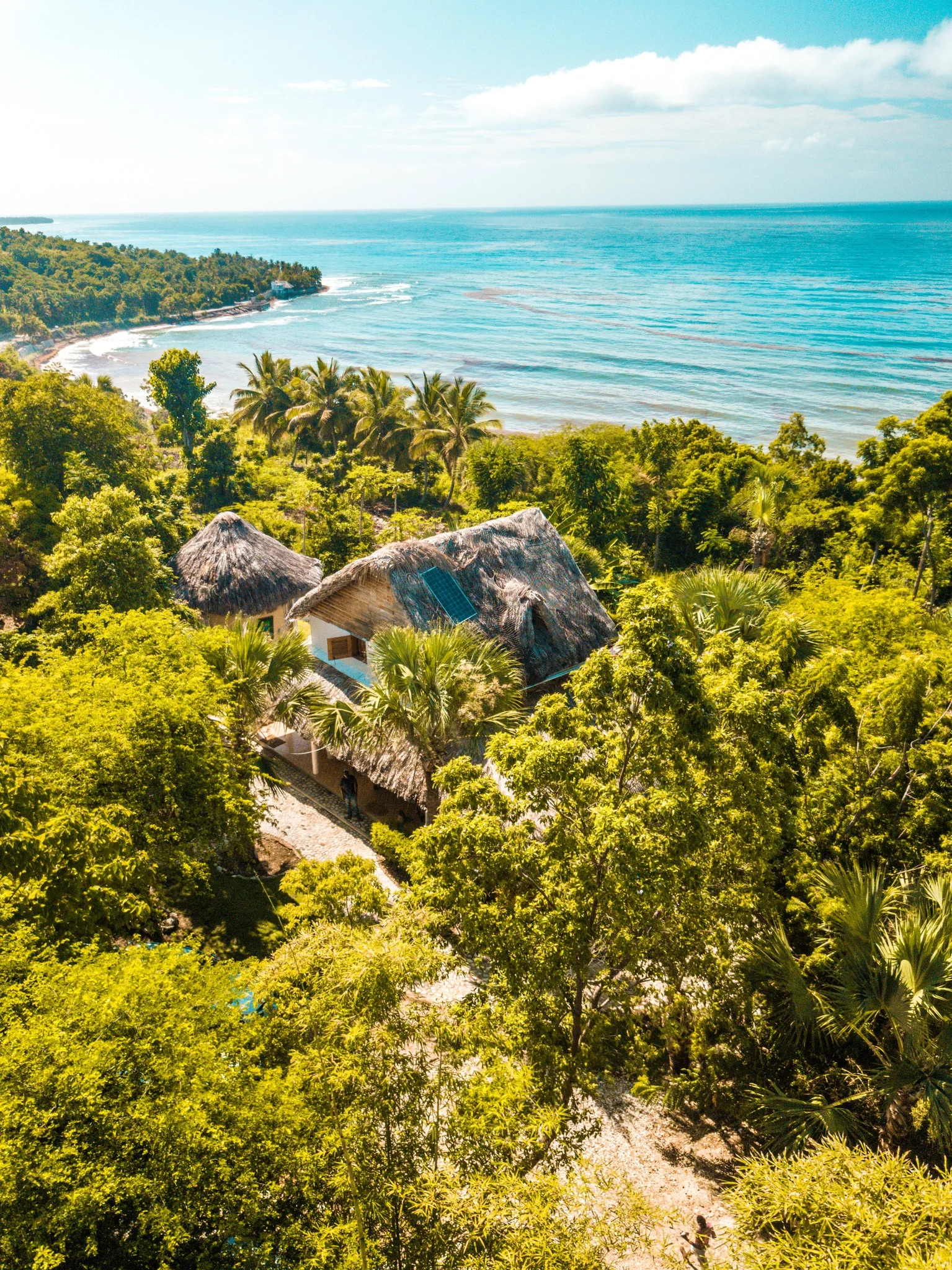
Haïti is blessed with spectacular natural landscapes, including white sand beaches, mountains and rich biodiversity.

Haïti has a rich historical heritage, including sites like the Citadelle Laferrière and the Sans-Souci Palace, listed as UNESCO World Heritage Sites.

Haïti has a rich and diverse culture, influenced by African, European and indigenous elements. Haitian music, dance, art and cuisine are celebrated around the world.