contact@haitiwonderland.com+509 36184317

Discover

Shopping Cart

Holidays and Celebrations in Haiti

Holidays and Celebrations in Haiti

A complete calendar of national and religious holidays in Haiti. From Independence Day to Christmas, explore the vibrant culture of the Pearl of the Antilles.

Haiti, the world’s first independent Black republic, has a calendar rich in celebrations that reflect its heroic history, vibrant culture, and deep spiritual traditions. From national holidays commemorating independence to religious celebrations blending Catholicism and Vodou, discover the key moments that animate Haitian life throughout the year.

Independence: The Day of Glory (January 1st)

January 1st marks the most important date in the Haitian calendar. It was on this historic date that Haiti’s independence was proclaimed in 1804, making the former colony of Saint-Domingue the first free Black nation in the world. The official ceremony takes place with great pomp on the Place d’Armes in Gonaïves, the emblematic site of this historic proclamation.

Forefathers’ Day (January 2)

From the day after independence, Haïti honors its ancestors and the heroes who fought for freedom. This day of remembrance, celebrated on January 2, perpetuates the memory of those who sacrificed their lives so that future generations could live in freedom.

Haitian Carnival: Explosion of Joy and Color (February)

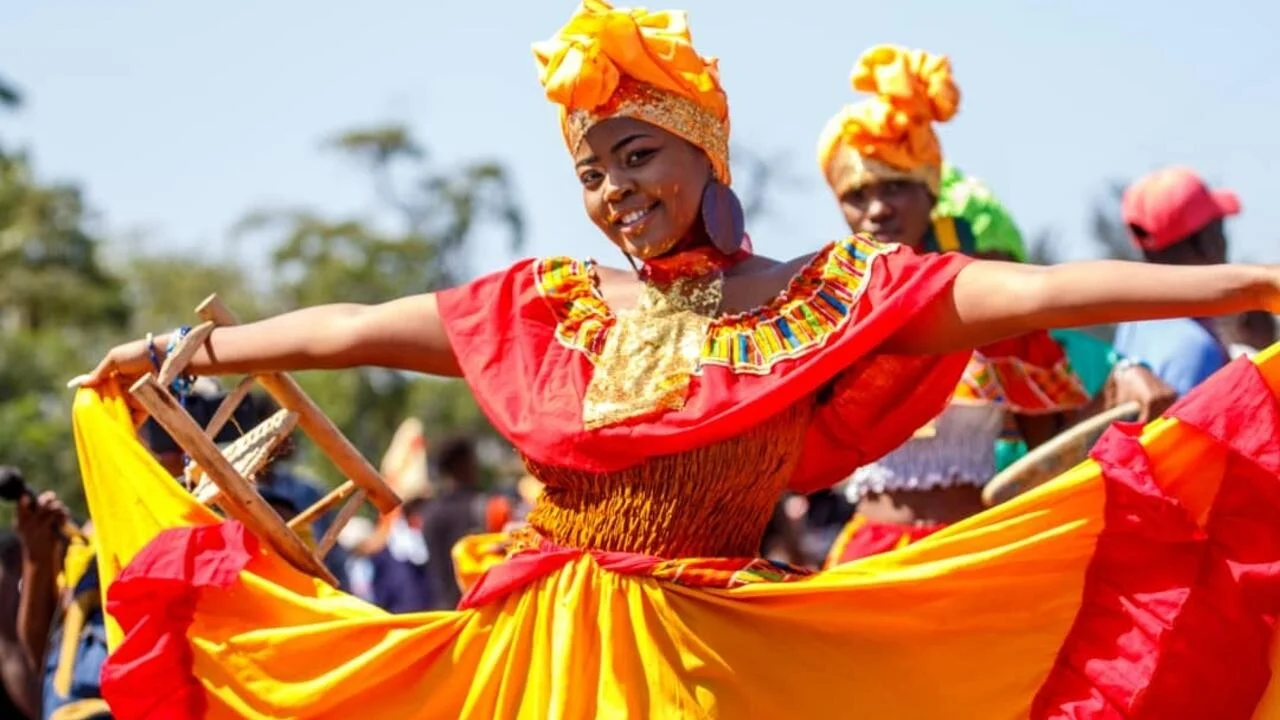
The three Shrovetide days preceding Lent transform Haïti into a gigantic street theater. Port-au-Prince, Jacmel, and Cap-Haïtien come alive with spectacular parades, floats, and groups of musicians playing the compas and rara. The Haitian carnival is recognized as one of the most festive in the Caribbean.

Labor and Agriculture Day (May 1st)

May 1st in Haïti has a dual significance: a celebration of workers in all sectors and a recognition of the vital importance of agriculture to the national economy.

Flag Day: Symbol of Unity (May 18th)

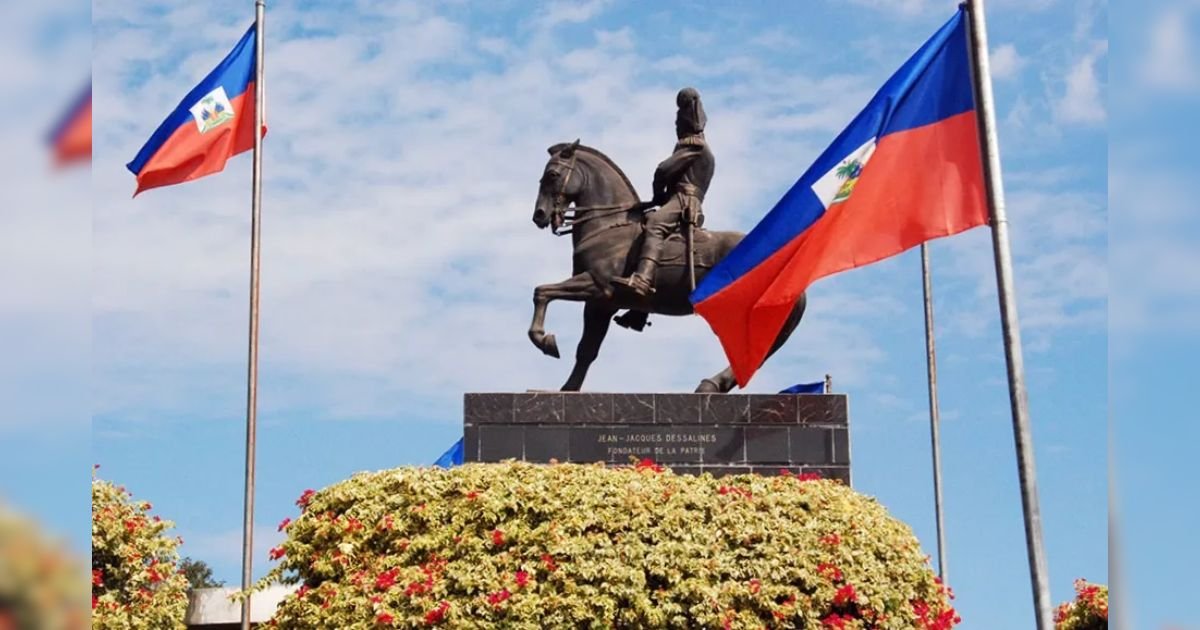
Every May 18th, Haïti celebrates the creation of its bicolor flag in Arcahaie in 1803. This event marked a decisive turning point in the War of Independence, symbolizing the unity between Black and Mulatto people in the struggle for freedom.

Commemoration of Dessalines (October 17th)

October 17th honors Jean-Jacques Dessalines, founder of the Haitian nation and first emperor, tragically assassinated in 1806. This date commemorates the price paid for independence.

The Battle of Vertières (November 18)

November 18 commemorates the decisive Battle of Vertières, which sealed the defeat of the French troops and paved the way for independence. This military victory remains etched in Haitian collective memory.

Religious Holidays: Between Catholicism and Vodou

Haïti is distinguished by a unique religious syncretism, where Catholic traditions and Vodou practices coexist harmoniously.

Major Christian Holidays

- Good Friday and Easter: Celebration of the Passion and Resurrection of Christ
- Ascension: Commemorated 40 days after Easter
- Corpus Christi: Honors the presence of Christ in the Eucharist
- Assumption (August 15): Major Marian feast celebrating Mary’s ascension into heaven
- Christmas (December 25): Joyful celebration of the birth of Jesus

All Saints’ Day and All Souls’ Day: When Two Traditions Meet

November 1st and 2nd perfectly illustrate Haitian syncretism. While Catholics honor the saints and pray for the deceased, Vodou practitioners celebrate the Gede deities, the loas of death and fertility. These days are marked by visits to cemeteries and traditional ceremonies.

Other Important Commemorations in Haiti

January 12, 2010 Earthquake: Remembrance Day

January 12 is now etched in the collective memory as the day a devastating earthquake struck Haiti, causing thousands of casualties and massive destruction. This commemoration honors those lost and celebrates the resilience of the Haitian people.

Historical Dates to Remember

- March 29: Ratification of the Constitution
- April 7: Death of Toussaint Louverture, precursor of independence
- July 28: Landing of the American Marines in 1915
- December 6: Arrival of Christopher Columbus in 1492

Family Celebrations

Like everywhere else in the world, Haïti also celebrates:
- Valentine’s Day (February 14): Celebration of love
- Mother’s Day: The last Sunday in May
- Father’s Day: A day dedicated to dads

Why Visit Haïti During its Holidays?

Discovering Haïti during its celebrations means immersing yourself in an authentic culture where history, spirituality, and joie de vivre blend harmoniously. Whether you attend the solemn Independence ceremonies, dance to the rhythm of the carnival or participate in the All Saints’ Day pilgrimages, you will live unique experiences that reveal the deep soul of this extraordinary country.

Haiti, a land of freedom and resilience, invites you to discover its exceptional intangible heritage through a festive calendar that honors both its glorious past and its living traditions.

Plan your trip to Haïti with these important dates in mind for an unforgettable cultural experience in the heart of the world’s first Black republic.

Share
About the Author
Appolon Guy Alain
Appolon Guy Alain
Appolon Guy Alain

Full Stack Developer, Créatif, expérimenté, passionné des nouvelles technologies et de l’art.

See other articles from Appolon Guy Alain
Leave a comment

Recently Posted

Haiti: Carnival and Rara: Crossed Perspectives on Culture and Haitian Identity

In our tradition, carnival represents an essential cultural activity. Indeed, for the holding of it this year, the State had drawn from the public treasury not only a huge sum but also a strong concentration of law enforcement to ensure the protection and security of carnival-goers in the area. metropolitan. Despite numerous criticisms and concerns expressed by certain media on the one hand, then on the other hand by the democratic opposition. While it is true that in Port au Prince these concerns had had a no less valuable consequence on the progress of this festivity. It is no less true that this was the case in other provincial towns, as proof in the southeast department the authorities did not record anything as an element of accident or incident during the progress of the carnival unlike Port au Prince. Certainly, socio/economic problems are increasingly worrying, nevertheless what makes us what we are today, a free and independent people is none other than our exceptionality. This deeply expresses our intrinsic characteristic in relation to people. In fact, historically we are a people who laugh and cry, smile and irritate, dance and hit the system, sing and fight so well that "grenadya alaso sa ki mouri zafè ya yo" is the most emblematic song of the slaves for the conquest of our freedom. We do not intend to claim that those who expressed their disagreement with the carnival are showing a historical deficit. However, we leave in the shadows a fundamental question: why is carnival taken care of by the State while the rara is like an abandoned child? The rara is not only a simple cultural tradition but, above all, it is the heritage of our valiant warriors who bravely fought the French expeditionary army, the most powerful of the time. While, this mass cultural, she is still marginalized by state authorities. It is emphasized that social cohesion is the dead point of carnival. On the other hand, this is the strong point of rara. As proof, the Thursday of the Dead in our Voudouesque tradition which represents the opening ceremony for the rara bands is the blatant testimony of this social cohesion. And, in fact, there were circles of people who took divergent directions to attend the opening ceremony of their rara bands. For this opening ceremony the atmosphere was a taste of carnival in terms of color. On the side of Croix Hilaire, for the title champion Ratyèfè full force band, the color of his club was very diverse, a long dress of apricot yellow, mauve white, then white scarf. In terms of performance, this band had completely proven its champion skills thanks to its arsenal of musicians who were not in their testing phase. To tell the truth, they performed their note with surgical precision as a doctor-surgeon in his surgical procedure. The synchronization between the musicians, the instruments and then the fans form a whole and harmonize perfectly well. This band not only has the magic of words and verbs, it seems that they also have the magic to thrill even the most reluctant fans. Moreover, his performance for this dead Thursday was a challenge for his rivals this weekend to the extent that their performances were less good. On the symbol side of light, Grap Kenèp was the wonder of the Thursday evening of the dead. His club dressed in the appropriate color for this evening, purple scarf, purple jersey, then white “kolan”. In a symbolic way, this marriage of color represents Baron in Haitian Vodou. Without a doubt, it was the most beautiful symbolic representation of the evening. In terms of performance, returning from the cemetery we felt a very strong warmth of jubilation, elation, and playfulness for a completely balanced performance. As far as Chenn Tamarin is concerned, it was already 2 a.m. when our team met him, it was a less good performance than what we were accustomed to. On the symbolic side it leaves something to be desired. His news was that he had his own media. Petit-Goave/Culture and Society

Newsletter

Subscribe to our newsletter to stay informed of all our activities and news on Haiti.

Haïti et son Rôle Pionnier dans l’Abolition de l’Esclavage Mondial

For centuries, the institution of slavery has darkened human history, leaving behind a legacy of pain, oppression and the struggle for freedom. However, in this dark tale, one nation stands out for its courage and determination to break the chains of oppression: Haiti. Located in the Caribbean, Haïti played a pioneering role in the abolition of slavery, laying the foundation for the fight for freedom and equality around the world. The history of slavery in Haïti dates back to the arrival of Europeans on the island, which was then called Santo Domingo, in the 15th century. French colonists quickly established an economy based on sugar and coffee production, cruelly exploiting millions of African slaves deported to work on plantations. However, this brutal system engendered fierce resistance from slaves, whose fight for freedom ultimately led to one of the most significant revolutions in history. In 1791, under the leadership of iconic figures such as Toussaint Louverture, Jean-Jacques Dessalines and Henri Christophe, Haitian slaves rose up against their oppressors in an unprecedented rebellion. This revolt resulted in a war of independence that lasted more than a decade, but ultimately resulted in the proclamation of Haiti’s independence in 1804, making that country the first post-colonial nation ruled by people from slavery. The impact of the Haitian Revolution on the abolition of slavery worldwide cannot be overstated. By breaking the chains of oppression and proclaiming their independence, Haitians have sent a powerful message to all oppressed peoples around the world: freedom is possible, and it is worth the struggle. The example of Haïti inspired other movements for the abolition of slavery in the Americas and beyond, thus helping to shake the very foundations of the institution of slavery. Haiti’s participation in the fight against slavery was not limited to its territory; it also extended to external actions where Haitian men were sent or actively participated in movements for the abolition of slavery in other regions of the world. For example, Haitian President Alexandre Pétion supported Simón Bolívar, the leader of the South American revolution, by providing him with weapons, money and even men, which contributed to the liberation of several countries in America Latin of colonial domination. Haïti also provided support for independence movements in Central America. Haitian fighters, led by General Jean-Pierre Boyer, helped Venezuelan patriots fight against Spanish rule, contributing to the liberation of that region. The Haitian government financially and diplomatically supported movements for the abolition of slavery in countries such as Venezuela, Colombia and Mexico, contributing to the gradual eradication of this institution throughout the region. Although Haïti did not directly participate in the American Civil War, many Haitians and descendants of Haitians played crucial roles in the abolitionist movement in the United States. Figures who were of Haitian origin or of Haitian ancestry, were important voices in the fight against slavery and for equal rights in the United States. The legacy of the Haitian Revolution remains a symbol of resistance and courage for future generations. Today, as the world continues to struggle against injustice and oppression in various forms, Haiti’s history reminds us that the fight for freedom is a universal fight, one that transcends borders and times. Haiti’s participation in the abolition of slavery throughout the world remains a crucial chapter in the history of humanity. Through their courage and determination, Haitians have paved the way for a future where freedom and equality are inalienable rights for all.

Recently Posted

History

History

First black nation to free itself from slavery and gain independence from France in 1804 and influenced other liberation movements around the world, inspiring struggles for freedom and equality.

Natural beauty

Natural beauty

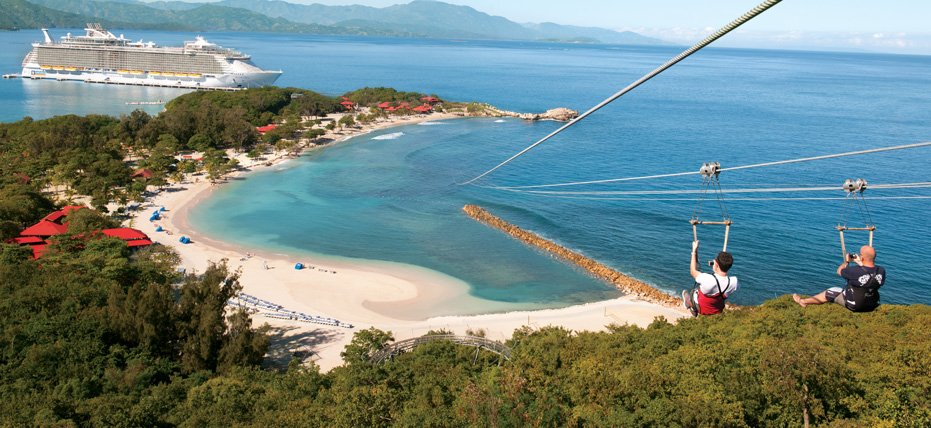
Haïti is blessed with spectacular natural landscapes, including white sand beaches, mountains and rich biodiversity.

Heritage

Heritage

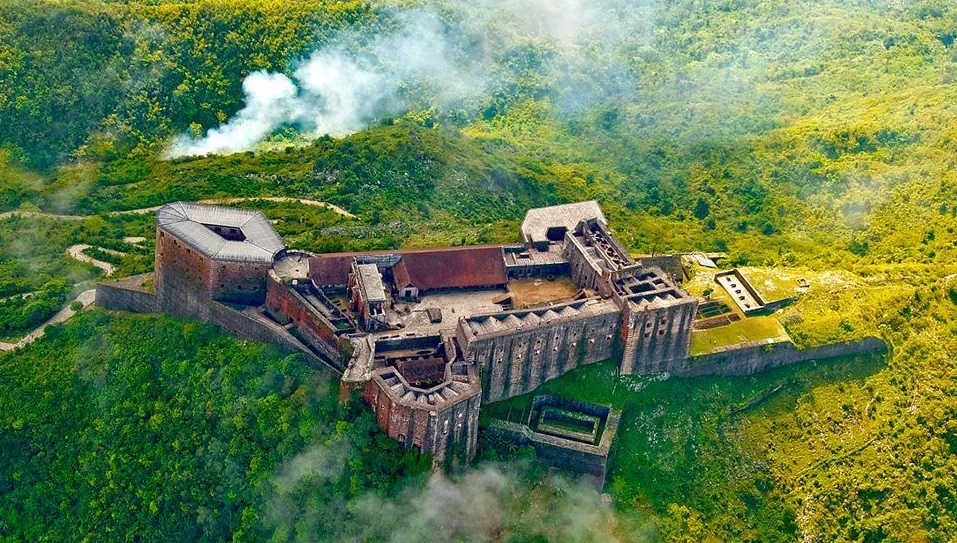
Haïti has a rich historical heritage, including sites like the Citadelle Laferrière and the Sans-Souci Palace, listed as UNESCO World Heritage Sites.

Culture

Culture

Haïti has a rich and diverse culture, influenced by African, European and indigenous elements. Haitian music, dance, art and cuisine are celebrated around the world.

  • +
    • Post