contact@haitiwonderland.com+509 36184317

Discover

Shopping Cart

Haiti: A Unique Destination Combining Tourism and Culture

Haiti: A Unique Destination Combining Tourism and Culture

Haiti, an unknown pearl of the Caribbean, seduces with its cultural richness and breathtaking landscapes. Cradle of a fascinating history and a vibrant cultural identity, this country offers visitors an authentic experience, far from the beaten track.

Haïti
Haïti
Haïti

A Tourism that Marvels

Haiti, with its natural and historical treasures, is an ideal destination for travelers in search of authenticity and discoveries:

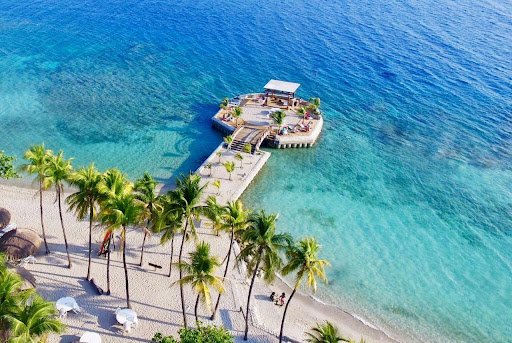
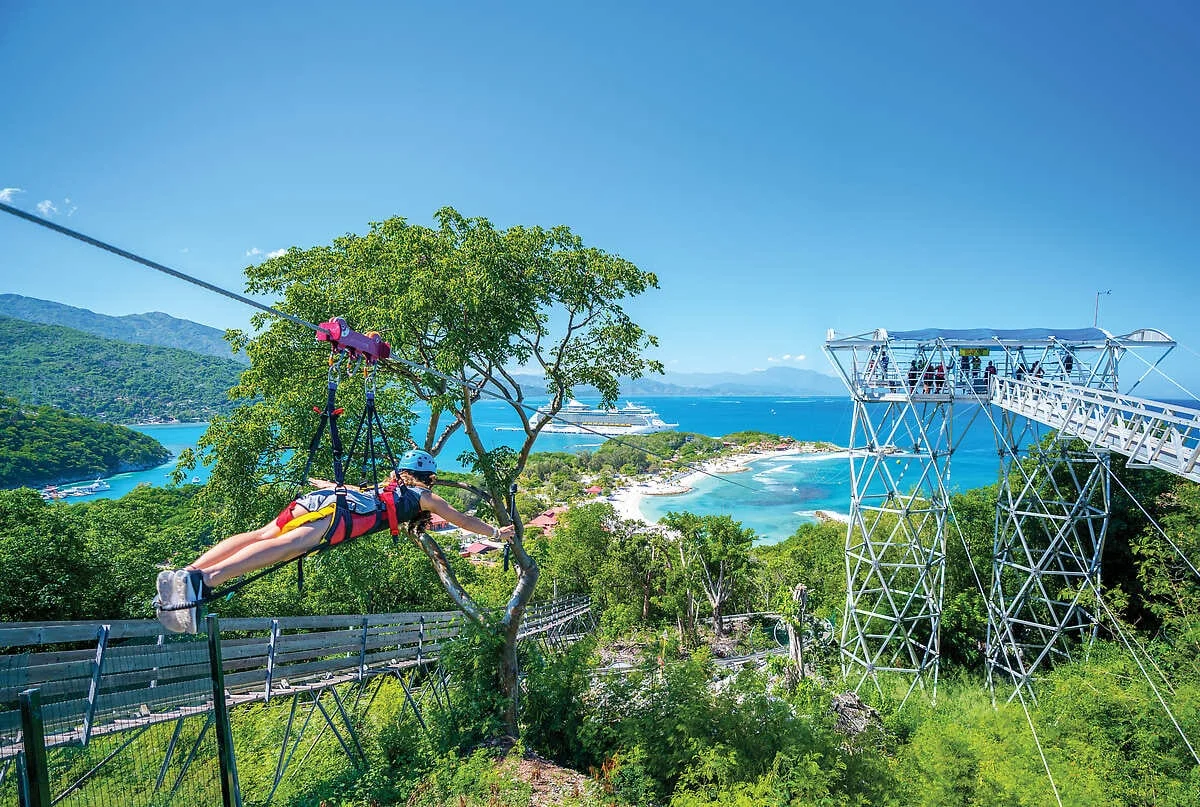
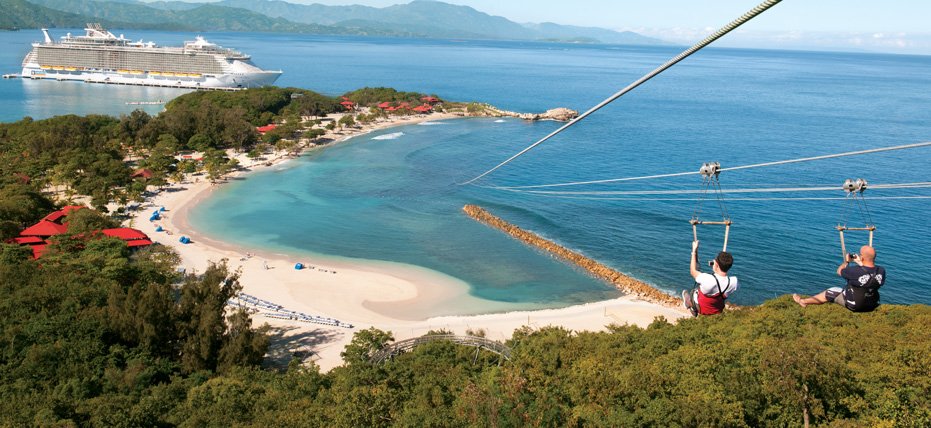
- Dream beaches: With more than 1,500 km of coastline, Haïti is full of magnificent beaches, such as Labadie, ideal for cruise passengers, and Île-à-Vache, a haven of tranquility.
- Historical sites:
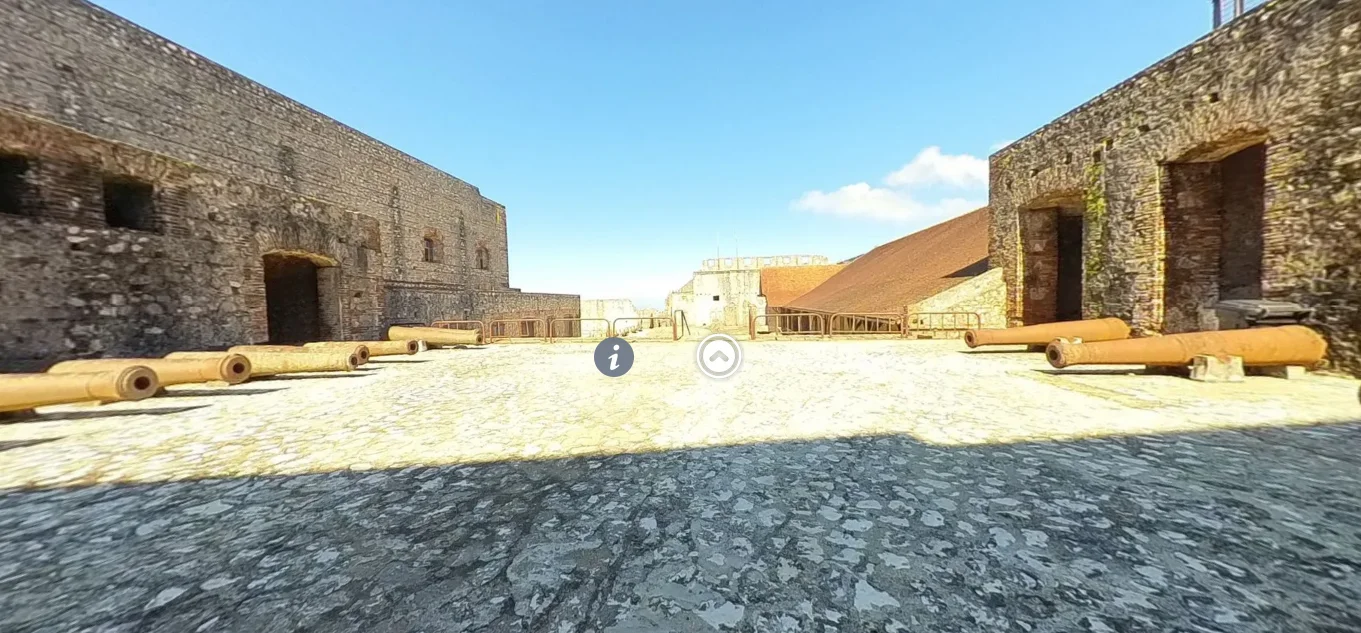
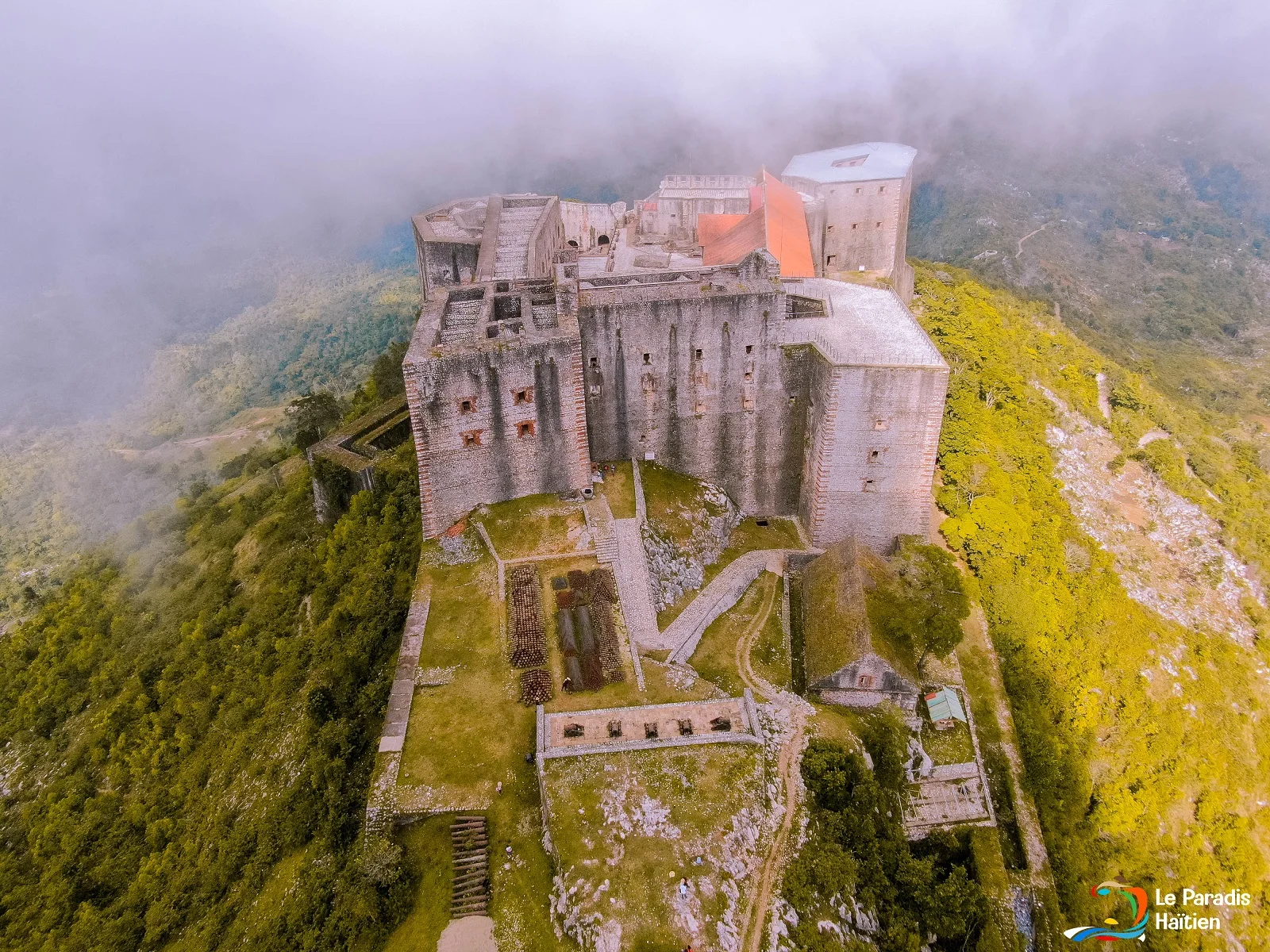
- The Citadelle Laferrière (listed as a UNESCO World Heritage Site), a symbol of freedom, attracts thousands of visitors each year. - The Sans Souci Palace, a vestige of Haiti’s royal era, is an architectural marvel that tells the story of the country’s independence.
- Ecotourism: Haïti offers diverse landscapes, from the verdant mountains of the Massif de la Hotte to spectacular waterfalls like Saut-d’Eau and Bassin Bleu in Jacmel.

Haïti
Haïti
Haïti

A Rich and Vibrant Culture

Haïti is a true cultural melting pot, where every aspect of daily life is imbued with creativity and history.

Arts and Crafts
Haitian art is one of the most famous in the world:
- Naive Painting: Artists like Hector Hyppolite and Préfète Duffaut have made this unique form of expression known.
- Crafts: The metal sculptures of Croix-des-Bouquets and the handmade wooden or straw objects are testament to the exceptional talent of local artisans.

Music and Dance
- Le compas direct, a musical genre created by Nemours Jean-Baptiste, is the soundtrack to many events in Haiti.
- Le rara, traditional street music played during Lenten celebrations, illustrates the festive and spiritual soul of the Haitian people.

Festivities and Ceremonies
Haïti is a country of festivals and traditions:
- The Jacmel Carnival: Its colorful parades and artisanal masks attract visitors from all over the world each year.
- La Fête des Guédés: This voodoo celebration, where residents honor their ancestors, combines spirituality and joie de vivre.

Haïti
Haïti
Haïti

Gastronomy: An Invitation to a Journey of the Senses

Haitian cuisine is an explosion of flavors and colors, with dishes that tell the history and traditions of the country:
- Le griot: Marinated and fried pieces of pork, often served with rice and weighed bananas.
- National rice: Prepared with red peas and local spices.
- Lambi: A seafood specialty that reflects the abundance of the Haitian coast.

Haïti
Haïti
Haïti

Key figures for tourism in Haiti

- Number of visitors: More than 500,000 tourists each year, the majority of whom arrive by cruise ship.
- UNESCO World Heritage Sites: The Citadelle Laferrière and the National Historical Park.
- Natural parks: Haïti has several national parks, including La Visite and Macaya, home to rare species.

Haïti
Haïti
Haïti

Haiti, a Treasure to Rediscover

Beyond the clichés, Haïti is a destination that offers much more than a simple getaway. It is a journey to the heart of a rich and authentic culture, where music, art, gastronomy and history blend to create an unforgettable experience.

Haïti
Haïti
Haïti

The Essence of Haiti

Haïti is an invitation to discovery and wonder. Whether you are drawn to its pristine beaches, historical monuments or unique cultural traditions, this country has everything to seduce curious travelers. Haïti is not just a destination, it is an adventure that touches the soul and leaves a lasting impression.

Share
About the Author
Appolon Guy Alain
Appolon Guy Alain
Appolon Guy Alain

Full Stack Developer, Créatif, expérimenté, passionné des nouvelles technologies et de l’art.

See other articles from Appolon Guy Alain
Leave a comment

Recently Posted

Newsletter

Subscribe to our newsletter to stay informed of all our activities and news on Haiti.

Jean-Jacques Dessalines, leader of the Haitian Revolution

In the annals of the history of Haiti, an island located in the Caribbean at the entrance to the Gulf of Mexico and shared with the Dominican Republic, Jean-Jacques Dessalines emerges like a phoenix from the ashes of oppression. Born a slave on September 20, 1758 in the home of Henri Duclos, in Cormier (Grande-Rivière-du-Nord), in the French colony of Saint-Domingue, Dessalines was a Creole of African (Afro-Caribbean) origin. Freed during the 1794 abolition achieved through slave revolts, actually served as an officer in the French army during the French Revolution. At that time, the ideas of freedom and equality were at the heart of the concerns of the inhabitants of the colonies. Dessalines actively participated in the fighting against the Spanish and British forces, alongside the French, in Santo Domingo. Having risen to the rank of Lieutenant General, Jean-Jacques Dessalines turned against the French during the Leclerc expedition, sent to Saint-Domingue by Bonaparte to reestablish colonial authority and slavery during the Haitian Revolution. After the capture and deportation of Toussaint Louverture to France on June 7, 1802, Dessalines assumed a leading role in continuing the struggle for independence. He led numerous battles, including the battle of Crête-à-Pierrot in March 1802, where he galvanized his soldiers with his famous declaration: “Let those who want to remain slaves of the French leave the fort, let those, on the contrary, who want to die as free men, line up around me.” On January 1, 1804, Jean-Jacques Dessalines achieved the long-awaited goal of independence by proclaiming Haïti as a sovereign nation, becoming the second country in the Americas to gain independence from a colonial power. He became the first leader of the newly formed nation and was named Emperor under the name James I. However, his imperial reign was marked by authoritarian and brutal policies, including the massacre of many white settlers and the redistribution of land to peasants that was in the hands of the generals of the independence army. In addition, he organized the hunt for delinquents in the city while implementing rigorous agrarian policies, considering that they represented a threat to the stability of the nation, these controversial actions caused divisions within Haitian society. Dessalines was assassinated on October 17, 1806 following a plot organized by some of his generals in the Haitian army. His death marked the end of his brief but influential period in power. Despite the controversies surrounding his methods, he is recognized as the main architect of Haiti’s independence and his name was honored in 1903 by being attributed to the Haitian national anthem, La Dessalinienne, composed by Justin Lhérisson.Finally, the great visionary man Jean Jacques Dessalines remains an emblematic figure in the history of Haiti, recognized for his role in the fight for independence and the end of slavery in the region.

Haiti: The History of the World’s First Free Black Nation

Haiti, the pearl of the Antilles, is a Caribbean island with a rich and complex history. However, its special status as the world’s first free black nation gives it a unique place in the annals of history. This small island was the scene of an extraordinary revolution which resulted in independence, thus marking the beginning of a new era for the black community and the abolition of slavery. Let’s delve into the captivating story of the birth of the first black republic, Haiti. b~The colonial era and slavery~b Haiti’s history dates back to the arrival of Europeans in the 15th century, when Christopher Columbus discovered the island. European settlers, mainly Spanish and French, introduced slavery to exploit the island’s resources, including sugar, coffee and cotton. The indigenous Native American population was decimated, paving the way for the massive importation of African slaves. b~The Haitian Revolution~b On August 14, 1791, Haitian slaves rose up against their oppressors, sparking the Haitian Revolution. Under the leadership of iconic figures such as Toussaint Louverture, Jean-Jacques Dessalines and Henri Christophe, the insurgent slaves inflicted defeats on European armies, demonstrating fierce resistance and a desperate quest for freedom. b~The Declaration of Independence and the creation of the Republic of Haiti~b On January 1, 1804, Haïti proclaimed its independence, becoming the world’s first free black nation. This historic declaration symbolized the end of slavery and the triumph of the will of a people determined to live free. The Republic of Haïti was born in struggle and blood, asserting its autonomy in the face of the colonial powers. b~Post-independence challenges~b However, independence did not mean the end of challenges for Haiti. The country had to face external pressure, reparations imposed by France in exchange for recognition of its independence, as well as internal unrest. Despite these obstacles, Haïti strove to build a free and sovereign nation. The story of Haïti is that of a nation that overcame countless challenges to emerge as a pioneer of freedom for the black population. The Haitian Revolution remains a unique example of resistance, courage and determination, and Haïti continues to carry the torch of independence in the contemporary world. The legacy of this small Caribbean island still resonates today, reminding the world that freedom is a universal right that can be won even in the most difficult circumstances.

Living in Prose and Poetry: an unmissable summer event in Port-au-Prince.

Living in Prose and Poetry is an artistic and cultural event organized by the cultural organization Salon de Livre de Port-au-Prince (OCSLPAP) with the aim of bringing together young artists from the Haitian capital to exhibit them to a large audience . This edition will take place on Saturday July 27, 2024, at the pyépoudré cultural center, located at number 332 on the Route de Bourne. This year the organizers announce their mission is to bring together talents from various categories of arts, always with the aim of helping them to become familiar with each other, and to help create a solid link between them and the Haitian public. . The categories targeted by the organizers for this second edition are young poets, slammers, comedians, rappers, dancers, singers, painters, and writers who have already published at least one work. Living in prose and poetry will also be an opportunity to encourage Haitian youth to think. The first part of the event will be devoted to a discussion around a text by the famous Haitian writer Louis Philippe Dalembert, entitled The Other Face of the Sea. It is a novel which carefully addresses the subject of immigration and detachment that goes with it in the immigrant’s skin. It is a book that speaks openly to the reality of the Haitian people today. It has already been announced that this first part will be moderated by the journalist and literary critic Carl Pierrecq who works for the short story writer, and moderation will be provided by Pierre Marie, a young sociology student at the Faculty of Human Sciences (FASCH). After a largely successful first edition which took place in May 2023 in the premises of the municipal library of Delmas, the organizers of living in prose and poetry say they are determined and have made the promise for this year to deliver to the public port-au -princien, a cultural event of exceptional scale for the second outing. Once again, this will be the perfect opportunity to celebrate the great richness of Haitian culture through the organs of our young talents. Given the difficult context, manifested by the almost daily situation of insecurity which has prevailed for some time, in a good part of Port-au-Prince, the announcement of this event comes as a fresh breath of oxygen, scattered throughout the within the lungs of the city. It is yet another opportunity to remind through this artistic festivity that even in times of deep unrest, art will remain an indispensable light, because even in times of crisis, the latter and the artist (its channel of diffusion) will become refuges, sources of comfort and appeasement for all human souls.

Recently Posted

History

History

First black nation to free itself from slavery and gain independence from France in 1804 and influenced other liberation movements around the world, inspiring struggles for freedom and equality.

Natural beauty

Natural beauty

Haïti is blessed with spectacular natural landscapes, including white sand beaches, mountains and rich biodiversity.

Heritage

Heritage

Haïti has a rich historical heritage, including sites like the Citadelle Laferrière and the Sans-Souci Palace, listed as UNESCO World Heritage Sites.

Culture

Culture

Haïti has a rich and diverse culture, influenced by African, European and indigenous elements. Haitian music, dance, art and cuisine are celebrated around the world.

  • +
    • Post