The festival Haïti Monde: When Culture Becomes an Act of Reparation
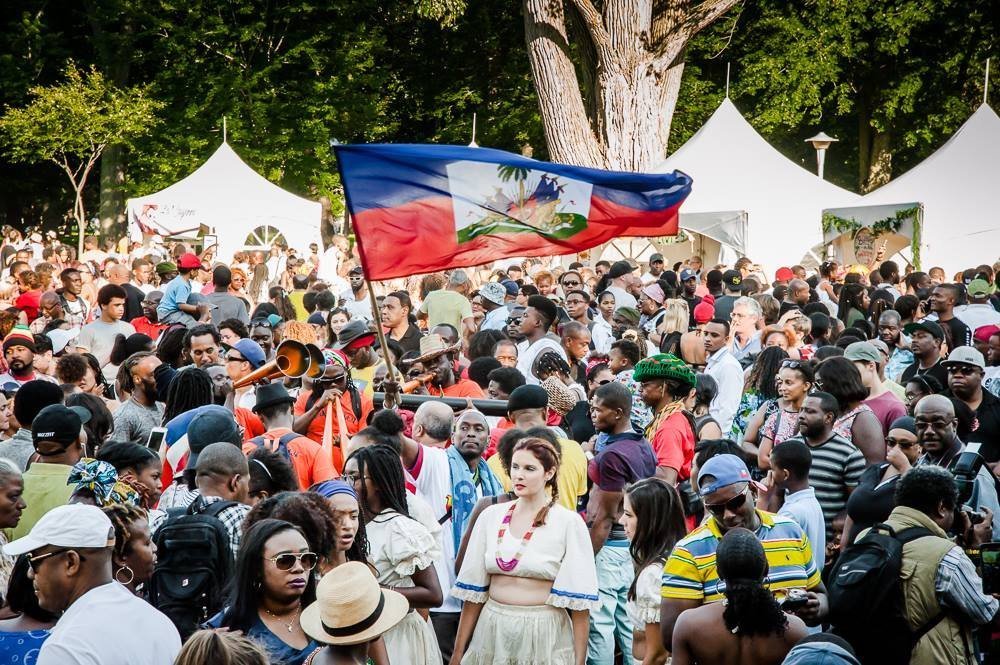
The Haïti Monde Festival is a major cultural event dedicated to promoting Haitian thought, memory, and creativity in the heart of Paris. Led for several years by Haitian intellectual Chadrac Charles and his team, it aims to be a space for expression, transmission, and reflection. In 2025, this fourth edition is organized around a theme that is more relevant than ever: “Repairing the World,” and will take place from June 25 to July 11 in the French capital. Gaël Octavia, winner of the 2025 Goncourt Prize for the short story, will be the guest of honor. Alongside her, other friends of the Haitian cause and powerful voices from the Haitian literary scene will be gathered. Among them: geographer Jean-Marie Théodat, Louis-Philippe Dalembert, Rocé, Mélissa Laveaux, Marie-Yemta Moussanang, Makenzy Orcel, Françoise Vergès, Lyonel Trouillot, Nicolas Idier, Nathania Périclès, Vladimir Delva, Sandra Dessalines, Claude Saturne, Kébert Bastien, Jude Joseph... and many others. A tribute will also be paid to Frankétienne and Anthony Phelps, two giants of Haitian literature who passed away this year.
The world bears wounds across the whole expanse of its body; the wars declared and imposed by the powerful are becoming more and more frequent, and the voices of the weakest have never been so diminished since the end of World War II. This tendency to dominate by force is a serious blow to the reign of humanity. In addition to countless catastrophes, we are also facing a growing climate crisis. Hence the urgent need for healing. In this sense, the festival serves as a reminder and a way to amplify Haiti’s voice alongside the most vulnerable.
This edition follows in a long tradition: that of a country that, as early as 1804, dared to overthrow an unjust global order. Haiti, the first Black republic in the world, not only conquered its own freedom but also stood alongside historical figures like Simón Bolívar in the liberation of Latin America in the early 19th century.
Even though the country is no longer the military force it was at the dawn of its independence, it remains an essential voice in the concert of nations, one that continues to say no to injustice for itself and for others. It is in this spirit that Haïti Monde rises, like a poetic cry against silence.
Poetry as a Universal Language
The organizers remain firm: poetic language is central to all Haitian expression. Because beyond facts, it is poetry that touches, crosses, and unites.
“It is a universal language capable of reaching any part of humanity,” says Chadrac Charles.
And it is indeed with words infused with poetry that he has set the tone of the festival:
“The world has cracked. Oceans are lined with corpses, and mountains are strewn with prayers without echo… We will say Haïti she who demands, in her fractured bones, the possibility of a repaired world…”
This year, as Haitian civil society reexamines the issue of the independence ransom, the festival’s resonance in the French capital takes on particular meaning. It is a responsible act of speech: to speak of Haïti beyond chaos, to honor its memory, and above all, to call for historical justice.
The bicentenary of the 1825 ordinance through which France demanded Haïti pay an exorbitant indemnity as the price of its freedom will be highlighted throughout the festival. This moment, described as a “builder of misfortune,” will be explored from various perspectives.
Can it be overcome without reparations? Can it be repaired without restitution?
To repair with words, to dream despite the ruins.
In a world still plagued by inequalities and domination, this edition of Haïti Monde will stand as a manifesto for justice, centered on the idea of reparation through culture.
To Write, to Speak, to Listen: these are the weapons of peaceful resistance that will be showcased by the organizing team.
“To repair the world is to believe that literature, fragile and stubborn, can still carry the voices of the damned, the dreams of the enslaved, the hopes of wanderers standing in the night...”
According to Chadrac Charles and he is absolutely right.
First black nation to free itself from slavery and gain independence from France in 1804 and influenced other liberation movements around the world, inspiring struggles for freedom and equality.
Natural beauty
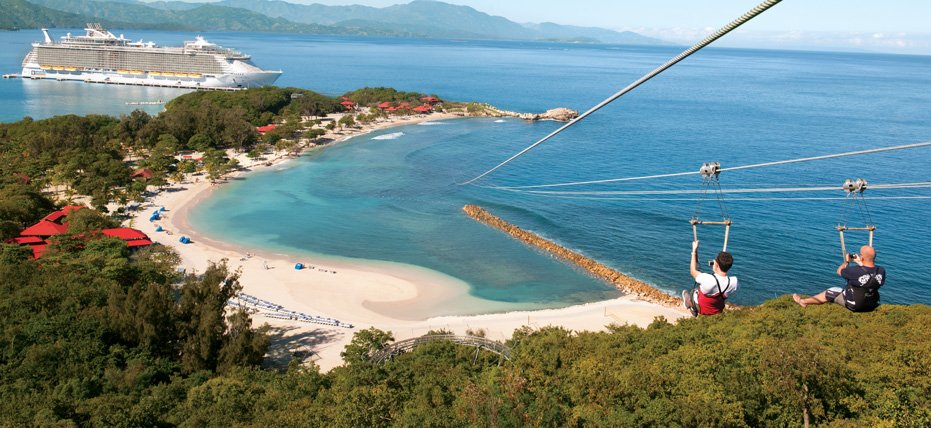
Haïti is blessed with spectacular natural landscapes, including white sand beaches, mountains and rich biodiversity.
Heritage
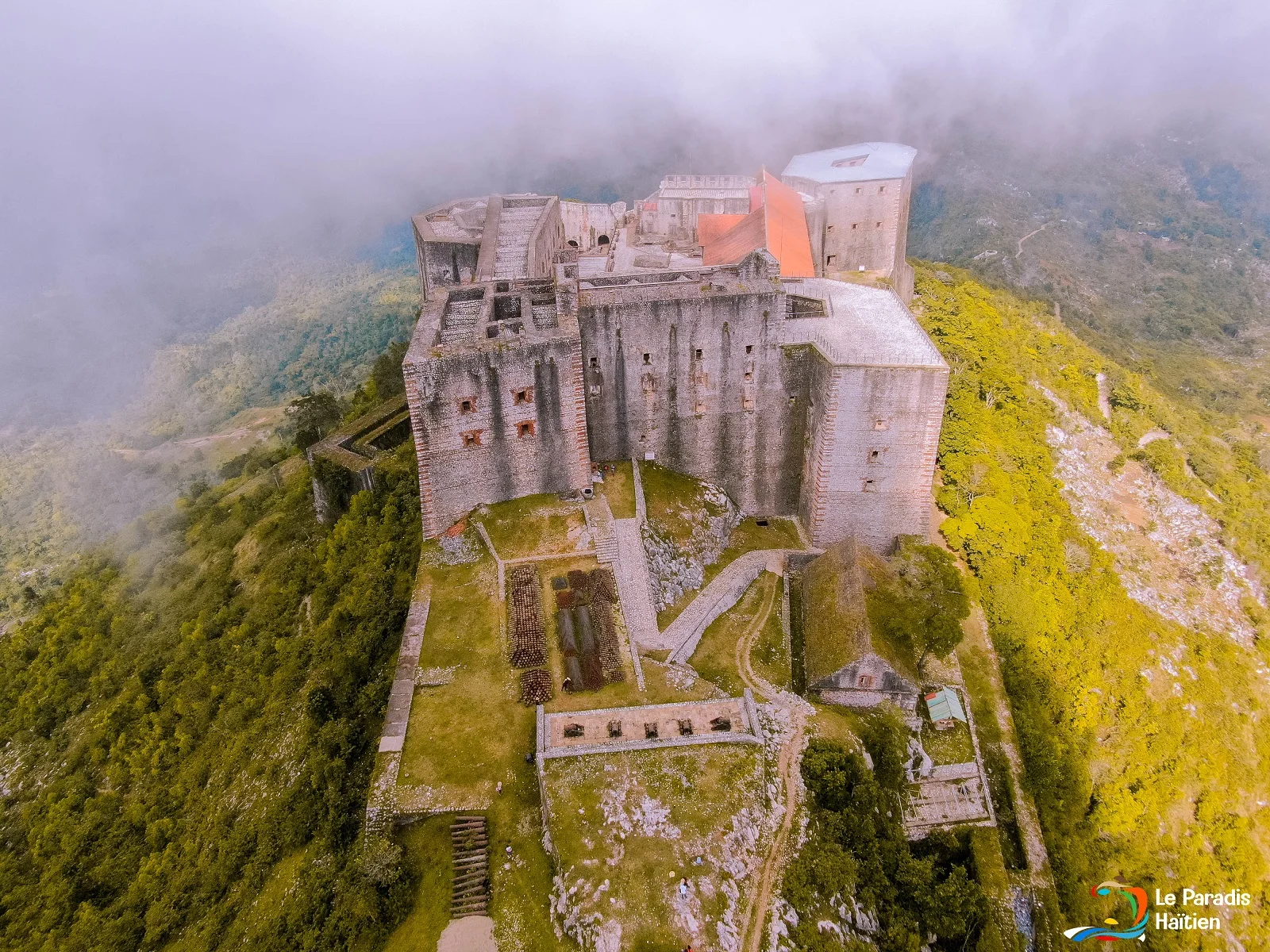
Haïti has a rich historical heritage, including sites like the Citadelle Laferrière and the Sans-Souci Palace, listed as UNESCO World Heritage Sites.
Culture
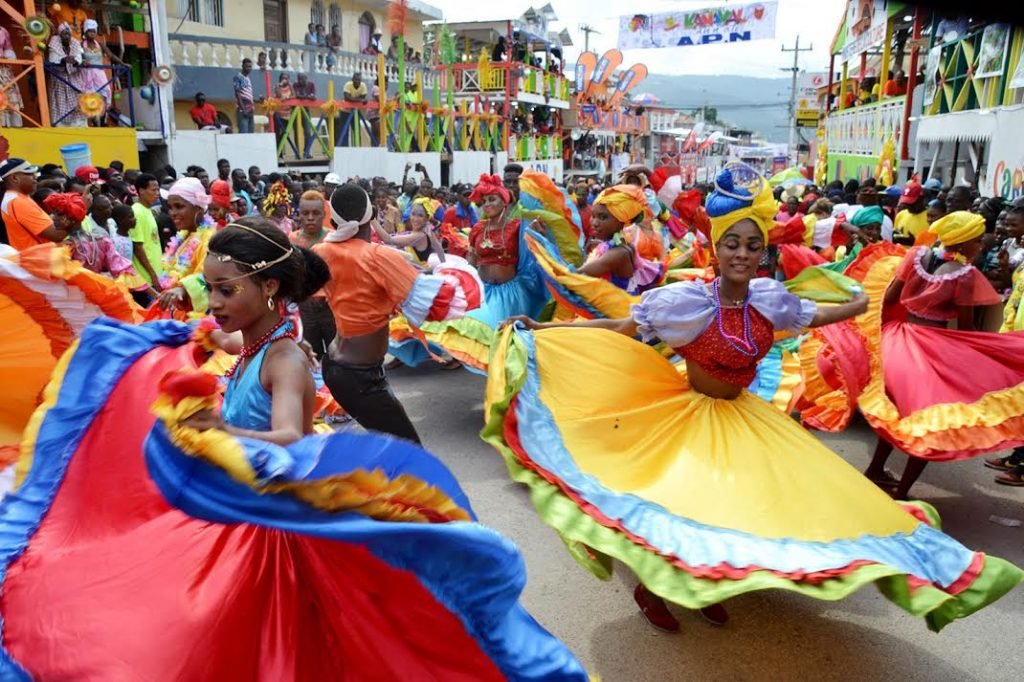
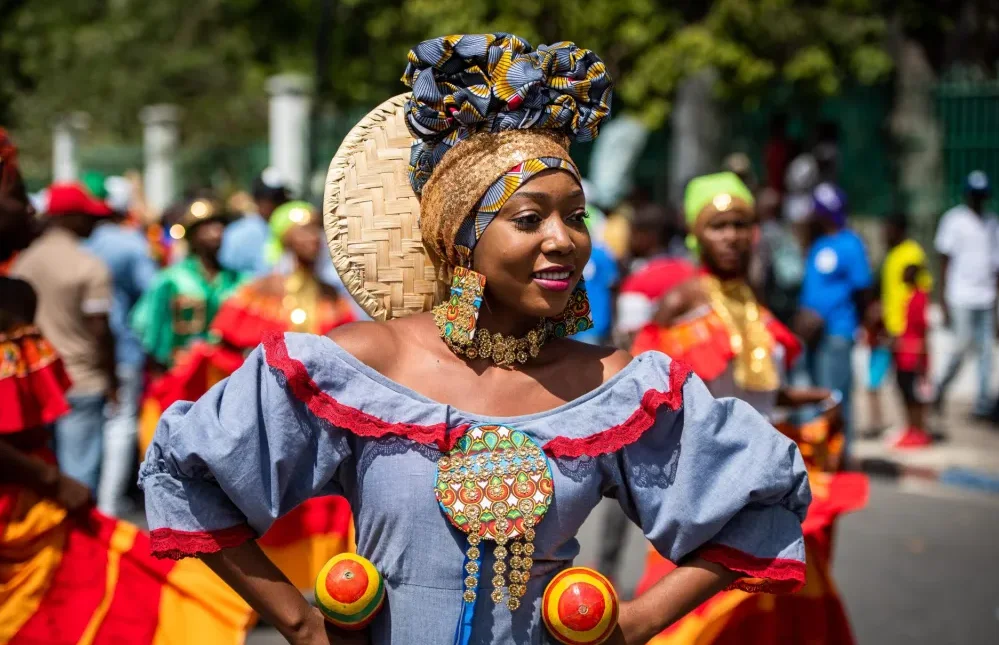
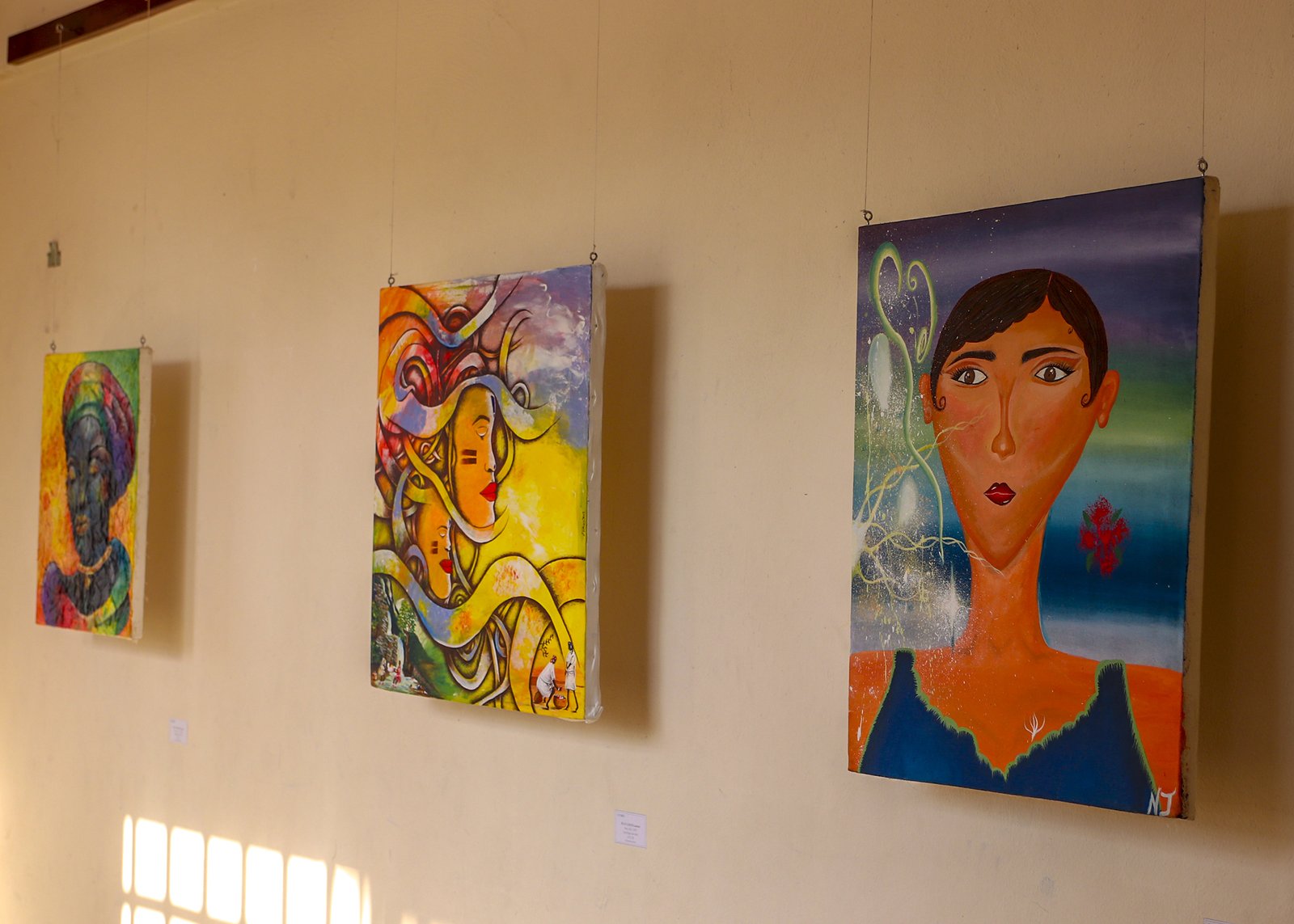
Haïti has a rich and diverse culture, influenced by African, European and indigenous elements. Haitian music, dance, art and cuisine are celebrated around the world.