contact@haitiwonderland.com+509 36184317

Discover

Shopping Cart

Jacmel Carnival 2026: A major showcase of Haitian cultural creativity

Jacmel Carnival 2026: A major showcase of Haitian cultural creativity

Discover the Jacmel Carnival 2026, a jewel of Haitian culture, celebrating the country's creativity and authenticity! Follow us so you don't miss anything!

The 2026 edition of the Jacmel Carnival took place in a festive and structured atmosphere, marked by a large public turnout and an organization praised by cultural authorities. According to a statement from the Ministry of Culture and Communication (MCC), the event was a success thanks to the exemplary mobilization of local cultural stakeholders and the institutional support of the State. Held under the theme "Jacmel in our dreams," this edition once again confirmed the central role of the city of Jacmel in promoting Haitian artistic and cultural heritage.

Haïti
Haïti
Haïti

A successful organization with the support of the Ministry

The Ministry of Culture and Communication highlights the quality of the organization put in place for this 2026 edition. The logistical, security, and artistic arrangements ensured the smooth running of the carnival activities, respecting the traditional spirit of the event. This success is the result of close collaboration between local authorities, organizers, and national cultural institutions.

Haïti
Haïti
Haïti

Jacme’s creative genius in the spotlight

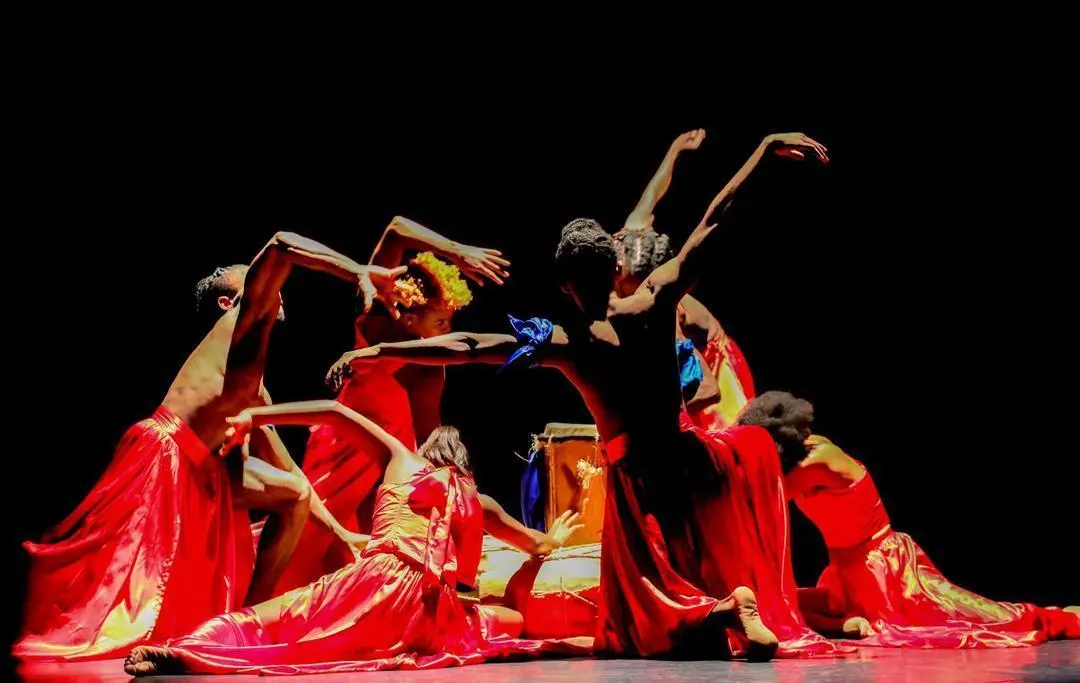
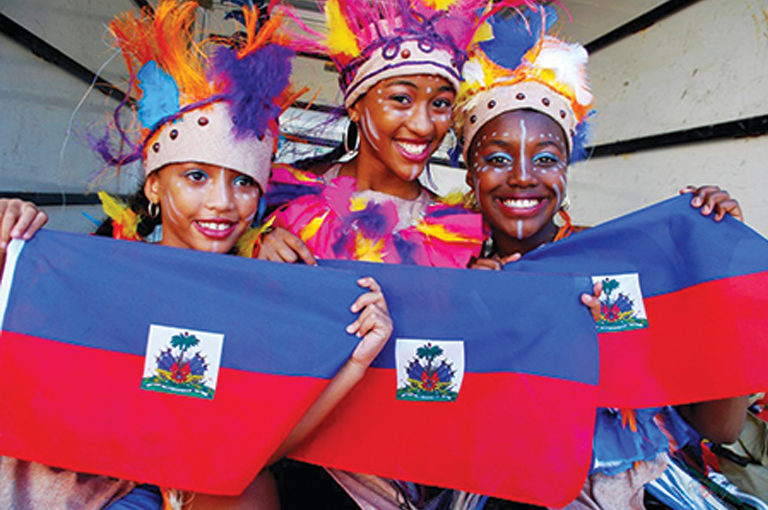
The carnival served as a true showcase for Haitian creative genius, particularly highlighting the talent of Jacme’s artisans. The famous papier-mâché masks, emblems of the Jacmel Carnival, once again captivated the public with their originality, finesse, and symbolic significance, testifying to an ancestral know-how passed down from generation to generation. Dances, costumes, and artistic expression: Dance troupes, brass bands, and cultural groups offered remarkable performances, illustrating the richness and diversity of local artistic expression. The costumes, with their vibrant colors and bold shapes, contributed to creating a unique atmosphere where tradition and modernity harmoniously met. Jacmel, a pillar of national cultural heritage: Through this 2026 edition, Jacmel confirms its unique place in the Haitian cultural landscape. The Ministry of Culture and Communication reaffirms its commitment to supporting initiatives aimed at preserving, promoting and revitalizing local cultural expressions, making the Jacmel Carnival an essential lever for cultural and identity influence for the country.

Share
About the Author
Moise Francois
Moise Francois
Moise Francois

Journalist editor, poet and apprentice lawyer.

See other articles from Moise Francois
Leave a comment

Recently Posted

Newsletter

Subscribe to our newsletter to stay informed of all our activities and news on Haiti.

Haiti: The History of the World’s First Free Black Nation

Haiti, the pearl of the Antilles, is a Caribbean island with a rich and complex history. However, its special status as the world’s first free black nation gives it a unique place in the annals of history. This small island was the scene of an extraordinary revolution which resulted in independence, thus marking the beginning of a new era for the black community and the abolition of slavery. Let’s delve into the captivating story of the birth of the first black republic, Haiti. b~The colonial era and slavery~b Haiti’s history dates back to the arrival of Europeans in the 15th century, when Christopher Columbus discovered the island. European settlers, mainly Spanish and French, introduced slavery to exploit the island’s resources, including sugar, coffee and cotton. The indigenous Native American population was decimated, paving the way for the massive importation of African slaves. b~The Haitian Revolution~b On August 14, 1791, Haitian slaves rose up against their oppressors, sparking the Haitian Revolution. Under the leadership of iconic figures such as Toussaint Louverture, Jean-Jacques Dessalines and Henri Christophe, the insurgent slaves inflicted defeats on European armies, demonstrating fierce resistance and a desperate quest for freedom. b~The Declaration of Independence and the creation of the Republic of Haiti~b On January 1, 1804, Haïti proclaimed its independence, becoming the world’s first free black nation. This historic declaration symbolized the end of slavery and the triumph of the will of a people determined to live free. The Republic of Haïti was born in struggle and blood, asserting its autonomy in the face of the colonial powers. b~Post-independence challenges~b However, independence did not mean the end of challenges for Haiti. The country had to face external pressure, reparations imposed by France in exchange for recognition of its independence, as well as internal unrest. Despite these obstacles, Haïti strove to build a free and sovereign nation. The story of Haïti is that of a nation that overcame countless challenges to emerge as a pioneer of freedom for the black population. The Haitian Revolution remains a unique example of resistance, courage and determination, and Haïti continues to carry the torch of independence in the contemporary world. The legacy of this small Caribbean island still resonates today, reminding the world that freedom is a universal right that can be won even in the most difficult circumstances.

Haïti / Fort Saint-Joseph: Historical Vestige of the Resistance

Located in the Bay of Cap-Haitien, Fort Saint-Joseph stands like a silent guardian of Haiti’s tumultuous history. Built in two stages, in 1748 and 1774, this defensive work was once a crucial element of the city’s protection system against French colonial assaults. Alongside other forts such as Picolet and Magny, its mission was to control maritime passages and defend Haitian sovereignty. However, its history is not limited to its defensive function. In 1802, then under the control of General Henry Christophe, the fort became the scene of a heroic act of resistance. Faced with the French expeditionary army, Christophe ordered the destruction of the powder magazine and the entrance gate to the fort, thus rendering it temporarily unusable. This courageous gesture, although tactical, left indelible scars on the very structure of the fort, testifying to the fierce clashes between French colonial forces and Haitian resistance fighters. These historic marks, still visible today, offer a window into the country’s tumultuous past. They allow visitors and historians to interpret the fierce struggles that forged Haitian identity. Fort Saint-Joseph, as a witness to the resistance and the struggle for freedom, embodies the indomitable spirit of the Haitian people. Recognizing its historical significance, the Haitian government officially classified Fort Saint-Joseph as national heritage in 1995. This recognition paved the way for restoration efforts aimed at preserving this precious vestige of Haitian military heritage. Thanks to collaboration between the public sector and local private funding, the fort has recently been restored and enhanced. Thus, Fort Saint-Joseph remains much more than a simple stone structure. It is a living symbol of the resilience and determination of the Haitian people, reminding all visitors that Haiti’s history is deeply rooted in the struggle for freedom and human dignity. To virtually discover this jewel of Haitian history, you can visit the following link: https://haitiwonderland.com/haiti-virtual-reality-ht/monuments-histoire/haiti--fort-saint-joseph--visite- virtual/11

Recently Posted

History

History

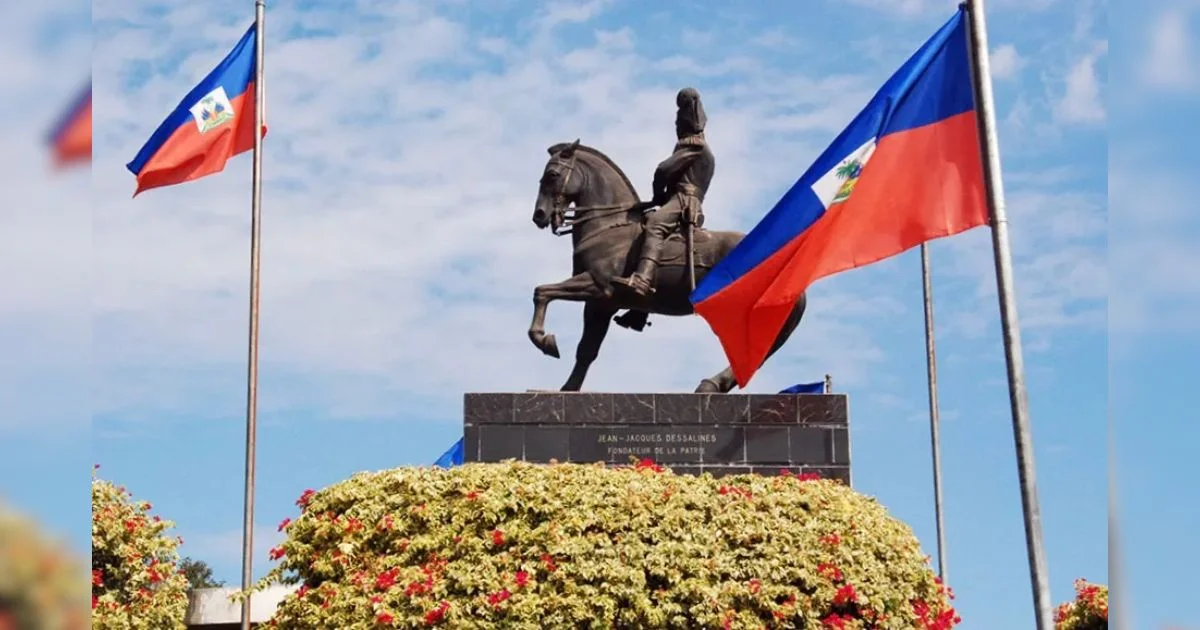
First black nation to free itself from slavery and gain independence from France in 1804 and influenced other liberation movements around the world, inspiring struggles for freedom and equality.

Natural beauty

Natural beauty

Haïti is blessed with spectacular natural landscapes, including white sand beaches, mountains and rich biodiversity.

Heritage

Heritage

Haïti has a rich historical heritage, including sites like the Citadelle Laferrière and the Sans-Souci Palace, listed as UNESCO World Heritage Sites.

Culture

Culture

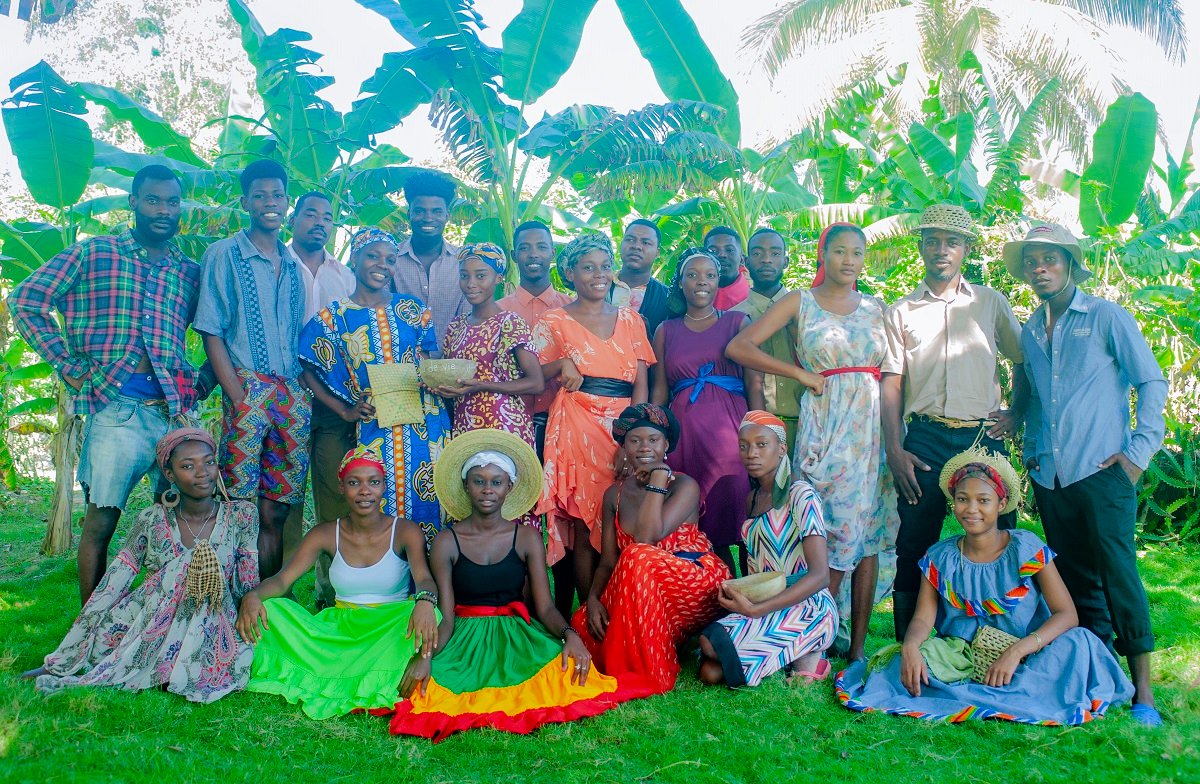
Haïti has a rich and diverse culture, influenced by African, European and indigenous elements. Haitian music, dance, art and cuisine are celebrated around the world.

  • +
    • Post