contact@haitiwonderland.com+509 36184317

Discover

Shopping Cart

Le Soup Joumou Haïtien, un plat symbolique et une invitation au voyage culinaire

Le Soup Joumou Haïtien, un plat symbolique et une invitation au voyage culinaire

Le soup joumou haïtien est bien plus qu’un simple plat traditionnel. Il incarne une histoire de résistance, de liberté et de culture, et représente un élément clé de l’identité haïtienne. Au-delà de sa signification symbolique, il offre aussi aux voyageurs un moyen unique de découvrir les richesses de la gastronomie haïtienne. Dans cet article, nous explorerons l’importance historique du soup joumou, ses caractéristiques culinaires, ainsi que son rôle en tant que moteur du tourisme gastronomique en Haïti.

Un Plat Chargé d’Histoire

Le soup joumou, ou soupe de citrouille, est étroitement lié à l’histoire de l’indépendance d’Haïti. Ce plat était traditionnellement réservé aux colons français pendant la période coloniale. Les esclaves africains, privés de ce mets, n’en avaient qu’une version réduite et souvent moins nourrissante. Le 1er janvier 1804, après la victoire des esclaves sur les troupes françaises et la proclamation de l’indépendance d’Haïti, le soup joumou devint un symbole de la liberté retrouvée. Depuis ce jour, chaque année, le 1er janvier, les Haïtiens célèbrent leur indépendance en dégustant ce plat, une tradition qui perdure et qui est au cœur des festivités nationales.

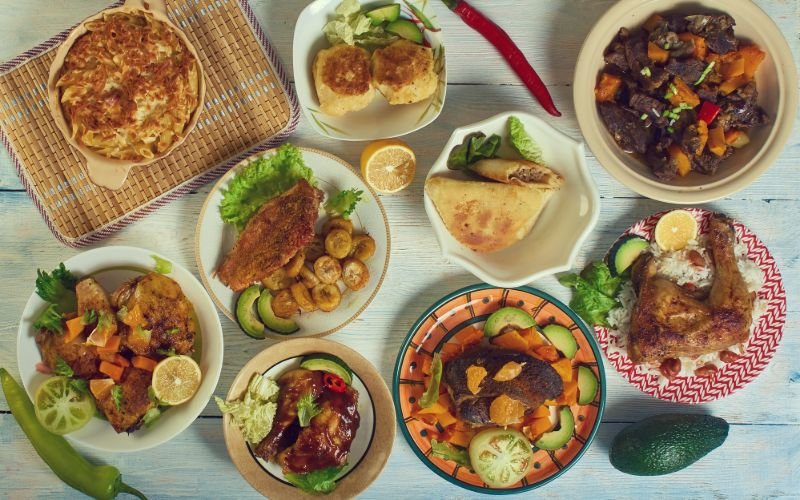
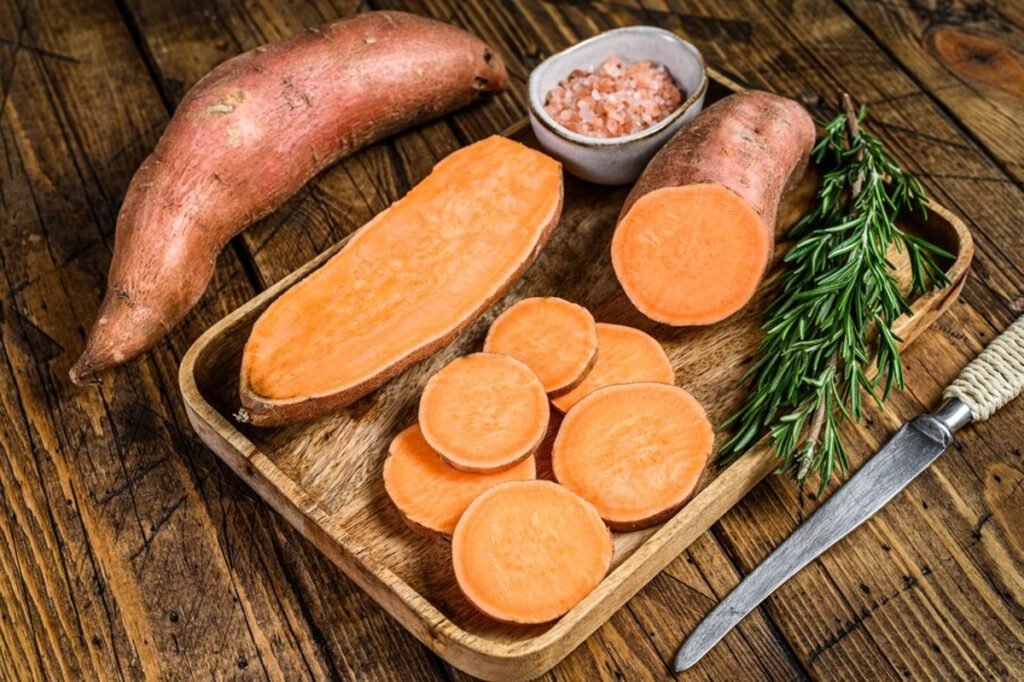
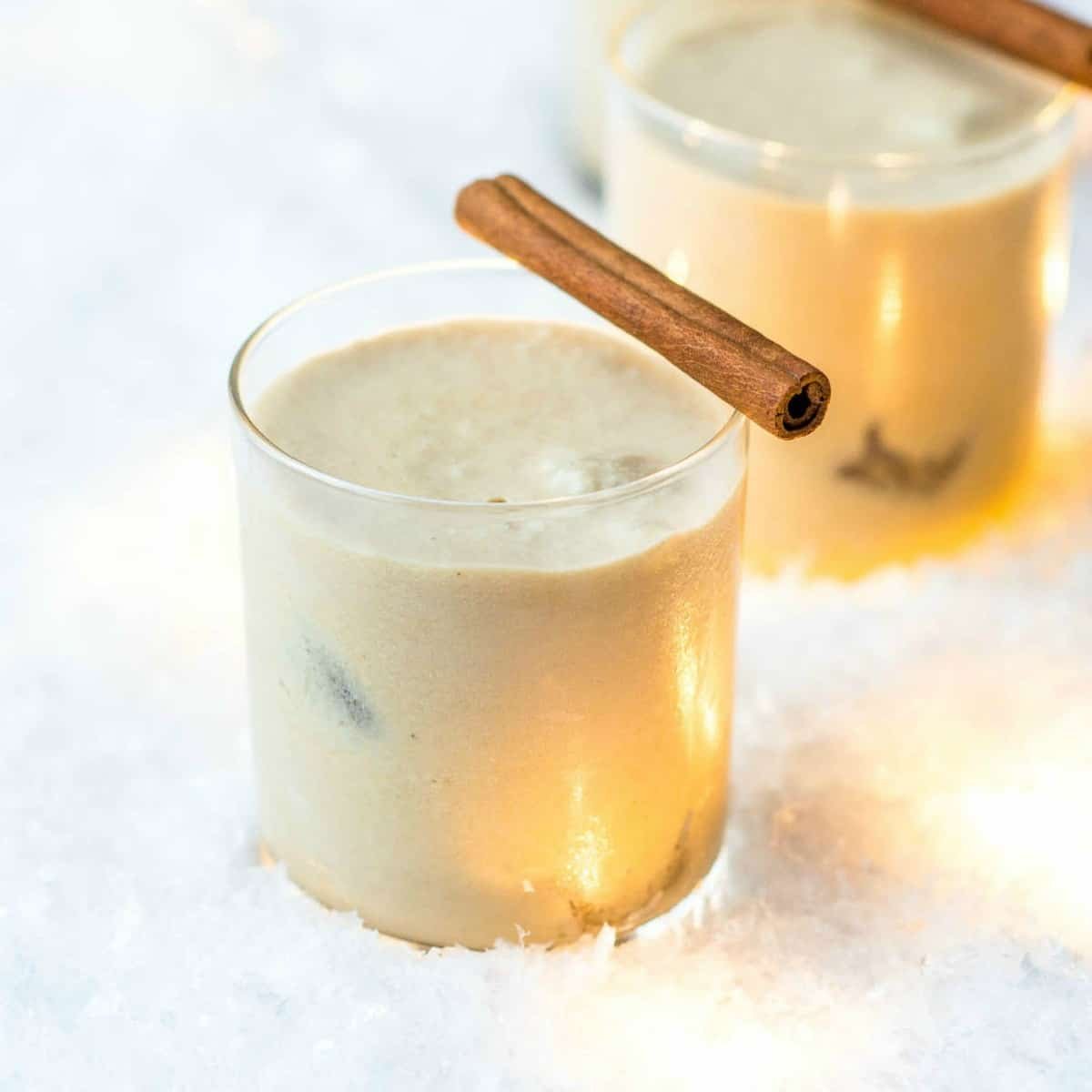
Le soup joumou est une soupe riche et savoureuse, composée d’ingrédients variés qui reflètent la diversité des influences culturelles qui ont façonné Haïti. L’ingrédient principal est la citrouille, ou joumou, qui donne à la soupe sa couleur orangée et sa texture veloutée. À cela s’ajoutent des légumes comme les carottes, les pommes de terre, le céleri, l’oignon et l’ail, ainsi que des épices qui renforcent la richesse du goût, telles que le thym, le clou de girofle et le piment. La viande, généralement du boeuf, du poulet ou parfois du porc, ajoute de la profondeur au plat. L’ajout de pâtes, souvent des petites pâtes en forme de lettres ou de petites boules, complète la soupe et en fait un plat consistant.

Cette recette est un exemple parfait de la fusion des saveurs africaines, françaises et indigènes qui caractérisent la cuisine haïtienne. Chaque bouchée raconte l’histoire de la résistance et de l’adaptation à travers les siècles, une histoire qui résonne profondément dans chaque Haïtien et dans tous ceux qui découvrent ce plat.


Visiter Haïti et goûter au soup joumou ne se limite pas à une simple expérience gustative. C’est un voyage dans le temps et dans la culture d’un peuple. Dans les villes et villages, les restaurants et les foyers offrent cette soupe comme un hommage à la mémoire historique et un moyen de préserver les traditions. En Haïti, le soup joumou est souvent servi lors de grands rassemblements familiaux ou communautaires, notamment lors de célébrations nationales ou de fêtes de fin d’année. Il est aussi un plat qui se partage, symbolisant la solidarité et la convivialité.

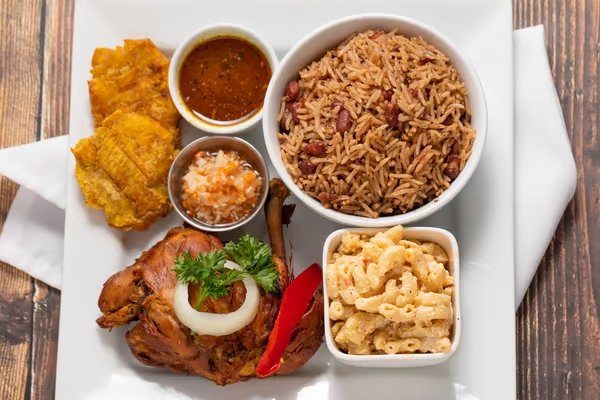
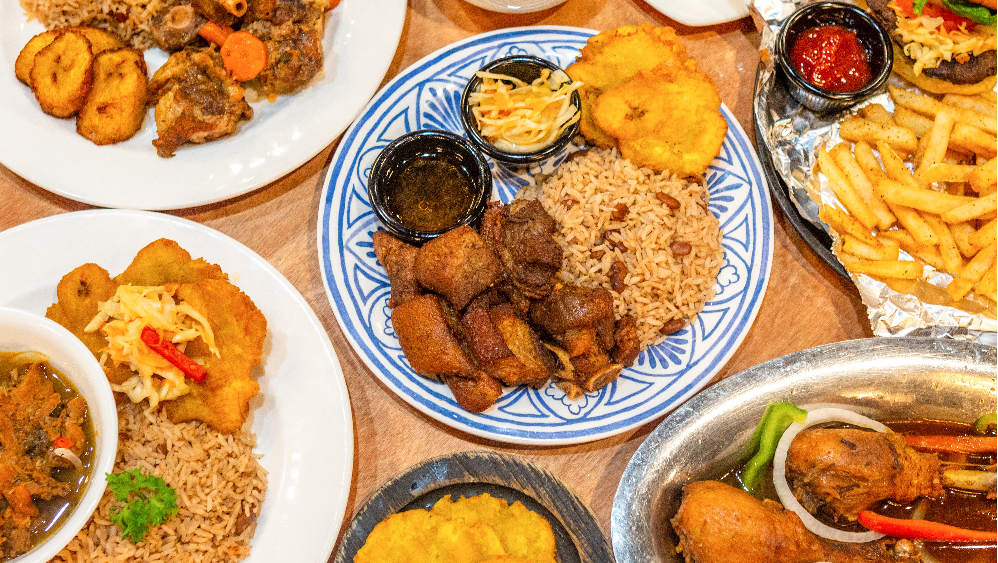
Pour les voyageurs, déguster un soup joumou sur place permet de se connecter à l’âme d’Haïti, de comprendre ses luttes et ses victoires, mais aussi de découvrir la générosité de sa cuisine. Plusieurs restaurants à Port-au-Prince, Jacmel, Cap-Haïtien et dans d’autres villes proposent ce plat, souvent accompagné de pâté en croute ou de grilled chicken haïtien, pour un festin authentique.
Le Soup Joumou et le Tourisme Culinaire

Le tourisme culinaire est en plein essor à travers le monde, et Haïti commence à se positionner comme une destination intéressante pour les amateurs de gastronomie. Les voyageurs viennent en Haïti non seulement pour son histoire, ses plages paradisiaques et ses montagnes spectaculaires, mais aussi pour découvrir la richesse de sa cuisine, avec en tête d’affiche le *soup joumou*.

Les voyageurs qui cherchent à comprendre la culture d’un pays à travers sa cuisine peuvent se rendre dans des restaurants locaux où des chefs spécialisés dans la cuisine haïtienne transmettent les secrets de ce plat emblématique. De plus, les visiteurs peuvent participer à des ateliers culinaires qui leur permettent d’apprendre à préparer leur propre *soup joumou*, une expérience immersive qui les rapproche davantage de la culture haïtienne.

Certains circuits touristiques incluent également des visites de fermes locales où les ingrédients du soup joumou sont cultivés. Cela permet aux voyageurs de voir de près l’origine des produits utilisés dans ce plat, et d’en apprendre davantage sur l’agriculture durable en Haïti.

Le soup joumou symbolise la résilience du peuple haïtien face à l’oppression et sa capacité à transformer une situation de privation en un symbole de liberté et de fierté nationale. Pour les Haïtiens, ce plat est un lien vivant avec le passé, mais il est aussi un levier pour l’avenir, en particulier dans le secteur touristique.

En tant que produit culturel emblématique, le soup joumou joue un rôle important dans la stratégie de développement du tourisme en Haïti. En mettant en avant la cuisine haïtienne, et en particulier ce plat, le pays a l’opportunité de se faire connaître davantage sur la scène internationale tout en célébrant son identité et son histoire. De plus, cette dimension gastronomique du tourisme peut générer des retombées économiques pour les producteurs locaux et les petites entreprises qui sont en lien direct avec la chaîne de production de la cuisine traditionnelle haïtienne.

Le soup joumou est bien plus qu’un simple plat: il est un symbole de l’indépendance, de la culture et de la résilience du peuple haïtien. Pour les touristes en quête d’une expérience authentique, ce plat est une porte d’entrée vers la découverte d’une culture riche et profonde. En dégustant un *
soup joumou, les visiteurs ne savourent pas seulement un mets délicieux, ils participent à un acte de mémoire collective, d’héritage et de célébration de la liberté. Ainsi, le soup joumou n’est pas seulement une expérience culinaire, c’est un voyage dans le cœur de l’âme haïtienne.

Share
About the Author
Faïly Anderson Trazil

    Medical student, software developer, UX/UI designer, and web writer.
    Driven by a deep passion for writing and digital innovation.

    Email: failyandersontrazil@gmail.com

    See other articles from Faïly Anderson Trazil
    Leave a comment

    Recently Posted

    Here are five compelling reasons why you should definitely visit Haiti’s beaches

    1- Abaka Bay (Île-à-Vache): Start your Haitian adventure with the magnificent Abaka Bay, recently named one of the most beautiful beaches in the world by CNN. Located on the enchanting island of Île à Vache, this bay offers a pristine white sand beach and calm Caribbean waters, framed by lush green hills. Abaka Bay Resort offers a truly exclusive and secluded experience, with bungalows located directly on the beach, offering panoramic views and direct access to the fine sand and crystal clear sea. The dining options are equally impressive, with one restaurant offering breathtaking ocean views and epic sunsets. To get to Île à Vache, simply take a 15-20 minute boat ride from Les Cayes, located off the southern coast of Haiti. 2- Île à Rat (Amiga Island): As soon as you set foot on Île à Rat (also known as Amiga Island), this little slice of paradise will steal your heart. Its smooth white sand beach immediately catches the eye, while gentle waves create a dreamy oasis against the pearly shore. Located in the turquoise waters off the coast of Plaine du Nord in northern Haiti, Île à Rat is a 1.8 hectare piece of white coral covered in a small wild forest. The island is a peaceful retreat, especially for couples looking for a serene getaway. To get to Île à Rat, you can take one of the many water taxis waiting in Labadee, a 30-minute drive from Cap-Haïtien. Keep in mind that the island is uninhabited, so it is important to bring everything you need for a comfortable stay, including drinking water. 3- Côtes des Arcadins: Nestled north of the bay of Port-au-Prince, Côtes des Arcadins stretches over 19 kilometers of white sand beaches lined with palm trees, making it one of the most popular seaside destinations from Haiti. The combination of the deep blue sea, mountains, mangrove forests and the coral reef formed by the Arcadins islets creates a breathtaking spectacle. It is also a great place for divers. To get there, follow the road north of the bay of Port-au-Prince. You will be amazed by the natural beauty of this region. 4- Plage de Gelée: This beach is one of the most popular thanks to its crystal clear waters and soft sand, all with a pastoral landscape in the background. If you are looking for a place to relax and soak up the sun, Gelée Beach is a great choice. 5- Jacmel Beach: Although swimming is not recommended here, Jacmel Beach is famous for its picturesque charm and artistic atmosphere. It is located in the historic town of Jacmel, known for its lively carnival and colorful houses. Explore the beach, admire the architecture and soak up Haitian culture. Don’t forget your swimsuit and sunscreen, and enjoy these hidden treasures of Haiti! 🏖️☀️

    Newsletter

    Subscribe to our newsletter to stay informed of all our activities and news on Haiti.

    Haïti / Ganthier: I Let You In, an Ode to Modern Relationships by Igens VIL

    The Meaning of the Essence of Love The commune of President Boniface Alexandre and Martial CELESTIN produces a talented artist. Yes, Ganthier stands out as one of its best representatives on the international scene. "I Let You In" is a title that lays bare the complexity of heterogeneous relationships around the world. This opus, both provocative and touching, awakens the mind, body and soul. I am deeply moved by the way in which the artist Igens VIL, a true emblematic figure of Ganthier, evokes intense emotions and provokes reflection on the issues of contemporary romantic relationships. Each verse of this composition, co-written with Dayvin Kaponda, contains profound messages about tolerance towards others, our aspirations and ambitions, the true foundations of authentic love. It is the very essence of life. Despite the tumults of daily life and the inevitable misunderstandings in human relationships, he reminds us that “in my life, there is always a me; I have tried everything. Even if it means taking a step back, I am ready to do it. And if it means, I will get down on my knees”. The singer, who spent a large part of his adolescence in Galette-Chambon, the first communal section of the commune of Ganthier, is now active in the French music industry. He eloquently and skillfully addresses the complex triangle of sentimental relationships: sacrifice, tolerance and communication. This remarkable work deserves to be heard everywhere; it inspires faith, reflection and action. Gensbe, known as Igens VIL, deserves awards for this song. Guitarist, singer, composer and academic in France, he embodies a rare mix of talents for a young Haitian engaged in these demanding fields that require time, sacrifice and a lot of energy. Today, Gensbe is at his peak and never gives up. More songs are in the works for you, dear listeners. Subscribe to Gensbe on YouTube and other platforms. He is without a doubt one of the best Haitian artists among the big international names. I’ll let you in.

    Bassin Bleu in Jacmel: The Ultimate Natural Retreat in Southeast Haiti

    Nestled in the picturesque coastal town of Jacmel, in southeastern Haiti, Bassin Bleu is a true haven of tranquility in the heart of nature. Its crystal-clear blue waters and imposing rock formations make it a breathtakingly beautiful site, attracting travelers from around the world in search of escape and discovery. The sparkling turquoise waters of Bassin Bleu offer a feast for the eyes, inviting visitors to relax and rejuvenate in this idyllic setting. Whether swimming in its refreshing waters or lounging on its lush green banks, this natural oasis provides a welcome escape from the hustle and bustle of daily life. Surrounded by lush tropical vegetation, Bassin Bleu is home to exceptional biodiversity, with a multitude of unique plants and animals to discover. Hiking enthusiasts can venture along winding trails that meander through the surrounding forest, offering spectacular views of this pristine landscape. As a tourist destination, Bassin Bleu also offers economic development opportunities for local communities. By promoting sustainable tourism, it contributes to job creation, infrastructure development, and the promotion of local culture. Moreover, by raising awareness among visitors about the importance of preserving this fragile natural environment, tourism plays an essential role in its long-term conservation. Bassin Bleu in Jacmel is much more than just a tourist attraction: it is a true natural treasure to be preserved and appreciated. With its stunning natural beauty, remarkable biodiversity, and sustainable development opportunities, this magical place offers an authentic experience for travelers seeking moments of tranquility in the heart of nature.

    Recently Posted

    History

    History

    First black nation to free itself from slavery and gain independence from France in 1804 and influenced other liberation movements around the world, inspiring struggles for freedom and equality.

    Natural beauty

    Natural beauty

    Haïti is blessed with spectacular natural landscapes, including white sand beaches, mountains and rich biodiversity.

    Heritage

    Heritage

    Haïti has a rich historical heritage, including sites like the Citadelle Laferrière and the Sans-Souci Palace, listed as UNESCO World Heritage Sites.

    Culture

    Culture

    Haïti has a rich and diverse culture, influenced by African, European and indigenous elements. Haitian music, dance, art and cuisine are celebrated around the world.

    • +
      • Post