contact@haitiwonderland.com+509 36184317

Discover

Shopping Cart

Sweet Potatoes in Haiti: Different Ways to Consume Them

Sweet Potatoes in Haiti: Different Ways to Consume Them

Sweet potatoes, often considered a superfood, are not only delicious but also rich in nutrients. In addition to their versatility, sweet potatoes can be prepared in a multitude of ways, making them a popular ingredient in many cuisines.

Roasted Sweet Potatoes: A Caramelized and Crispy Flavor

One of the simplest and most popular ways to consume sweet potatoes is roasting them. Cutting them into cubes or fries, then seasoning them with olive oil, salt, and spices, creates a savory dish that can accompany almost any meal. Roasted sweet potatoes can also be added to salads for a sweet and colorful touch.

Mashed Sweet Potatoes: A Creamy and Comforting Side Dish

Another delicious method is mashed sweet potatoes. Steaming or boiling them, then mashing them with a little butter and milk, produces a creamy mash that can be served as a side dish. This mash can also be enhanced with spices like cinnamon or nutmeg for an even richer flavor.

Boiled Sweet Potatoes: Quick and Easy Cooking

Sweet potatoes can also be boiled, which is a quick and easy method. Simply peel them, cut them into chunks, and immerse them in boiling water until tender. Boiled sweet potatoes can be eaten as is, seasoned with salt and pepper, or used as a base for salads. They can also be incorporated into vegetable dishes or soups.

Sweet Potatoes with Beef Milk: A Traditional and Creamy Sweet Treat

A delicious and comforting way to enjoy sweet potatoes is to boil them with beef milk. This method involves boiling the sweet potatoes in a mixture of water and milk, giving them a creamy texture and mild flavor.

Share
About the Author
Jeunes Influenceurs
Jeunes Influenceurs
Leave a comment

Recently Posted

Newsletter

Subscribe to our newsletter to stay informed of all our activities and news on Haiti.

The Monferrier Dorval Chair of Constitutional Law, a gesture from the State University of Haiti, for the preservation of the memory of Professor Dorval

The Monferrier Dorval Chair of Constitutional Law is a high-intellectual-intensity initiative, taken by the State University of Haïti (UEH), through the leadership of its rectorate, in agreement with the leaders of the Faculty of Law and Economics (FDSE). The initiative’s primary goal is to honor and perpetuate the memory of the valiant and brilliant Professor Monferrier Dorval, assassinated in unclear circumstances, about three years ago. And in order to make a scientific contribution to the great debate that has been going on in Haitian society for about ten years about the need to change or not, the constitution of March 29, 1987, amended on May 11, 2011. Shouldn’t we try to apply it preferably? If it needs to be changed, should this change be radical, otherwise what should it have in terms of change within a new mother law for a better institutional organization of Haiti. The chair is scientifically chaired by Professor Henri Marge. Dorléans, (current head of AFPEC), and is vice-chaired by the dean of the faculty of law and economics, Me Eugène Pierre Louis. The Chair is materialized by a set of conferences and debates (15 in total), which take place in the premises of the Office of the Protection of the Citizen OPC, under the name of Wednesday of the Monferrier Dorval Chair. It is in this sense that for the fifth edition of the Wednesday of the chair (which took place this Wednesday, October 9, 2024 at the OPC, in the presence of the protector of the citizen, Me Renan Hédouville), attention was placed on education within the debate surrounding the possible development of a new constitution for Haiti. This 5th meeting took place under the theme of: "Education, Teaching, Research, Science and Technologies". The conference was hosted by three greats of the Haitian intellectual community, including two eminent professors of the UEH, namely, Professor Odonel Pierre Louis, academic director of the École normale supérieure (ENS); the vice rector of the UEH, Professor Jacques Blaise. Their interventions were followed by that of the director of the national institute of vocational training (INFP) Mr. Dikel Delvariste.

Recently Posted

History

History

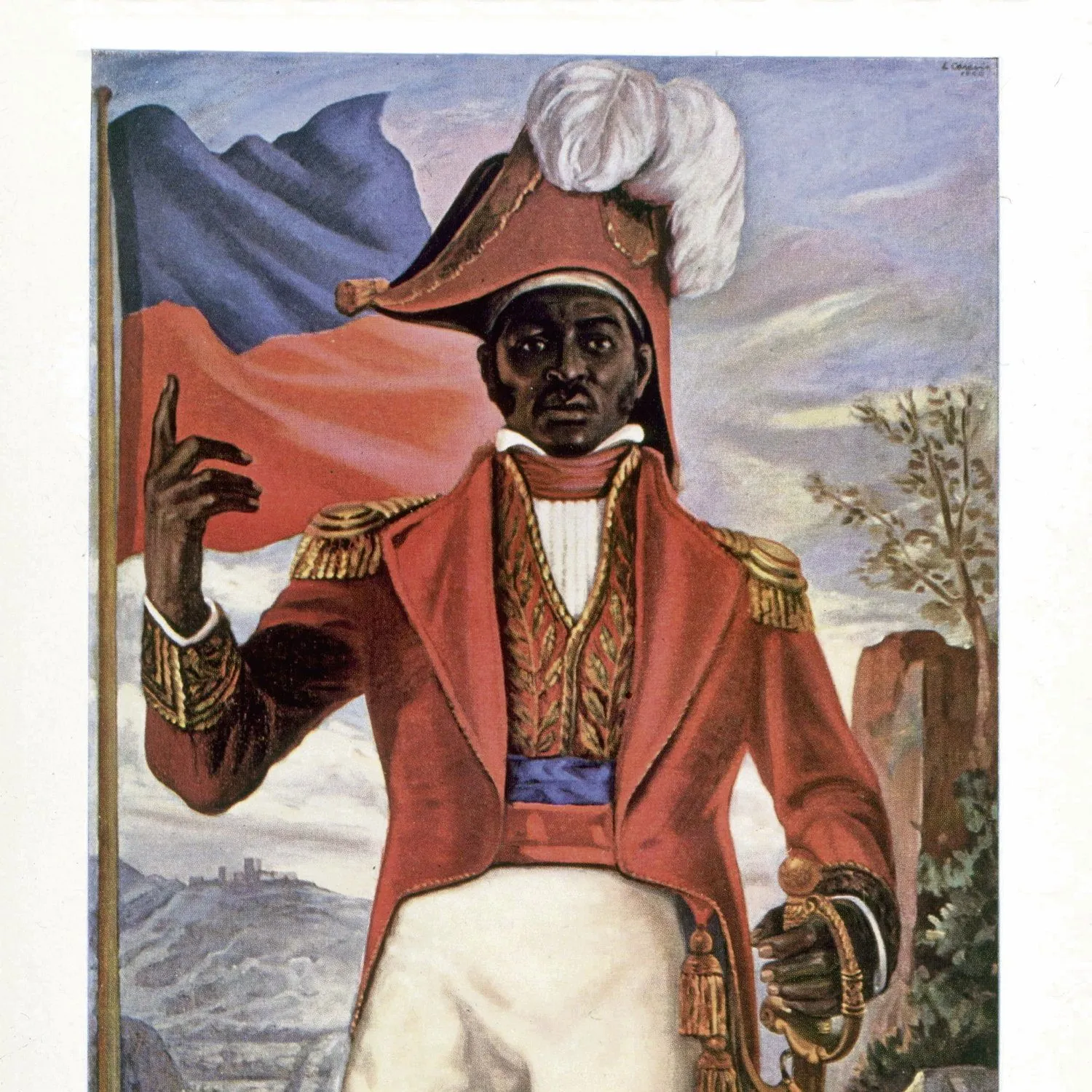
First black nation to free itself from slavery and gain independence from France in 1804 and influenced other liberation movements around the world, inspiring struggles for freedom and equality.

Natural beauty

Natural beauty

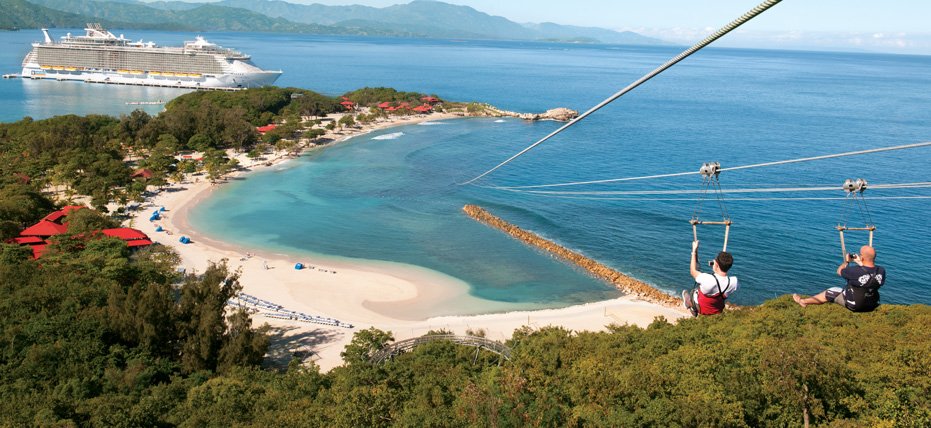
Haïti is blessed with spectacular natural landscapes, including white sand beaches, mountains and rich biodiversity.

Heritage

Heritage

Haïti has a rich historical heritage, including sites like the Citadelle Laferrière and the Sans-Souci Palace, listed as UNESCO World Heritage Sites.

Culture

Culture

Haïti has a rich and diverse culture, influenced by African, European and indigenous elements. Haitian music, dance, art and cuisine are celebrated around the world.

  • +
    • Post