contact@haitiwonderland.com+509 36184317

Discover

Shopping Cart

Haiti: Haitian Fritay: An Explosion of Flavors in the Streets

Haiti: Haitian Fritay: An Explosion of Flavors in the Streets

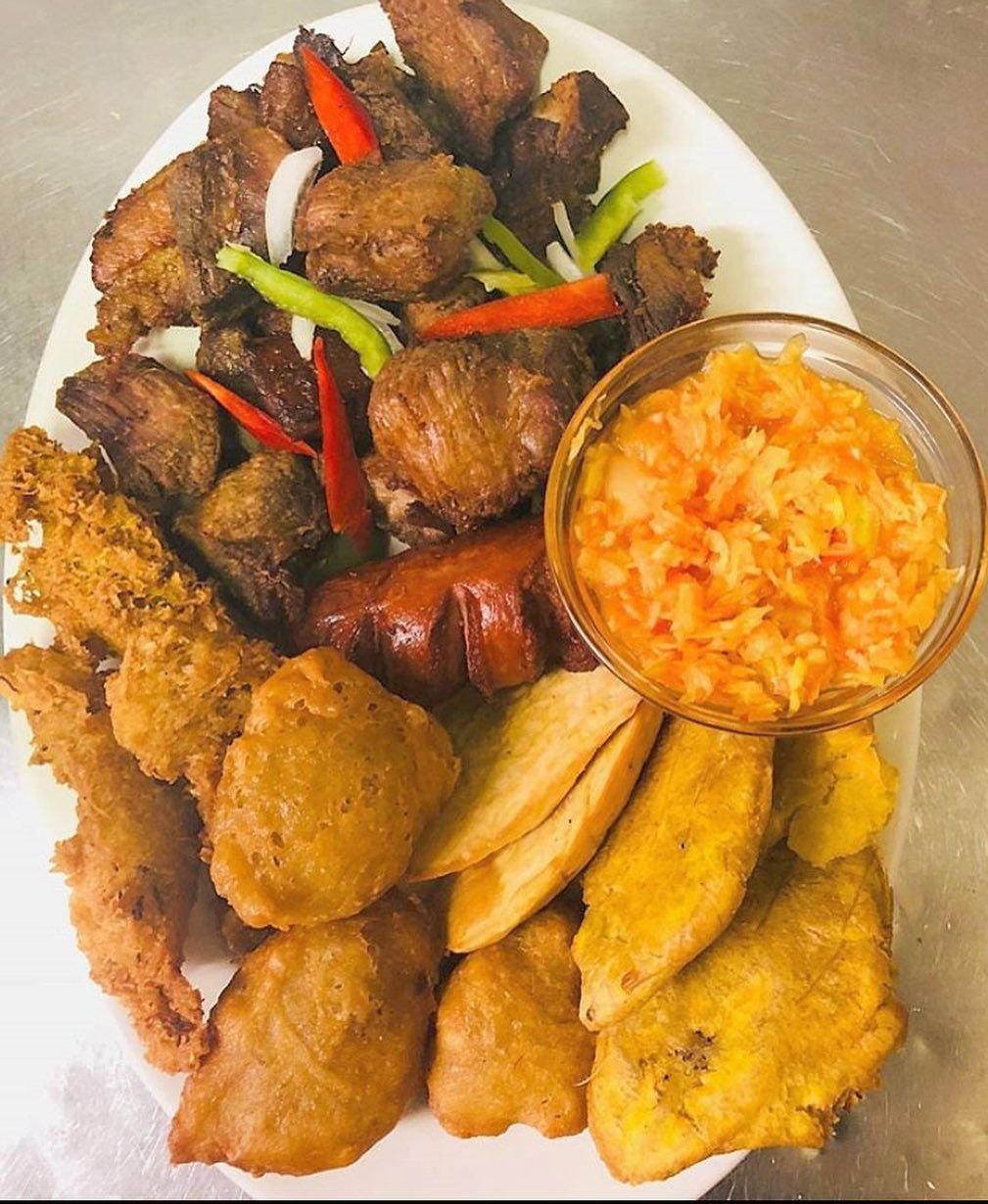
Haiti’s bustling streets often echo with the tantalizing murmur of street vendors selling one of the country’s most prized culinary marvels: Fritay. This street feast, with its mouth-watering fried foods, is a true celebration of Haitian cuisine.

Haïti : Fritay
Haïti : Fritay
Haïti : Fritay

Variety and Tradition

The Haitian Fritay is a culinary experience that transcends the boundaries of a simple street meal. It is a true institution, a cultural heritage that brings together local residents and visitors around a common passion for unique flavors. Some of the most popular delicacies include fried plantains, pate kòde, accra, pickle and many more.

Haïti : Fritay
Haïti : Fritay
Haïti : Fritay

Fried Plantains: A Symphony of Crispy and Sweetness

Plantains, green bananas with firm flesh, are often the star of Haitian Fritay. These plantain slices are dipped in a special batter, then fried until they reach crispy perfection. The contrast between the golden, crisp exterior and the tender, sweet interior of the plantains creates a symphony of flavors that delights the taste buds.

Haïti : Fritay
Haïti : Fritay
Haïti : Fritay

The Haitian Griot

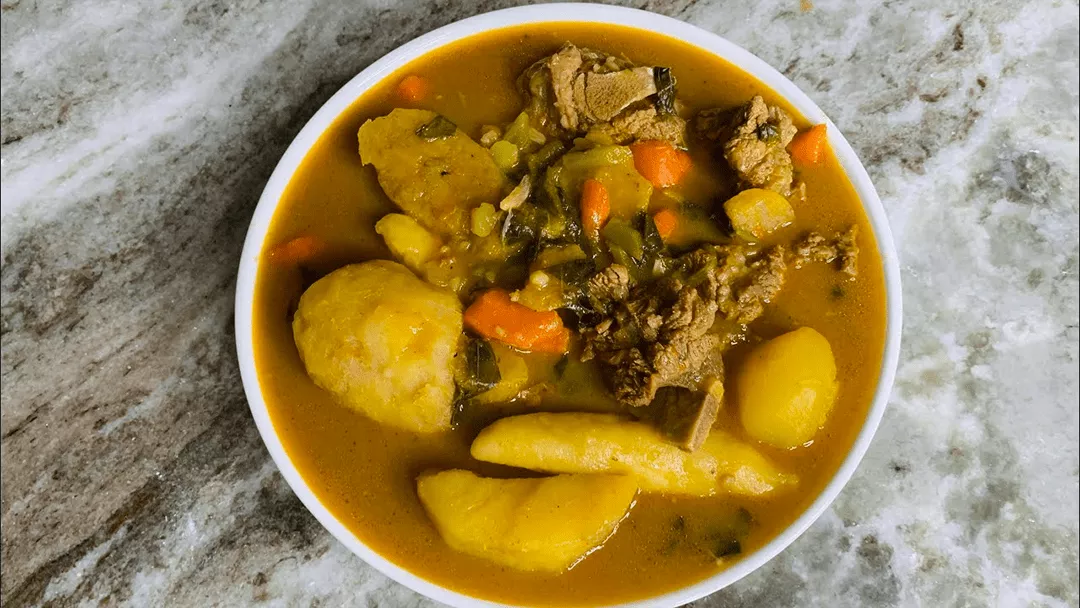
The Haitian griot, culinary jewel of Haitian culture, embodies the very essence of gastronomic creativity and cultural heritage. This dish, often prepared during celebrations and family gatherings, is much more than just a delicious delicacy; it carries within itself the rich and vibrant history of the Haitian people.

At the heart of the griot is pork marinated in a mixture of exotic spices, giving rise to an explosion of flavors on the palate. The careful preparation and patience required to marinate and cook griot reflect the dedication to quality that characterizes Haitian cuisine.

Haïti : Pate kòde
Haïti : Pate kòde
Haïti : Pate kòde

Pate Kòde

Impossible to walk the Haitian streets without encountering a “Pate Kòde” seller. This traditional delicacy, found in alleyways as well as in upscale restaurants, is a tasty blend of dough, spices, and meat, often chicken. Whichever flavor you choose, each bite is an explosion of authentic tastes.

Haïti : Akra
Haïti : Akra
Haïti : Akra

Accra: An Explosion of Spicy Flavors

Accra, another star of Haitian Fritay, is a spicy creation made from Cassava. Seasoned with local spices, the accra is fried until it has a golden crust, offering an explosion of flavors in the mouth. It’s a must-try for those looking to spice up their Haitian dining experience.

Haïti : Marinad
Haïti : Marinad
Haïti : Marinad

Marinade: Fried and Marinated Pleasure

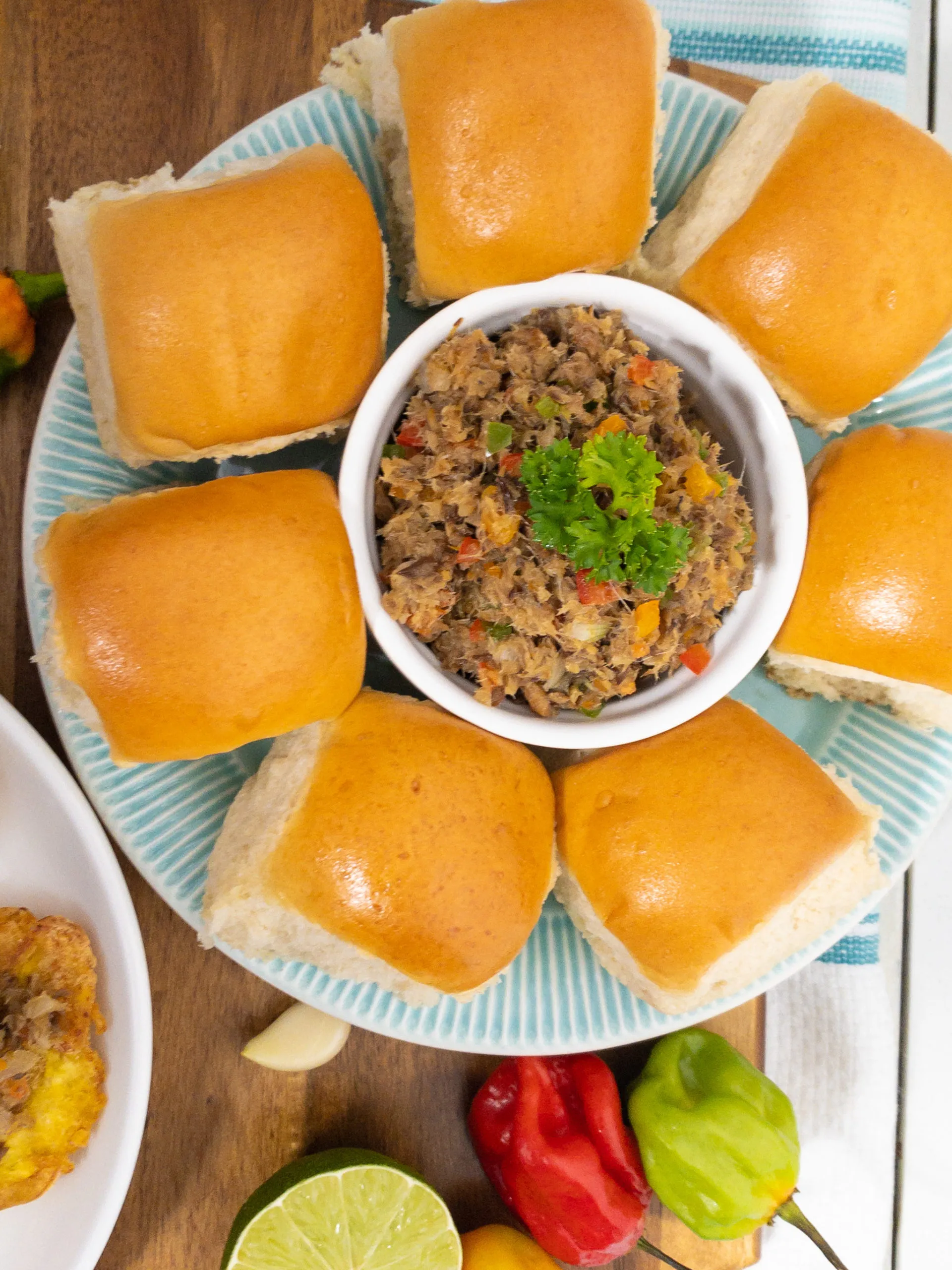
The marinade is a unique and flavorful blend of flour and spices, often enjoyed with pikliz or sauce. This combination of textures and flavors is a treat for Fritay lovers.

Haïti : Fritay
Haïti : Fritay
Haïti : Fritay

A Tradition That Travels

Although Haitian Fritay is rooted in local culture, it has also resonated beyond national borders. Haitian restaurants around the world often incorporate these iconic street foods into their menus, allowing food lovers to enjoy these delights without having to travel thousands of miles.

Haitian Fritay is much more than just a street food. It is a celebration of the richness of Haitian flavors, a culinary experience that captivates the senses and nourishes the soul. So, whether you’re a local or an intrigued traveler, immerse yourself in the deliciously fried world of Haitian Fritay and discover a symphony of flavors that will remain etched in your taste memory.

Share
About the Author
Haïti Wonderland
Haïti Wonderland
Leave a comment

Recently Posted

Newsletter

Subscribe to our newsletter to stay informed of all our activities and news on Haiti.

Caractéristique d’un lapin

Les lapins sont des mammifères appartenant à la famille des Leporidae. Voici quelques-unes de leurs caractéristiques principales : 1. **Physique** : Les lapins ont un corps couvert de fourrure douce, des oreilles longues et droites, de grands yeux sur les côtés de leur tête, et une queue courte et duveteuse. Ils possèdent de puissantes pattes arrière adaptées au saut. 2. **Taille et poids** : La taille et le poids peuvent varier considérablement selon la race, allant d’environ 500 grammes pour les plus petits à plus de 5 kilogrammes pour les plus grands. 3. **Comportement** : Les lapins sont connus pour être sociaux et peuvent vivre en groupes dans la nature. Ils communiquent entre eux par différents moyens, y compris par des sons et des mouvements corporels. Les lapins creusent des terriers pour y vivre et se protéger des prédateurs. 4. **Alimentation** : Ils sont herbivores, se nourrissant principalement de foin, d’herbes, de feuilles, de fleurs, et de certains légumes. Leur système digestif est adapté pour traiter une grande quantité de fibres. 5. **Reproduction** : Les lapins sont réputés pour leur capacité à se reproduire rapidement, avec des gestations courtes d’environ 28 à 31 jours. Une portée peut compter de un à douze lapereaux, selon la race. 6. **Sens** : Ils ont une excellente vision périphérique pour détecter les mouvements tout autour d’eux, mais ont une zone aveugle juste devant leur nez. Leur ouïe est également très développée, leur permettant de capter des sons à de grandes distances. 7. **Espérance de vie** : En captivité, les lapins peuvent vivre de 7 à 10 ans, selon la race et les soins prodigués, tandis que dans la nature, leur espérance de vie est généralement plus courte en raison des prédateurs et des maladies. Ces animaux nécessitent des soins appropriés, notamment un régime alimentaire équilibré, de l’exercice, et une attention particulière à leur bien-être émotionnel et physique pour vivre une vie saine et heureuse en captivité.

Pap Jazz 2025, a Celebration of Haiti’s Great Musical Richness

On Sunday, April 6, 2025, the Karibe Convention Center in Juvenat transformed into a true cultural temple to close the 18th edition of the Port-au-Prince International Jazz Festival (PAPJAZZ). This year, the festival took place under the evocative theme "PAP JAZZ it UP", and it was held in three sites primarily located in the Pétion-Ville commune. The festival took place entirely at these wonderful musical venues: a reference was made to the Latin Quarter, the Haiti-Brazil Cultural Center, and the Karibe Hotel. Due to the deteriorating situation in downtown Port-au-Prince in recent times, the French Institute site had to be abandoned by the festival organizers. Nevertheless, we can absolutely call this 18th edition of Pap Jazz a success. Indeed, this festival, now a major event of the Haitian year, was especially marked this year by the great resilience and determination of the organizers who were able to adapt to the country’s rhythm in order to satisfy their loyal festival-goers. Despite the difficult context, these festival-goers did not miss the opportunity to escape their harsh daily lives through music. It’s also important to note that this 18th edition of Pap Jazz took place after two postponements, at the very beginning of this year, with the last one occurring in March due to insecurity. In this regard, it is appropriate to call the monumental achievement of the Haïti Jazz Foundation and their partners an exceptional feat, as they were not discouraged and showed remarkable tenacity, while adapting to offer Port-au-Prince and its surroundings this moment of growth, beyond the city’s great sorrow, through music.

Recently Posted

History

History

First black nation to free itself from slavery and gain independence from France in 1804 and influenced other liberation movements around the world, inspiring struggles for freedom and equality.

Natural beauty

Natural beauty

Haïti is blessed with spectacular natural landscapes, including white sand beaches, mountains and rich biodiversity.

Heritage

Heritage

Haïti has a rich historical heritage, including sites like the Citadelle Laferrière and the Sans-Souci Palace, listed as UNESCO World Heritage Sites.

Culture

Culture

Haïti has a rich and diverse culture, influenced by African, European and indigenous elements. Haitian music, dance, art and cuisine are celebrated around the world.

  • +
    • Post