contact@haitiwonderland.com+509 36184317

Discover

Shopping Cart

PapJazz: The Jazz Festival that Vibrates Haiti

PapJazz: The Jazz Festival that Vibrates Haiti

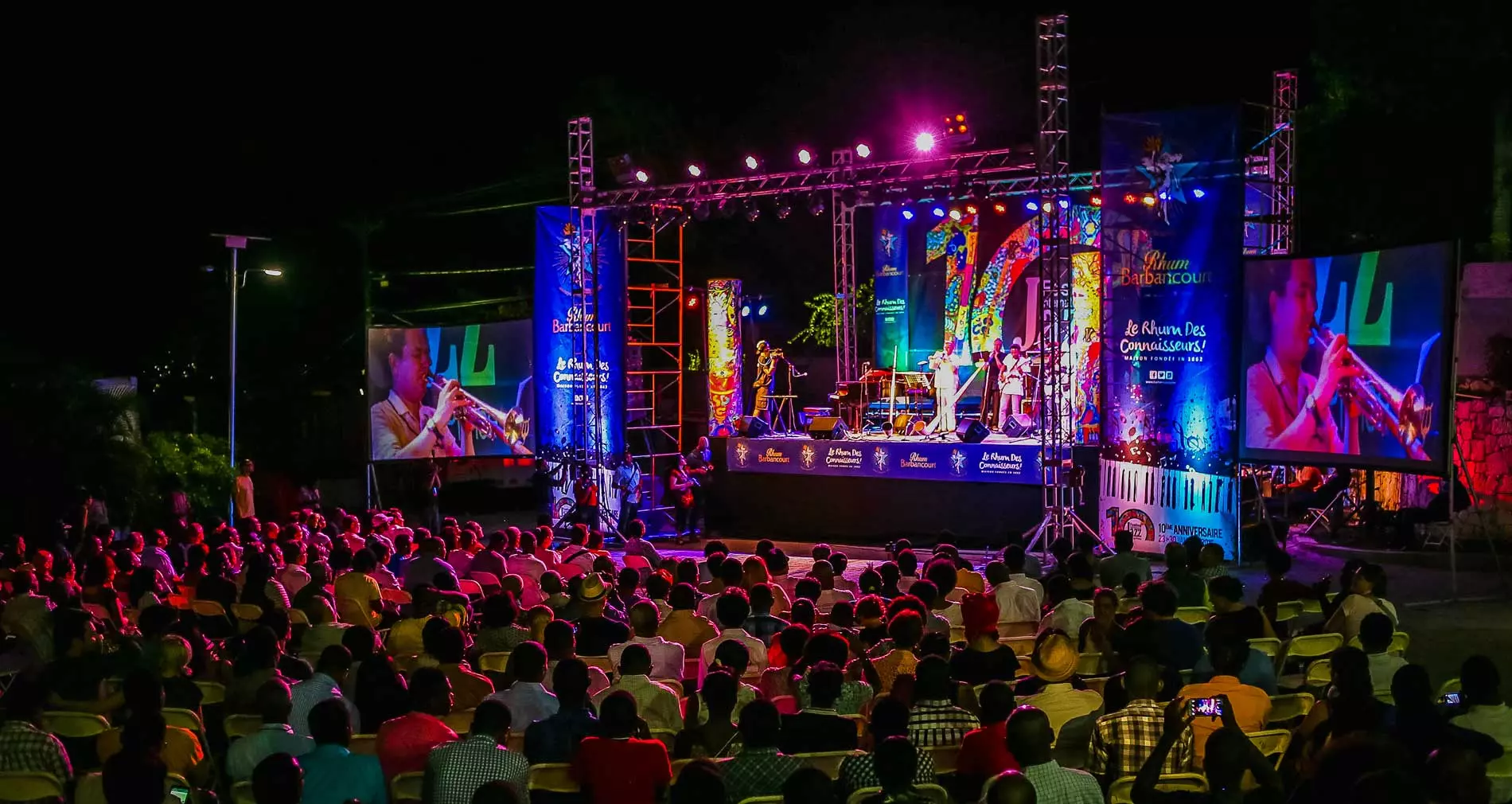
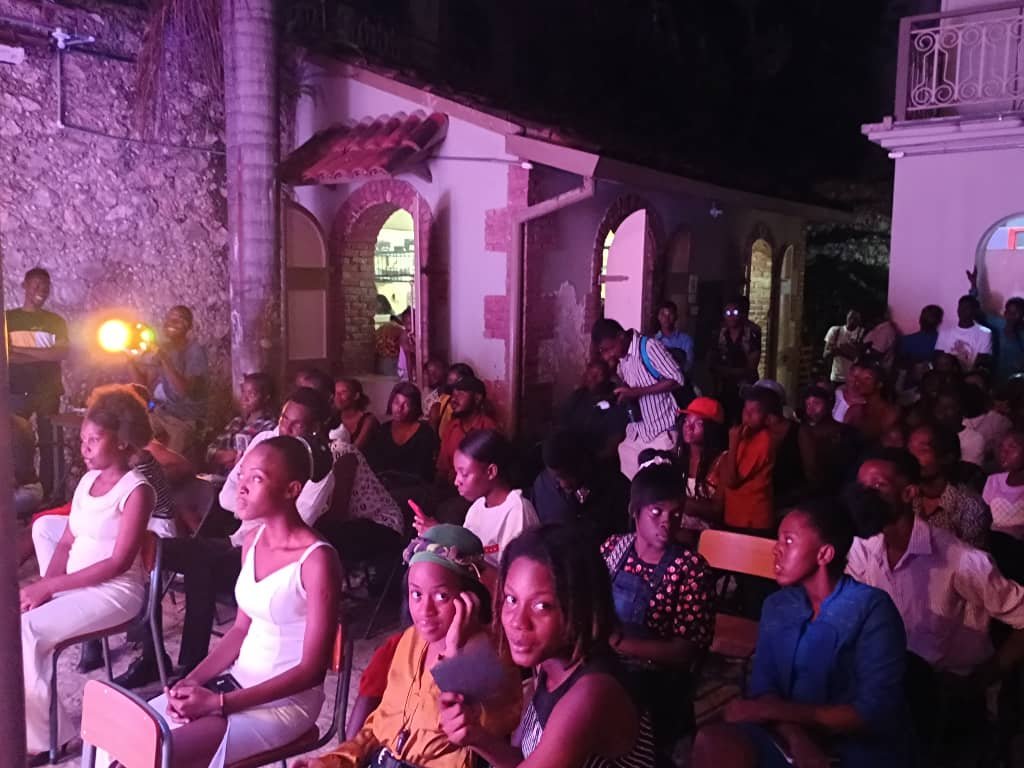
The Port-au-Prince International Jazz Festival, known as PapJazz, is one of the most prestigious cultural events in Haiti. This annual event attracts jazz lovers from around the world, transforming the Haitian capital into a true musical crossroads. If you are looking to discover the best of Haitian culture, PapJazz is a must-visit experience.

Haïti
Haïti
Haïti

An Annual Meeting of Jazz Fans

Since its creation in 2007, PapJazz has established itself as an essential platform for local and international artists. Every year, in January, the festival brings together renowned musicians, offering a diversity of styles ranging from traditional jazz to jazz fusion, including Caribbean and Latin influences. This unique fusion makes PapJazz a rich and varied musical experience.

See as well

Haïti
Haïti
Haïti

Artistic Diversity

PapJazz stands out for its eclectic programming. Haitian artists such as Mushy Widmaier, Beethova Obas and Emeline Michel share the stage with international legends like Kenny Garrett, Dee Dee Bridgewater and Richard Bona. This diversity enriches not only the festival but also the Haitian music scene, connecting it with global influences.

Haïti
Haïti
Haïti

Accessibility and Inclusion

One of the most notable aspects of PapJazz is its commitment to accessibility. Many concerts are free, allowing a wide audience to enjoy high-quality performances. In addition, the festival organizes workshops and masterclasses for local musicians, thus promoting the exchange and development of Haitian talents.

Haiti: A look back at the First Rara Weekend in Petit-Goave

Haiti: A look back at the First Rara Weekend in Petit-Goave

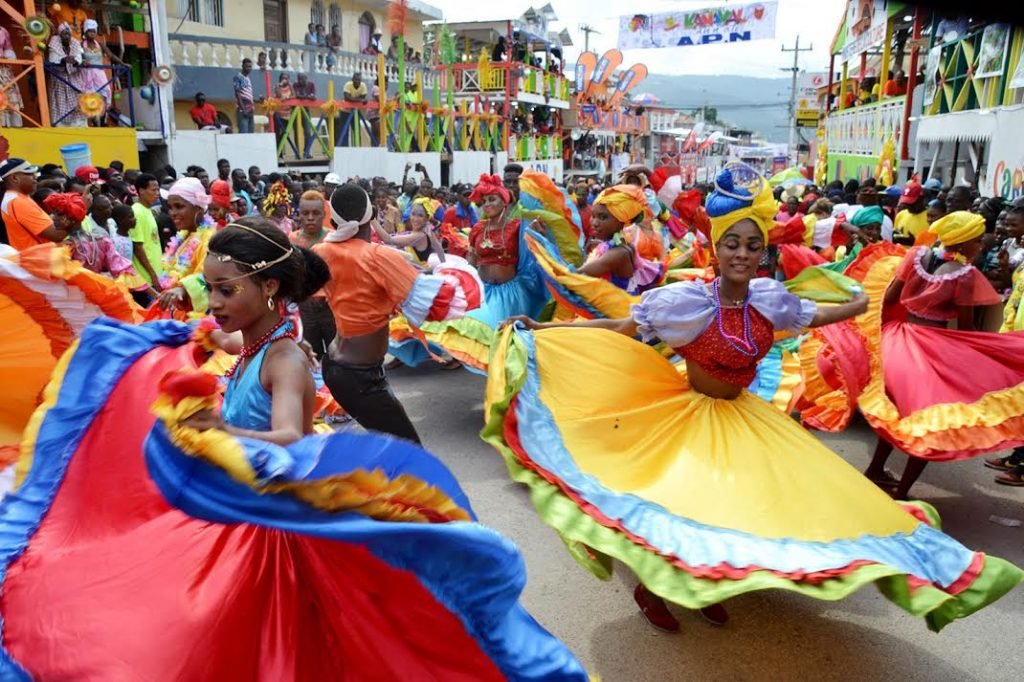
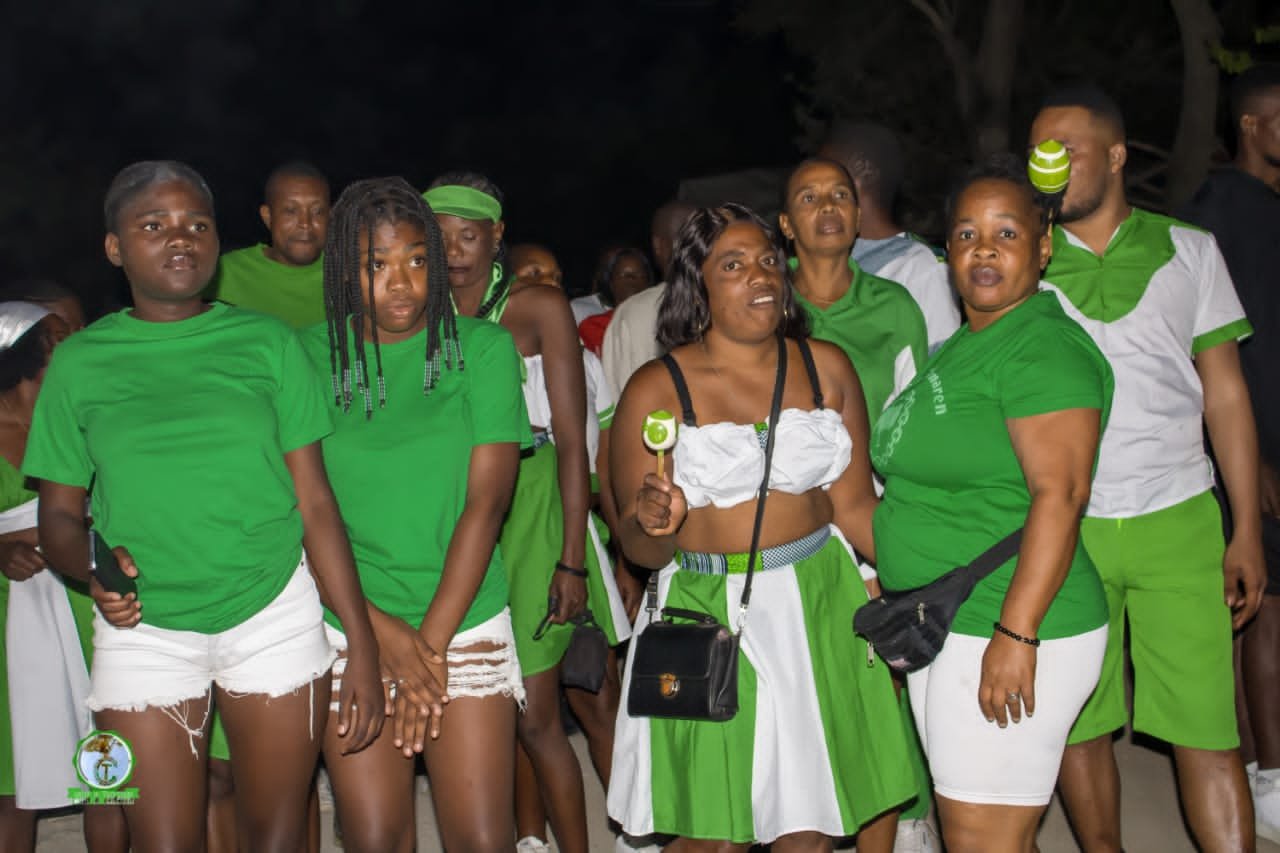
Haitian culture is a true treasure, woven from the creativity of its artists, its rich heritage and the diversity of its cultural expressions. Among these cultural gems, the rara stands as a true national emblem, uniting Haitians through its captivating rhythms and centuries-old traditions. During the first Rara weekend, this very essence of Haitian culture shone brightly, revealing palpable social cohesion. Despite the absence of law enforcement, tranquility reigned in Petit-Goâve, testifying to the ability of citizens to come together in peace and conviviality. However, media attention was mainly focused on the first plain, leaving a certain imbalance in the coverage of the festivities. Ratyèfè, three-time reigning champion, once again captivated minds with his talent and artistic mastery, offering an unparalleled spectacle. But his rival, Lambi gran dlo, was not to be outdone, displaying a determination to compete for first place. The event was also marked by unfortunate incidents, reminding us that despite the beauty of tradition, tensions can arise. Clashes between fans of different groups tarnished the festive atmosphere, highlighting the need for careful management of celebrations to avoid such excesses. At the heart of this musical competition, where each group aspires to recognition and victory, a complex picture of rivalries and alliances emerges. Chenn tamarin, although appearing asleep in the first moments, shows signs of waking up, ready to shake up the established order. On Sunday evening, Lambi gran dlo honored the memory of one of its loyal supporters, while Grap Kenèp was the scene of violence between fans, recalling the fragility of social cohesion when passion runs wild. In this whirlwind of emotion and competition, it is crucial to keep in mind that it is the journalist who must look to the events, and not the other way around. This is how we draw up the first ranking for this first weekend: 1. Ratyèfè 2. Lambi grand dlo 3. Chenn tamarind Beyond the results, it is the preservation of unity and mutual respect that must remain at the heart of these celebrations, making the rara not only a musical festival, but above all a symbol of the wealth and resilience of the people Haitian.

Haïti
Haïti
Haïti

Economic and Tourist Impact

PapJazz plays a crucial role in the economic and tourism development of Haiti. Every year, thousands of visitors flock to Port-au-Prince, boosting the hotel, restaurant and local commerce sectors. The festival also contributes to improving the image of Haïti internationally, by highlighting its cultural wealth and artistic dynamism.

Haïti
Haïti
Haïti

How to Participate in PapJazz?

PapJazz is generally held in mid-January and takes place at several emblematic sites in Port-au-Prince, including the Sugar Cane Historical Park, the French Institute and various hotels in the capital. Each venue offers a unique atmosphere, allowing spectators to enjoy varied musical experiences.

Although many concerts are free, some special events require ticket purchases. It is advisable to book in advance, as places may be limited. Ticketing information is available on the festival’s official website and on its social networks.

Haïti
Haïti
Haïti

Accommodation and Transportation

Port-au-Prince offers a range of accommodation options, from luxury hotels to more modest hostels. For travel, it is recommended to use reliable transportation services, such as taxis or shuttles offered by hotels. The city is also served by Toussaint Louverture International Airport, facilitating the arrival of international visitors.

The Port-au-Prince International Jazz Festival is much more than just a musical event. It is a celebration of Haitian culture and a symbol of resilience and creativity. By participating in PapJazz, you will not only discover the best of world jazz, but also the warmth and hospitality of the Haitian people. For all music and culture lovers, PapJazz is an experience not to be missed on your next trip to Haiti.

Share
About the Author
Haïti Wonderland
Haïti Wonderland
Leave a comment

Recently Posted

Vertières, Fort Mazi: Beyond historical truth;

If you look up the word vertière in a French dictionary, you will not find it for fear that the world does not know this place represents the Achilles heels of the most powerful European army. What’s more, this one had just successfully won the eastern campaign. French historians of the time erased this geographical location from the radar of history because they did not want to tell the story as it is in the sense of explaining the first great humiliation of the expeditionary army French by bands of slaves who were totally ignorant in the art of waging war, much less in the handling of weapons. However, these illiterate wars routed the Napoleonic army, the most powerful at that time, using the means at hand. This expeditionary army, after having brought Europe to its knees, would experience its first rout by slaves in this geographical location, located in the Northern department of Haiti. Funny story, this city is not on the list of French words even though given its historical importance, it should be at the heart of universal history, far from putting an end to the invincibility of the undefeated army army. So as not to offend the white masters, no political leader has ever asked why vertière does not appear in any French dictionary? However, they celebrate this battle with great fanfare every November 18. What historic hypocrisy among our leaders! After Vertière many other historical places are strangled by historians in order to hide the extremes of atrocities of the French colonists on the slaves. It is in this context of historical strangulation that “Fort Mazi” is not mentioned in school history textbooks. This is located in Petit-Goave, 2nd municipal section, Arnoux locality. We came across this mega fort, during a mobile clinic entirely financed by the Ernest Junior foundation, a charitable foundation which works in the social sector, particularly in the field of art and music. According to residents , the oldest in this locality, this fort was built on at least 20 squares of earth by the settlers. It was a huge military complex divided into compartments, outposts, turtle rooms, rooms for treating colonists, a large Catholic church, and a cemetery. However, we never talk about this fort so much so that it is ignored by history teachers in the town of Petit-Goave. Certainly, the desired disappearance of this fort under the radar of history buries the atrocities, the barbarities, the most inhumane punishments of the colonists on the slaves. Looking closely at reality, everything seems true that it is the largest fort ever built during the period of colonization. Moreover, it probably seems the most fortified in relation to its importance. Remember that Vertière only exists in Haitian school history textbooks while Fort Mazi does not appear, much less in French dictionaries or history books. This explains why this fort was a secret place in which the settlers practiced crimes and atrocities that went beyond human understanding. Is it not a clear desire of historians to hide what this immense fort built on at least 20 tiles of earth really was? Discover the history of Haiti: A fascinating story to explore! : https://haitiwonderland.com/haiti/histoire/decouvrez-l-histoire-d-haiti--un-recit-fascinant-a-explorer/81
Newsletter

Subscribe to our newsletter to stay informed of all our activities and news on Haiti.

Haïti Wonderland: Technology at the Service of the Haïtian Narrative

On this 220th anniversary of the legendary independence of Haïti, a new initiative is born on the web: Haïti Wonderland. Launched on January 28, 2024, this innovative site’s mission is to revolutionize the way Haïti is perceived online, by highlighting its natural, cultural, historical and human assets. b~An Ambitious Vision~b Haïti Wonderland aspires to a significant change in the perception of Haïti on the Internet. The goal is clear: when you search for “Haïti” on search engines, you should be greeted by beautiful images and inspiring stories. The team behind Haïti Wonderland wants to transform the web to allow only the beauty and wealth of this country to emerge, thus reflecting Haïtian reality. b~Authentic and Immersive Content~b To achieve these goals, Haïti Wonderland regularly publishes news articles and special blogs highlighting Haïti’s beauty, historic destinations, exquisite cuisine and anything else that can spark Haïtian pride. The emphasis is on promoting a positive and authentic image of the country. The experience offered to visitors to the site is also out of the ordinary. Thanks to virtual reality, you can explore the treasures of Haïti from anywhere in the world, providing total immersion in the splendor of this jewel of the Antilles. b~Smart Support and Rewards~b Haïti Wonderland goes beyond by integrating artificial intelligence on its site. This AI is there to provide visitors with all the information they need about Haïti, thus guiding their journey through the site in an interactive way. And that’s not all ! Haïti Wonderland offers an incentive compensation program for contributors. You can earn money by publishing blog posts on the site, rewarded based on the number of views generated. b~Commitment to Narrative Change~b The founder of Haïti Wonderland, Appolon Guy Alain, sees his initiative as a way to actively participate in changing the Haïtian narrative on the Internet. It is open to any collaboration and support aimed at achieving this common objective of improving the image of Haïti online. Through Haïti Wonderland, Appolon also wishes to raise awareness among online media to stop broadcasting demeaning images of Haïti that contribute to tarnishing its reputation. He calls for collective commitment to present the best version of Haïti. To discover the beauty of Haïti from a new perspective, visit the website: https://haitiwonderland.com or download the application from Play Store: https://play.google.com/store/apps/details?id =com.appographic.haitiwonderland. For all correspondence, contact them by email at contact@haitiwonderland.com. Haïti Wonderland: Rediscover, Share, Marvel.

Recently Posted

History

History

First black nation to free itself from slavery and gain independence from France in 1804 and influenced other liberation movements around the world, inspiring struggles for freedom and equality.

Natural beauty

Natural beauty

Haïti is blessed with spectacular natural landscapes, including white sand beaches, mountains and rich biodiversity.

Heritage

Heritage

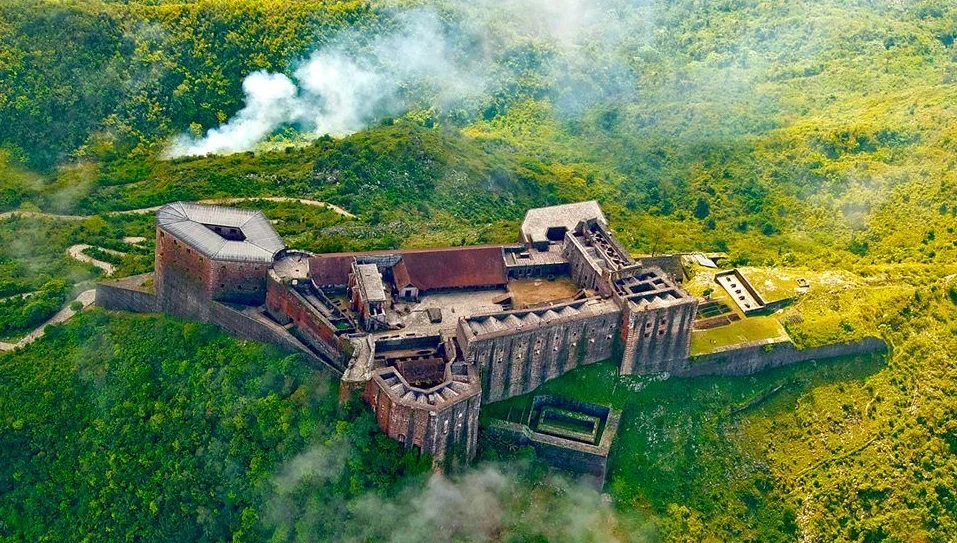
Haïti has a rich historical heritage, including sites like the Citadelle Laferrière and the Sans-Souci Palace, listed as UNESCO World Heritage Sites.

Culture

Culture

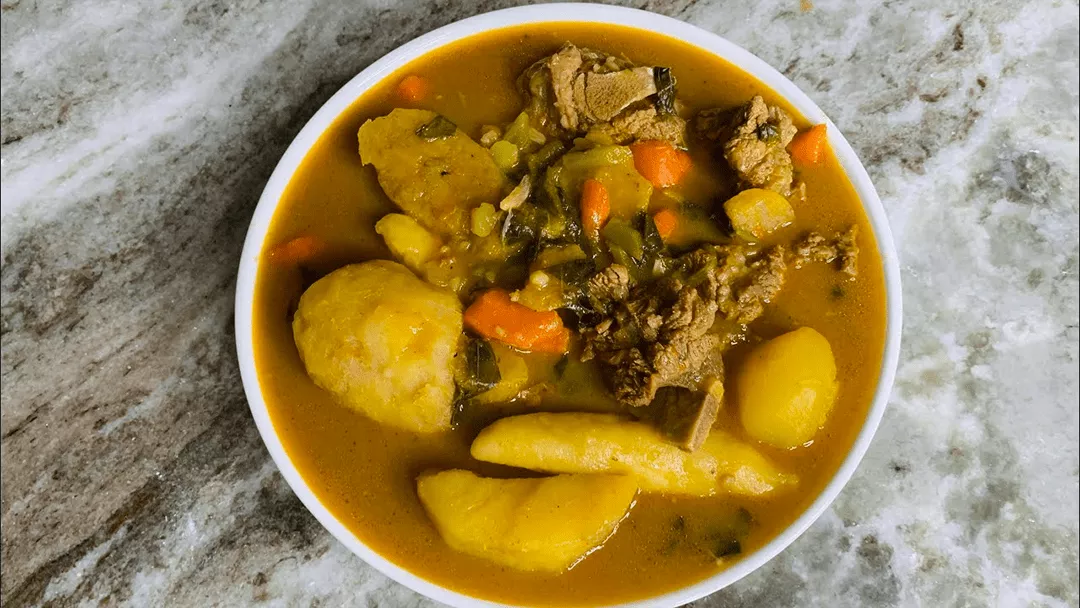
Haïti has a rich and diverse culture, influenced by African, European and indigenous elements. Haitian music, dance, art and cuisine are celebrated around the world.

  • +
    • Post