Francophone Youth Parliament: A Key Institution for Bringing Together Francophone YouthFrancophone Youth Parliament: A Key Institution for Bringing Together Francophone Youth
Francophone Youth Parliament: A Key Institution for Bringing Together Francophone Youth
The Francophone Youth Parliament (PFJ) is an entity of the Parliamentary Assembly of the Francophonie (APF), which itself is part of the International Organization of La Francophonie (OIF). Established in 1999 during the Moncton Summit in Canada, this parliament for Francophone youth provides a genuine opportunity to forge connections among young people from the Francophone world. This real platform for debate and advocacy allows young people to have their voices heard and actively participate in shaping the future of La Francophonie. The body meets sequentially, with young people from almost all Francophone backgrounds gathering at each edition to discuss contemporary issues affecting global youth, such as precariousness, a lack of faith in democracy, characterized by a high number of young people abstaining from elections, a lack of civic engagement, the fight against inequalities, climate change, and even the impact of social media on youth. It is important to note that although the decisions made during these meetings are not legally binding, they remain powerful tools to describe the real will and needs of youth in the Francophone space, with the aim of facilitating actions by leaders.
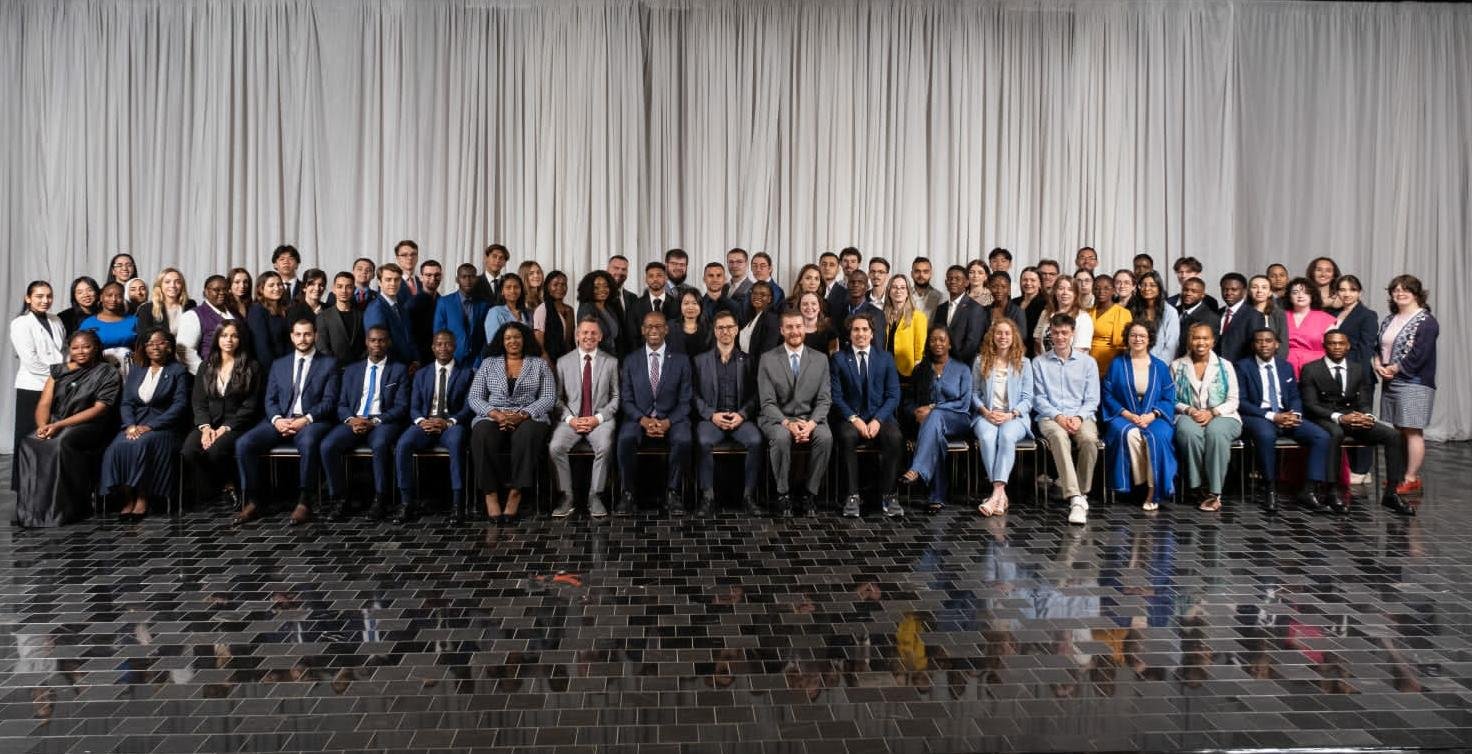
According to one of the two spokespersons for the PFJ, Mr. Corentin Melchior, who represents Belgium within the institution, the Francophone Youth Parliament meets every two years for a general assembly with young people from all over the Francophone world. For example, during the 10th edition of the parliament in 2024, no fewer than 80 young people from over 40 countries or sections participated in debates and created concrete resolutions on crucial issues. While this does not represent half of the OIF members, it still constitutes the largest gathering of Francophone youth for that year. Among the resolutions adopted, according to data collected by Mr. Melchior, there is one on the fight against youth precariousness, the regulation of social media influencers, encouraging civic engagement, and promoting the French language through education and culture.
The OIF, A Global Entity
The OIF, which now includes 88 member states and governments worldwide, is one of the largest international organizations, ranking second in terms of the number of member countries after the UN and well ahead of the Commonwealth. Promoting the French language and the values associated with it to increase its global influence remains its primary mission. While its main goal is to promote the French language and Francophone culture worldwide, the OIF is equally committed to sustainable development, democracy, and access to education for all. For this global vision to truly be inclusive, a closer relationship between the OIF and Francophone youth, particularly from countries facing great difficulties such as Lebanon and Haiti, is crucial, as Mr. Melchior pointed out.
Within the vast global network of the Francophonie, Haiti, despite being a major Francophone pillar in the Americas, is often marginalized in international discussions about the future of the French language and culture. Yet, isn’t Haïti one of the two largest Francophone strongholds in its hemisphere, alongside Quebec? And if we add the fact that Haïti is the only Francophone country in CARICOM (the Caribbean Community Common Market), it is clear that Haiti’s importance in the Francophone world is undeniable. Therefore, it is crucial for Haitian youth to be better integrated into global discussions on the Francophonie, and one of the most effective ways to achieve this is by strengthening the ties between the International Organization of La Francophonie (OIF) and Haitian youth.
Indeed, while the OIF has an interest in reaching all of its branches, taking into account that Haïti is a vital branch of the Francophonie, Haitian youth has even more to gain by valuing their Francophone identity. And when the Francophonie fails to properly value Haiti, it certainly misses out on a precious advantage that a country with such a young population could bring to its noble mission of promoting the French language and democracy. In short, any major agreement between the PFJ and Haitian youth would benefit the entire Francophonie.
Indeed, Haitian youth, like those from other countries in the South and members of the OIF, have an interest in learning about the functioning of the Francophonie, and the PFJ could play a key role in this regard. For Haitian youth, knowing about initiatives like the PFJ is a golden opportunity to make their voices heard within the global community through this channel. More importantly, it is a space where Haitian youth can exchange ideas with their peers from other Francophone countries and build solutions together to face global challenges that transcend all borders.
The need to strengthen the ties between Haïti and the OIF, and by extension between Haitian youth and the PFJ, is now more urgent than ever. Access to information, technological support, training, and mobility are all areas that urgently require attention to fully involve Haitian youth in these international dialogues.
At a time when global challenges are multiplying, it is essential for youth to come together to face them collectively. Francophone youth, despite their diversity, share common issues: social inequalities, job insecurity, climate change, etc. In this context, Haitian youth must join their peers from other countries to have a significant influence in the discussions that will shape the future of Haiti. Thus, the Francophone Youth Parliament proves to be a unique opportunity for Haitian youth, as well as youth from other OIF member countries, to have their voices heard and actively contribute to expanding La Francophonie.
By strengthening ties between Haiti, Africa, and the OIF through its youth, the OIF invests in its future, in the real increase of its influence in the future, and this would allow the voice of Haitian youth to resonate more strongly on the international stage.
In conclusion, the smooth functioning of the PFJ, and the opportunities it offers, should be a priority for the OIF’s governing bodies as it offers prospects for encounters that can facilitate the union of Francophone youth forces, ensuring a more united and equitable future for the youth of the entire Francophonie.
Superbe article ! Très heureux d'avoir pu apporter ma pierre à l'édifice en tant que co porte-parole du Parlement Francophone des Jeunes. Plus que jamais, nous devons travailler de concert avec Haïti afin d'avoir une jeunesse francophone active et représentative !
First black nation to free itself from slavery and gain independence from France in 1804 and influenced other liberation movements around the world, inspiring struggles for freedom and equality.
Natural beauty
Haïti is blessed with spectacular natural landscapes, including white sand beaches, mountains and rich biodiversity.
Heritage
Haïti has a rich historical heritage, including sites like the Citadelle Laferrière and the Sans-Souci Palace, listed as UNESCO World Heritage Sites.
Culture
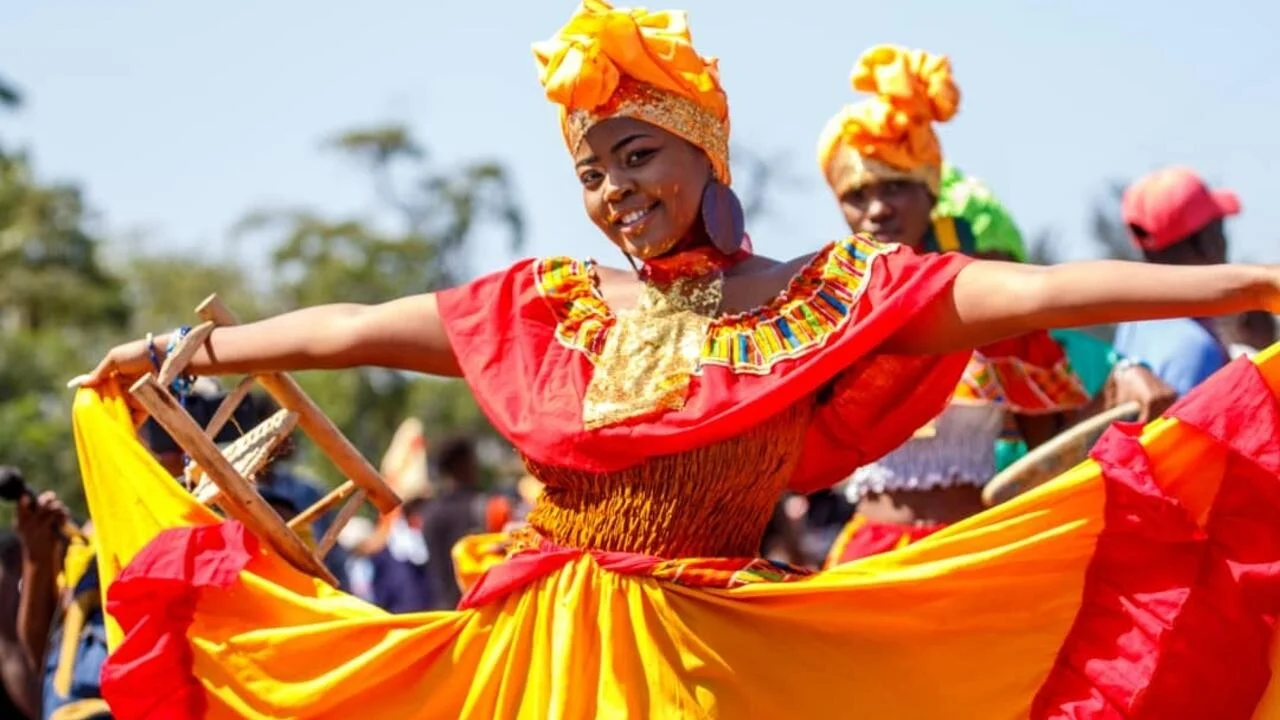
Haïti has a rich and diverse culture, influenced by African, European and indigenous elements. Haitian music, dance, art and cuisine are celebrated around the world.




























Superbe article ! Très heureux d'avoir pu apporter ma pierre à l'édifice en tant que co porte-parole du Parlement Francophone des Jeunes. Plus que jamais, nous devons travailler de concert avec Haïti afin d'avoir une jeunesse francophone active et représentative !
February 07, 2025 - 02:23:10 PM