contact@haitiwonderland.com+509 36184317

Discover

Shopping Cart

The Delights of Haitian Cuisine: 20 Essential Dishes

The Delights of Haitian Cuisine: 20 Essential Dishes

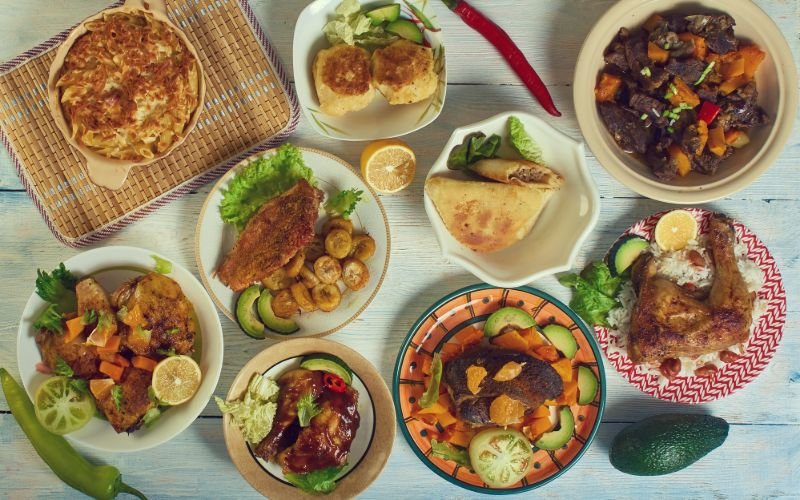
Haitian cuisine is often considered one of the best in the world, thanks to its spicy flavors and tasty dishes. It reflects the rich history and culture of the country, mixing African, European and Caribbean influences. We invite you to explore 20 must-try Haitian delights, whether it’s breakfast, lunch or dinner.

Haïti : Diri blan, sòs pwa, legim

1. Diri blan, sòs pwa, legim

“Mèt afè a”, it is often considered the dish most appreciated by Haitians.
This Haitian classic consists of white rice, pea puree, and stewed vegetables. Flavored with traditional spices, this dish is balanced, nutritious and delicious, often served on special occasions.

See as well

Haïti : Pate kòde
Haïti : Pate kòde
Haïti : Pate kòde

2. Pate kòde

Impossible to walk the Haitian streets without encountering a “Pate Kòde” seller. This traditional delicacy, found in alleyways as well as in upscale restaurants, is a tasty blend of dough, spices, and meat, often chicken. Whichever flavor you choose, each bite is an explosion of authentic tastes.

Haïti : Soup joumou
Haïti : Soup joumou
Haïti : Soup joumou

3. Soup joumou

“Soup Joumou” is emblematic in Haiti, celebrating the country’s independence on January 1st. Prepared with giraumon, it symbolizes the freedom acquired in 1804 and recalls the ban on this ingredient for slaves under the French colonial regime.

Haïti : Diri Shela
Haïti : Diri Shela
Haïti : Diri Shela

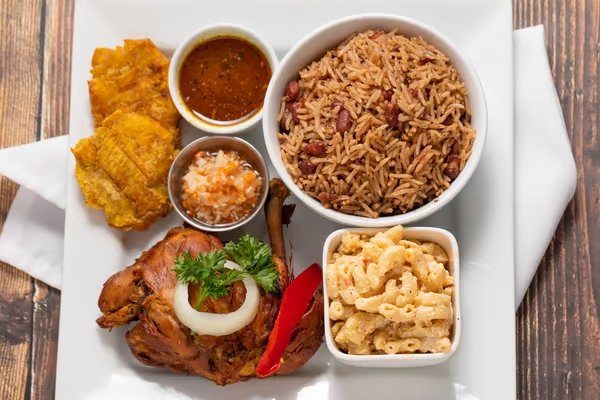
4. Diri Shela, Poul Fri

Haitian Diri Shella Rice is often accompanied by fried chicken sauce, creating a pure delicacy enjoyed during the festivities.

Haïti : Diri a djondjon

5. Diri a djondjon, sòs poul

“Diri ak Djondjon” is a popular dish with its black rice thanks to the “djondjon” mushroom. Paired with a flavorful chicken sauce, it’s a unique dining experience.

Haïti : Tonmtonm Ak sòs Kalalou

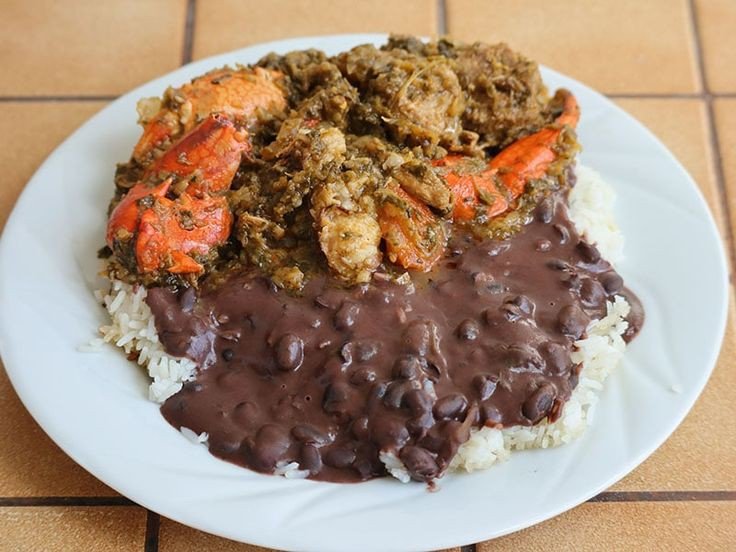
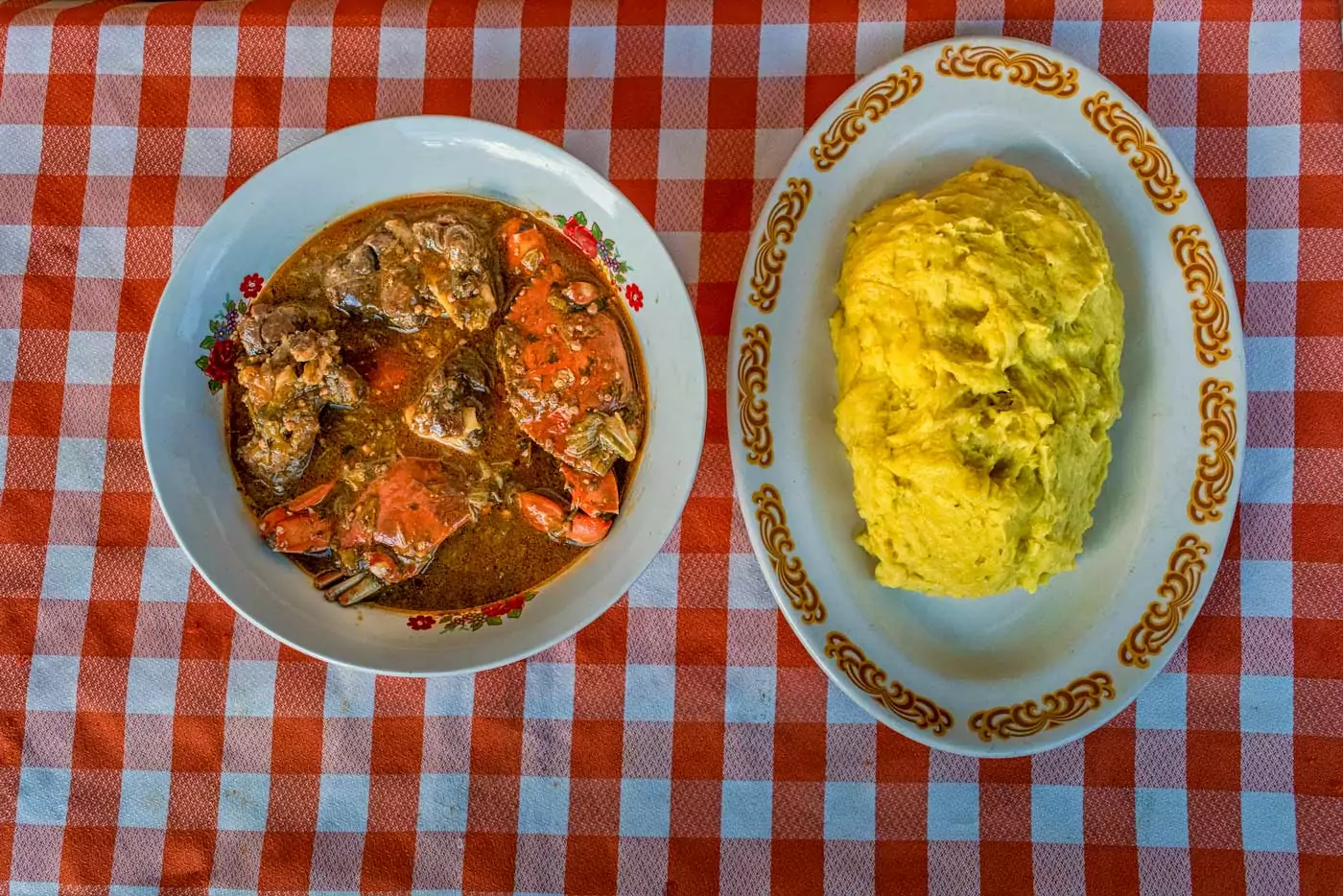
6. Tonmtonm Ak sòs Kalalou

A traditional dish from the town of Jérémie, “Tonmtonm Ak sòs Kalalou” combines breadfruit with a kalalou, beef, chicken or crab gumbo sauce.

Haïti : Griyo
Haïti : Griyo
Haïti : Griyo

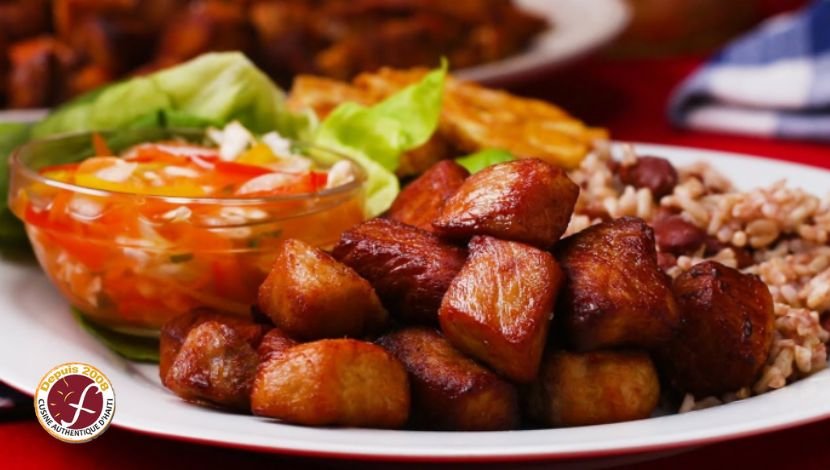
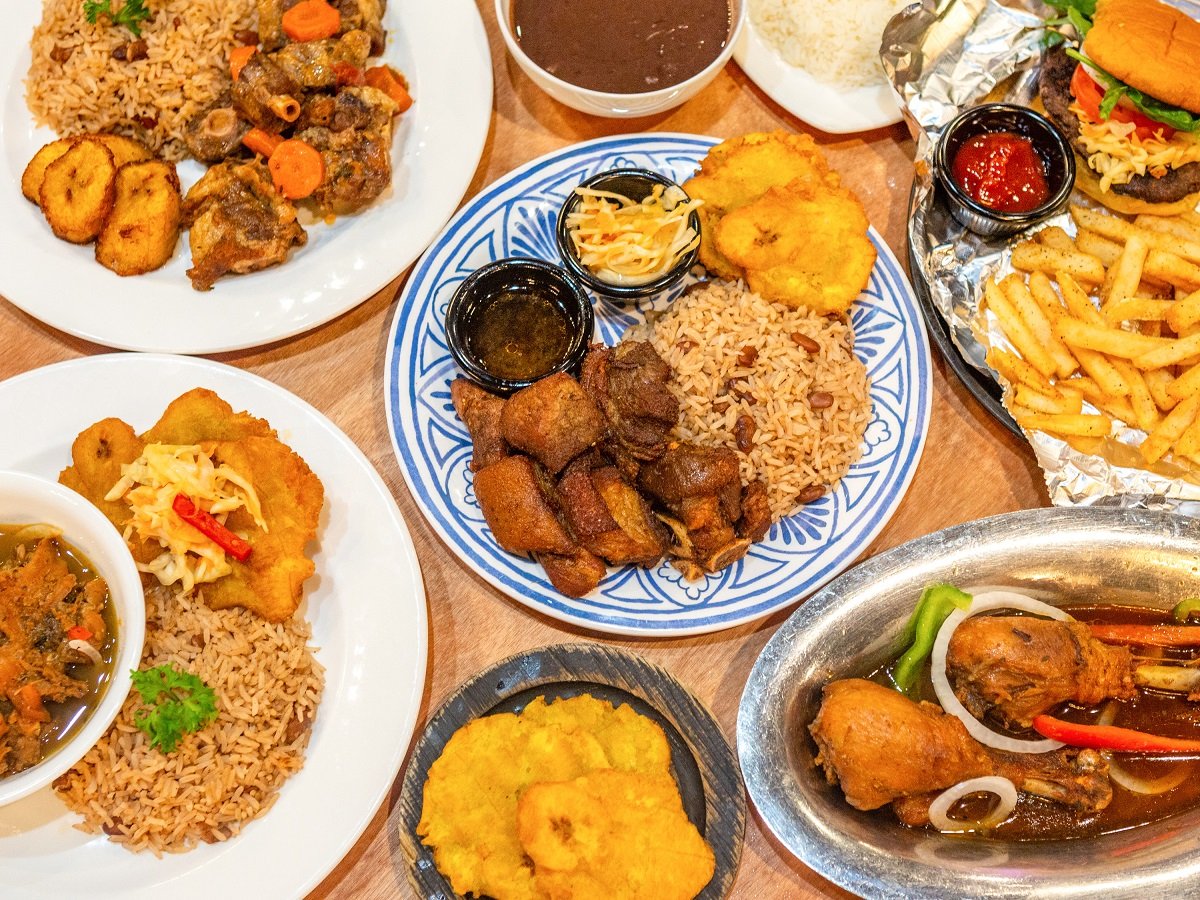
7. Griyo

Haitian griot is a popular traditional dish, consisting of pieces of pork marinated, boiled and fried to a crispy texture on the outside and tender on the inside.

Haïti : Mayi sòs pwa nwa

8. Mayi sòs pwa, sòs vyann ak Kalalou

A preparation made from corn, black beans and beef or chicken, accompanied by kalalou okra, offering a unique delicacy.

Haïti : Ragou
Haïti : Ragou
Haïti : Ragou

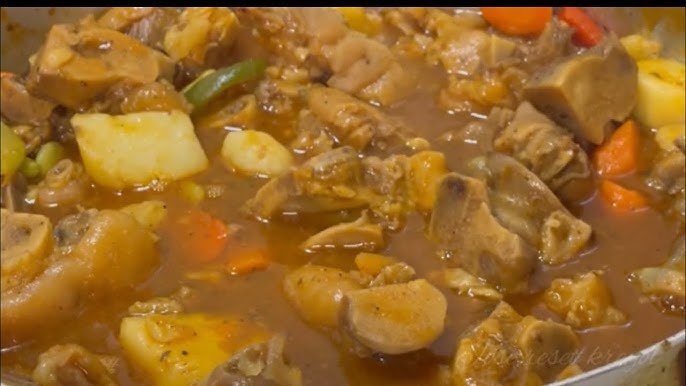
9. Ragou

A classic Haitian stew made with chunks of meat, vegetables and spices, creating a perfect symphony of flavors.

Haïti : Bouyon Tèt Kabrit

10. Bouyon Tèt Kabrit

This traditional goat’s head soup is simmered with herbs, root vegetables and plantains, providing a hearty dish for special occasions.

Haïti : Bannann a pwason

11. Bannann a pwason

A balanced and energetic dish based on banana and boiled fish sauce, accompanied by salad, constituting a pure delight.

Haïti : Fritay
Haïti : Fritay
Haïti : Fritay

12. Fritay

One of the most popular street foods, fritay, offers a variety of fried foods such as plantains, pate kòde, accra, pickle and others.

Haïti : Lalo
Haïti : Lalo
Haïti : Lalo

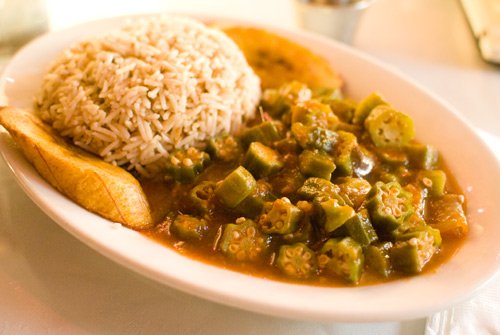
13. Lalo

Haitian lalo, made from lalo leaves, is accompanied by white rice, providing a delicious experience.

Haïti : Poulet Aux Noix

14. Poulet Aux Noix

This fusion of chicken in sauce and cashew nuts offers an extraordinary taste, particularly appreciated in the north of the country.

Haïti : Tchaka
Haïti : Tchaka
Haïti : Tchaka

15. Tchaka

Originally from Haiti, tchaka is a stew of red beans, corn and pork, associated with a festive and family atmosphere.

Haïti : Diri sòs pwa kongo ak sòs poul

16. Diri sòs pwa kongo ak sòs poul

A blend of white rice, beans and chicken sauce, offering a comforting treat, perfect in winter.

Haïti : Pwason Boukannen

17. Pwason Boukannen

Haitian “pwason boukannen”, grilled fish, highlights the freshness of the fish with tasty seasonings.

Haïti : Pen Patat
Haïti : Pen Patat
Haïti : Pen Patat

18. Pen Patat

A classic dessert made with sweet potatoes, bananas, butter, eggs and coconut milk, offering unrivaled sweetness.

Haïti : Boulèt lam
Haïti : Boulèt lam
Haïti : Boulèt lam

19. Boulèt lam

Warm, spicy golden breadfruit croquettes, often served at special events.

Haïti : Salad
Haïti : Salad
Haïti : Salad

20. Salad

A creamy and flavorful beet and potato salad made with potatoes, beets, onions, salt, mayonnaise, spices and sometimes corn and other vegetables.

Explore these Haitian delights for a unique culinary experience, delving into the heart of the gastronomic richness of this magnificent Caribbean country.

Share
About the Author
Appolon Guy Alain
Appolon Guy Alain
Appolon Guy Alain

Full Stack Developer, Créatif, expérimenté, passionné des nouvelles technologies et de l’art.

See other articles from Appolon Guy Alain
Decoste Claufil Godson

C'est vraiment bien et beau le fait de promouvoir notre culture, ou de préférence de rappeler aux haïtiens, nos frères et soeurs que nous avons eu une histoire, une si belle histoire et un si beau paysage. Et nous en sommes très fiers. Merci🔥🔥

January 11, 2024 - 05:48:03 PM
Leave a comment

Recently Posted

Caractéristique d’un lapin

Les lapins sont des mammifères appartenant à la famille des Leporidae. Voici quelques-unes de leurs caractéristiques principales : 1. **Physique** : Les lapins ont un corps couvert de fourrure douce, des oreilles longues et droites, de grands yeux sur les côtés de leur tête, et une queue courte et duveteuse. Ils possèdent de puissantes pattes arrière adaptées au saut. 2. **Taille et poids** : La taille et le poids peuvent varier considérablement selon la race, allant d’environ 500 grammes pour les plus petits à plus de 5 kilogrammes pour les plus grands. 3. **Comportement** : Les lapins sont connus pour être sociaux et peuvent vivre en groupes dans la nature. Ils communiquent entre eux par différents moyens, y compris par des sons et des mouvements corporels. Les lapins creusent des terriers pour y vivre et se protéger des prédateurs. 4. **Alimentation** : Ils sont herbivores, se nourrissant principalement de foin, d’herbes, de feuilles, de fleurs, et de certains légumes. Leur système digestif est adapté pour traiter une grande quantité de fibres. 5. **Reproduction** : Les lapins sont réputés pour leur capacité à se reproduire rapidement, avec des gestations courtes d’environ 28 à 31 jours. Une portée peut compter de un à douze lapereaux, selon la race. 6. **Sens** : Ils ont une excellente vision périphérique pour détecter les mouvements tout autour d’eux, mais ont une zone aveugle juste devant leur nez. Leur ouïe est également très développée, leur permettant de capter des sons à de grandes distances. 7. **Espérance de vie** : En captivité, les lapins peuvent vivre de 7 à 10 ans, selon la race et les soins prodigués, tandis que dans la nature, leur espérance de vie est généralement plus courte en raison des prédateurs et des maladies. Ces animaux nécessitent des soins appropriés, notamment un régime alimentaire équilibré, de l’exercice, et une attention particulière à leur bien-être émotionnel et physique pour vivre une vie saine et heureuse en captivité.

Newsletter

Subscribe to our newsletter to stay informed of all our activities and news on Haiti.

Haiti: A Little-Known Pillar of World Independence

Haiti, the world’s first independent black republic, played an exceptional role in the quest for independence for other nations. Although often overshadowed by other historical events, Haiti’s contribution to the liberation of other countries was significant and deserves to be highlighted. b~The Haitian Revolution~b At the turn of the 19th century, Haïti threw off the chains of slavery and achieved the impossible by freeing itself from French colonial rule. In 1804, the country proclaimed its independence, ushering in a new era for oppressed peoples around the world. b~Inspiration for Latin America~b The Haitian Revolution was a major source of inspiration for independence movements in Latin America. Iconic figures such as Simón Bolívar and Francisco de Miranda recognized the courage and determination of Haitians as a driving force for their own struggles. By materially and ideologically supporting these movements, Haïti contributed to the emergence of several independent nations in South America. b~Influence in Africa~b Beyond the Americas, Haïti also played a crucial role in the quest for independence in Africa. African leaders have left a legacy that has inspired entire generations of freedom fighters on the African continent. The idea that oppressed people could rise up against their oppressors found a powerful echo in the struggles for independence in Africa. b~Support for Liberation Movements~b Throughout its history, Haïti has provided substantial support to liberation movements around the world. Whether through troop dispatches, financial resources or active diplomacy, the country has demonstrated its solidarity with those fighting for their autonomy. Haiti’s contributions have often been discreet but crucial. Haiti, as a pioneer of independence and freedom, has left a lasting impact on the world stage. His legacy resonates across continents, reminding the world that the quest for freedom is universal. By recognizing and celebrating Haiti’s role in the independence of other nations, we not only honor its history, but we also commit to promoting a future where all people have the opportunity to shape their destiny.

The Haitian Carnival: A Festival of Colors, Music and Traditions

The Haitian carnival, an emblematic and essential celebration of the country’s festive calendar, is much more than a simple party. It embodies the very essence of Haitian culture, joyfully blending ancestral traditions, intoxicating music and a deep sense of community. Each year, this vibrant celebration transforms the streets into a vibrant and colorful spectacle, attracting thousands of participants and spectators eager to take part in this one-of-a-kind celebration. Haitian carnival has deep roots in the country’s history, dating back to colonial times. It has evolved over the centuries, incorporating elements of African, French and Creole culture to create a distinct and captivating celebration. The carnival period in Haïti traditionally begins in January and culminates with extravagant festivities that take place over several days. One of the most striking features of the Haitian carnival is the profusion of colors. Traditional costumes, called "masks", are elaborate and beautifully designed. They feature vivid patterns and vibrant decorations, creating a vivid picture of Haitian cultural identity. Participants, dressed in these elaborate costumes, parade through the streets to the sound of lively music, creating an electric atmosphere. Music is at the heart of the Haitian carnival. The captivating rhythms of compass, rasin, rara and other local musical genres resonate throughout the city, inviting people to dance to the rhythm of the party. Orchestras parade through the streets, accompanying the dancers and creating a unique symbiosis between the music and the graceful movements of the participants. The Haitian carnival parade is not just about the music and costumes; it also celebrates the richness of street arts. Talented artists create giant sculptures, art installations and theatrical performances that tell deep stories of Haitian history and culture. These artistic expressions contribute to the transmission of values ​​and stories that shape the identity of the Haitian people.

Recently Posted

History

History

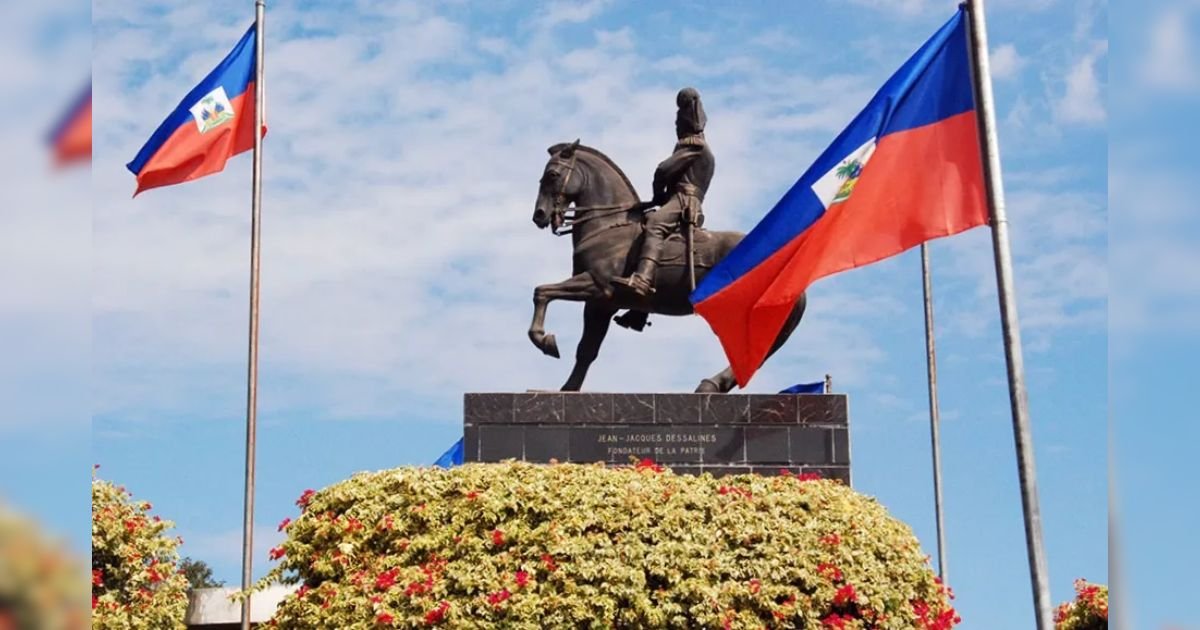
First black nation to free itself from slavery and gain independence from France in 1804 and influenced other liberation movements around the world, inspiring struggles for freedom and equality.

Natural beauty

Natural beauty

Haïti is blessed with spectacular natural landscapes, including white sand beaches, mountains and rich biodiversity.

Heritage

Heritage

Haïti has a rich historical heritage, including sites like the Citadelle Laferrière and the Sans-Souci Palace, listed as UNESCO World Heritage Sites.

Culture

Culture

Haïti has a rich and diverse culture, influenced by African, European and indigenous elements. Haitian music, dance, art and cuisine are celebrated around the world.

  • +
    • Post