contact@haitiwonderland.com+509 36184317

Discover

Shopping Cart

What does October 17th represent for Haiti?

What does October 17th represent for Haiti?

Why is October 17th etched in the hearts of Haitians? The brutal assassination of Jean-Jacques Dessalines reveals the dark secrets of the young republic. The story you need to know.

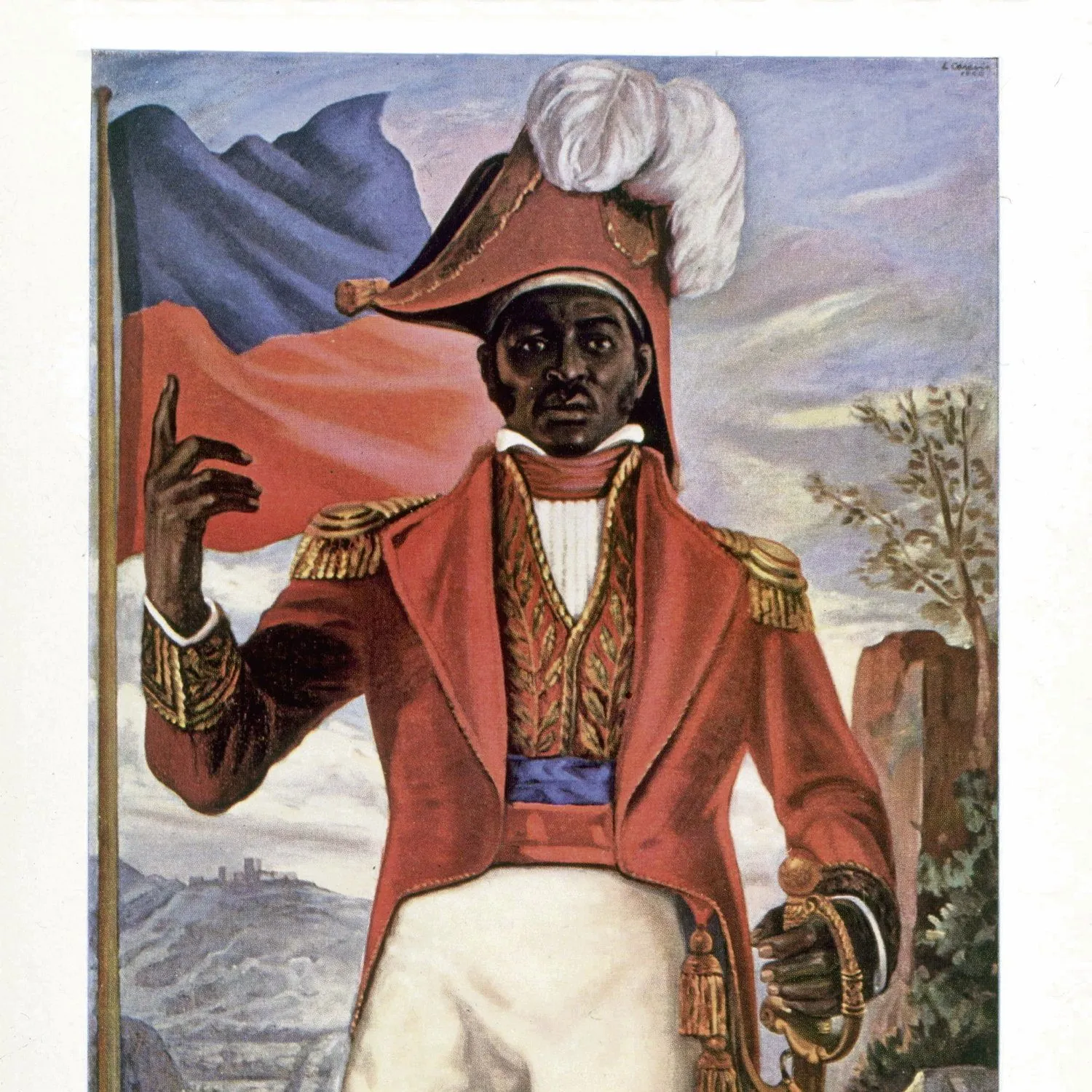
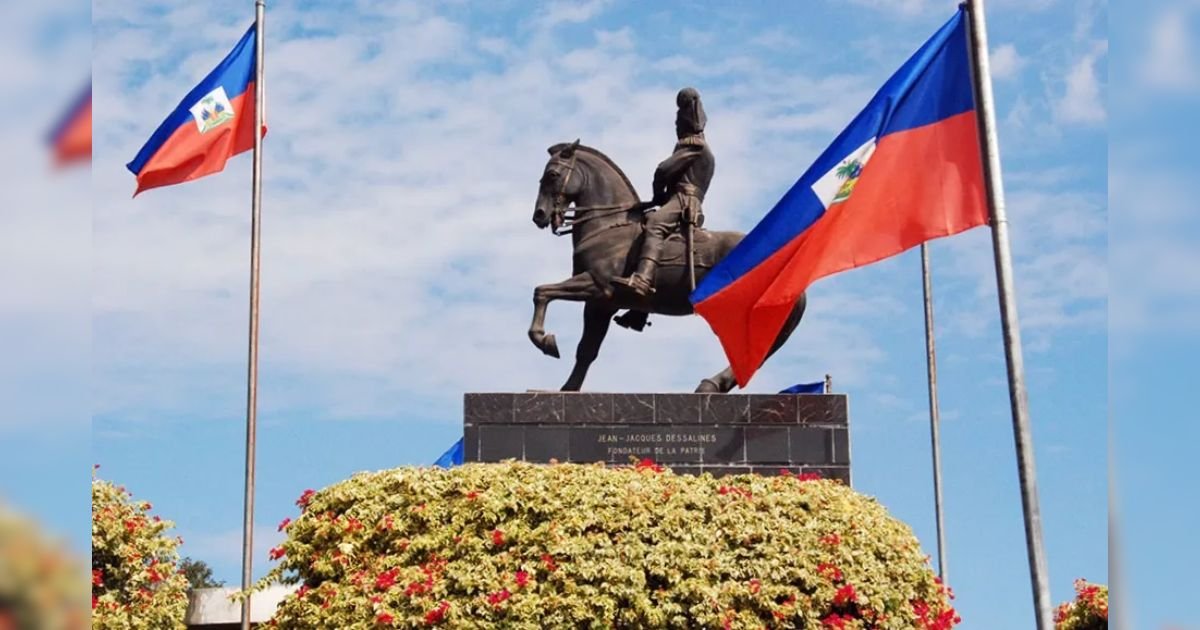
October 17th occupies a tragic but fundamental place in Haitian history. This date marks the assassination of Jean-Jacques Dessalines, the founding father of the Haitian nation and first emperor under the name of Jacques I.

Who Was Jean-Jacques Dessalines?

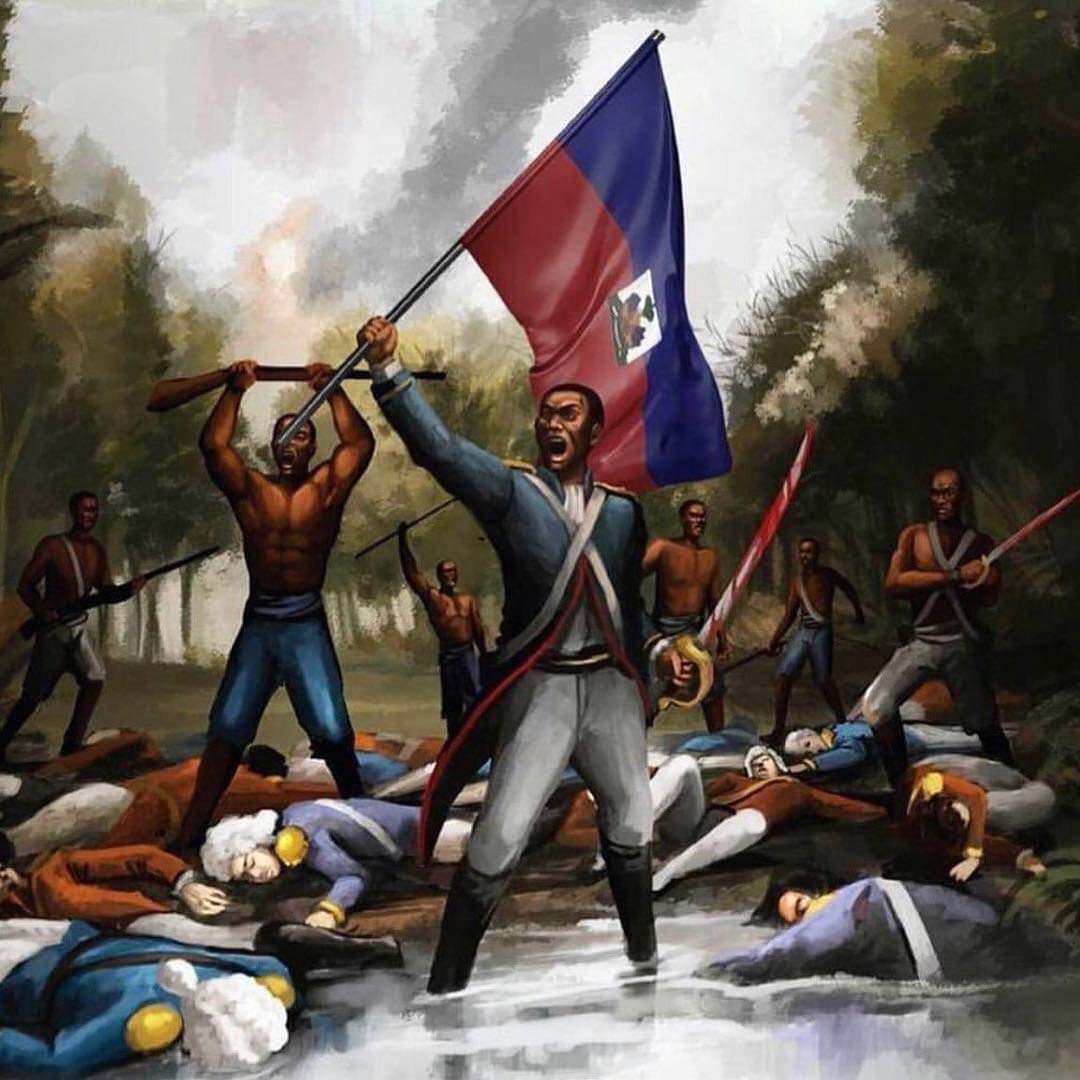
Jean-Jacques Dessalines remains one of the most iconic figures in Haitian history. Born a slave around 1758, he rose to become the military leader who consolidated Haiti’s independence in 1804, making the country the world’s first free Black republic and the first nation in the Americas to permanently abolish slavery.

Dessalines was renowned for:

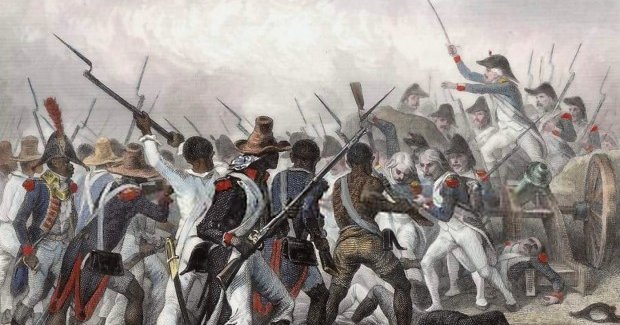
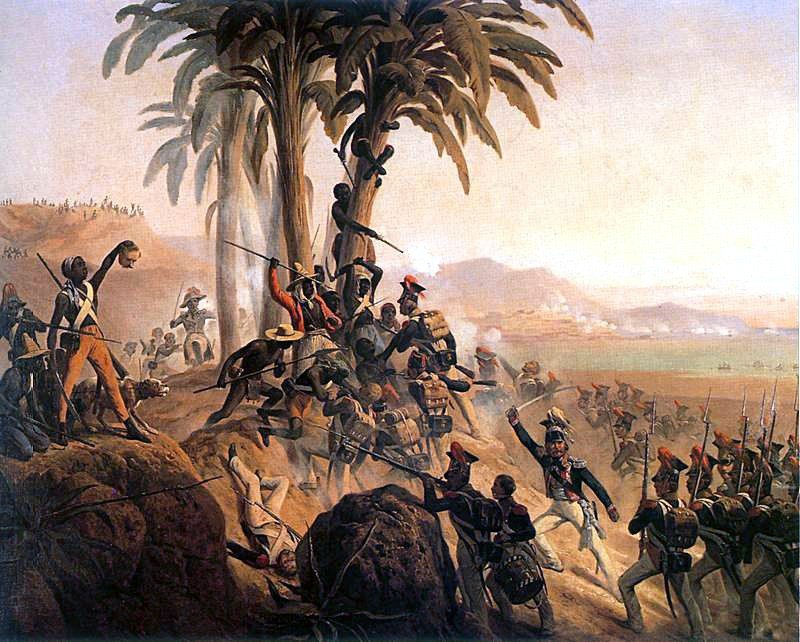
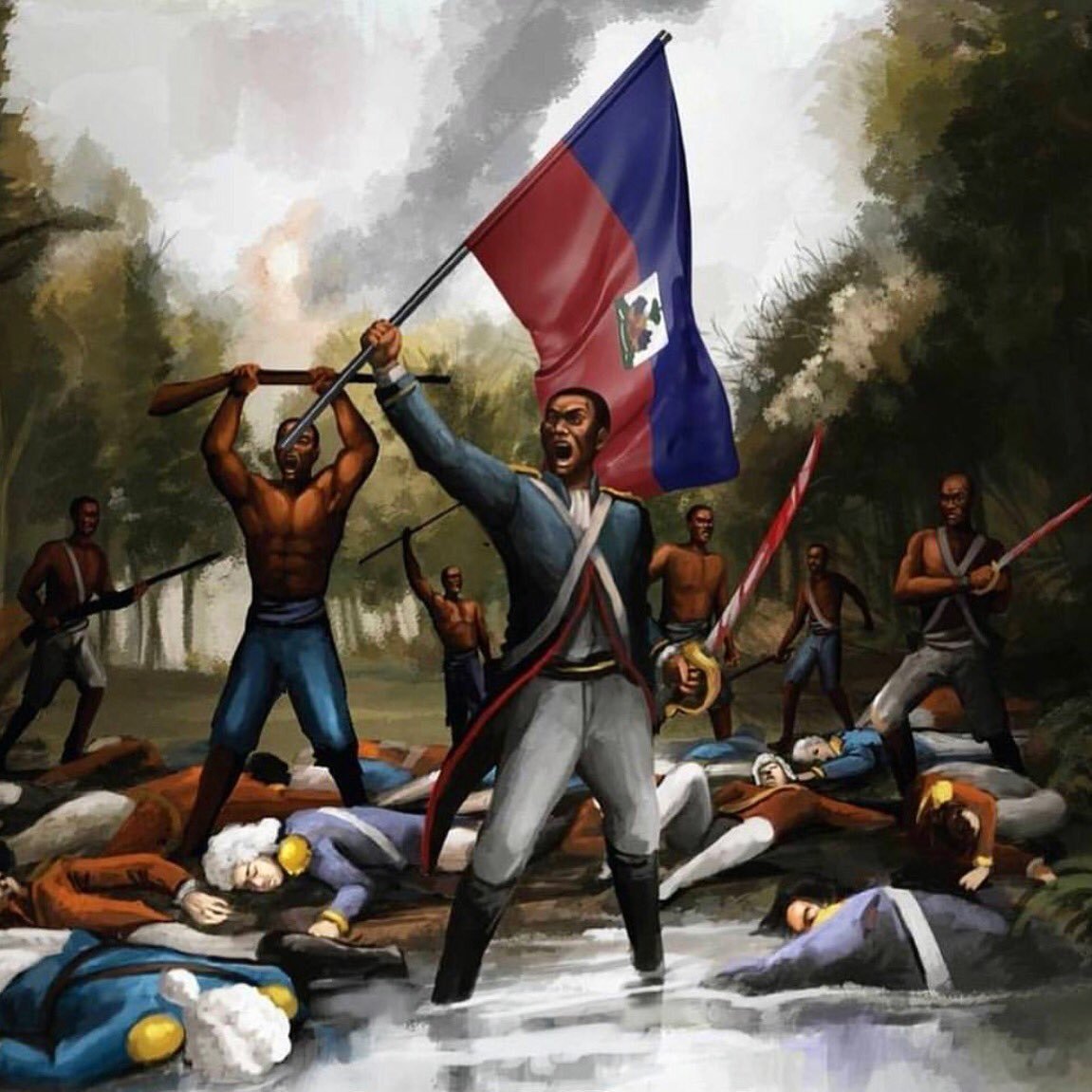
- His exceptional military bravery in the fight against French colonial forces
- His decisive role in the Battle of Vertières in November 1803
- His historic proclamation of Haitian independence on January 1, 1804
- His vision of a sovereign and independent Black nation

The Circumstances of the Assassination

On October 17, 1806, Dessalines was ambushed at Pont-Rouge, near Port-au-Prince, while en route to suppress a revolt in the south. His assassination was the result of a plot orchestrated by other Haitian generals, notably Alexandre Pétion and Henri Christophe, who opposed his authoritarian style of governance and radical agrarian policies.

This internal betrayal revealed the deep tensions that already existed in the young nation, barely two years after its independence. Dessalines’ body was mutilated and abandoned in a public square, a brutal symbol of the end of an era.

Dessalines’ Legacy for Modern Haiti

Despite the controversies surrounding his authoritarian reign, Dessalines remains a powerful symbol for the Haitian people:

A national hero: He is considered the true architect of Haitian independence, the one who had the courage to definitively break with colonial France.

The national anthem: "La Dessalinienne," Haiti’s national anthem, adopted in 1904, bears his name and honors his memory.

A symbol of resistance: Dessalines embodies resistance against oppression and the struggle for the dignity of Black people, a message that still resonates today.

A complex figure: Historians continue to debate his legacy, between his brutal methods and his vision of a sovereign and independent Haiti.

Haiti, dream space.
Haiti, dream space.

Haiti, dream space.

Between dream and Haitian reality: A call for unity and action Many men have dreamed big for Haiti. Toussaint Louverture and Jean Jacques Dessalines are examples. Although torn apart by invisible hands, the social fabric of the country had always been considered the greatest project to be set in motion by men of letters. Until then, the history of Haïti remains and remains for Haitians the most appropriate space to dream and propose full and complete freedom. Indeed, Toussaint Louverture had the dream of improving the lot of slaves. Dessalines, for his part, sacrificed himself for the independence of our island (Haiti-Saint-Domingue). After our liberation from the French, men of letters had to take other paths to safeguard the dignity of the country. This situation showed another form of revolution like poets of the patriotism school with supporters such as: Louis Joseph Janvier, Anténor Firmin, Demesvar Délorme and the Generation of the Round with Fernand Hibbert, Georges Sylvain also the indigenous school with Jean Price Mars, Jacques Stephen Alexis, Roussan Camille etc... who express their discontent by pouring ink. By describing or painting the situation of the country. Several years which were first conceived and then born the idea of ​​giving the country its sovereignty, its own bicolor, its army, etc. it was not easy and did not continue like this. Haïti needs for the moment men of dreams, men who love their countries, but not the wealth of this country, men who love the happiness of their country, but not its misfortunes, men who have viable projects , but are not specialists in carnage who are only interested in their pockets, rather for the happiness of our two-tone, men who must fight against corruption, against waste, against the invisible hands of foreigners, against this form of public administration which targets only a small group of people in the country to the detriment of the population, this form of insecurity planned by the state, the so-called bourgeoisies, economic powers from abroad such as: France, USA, Canada, Brazil. q~Haïti in 1979 with full power. Maître Fevry is said to have declared: The dream of Haïti cannot support, nor accept improvised solutions ~q. The Haitian’s dream must always be a team effort. A team of men of skill, vision, good will, reflection and meditation. q~ Men who can place their personal and private interests over public interests. Men who want to make a new start to achieve the dream of Jean Jacques Dessalines and that of Henri Christophe who aimed that Haitians will not envy any other country in the world so that all Haitians can be happy in their own country, chanted Professor Lesly Saint Roc Manigat.~q Our dear Haiti, which was once the pearl of the Antilles, is no longer present today. For this we ask all Haitians: children, young people, adults and old people, let us unite our arms, our strength, our voices and all that we could do to liberate our dear homeland Haïti Chérie. Let’s change our reality together! Long live Haiti, long live freedom for the whole world.


How Haïti Commemorates October 17

Every year, October 17th is an opportunity for Haitians to reflect on their national history. Official ceremonies are held at Pont-Rouge, the site of the assassination, where wreaths are laid. Historical debates, lectures, and educational programs remind new generations of Dessalines’ sacrifice.

This commemoration also invites a broader reflection on the internal divisions that have marked Haïti since its early days of independence, a theme that unfortunately remains relevant today.

Why October 17th Remains Important Today

More than two centuries after his death, Dessalines remains a central figure of Haitian identity. October 17 reminds Haitians of:

- The price of independence and freedom
- The dangers of national division
- The importance of unity in building a strong country
- The need to preserve Haitian sovereignty

In a context where Haïti continues to face numerous political, economic, and social challenges, the memory of Dessalines serves as a reminder that the nation has already overcome extraordinary hardships and possesses within itself the resources to rebuild.

A Date Etched in Collective Memory

October 17, 1806, marks a tragic turning point in Haiti’s history, the abrupt end of its founder’s dream. But this date also symbolizes the resilience of a people who, despite hardship, continue to rise up and fight for their future. By remembering Dessalines, Haitians honor not only a man, but the very idea of ​​freedom and dignity for which he fought throughout his life.

Share
About the Author
Appolon Guy Alain
Appolon Guy Alain
Appolon Guy Alain

Full Stack Developer, Créatif, expérimenté, passionné des nouvelles technologies et de l’art.

See other articles from Appolon Guy Alain
Leave a comment

Recently Posted

Newsletter

Subscribe to our newsletter to stay informed of all our activities and news on Haiti.

Recently Posted

History

History

First black nation to free itself from slavery and gain independence from France in 1804 and influenced other liberation movements around the world, inspiring struggles for freedom and equality.

Natural beauty

Natural beauty

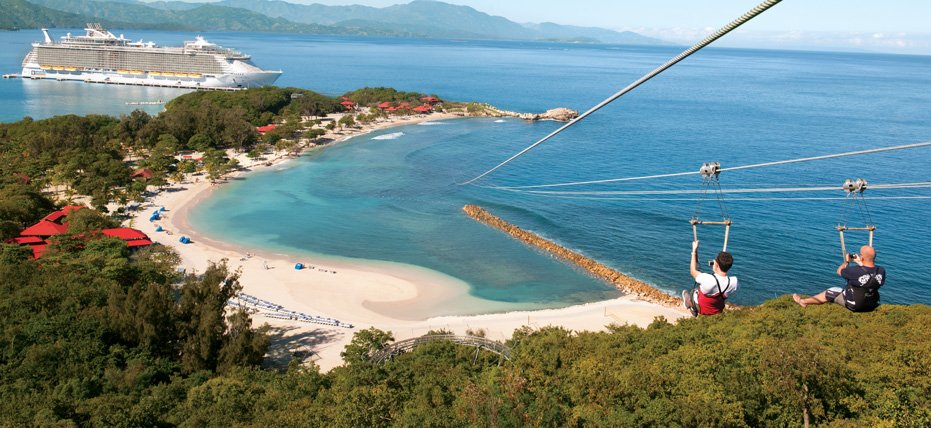
Haïti is blessed with spectacular natural landscapes, including white sand beaches, mountains and rich biodiversity.

Heritage

Heritage

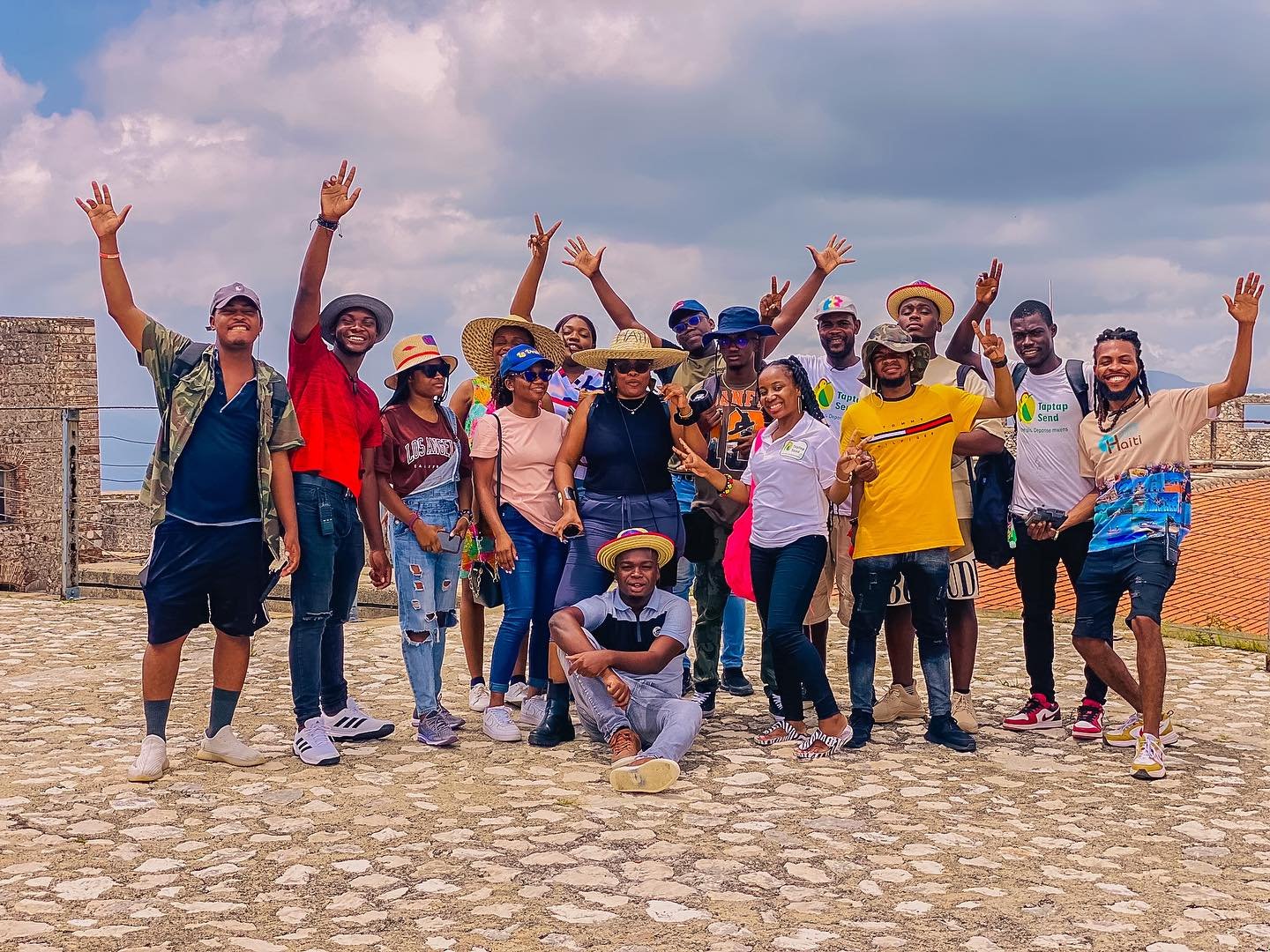
Haïti has a rich historical heritage, including sites like the Citadelle Laferrière and the Sans-Souci Palace, listed as UNESCO World Heritage Sites.

Culture

Culture

Haïti has a rich and diverse culture, influenced by African, European and indigenous elements. Haitian music, dance, art and cuisine are celebrated around the world.

  • +
    • Post