The city of Jacmel launched the festivities of the 2026 National Carnival with a spectacular pre-parade, organized by the city hall in partnership with the carnival committee. This first major event marks the official entry of the southeastern city into a festive season eagerly awaited by residents and visitors alike.
Streets Transformed into an Open-Air Stage
Early on, the city streets were transformed into a vast open-air theater. Dance troupes, traditional masquerades, and marching bands filled the main thoroughfares, offering a vibrant spectacle where movement, imagination, and cultural heritage intertwined. Musical entertainment, provided by several DJs, amplified the excitement, immersing the public in a rhythmic, colorful, and creative atmosphere.
A Celebration of Jacmel’s Cultural Identity
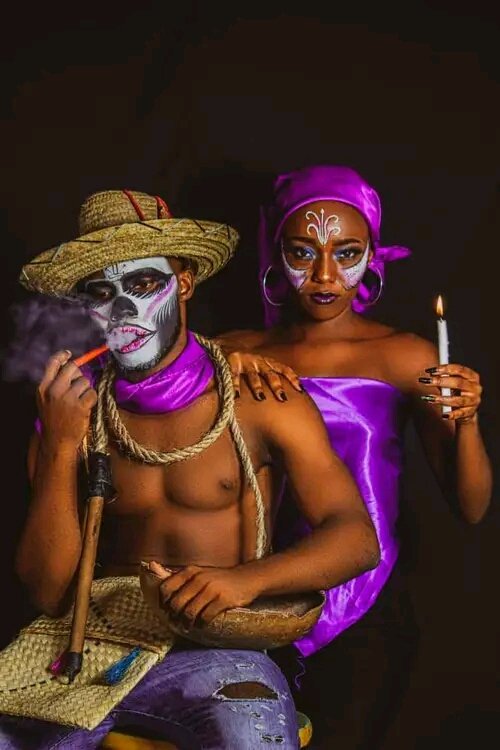
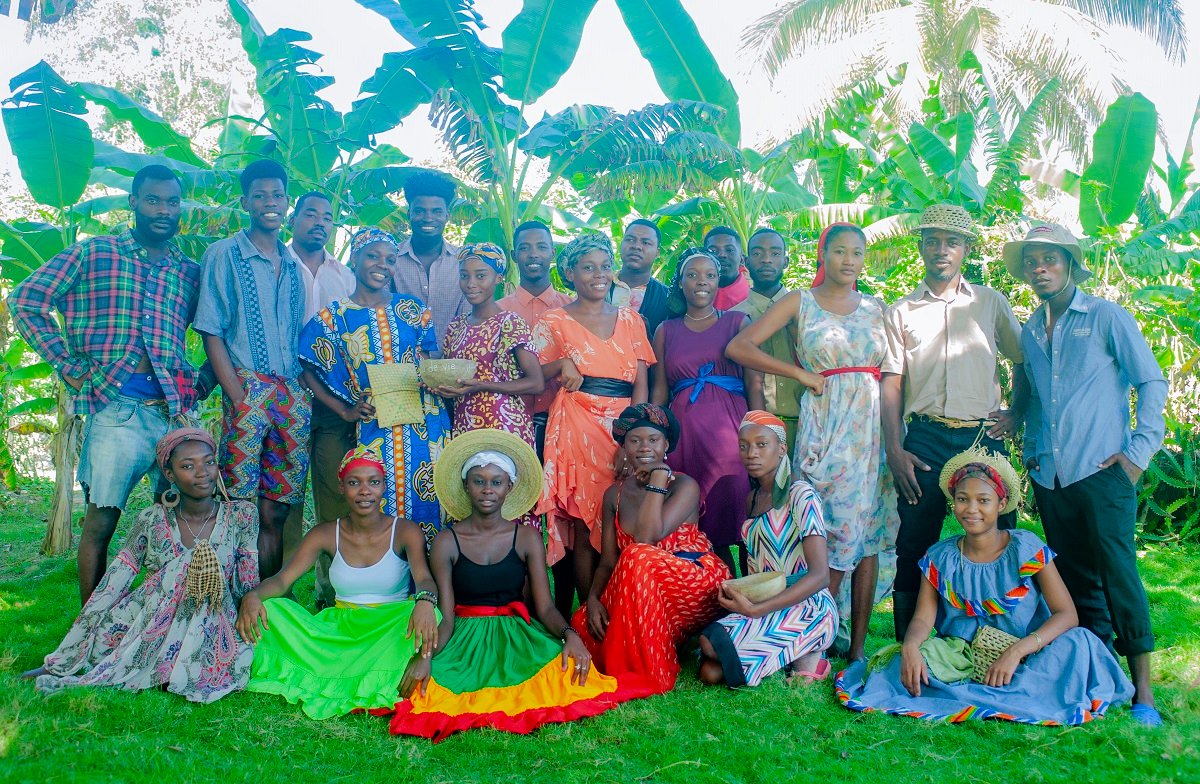
Under the theme "Jacmel in Our Dreams," this edition brought together an impressive crowd of carnival-goers, citizens, and visitors who came together to celebrate the city’s cultural identity. The originality of the performances, the exquisite costumes, and the quality of the organization were widely praised, confirming the artistic expertise for which Jacmel is renowned.
Jacmel, an Essential Showcase of Haitian Carnival
Through this successful pre-parade, the city reaffirms its status as a cultural benchmark for Haitian carnival. Tradition and innovation meet here, giving rise to a unique popular expression. Local authorities hope that this festive energy will continue throughout the scheduled activities, contributing to strengthening the tourist and cultural appeal of this southeastern metropolis.
The Jacmel Carnival, a Living and Historic Tradition
The Jacmel Carnival occupies a unique place in Haiti’s cultural history. Renowned for its papier-mâché masks, satirical characters, and keen sense of staging, it has established itself over the decades as one of the most authentic and creative carnivals in the country.
An artistic and symbolic heritage
Stemming from a long history of cultural resistance and popular expression, the Jacmel carnival draws its roots from African, European, and local traditions. It constitutes a space for freedom, social critique, and collective memory, where art becomes language and commitment.
A carnival that tells a story and questions society
Unlike carnivals dominated by musical floats, Jacmel distinguishes itself through a narrative and artistic approach. Each edition tells a story, questions the present, and summons the collective conscience. More than just a celebration, the Jacmel carnival remains a major cultural event, bringing renown to the city far beyond its borders.