

1. Mini Griot or Chicken Sandwiches
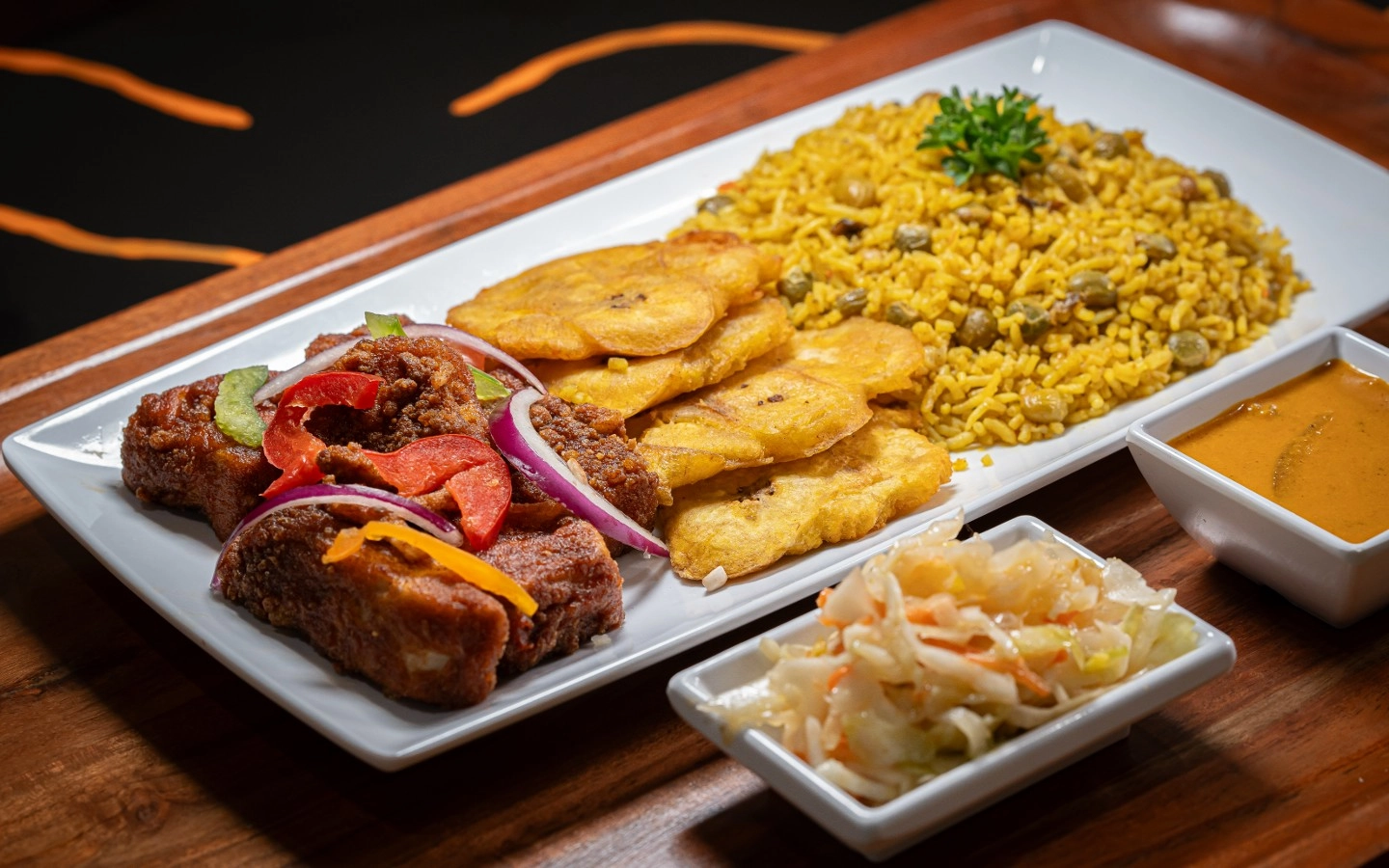
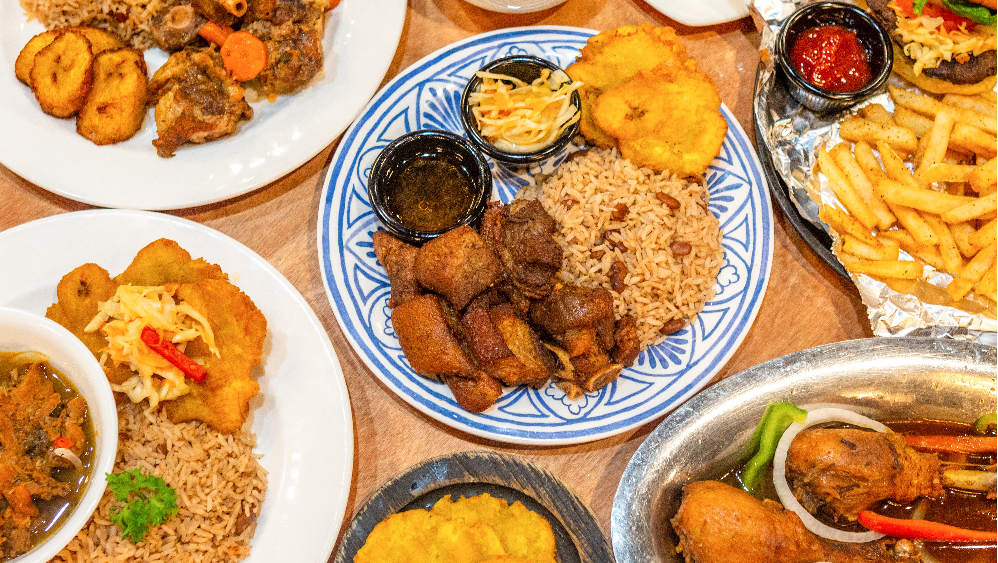
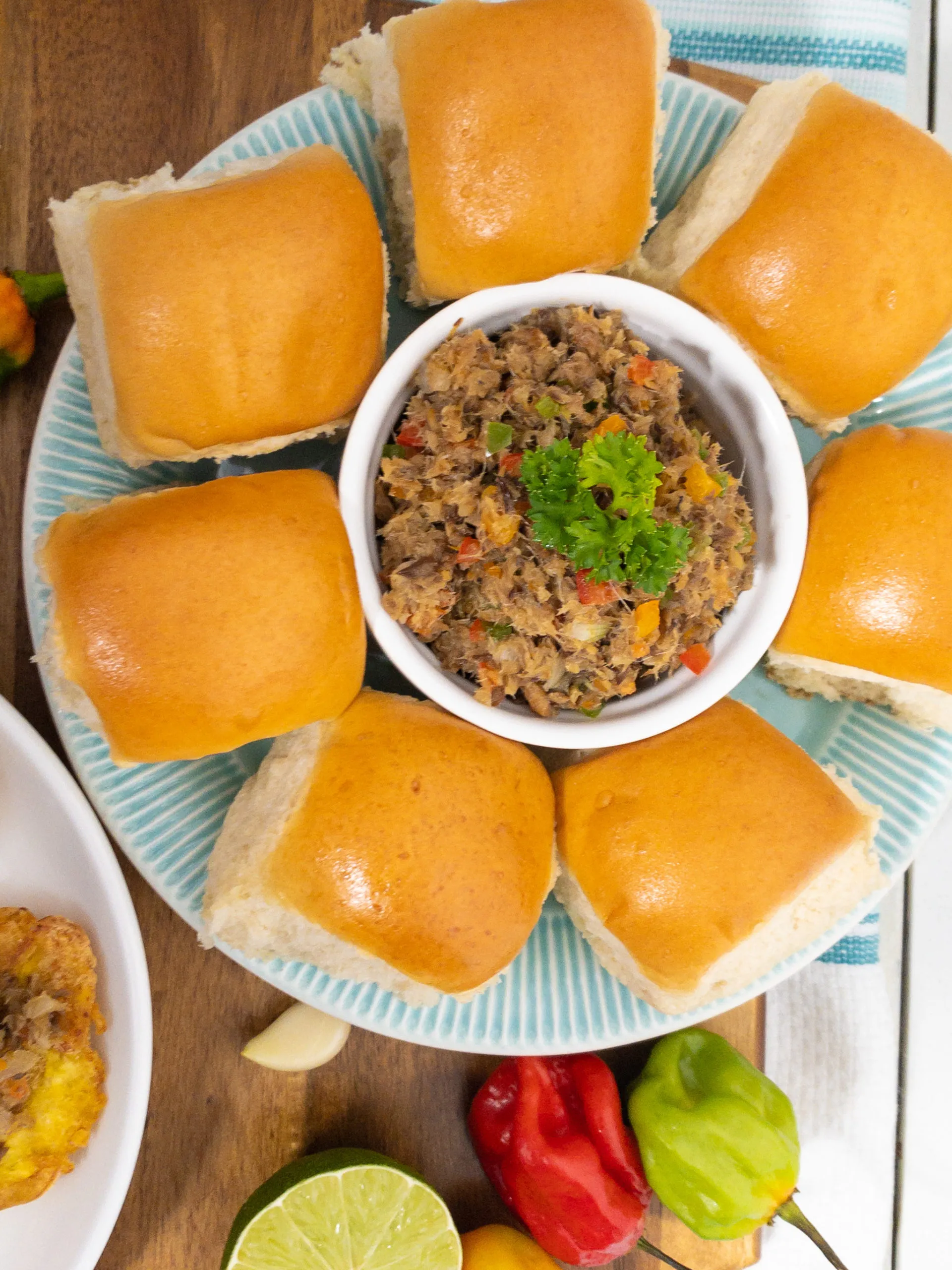
Griot is marinated, crispy porka classic! For an easy-to-eat version, make small sandwiches with bread.
Are you a parent? Are your children already going to school? Don’t say anything, I know! Every morning, it’s the same question: "What’s in their lunch today?" You want it to be tasty, balanced, and, above all, for your child to enjoy what they’re eating.
Here are 5 simple and delicious ideas to treat your child at school.
Read the article in :
Griot is marinated, crispy porka classic! For an easy-to-eat version, make small sandwiches with bread.
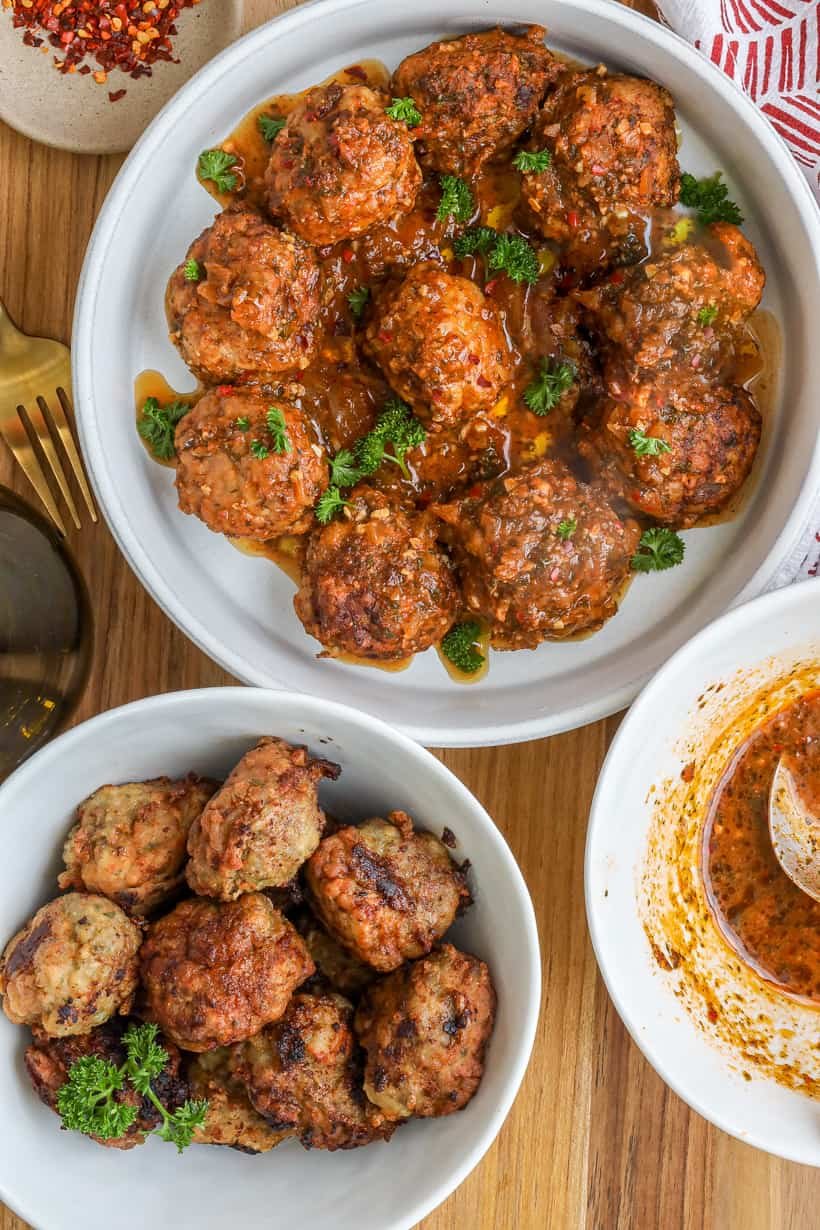
Small, well-seasoned meatballs served with crispy fries and a touch of vegetables (diced peas or carrots) for a complete and balanced meal.
Nothing beats an assortment of local fruits to bring freshness and vitamins! Mango, pineapple, melon, or papaya, cut into chunks for easy eating.
Slices of ripe banana wrapped in thin strips of grilled chicken. A perfect balance of sweet and savory that will delight little gourmands!
If your child enjoys traditional dishes, a small portion of sticky rice with red peas and chunks of fried or grilled fish is a delicious option.

Facebook : https://www.facebook.com/haitiwonderland
Youtube : https://www.youtube.com/@haitiwonderland
Instagram : https://www.instagram.com/haitiwonderland/
Twitter : https://twitter.com/haitiwonderland
Linkedin : https://www.linkedin.com/in/haitiwonderland/
Haiti, often nicknamed "the Pearl of the Antilles", is a Caribbean island nation that shines with its cultural wealth. This richness is the result of a unique blend of African, French, Spanish and indigenous influences, shaped by a tumultuous history and remarkable resilience. Let’s explore together the varied facets of this vibrant and profound culture.
Haiti, the pearl of the Antilles, is attracting more and more attention from travelers looking for unique and authentic experiences. This Caribbean jewel is full of cultural, historical and natural riches that make it an unmissable tourist destination. So why choose Haïti among so many other destinations? b~The Fascinating History~b Haïti has a rich history, marked by the Haitian Revolution of 1804, which led to the country’s independence and made Haïti the first independent black republic. Historical sites such as the Citadelle Laferrière, listed as a UNESCO world heritage site, bear witness to this glorious past. History lovers will be delighted by the colonial remains, museums and monuments that dot the country. b~An Exuberant Nature~b The natural landscapes of Haïti are breathtaking. From white sand beaches to lush mountains and picturesque waterfalls, the country offers a diversity of vistas to explore. La Visite National Park and the Bassin Bleu are must-sees for nature lovers and adventurers in search of discoveries. b~Cultural Wealth~b Haïti is the birthplace of Voodoo, an Afro-Caribbean religion that has deeply influenced Haitian culture. Visitors have the opportunity to experience voodoo ceremonies, traditional dances and captivating music. Colorful markets, lively festivals and local artisans offer total immersion into daily Haitian life. b~A Living Art~b The Haitian art scene is vibrant and unique. Painting, sculpture and traditional crafts reflect the boundless creativity of the Haitian people. Local art galleries and markets are full of colorful and expressive works, offering visitors the opportunity to acquire unique pieces as souvenirs of their trip. b~Haitian Hospitality~b Haitians are renowned for their warmth and exceptional hospitality. Visitors are greeted with a genuine smile and remarkable kindness. Hospitality traditions are deeply rooted in Haitian culture, creating a warm and friendly atmosphere that makes each stay memorable. Haïti stands out for its captivating blend of culture, history, nature and hospitality. Choosing Haïti as a tourist destination means opting for an authentic adventure in the heart of the Caribbean, where each corner of the island reveals a new facet of its beauty and wealth. So, let yourself be seduced by the Haitian magic and set off to discover this unique Caribbean treasure.
Subscribe to our newsletter to stay informed of all our activities and news on Haiti.
Nestled in the heart of the Caribbean Sea, Haïti is known not only for its rich cultural and historical heritage, but also for its pleasant tropical climate which makes it a popular destination for tourists and nature lovers. Located in the Greater Antilles, Haïti shares the island of Hispaniola with the Dominican Republic and benefits from a climate that profoundly influences daily life, the economy and the biodiversity of the country.
HIV/AIDS remains a major threat to public health, especially among young people in Haiti. Faced with this reality, LEAD-ACADEMY, an organization founded in December 2020 by Dwinny Belval, has committed itself through the project “KANPAY SANSIBILIZASYON POU GOUMEN KONT VIH/SIDA” (“Awareness Campaign to Combat HIV/AIDS”). This initiative, launched as part of World HIV/AIDS Day, aims to mobilize Carrefour schoolchildren and promote responsible behavior in the face of this epidemic.
Imagine a country where history pulsates on every street corner, where sandy beaches rival the finest in the Caribbean, and where a vibrant culture transports you into a whirlwind of colors, flavors and captivating rhythms. Welcome to Haiti, the pearl of the Antilles! Too often overshadowed by its tourist neighbors, Haïti nevertheless conceals treasures that are just waiting to be discovered by travelers. This country, the first independent black republic in the world, offers a unique travel experience, far from the beaten track of mass tourism. From the majestic Citadelle Laferrière dominating the northern mountains to the turquoise waters of Bassin Bleu near Jacmel, via the colorful markets of Port-au-Prince, Haïti is a land of striking contrasts. It’s a country where art springs up on every street corner, where Vodou spirituality rubs shoulders with Catholicism, and where the legendary hospitality of its inhabitants will make you feel at home. Whether you are a history buff, a lover of heavenly beaches, a gourmet in search of new flavors or simply curious to discover a fascinating culture, Haïti has something unique to offer you. In this article, we reveal 7 irresistible reasons to pack your bags for Haiti. Prepare for a journey that will awaken your senses, nourish your spirit and leave an indelible imprint on your heart. Find out why Haïti should be at the top of your list of destinations to explore!
In Haiti, Christmas is a magical time for children, where traditions and festivities blend to create unforgettable memories. Two dates, in particular, mark this season: December 24, Christmas Eve, and December 31, which heralds the New Year. These moments are rich in activities and emotions, putting the youngest at the heart of the celebrations. This article explores why these two days are so special for children in Haiti.

First black nation to free itself from slavery and gain independence from France in 1804 and influenced other liberation movements around the world, inspiring struggles for freedom and equality.

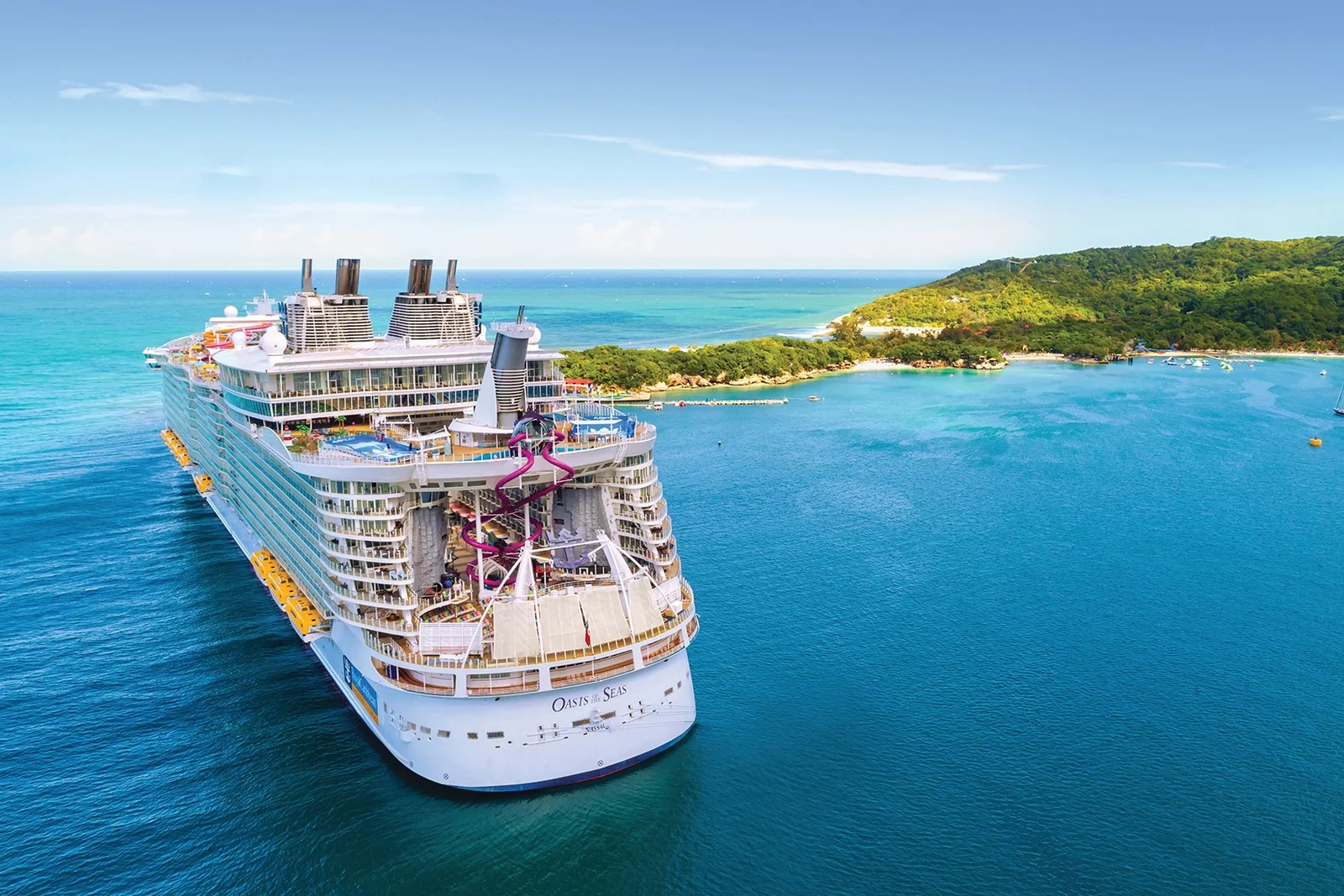
Haïti is blessed with spectacular natural landscapes, including white sand beaches, mountains and rich biodiversity.

Haïti has a rich historical heritage, including sites like the Citadelle Laferrière and the Sans-Souci Palace, listed as UNESCO World Heritage Sites.

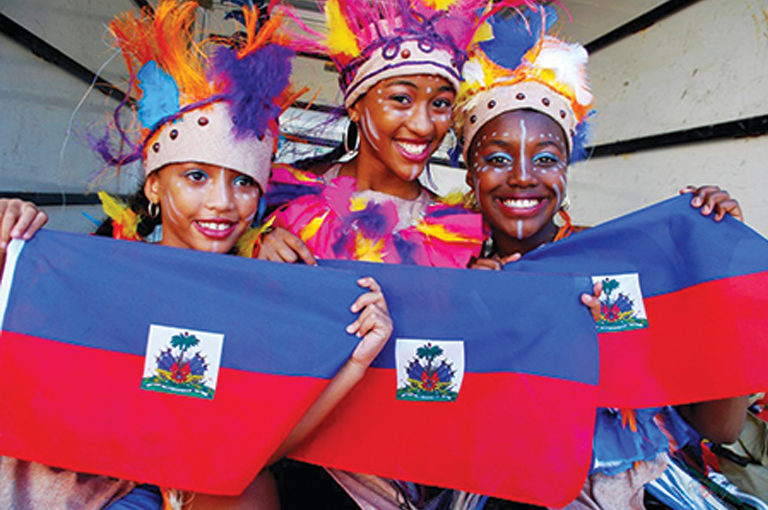
Haïti has a rich and diverse culture, influenced by African, European and indigenous elements. Haitian music, dance, art and cuisine are celebrated around the world.