contact@haitiwonderland.com+509 36184317

Discover

Shopping Cart

Living in prose and poetry: A successful bet for the Cultural Association Salon du Livre de Port-au-Prince

Living in prose and poetry: A successful bet for the Cultural Association Salon du Livre de Port-au-Prince

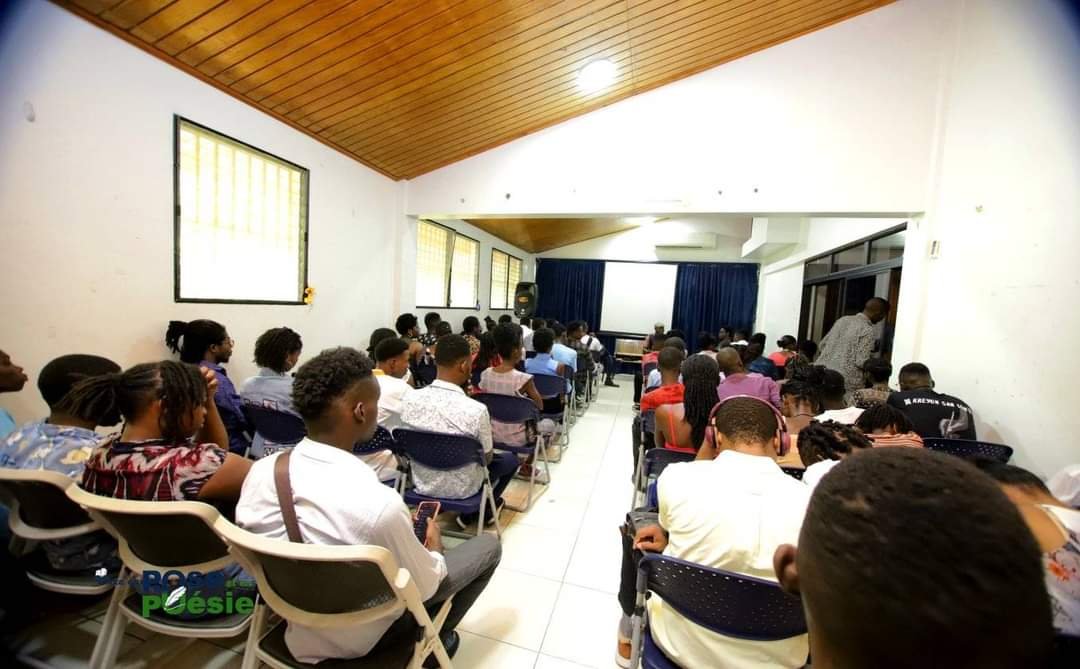
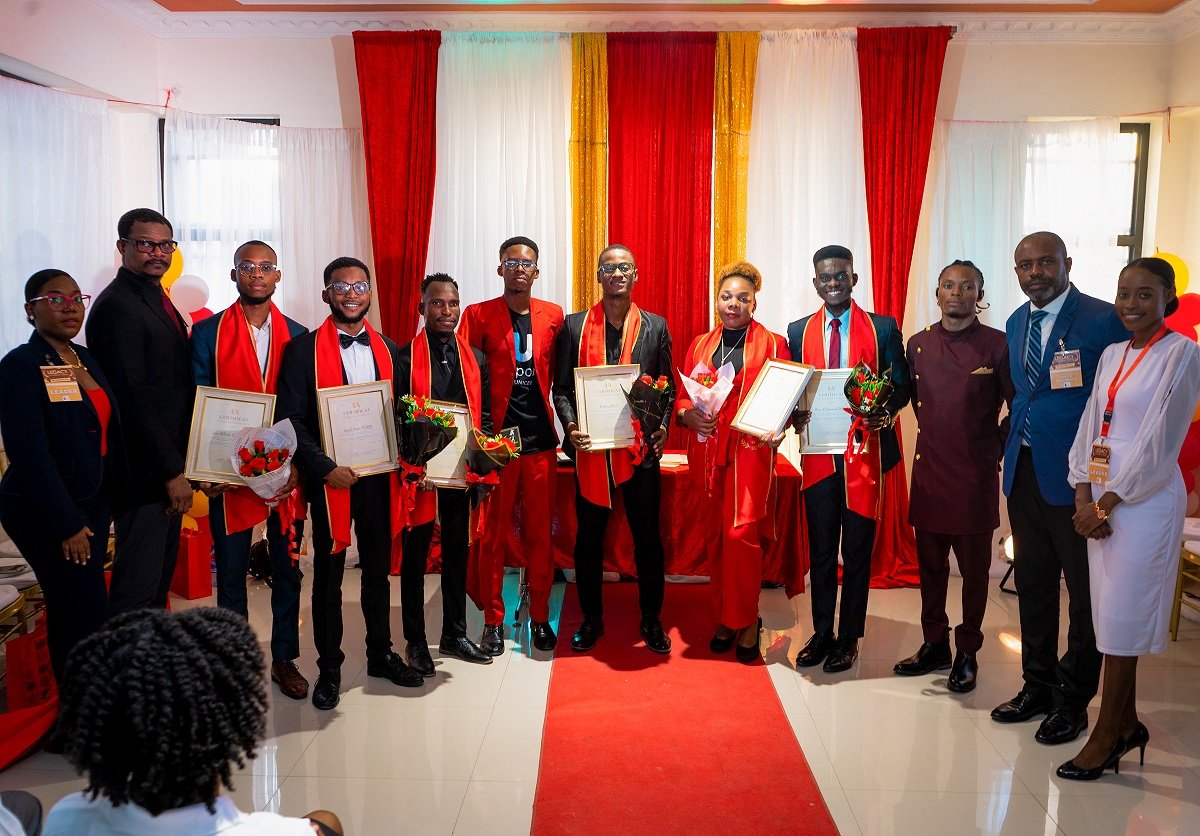
On Saturday, July 27, the Pyepoudre cultural center, located at number 312 on the road to Bourdon, was transformed into a real creative hive thanks to the initiative of the Cultural Association Salon du Livre de Port-au-Prince entitled ’’Living in prose and poetry’’. This event, placed under the theme "from Haiti, a country that lives in us", fully kept its promises. Bringing together young talents from all walks of life to express their genius through song, rap, slam, dance and poetry. This artistic event was a great success with a young audience who came in large numbers to follow the activity. It also highlighted the growing commitment of Haitian youth to culture.
A memorable day for the public

The first part of the day was enlivened by the intervention of the young poet and art history student at the UEH, Dakovens Paulin, followed by that of the cultural journalist Carl-Henry Pierre, who presented the novel "L’Autre face de la mer" by Louis-Philippe DAlembert.

The two speakers respectively took care to approach the novel in its sociological and psychoanalytical dimension in their interventions, they also offered the young audience the opportunity to reflect on the theme of exile and its importance in the life of the Haitian being. The conference ended with an enriching exchange between the speakers and the public. The rest of the day was marked by varied artistic performances that captivated an enthusiastic audience eager for such an event.

See as well

A total success

The success of this activity bears the mark of another point of honor, in the very beautiful calendar of the Cultural Association Salon du Livre de port-au-prince. According to the organizers of the event, the objective was not only to promote young talents, but also to create a space conducive to the development of Haitian culture and to constitute a communication network between the talents of Port-au-Prince. "The second edition of Vivre en prose et en poésie was a great celebration, a beautiful cultural atmosphere. But also, a moment of reunion between some long-time comrades, some actors of the Haitian cultural environment. The feedback is positive. We are satisfied within the team with our achievement. Already, very much alive and ready for the future. We are for a strong and useful Haitian culture," declared Emmanuel Pacorme, the general coordinator of the association. Moreover, Marcus Jusma, a young sociology student at the U.E.H, declared that he had a pleasant time "in summary, I can say that this day was a great journey into the world of literature and culture of my country". he finally admitted, his face full of enthusiasm.

Another representation of Haitian youth

The Cultural Association Salon du Livre de Port-au-Prince embodies a part of Haitian youth that wants to be the bearer of a voice different from that associated with violence. At a time when Haitian youth is often reduced to an image of armed gangs defying public authorities, this association shows another side of Haiti. It demonstrates that the prospect of an alternative future for the country is possible thanks to a youth determined to promote literature, arts and culture.

The day of prose and poetry organized by the Cultural Association Salon du Livre de Port-au-Prince was a real success. It not only highlighted the talents of Haitian youth, but also strengthened the bond between young artists and the public. This second edition of "Living in Prose and Poetry" will remain a powerful testimony to the vitality and cultural richness that characterize Haïti in its deepest intimacy.

Haïti / Ganthier: I Let You In, an Ode to Modern Relationships by Igens VIL

Haïti / Ganthier: I Let You In, an Ode to Modern Relationships by Igens VIL

The Meaning of the Essence of Love The commune of President Boniface Alexandre and Martial CELESTIN produces a talented artist. Yes, Ganthier stands out as one of its best representatives on the international scene. "I Let You In" is a title that lays bare the complexity of heterogeneous relationships around the world. This opus, both provocative and touching, awakens the mind, body and soul. I am deeply moved by the way in which the artist Igens VIL, a true emblematic figure of Ganthier, evokes intense emotions and provokes reflection on the issues of contemporary romantic relationships. Each verse of this composition, co-written with Dayvin Kaponda, contains profound messages about tolerance towards others, our aspirations and ambitions, the true foundations of authentic love. It is the very essence of life. Despite the tumults of daily life and the inevitable misunderstandings in human relationships, he reminds us that “in my life, there is always a me; I have tried everything. Even if it means taking a step back, I am ready to do it. And if it means, I will get down on my knees”. The singer, who spent a large part of his adolescence in Galette-Chambon, the first communal section of the commune of Ganthier, is now active in the French music industry. He eloquently and skillfully addresses the complex triangle of sentimental relationships: sacrifice, tolerance and communication. This remarkable work deserves to be heard everywhere; it inspires faith, reflection and action. Gensbe, known as Igens VIL, deserves awards for this song. Guitarist, singer, composer and academic in France, he embodies a rare mix of talents for a young Haitian engaged in these demanding fields that require time, sacrifice and a lot of energy. Today, Gensbe is at his peak and never gives up. More songs are in the works for you, dear listeners. Subscribe to Gensbe on YouTube and other platforms. He is without a doubt one of the best Haitian artists among the big international names. I’ll let you in.



Share
About the Author
Moise Francois
Moise Francois
Moise Francois

Journalist editor, poet and apprentice lawyer.

See other articles from Moise Francois
Leave a comment

Recently Posted

Newsletter

Subscribe to our newsletter to stay informed of all our activities and news on Haiti.

Jean-Jacques Dessalines, leader of the Haitian Revolution

In the annals of the history of Haiti, an island located in the Caribbean at the entrance to the Gulf of Mexico and shared with the Dominican Republic, Jean-Jacques Dessalines emerges like a phoenix from the ashes of oppression. Born a slave on September 20, 1758 in the home of Henri Duclos, in Cormier (Grande-Rivière-du-Nord), in the French colony of Saint-Domingue, Dessalines was a Creole of African (Afro-Caribbean) origin. Freed during the 1794 abolition achieved through slave revolts, actually served as an officer in the French army during the French Revolution. At that time, the ideas of freedom and equality were at the heart of the concerns of the inhabitants of the colonies. Dessalines actively participated in the fighting against the Spanish and British forces, alongside the French, in Santo Domingo. Having risen to the rank of Lieutenant General, Jean-Jacques Dessalines turned against the French during the Leclerc expedition, sent to Saint-Domingue by Bonaparte to reestablish colonial authority and slavery during the Haitian Revolution. After the capture and deportation of Toussaint Louverture to France on June 7, 1802, Dessalines assumed a leading role in continuing the struggle for independence. He led numerous battles, including the battle of Crête-à-Pierrot in March 1802, where he galvanized his soldiers with his famous declaration: “Let those who want to remain slaves of the French leave the fort, let those, on the contrary, who want to die as free men, line up around me.” On January 1, 1804, Jean-Jacques Dessalines achieved the long-awaited goal of independence by proclaiming Haïti as a sovereign nation, becoming the second country in the Americas to gain independence from a colonial power. He became the first leader of the newly formed nation and was named Emperor under the name James I. However, his imperial reign was marked by authoritarian and brutal policies, including the massacre of many white settlers and the redistribution of land to peasants that was in the hands of the generals of the independence army. In addition, he organized the hunt for delinquents in the city while implementing rigorous agrarian policies, considering that they represented a threat to the stability of the nation, these controversial actions caused divisions within Haitian society. Dessalines was assassinated on October 17, 1806 following a plot organized by some of his generals in the Haitian army. His death marked the end of his brief but influential period in power. Despite the controversies surrounding his methods, he is recognized as the main architect of Haiti’s independence and his name was honored in 1903 by being attributed to the Haitian national anthem, La Dessalinienne, composed by Justin Lhérisson.Finally, the great visionary man Jean Jacques Dessalines remains an emblematic figure in the history of Haiti, recognized for his role in the fight for independence and the end of slavery in the region.

Recently Posted

History

History

First black nation to free itself from slavery and gain independence from France in 1804 and influenced other liberation movements around the world, inspiring struggles for freedom and equality.

Natural beauty

Natural beauty

Haïti is blessed with spectacular natural landscapes, including white sand beaches, mountains and rich biodiversity.

Heritage

Heritage

Haïti has a rich historical heritage, including sites like the Citadelle Laferrière and the Sans-Souci Palace, listed as UNESCO World Heritage Sites.

Culture

Culture

Haïti has a rich and diverse culture, influenced by African, European and indigenous elements. Haitian music, dance, art and cuisine are celebrated around the world.

  • +
    • Post