contact@haitiwonderland.com+509 36184317

Discover

Shopping Cart

The 6 Terms That Define the Republic of Haiti

The 6 Terms That Define the Republic of Haiti

Haiti, rich in history and resilience, is defined by six terms enshrined in its Constitution. These terms are not only legal principles, but also fundamental values ​​that reflect the essence and identity of this unique nation.

According to the first article of the Constitution of March 29, 1987, amended on May 14, 2011, Haïti is an "indivisible, sovereign, independent, free, democratic and social" Republic. These words embody the spirit of the Haitian people and the vision of a unified nation.

Haïti
Haïti
Haïti

1. Indivisible: the unity of a people

Haïti is defined as an indivisible Republic, meaning that its territory and its people are inseparable. Despite cultural differences and challenges, national unity remains a central goal.

- Key figure: Haïti has 10 administrative departments, but they share a common identity.
- Notable fact: The national motto, "Unity is strength," illustrates this indivisibility.

Haïti
Haïti
Haïti

2. Sovereign: a nation master of its destiny

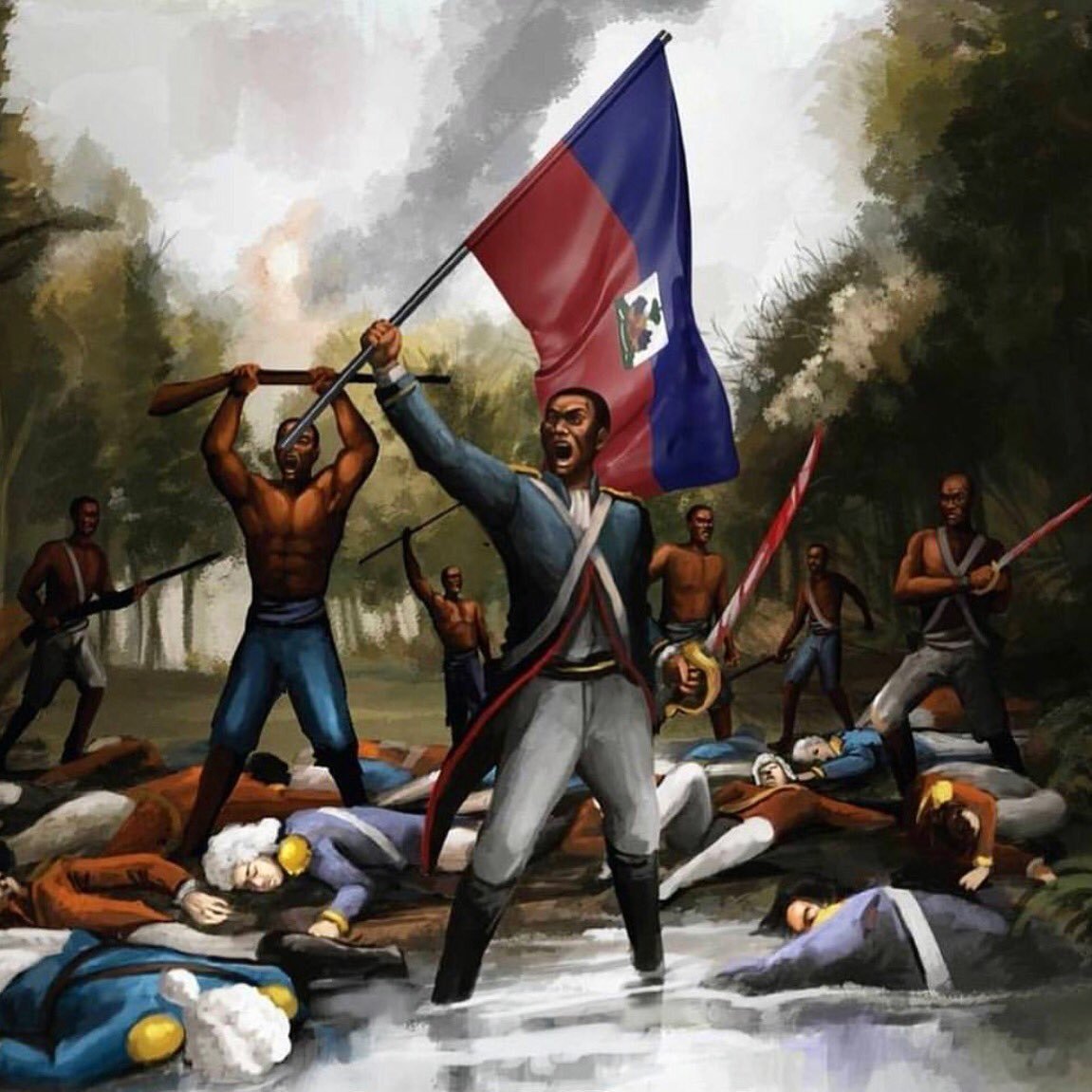
Sovereignty is at the heart of Haiti’s existence. In 1804, the country defied the colonial powers to become the first independent black republic. Even today, this sovereignty is a source of pride.

- Key figure: January 1, Independence Day, is celebrated every year as a national holiday.
- Historical fact: The Battle of Vertières symbolizes the victory against French colonization.

Haïti
Haïti
Haïti

3. Independent: a history of freedom

Haïti made world history by becoming the first nation to abolish slavery and proclaim its independence. This term recalls the country’s legacy of freedom and self-determination.

- Key figure: More than 500,000 slaves were freed thanks to the Haitian revolution.
- Notable fact: Haïti is a symbol of hope for people seeking freedom around the world.

Haïti
Haïti
Haïti

4. Free: a fundamental value

Freedom is a cornerstone of Haitian identity. It is both a legacy of independence and a fundamental right protected by the Constitution.

- Concrete example: Freedom of worship in Haïti allows for the coexistence of different beliefs, including Catholicism, Protestantism and Voodoo.
- Quote: “Liberty or death” was one of the slogans of the Haitian revolutionaries.

Haïti
Haïti
Haïti

5. Democratic: the voice of the people

As a democratic republic, Haïti guarantees the participation of the people in governance. Democracy, though imperfect, remains an ideal toward which the country continues to strive.

- Key figure: The right to vote is granted to all citizens aged 18 and over.
- Notable example: Haïti held its first universal democratic election in 1990.

Haïti
Haïti
Haïti

6. Social: a vision of equity

Haïti is committed to promoting social justice and reducing inequalities. This term reflects the importance of solidarity and collective well-being in the country’s constitutional vision.

- Notable fact: Local initiatives aim to strengthen access to education, health and economic opportunities.
- Key figure: Approximately 60% of the population depends on agriculture, highlighting the need for equitable social policies for rural areas.

A Message of Hope and Identity

These six terms indivisible, sovereign, independent, free, democratic and social form the pillars upon which the Republic of Haïti rests. They tell a story of struggle, triumph and resilience that continues to define the country today.

Haiti, despite its challenges, remains a land of inspiration and aspiration. These constitutional principles remind the world of the depth of Haitian identity and its unique role on the world stage.

Share
About the Author
Appolon Guy Alain
Appolon Guy Alain
Appolon Guy Alain

Full Stack Developer, Créatif, expérimenté, passionné des nouvelles technologies et de l’art.

See other articles from Appolon Guy Alain
Neri

Fabuloso país, con rica y fascinante historia, que lucho, se emancipó, libero y dejo atrás las cadenas de la esclavitud bajo el lema "LA UNIÓN HACE LA FUERZA" y su gente noble y valiente, hoy, con el símbolo de su bandera, disfruta la libertad sabiendo de la sangre que derramó tiene la esperanza de un futuro mejor. Te quiero HAITI, Republica indivisible, soberana, independiente, libre, democrática y social”, valores irrenunciables que forman parte del espíritu del valiente y noble pueblo haitiano que QUIERO visitar y conocer pronto, este año en la medida de lo posible.
Jorge Reinaldo NERIS de la ciudad de Palpala, Jujuy, ARGENTINA, 30-04-2025.✨🇭🇹🇦🇷

April 29, 2025 - 11:52:08 PM
Leave a comment

Recently Posted

Plan your trip to Haïti

Haïti, the pearl of the Caribbean nestled west of the island of Hispaniola, offers a captivating combination of natural beauty and rich history. For an unforgettable trip, follow these wise tips to plan your stay. b~Prior Research~b Before you begin your trip, immerse yourself in Haïti’s rich culture, fascinating history, delicious cuisine and top attractions. This prior immersion will allow you to make the most of your stay and connect more easily with locals. b~Ideal time to travel~b Haïti’s mild climate throughout the year makes it an attractive tourist destination at any time. Your choice of period will depend on your preferences. If you’re passionate about cultural festivities, don’t miss the Haïtian Carnival in February, a vibrant celebration leading up to Lent. For lovers of paradise beaches like Labadee, La Côte des Arcadins, and others, summer offers a perfect mix of sun and fun times in crystal clear waters. If spirituality appeals to you, August 15 marks the Feast of the Assumption, a religious celebration marking the Virgin Mary’s ascension into heaven. And also November 1st and 2nd are dedicated to the Day of the Dead. Families go to the cemetery to honor and decorate the graves of their deceased loved ones, creating an atmosphere steeped in memory and tradition. History buffs may choose to visit on national holidays such as National Independence Day on January 1, Flag Day on May 18, and other significant events. b~Choice of Accommodation~b Haïti offers a range of accommodation options, from luxury hotels to family-friendly B&Bs. Adapt your choice according to your budget and preferences, favoring local accommodation for a more authentic experience. b~Unmissable Tourist Sites~b Among the gems to explore, discover the majestic Citadelle Laferrière, listed as a UNESCO world heritage site, the Sans Souci Palace, the La Visite National Park, the Milot Cathedral, Fort Jacques, the Heroes of Vertières, the Bassin Bleu , the Saut-Mathurine Waterfall, the Marie-Jeanne Cave, Kenscoff and Furcy, as well as the Saut d’Eau Waterfall. Also explore the artistic wealth of Haïti through its artisan markets. b~Taste Local Cuisine~b Haïtian cuisine is a symphony of exotic flavors. Be sure to sample local dishes such as griot and pea-sticky rice at local markets for an authentic culinary experience. b~Local Culture~b Haïtian culture, influenced by a rich history, is diverse and vibrant. Respect local customs, be open-minded and willing to learn. The warmth and hospitality of the Haïtians add a unique dimension to your experience. b~Means of Transport~b Opt for modern means of land transport such as Capital Coach Line, Transport Chic, Sans-Souci Tours, Le Transporteur, Grand Nord. For aerial explorers, easily book your flight with Sunrise Airways. Car rental is also an option for those looking for a more private experience. b~Language and Communication~b Although Haïtian Creole is the main language, French is also widely used. Learn a few basic phrases in Creole to facilitate exchanges and enrich your experience. By meticulously planning your trip to Haïti, you open yourself up to discovering the natural beauty, cultural richness, and warm hospitality of this Caribbean gem. Get ready to experience a unique and memorable adventure in Haïti.

Newsletter

Subscribe to our newsletter to stay informed of all our activities and news on Haiti.

Vertières, Fort Mazi: Beyond historical truth;

If you look up the word vertière in a French dictionary, you will not find it for fear that the world does not know this place represents the Achilles heels of the most powerful European army. What’s more, this one had just successfully won the eastern campaign. French historians of the time erased this geographical location from the radar of history because they did not want to tell the story as it is in the sense of explaining the first great humiliation of the expeditionary army French by bands of slaves who were totally ignorant in the art of waging war, much less in the handling of weapons. However, these illiterate wars routed the Napoleonic army, the most powerful at that time, using the means at hand. This expeditionary army, after having brought Europe to its knees, would experience its first rout by slaves in this geographical location, located in the Northern department of Haiti. Funny story, this city is not on the list of French words even though given its historical importance, it should be at the heart of universal history, far from putting an end to the invincibility of the undefeated army army. So as not to offend the white masters, no political leader has ever asked why vertière does not appear in any French dictionary? However, they celebrate this battle with great fanfare every November 18. What historic hypocrisy among our leaders! After Vertière many other historical places are strangled by historians in order to hide the extremes of atrocities of the French colonists on the slaves. It is in this context of historical strangulation that “Fort Mazi” is not mentioned in school history textbooks. This is located in Petit-Goave, 2nd municipal section, Arnoux locality. We came across this mega fort, during a mobile clinic entirely financed by the Ernest Junior foundation, a charitable foundation which works in the social sector, particularly in the field of art and music. According to residents , the oldest in this locality, this fort was built on at least 20 squares of earth by the settlers. It was a huge military complex divided into compartments, outposts, turtle rooms, rooms for treating colonists, a large Catholic church, and a cemetery. However, we never talk about this fort so much so that it is ignored by history teachers in the town of Petit-Goave. Certainly, the desired disappearance of this fort under the radar of history buries the atrocities, the barbarities, the most inhumane punishments of the colonists on the slaves. Looking closely at reality, everything seems true that it is the largest fort ever built during the period of colonization. Moreover, it probably seems the most fortified in relation to its importance. Remember that Vertière only exists in Haitian school history textbooks while Fort Mazi does not appear, much less in French dictionaries or history books. This explains why this fort was a secret place in which the settlers practiced crimes and atrocities that went beyond human understanding. Is it not a clear desire of historians to hide what this immense fort built on at least 20 tiles of earth really was? Discover the history of Haiti: A fascinating story to explore! : https://haitiwonderland.com/haiti/histoire/decouvrez-l-histoire-d-haiti--un-recit-fascinant-a-explorer/81

Belle-Anse, a village between tradition, nature and tourist potential

Nestled in the southeast of Haiti, Belle-Anse is a destination that fascinates with its natural beauty and rich history. This small town, still often ignored by major tourist routes, is full of treasures that deserve to be discovered. Its wild beaches, its imposing mountains and its unique historical heritage make Belle-Anse a hidden pearl, ready to seduce travelers in search of authenticity and tranquility. Belle-Anse, founded in the 18th century, still bears the traces of its past. Its history, marked by changes of names and identity, bears witness to the political and social upheavals that have given the region. From the colonial era to the birth of the Republic, each corner of the city tells a part of the history of Haiti. This rich past is combined with a vibrant cultural life, where local festivals, such as the celebration of the Patron Saint every December 10, offer an authentic glimpse into the lives of the inhabitants. The historical remains scattered throughout the city are not only a reminder of the era of colonization, but also of the struggles for independence. These witnesses of the past, combined with a calm and preserved atmosphere, make Belle-Anse a place where history and nature intertwine harmoniously. What distinguishes Belle-Anse is undoubtedly its spectacular natural environment. Ultimately, these beaches before the deserts invite you to relax. Lagan Beach, lined with palm trees and crystal clear waters, offers an idyllic setting for lovers of wild nature, far from the crowds of more frequent tourist destinations. The nearby Bay of Jacmel is a true natural bliss, promising moments of calm and escape. The city is also surrounded by majestic mountains, ideal for those who wish to explore the Haitian landscapes on foot, while discovering a unique biodiversity. While Belle-Anse’s natural resources are rich, they are also fragile, and preserving these areas remains an important issue for the future of the region.

Recently Posted

History

History

First black nation to free itself from slavery and gain independence from France in 1804 and influenced other liberation movements around the world, inspiring struggles for freedom and equality.

Natural beauty

Natural beauty

Haïti is blessed with spectacular natural landscapes, including white sand beaches, mountains and rich biodiversity.

Heritage

Heritage

Haïti has a rich historical heritage, including sites like the Citadelle Laferrière and the Sans-Souci Palace, listed as UNESCO World Heritage Sites.

Culture

Culture

Haïti has a rich and diverse culture, influenced by African, European and indigenous elements. Haitian music, dance, art and cuisine are celebrated around the world.

  • +
    • Post