contact@haitiwonderland.com+509 36184317

Discover

Shopping Cart

What makes soup joumou so special to Haitians?

What makes soup joumou so special to Haitians?

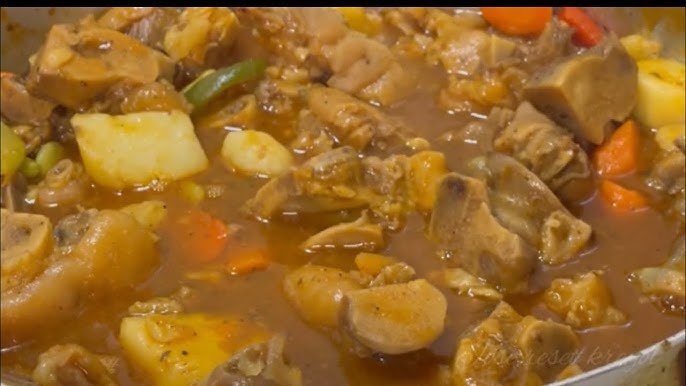
Soup joumou, a traditional Haitian dish, is more than just a mealtime treat. For Haitians, the soup is a symbol of their struggle for freedom and national identity. This article explores the history, meaning, and how soup joumou plays a central role in Haitian culture.

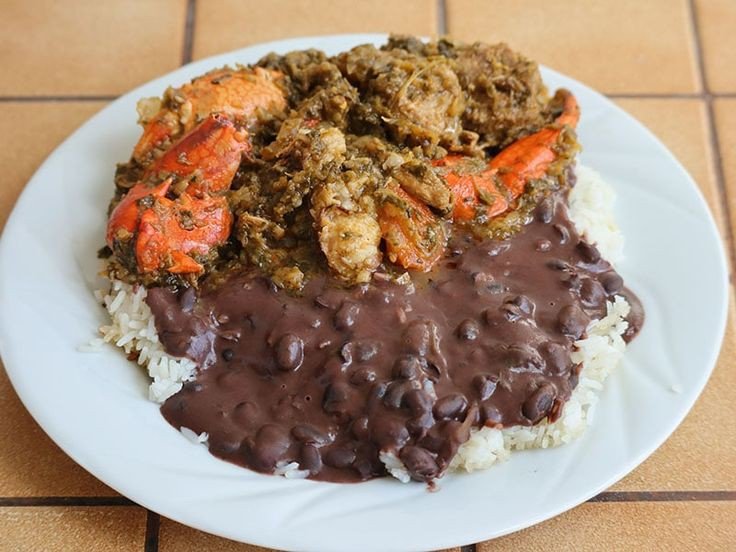
Soup Joumou Haiti
Soup Joumou Haiti
Soup Joumou Haiti

A Deep History: Soup Joumou and Freedom

Soup joumou is traditionally eaten on January 1st, Haiti’s Independence Day celebration. Indeed, the dish is a powerful symbol of the country’s independence, which was gained in 1804 when Haïti became the first country to abolish slavery and establish a black republic.

During the colonial period, soup joumou was reserved exclusively for French colonists, who enjoyed it as a luxury dish. African slaves were forbidden to consume it. However, after the Haitian Revolution and the victory of the slaves, soup joumou became a symbol of victory over oppression and a sign of freedom for Haitians. Celebrating January 1st with soup joumou is therefore an act of memory, resilience and national pride.

Soup Joumou Haiti
Soup Joumou Haiti
Soup Joumou Haiti

A Dish of National Pride and Family Reunion

Soup joumou is not only a gourmet recipe: it is an act of family and community gathering. January 1st, in addition to marking independence, is a day when Haitians come together as a family to prepare and share this soup. It is an opportunity to remember past struggles and to pass on the values ​​of unity and freedom to future generations.

In many parts of Haiti, people go to community houses or churches where events are held to share soup joumou with neighbors and friends. This communal meal symbolizes sharing, unity, and the awakening of collective consciousness.

Soup Joumou Haiti
Soup Joumou Haiti
Soup Joumou Haiti

Why Soupe Joumou Remains an Unmissable Symbol?

What makes soup joumou so special to Haitians is its emotional history, its cultural value, and its role in preserving national identity. It is much more than just a dish: it is an act of remembrance, a tribute to ancestors, and a symbol of emancipation. Each bite is a reminder of the victory over colonial oppression, and each year on January 1st, Haitians come together to celebrate their freedom and the unity of the Haitian people.

Share
About the Author
Appolon Guy Alain
Appolon Guy Alain
Appolon Guy Alain

Full Stack Developer, Créatif, expérimenté, passionné des nouvelles technologies et de l’art.

See other articles from Appolon Guy Alain
Clerveusaravna

Good

June 04, 2025 - 06:53:18 PM
Leave a comment

Recently Posted

Newsletter

Subscribe to our newsletter to stay informed of all our activities and news on Haiti.

Haiti: A Little-Known Pillar of World Independence

Haiti, the world’s first independent black republic, played an exceptional role in the quest for independence for other nations. Although often overshadowed by other historical events, Haiti’s contribution to the liberation of other countries was significant and deserves to be highlighted. b~The Haitian Revolution~b At the turn of the 19th century, Haïti threw off the chains of slavery and achieved the impossible by freeing itself from French colonial rule. In 1804, the country proclaimed its independence, ushering in a new era for oppressed peoples around the world. b~Inspiration for Latin America~b The Haitian Revolution was a major source of inspiration for independence movements in Latin America. Iconic figures such as Simón Bolívar and Francisco de Miranda recognized the courage and determination of Haitians as a driving force for their own struggles. By materially and ideologically supporting these movements, Haïti contributed to the emergence of several independent nations in South America. b~Influence in Africa~b Beyond the Americas, Haïti also played a crucial role in the quest for independence in Africa. African leaders have left a legacy that has inspired entire generations of freedom fighters on the African continent. The idea that oppressed people could rise up against their oppressors found a powerful echo in the struggles for independence in Africa. b~Support for Liberation Movements~b Throughout its history, Haïti has provided substantial support to liberation movements around the world. Whether through troop dispatches, financial resources or active diplomacy, the country has demonstrated its solidarity with those fighting for their autonomy. Haiti’s contributions have often been discreet but crucial. Haiti, as a pioneer of independence and freedom, has left a lasting impact on the world stage. His legacy resonates across continents, reminding the world that the quest for freedom is universal. By recognizing and celebrating Haiti’s role in the independence of other nations, we not only honor its history, but we also commit to promoting a future where all people have the opportunity to shape their destiny.

Recently Posted

History

History

First black nation to free itself from slavery and gain independence from France in 1804 and influenced other liberation movements around the world, inspiring struggles for freedom and equality.

Natural beauty

Natural beauty

Haïti is blessed with spectacular natural landscapes, including white sand beaches, mountains and rich biodiversity.

Heritage

Heritage

Haïti has a rich historical heritage, including sites like the Citadelle Laferrière and the Sans-Souci Palace, listed as UNESCO World Heritage Sites.

Culture

Culture

Haïti has a rich and diverse culture, influenced by African, European and indigenous elements. Haitian music, dance, art and cuisine are celebrated around the world.

  • +
    • Post