Haitian cuisine, with its blend of spices, flavors, and traditions, occupies a unique place in the Caribbean culinary panorama. Rooted in centuries of history and cultural influences, it is distinguished by several elements that make it exceptional. Let’s discover what makes Haitian gastronomy unique.
Spices occupy a central place in Haitian cuisine. Epis, a seasoning blend composed of garlic, parsley, chili pepper, cloves, onion, and lime, is the secret ingredient used in almost every dish. This aromatic blend gives Haitian cuisine an incomparable depth of flavor.
The use of scotch bonnet pepper is also characteristic: it brings a controlled heat that enhances dishes without overpowering them.
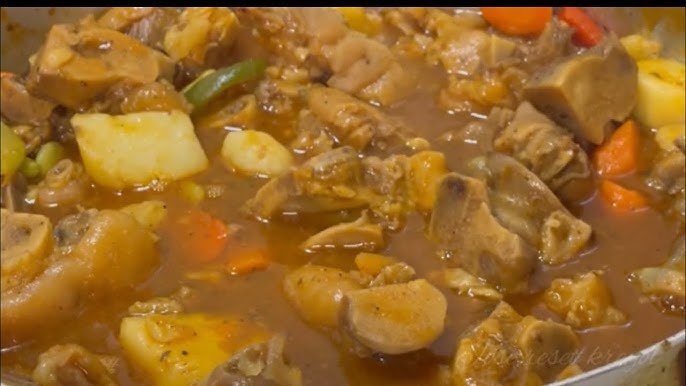
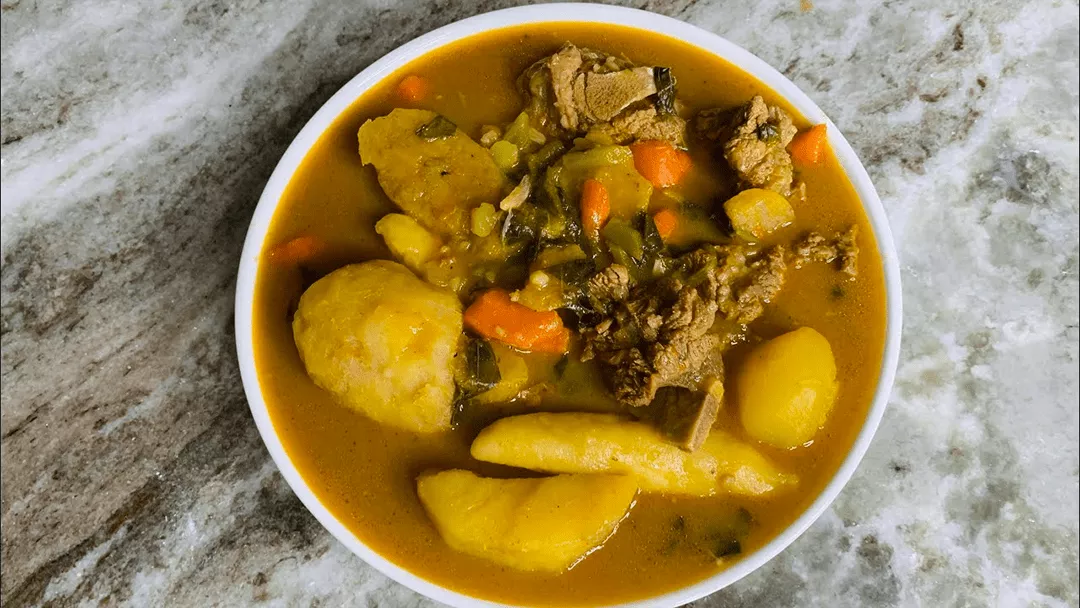
Haitians excel at the art of stewing their dishes. Whether it’s a meat stew like tassot (dried and fried meat) or lalo (jute leaf stew), stewed dishes are carefully prepared to allow the flavors to develop slowly.
The thick, well-seasoned sauces that accompany these dishes are often the result of slow cooking, allowing the flavors to blend harmoniously.
Haitian cuisine is a reflection of the country’s history. It is the result of a blend of African, French, Spanish, and indigenous influences. African cooking techniques combine with the elegance of European dishes and local ingredients to create a unique gastronomy.
For example, dishes like djon djon rice (black mushroom rice) perfectly illustrate this fusion by combining indigenous ingredients with traditional preparation methods.
Haitian cuisine values local products, highlighting ingredients such as sweet potatoes, yams, cassava, pumpkins, and of course, tropical fruits such as mango, papaya and banana.
These fresh products, often cultivated in an artisanal way, guarantee dishes rich in natural flavors and nutrients.
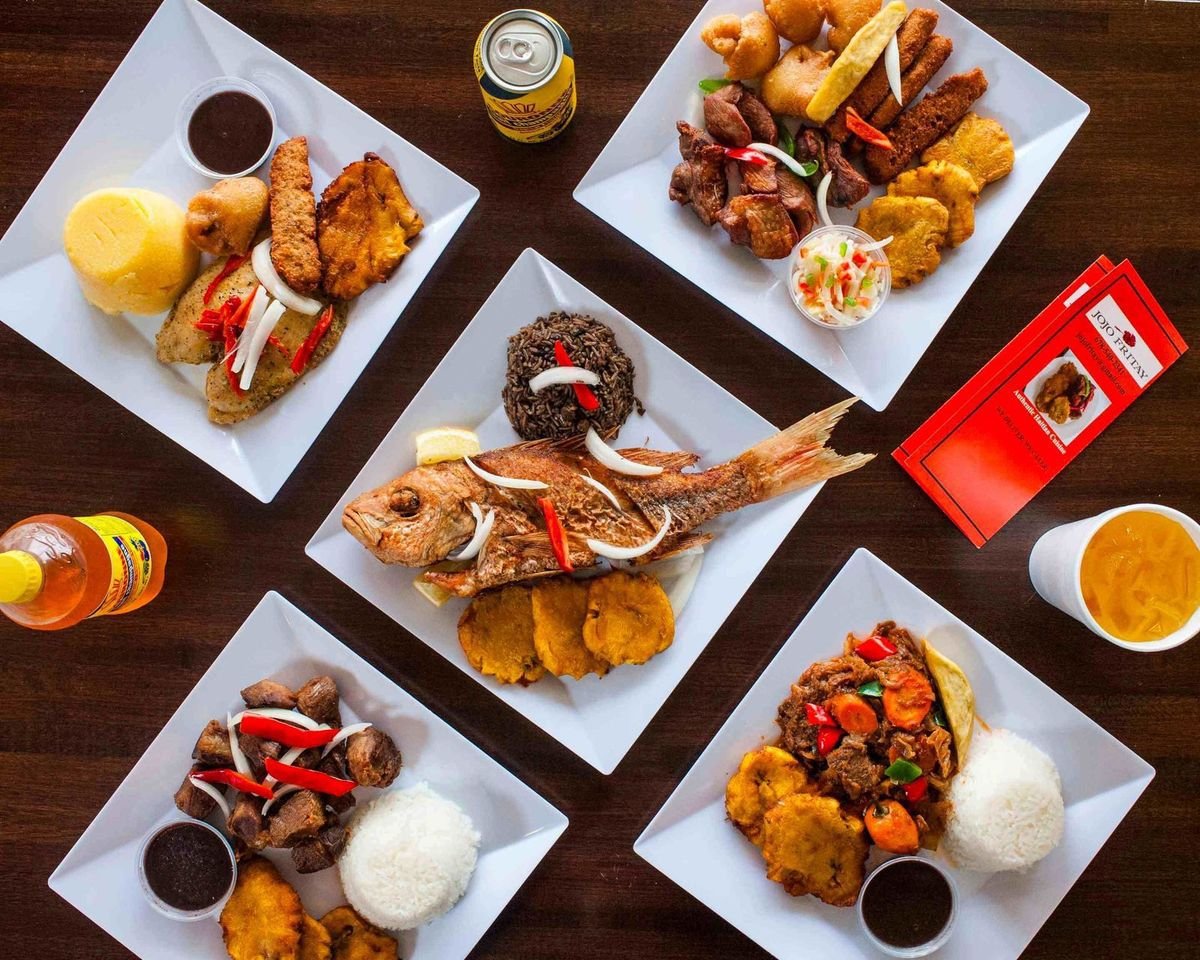
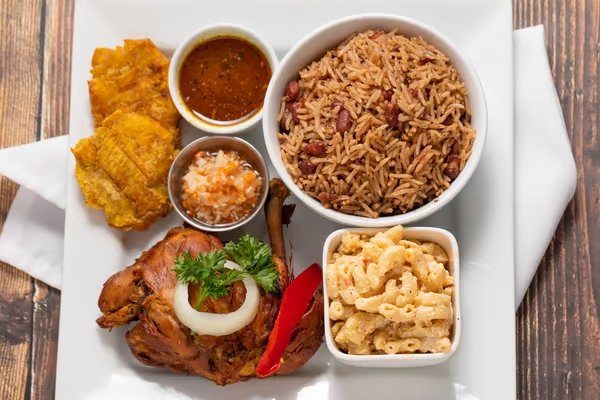
Rice is the king of accompaniments in Haiti, often served with red peas, black peas or lentils. However, banana pesées (fried plantains), mayi moulen (corn polenta), and sautéed vegetables are also very popular accompaniments that bring diversity to meals.
6. A culinary tradition deeply rooted in celebrations
Celebrations in Haïti are synonymous with special dishes. Soup joumou, served on Independence Day on January 1, is a symbol of freedom and resilience.
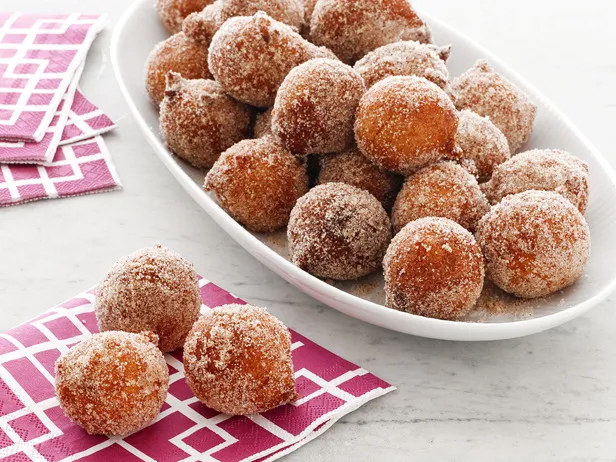
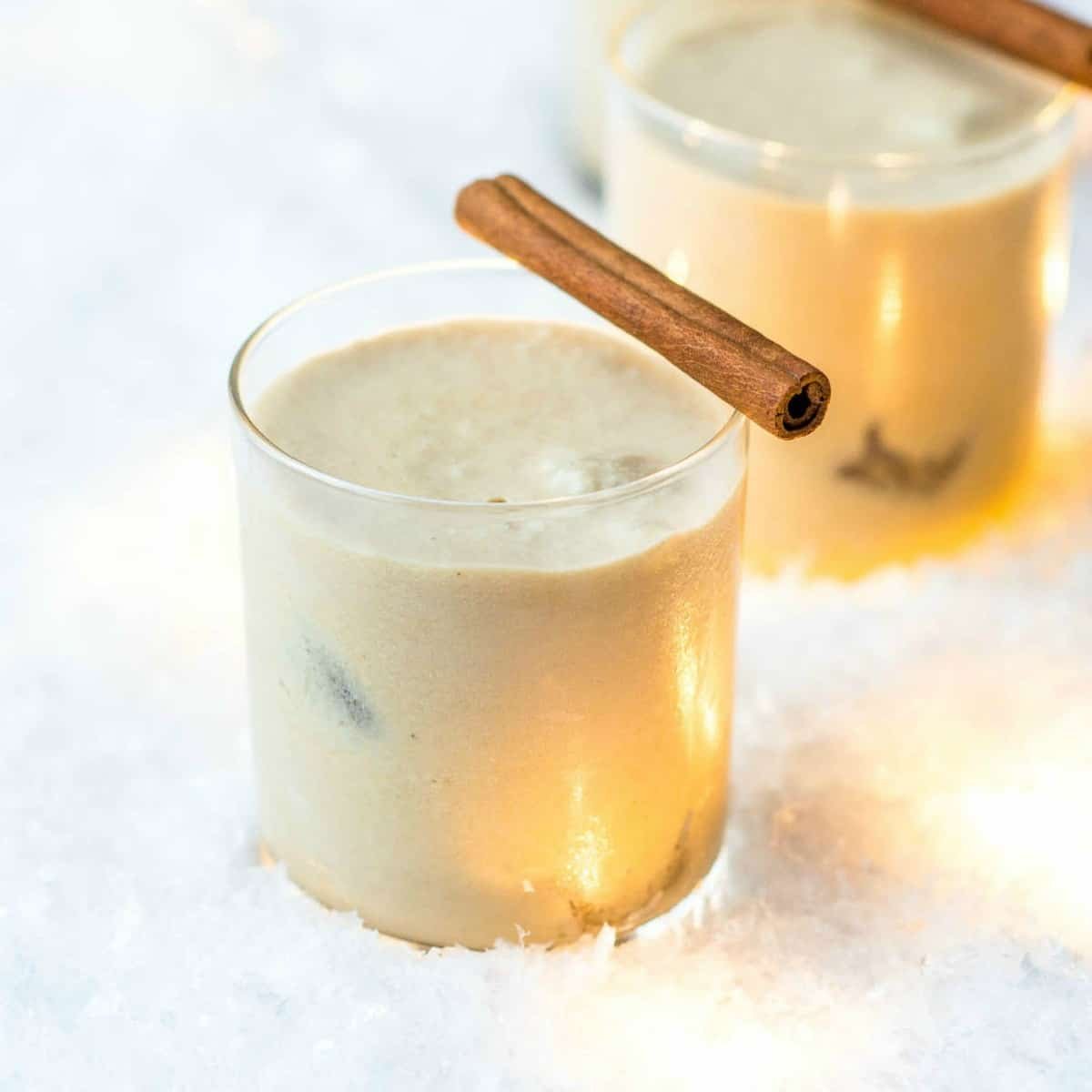
During Christmas, delicacies like kremas (a sweet drink made with coconut milk and rum) and pain patate (sweet potato cake) are a must. These festive dishes strengthen family and cultural ties.
In Haiti, meals are not only about food, but also about moments of sharing. Whether with family or friends, the Haitian table is always a place of conviviality where dishes are prepared and savored with love.
Haitian cuisine is distinguished by its richness, authenticity and its ability to tell the story and culture of a people. Spices, simmered dishes, multicultural influences and the freshness of local ingredients form a whole that makes this gastronomy a treasure to discover.
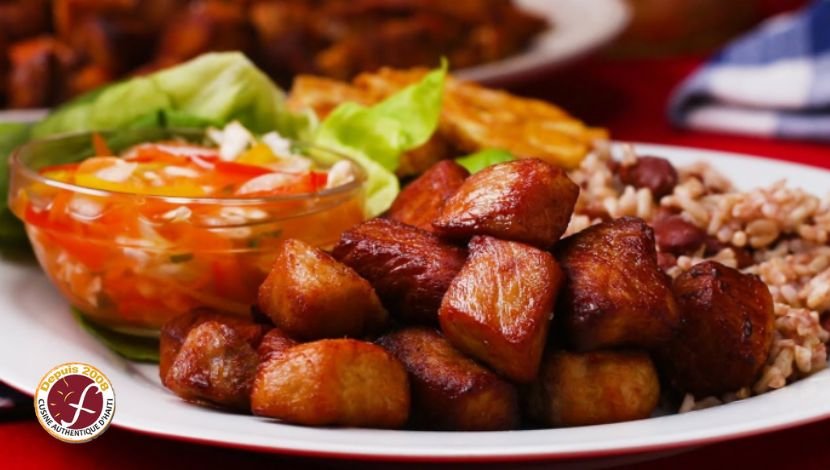
Whether you taste a piece of griot accompanied by pikliz or savor a bowl of soup joumou, each bite immerses you in the warm and generous soul of Haiti.
Share
About the Author
Appolon Guy Alain
Appolon Guy Alain
Full Stack Developer, Créatif, expérimenté, passionné des nouvelles technologies et de l’art.
Me gusta especialmente cómo resalta el uso magistral de las especias como el epis y la pimienta escocesa, que dan personalidad y profundidad a cada plato.
Visítanos Telkom University Jakarta
First black nation to free itself from slavery and gain independence from France in 1804 and influenced other liberation movements around the world, inspiring struggles for freedom and equality.
Natural beauty
Haïti is blessed with spectacular natural landscapes, including white sand beaches, mountains and rich biodiversity.
Heritage
Haïti has a rich historical heritage, including sites like the Citadelle Laferrière and the Sans-Souci Palace, listed as UNESCO World Heritage Sites.
Culture
Haïti has a rich and diverse culture, influenced by African, European and indigenous elements. Haitian music, dance, art and cuisine are celebrated around the world.




































Me gusta especialmente cómo resalta el uso magistral de las especias como el epis y la pimienta escocesa, que dan personalidad y profundidad a cada plato.
July 08, 2025 - 05:37:39 AMVisítanos Telkom University Jakarta