contact@haitiwonderland.com+509 36184317

Discover

Shopping Cart

What are the special elements of Haitian cuisine?

What are the special elements of Haitian cuisine?

Haitian cuisine, with its blend of spices, flavors, and traditions, occupies a unique place in the Caribbean culinary panorama. Rooted in centuries of history and cultural influences, it is distinguished by several elements that make it exceptional. Let’s discover what makes Haitian gastronomy unique.

Haïti
Haïti
Haïti

1. A masterful use of spices

Spices occupy a central place in Haitian cuisine. Epis, a seasoning blend composed of garlic, parsley, chili pepper, cloves, onion, and lime, is the secret ingredient used in almost every dish. This aromatic blend gives Haitian cuisine an incomparable depth of flavor.

The use of scotch bonnet pepper is also characteristic: it brings a controlled heat that enhances dishes without overpowering them.

Haïti
Haïti
Haïti

2. Complex Flavored Stews

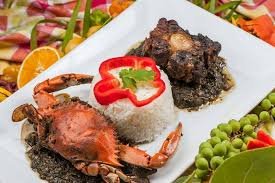
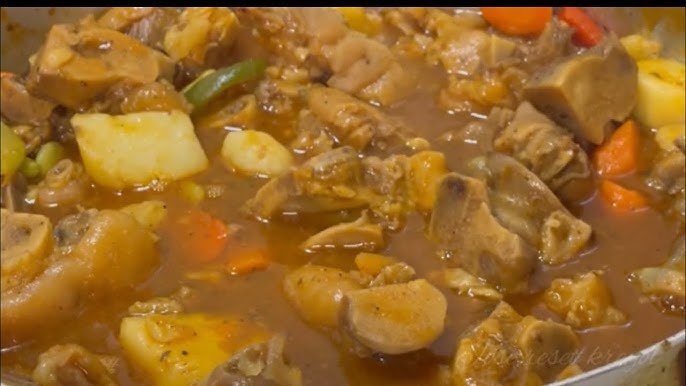
Haitians excel at the art of stewing their dishes. Whether it’s a meat stew like tassot (dried and fried meat) or lalo (jute leaf stew), stewed dishes are carefully prepared to allow the flavors to develop slowly.

The thick, well-seasoned sauces that accompany these dishes are often the result of slow cooking, allowing the flavors to blend harmoniously.

Haïti
Haïti
Haïti

3. A Fusion of Cultural Influences

Haitian cuisine is a reflection of the country’s history. It is the result of a blend of African, French, Spanish, and indigenous influences. African cooking techniques combine with the elegance of European dishes and local ingredients to create a unique gastronomy.

For example, dishes like djon djon rice (black mushroom rice) perfectly illustrate this fusion by combining indigenous ingredients with traditional preparation methods.

Haïti
Haïti
Haïti

4. A diet based on local products

Haitian cuisine values ​​local products, highlighting ingredients such as sweet potatoes, yams, cassava, pumpkins, and of course, tropical fruits such as mango, papaya and banana.

These fresh products, often cultivated in an artisanal way, guarantee dishes rich in natural flavors and nutrients.

Haïti
Haïti
Haïti

5. Varied and essential accompaniments

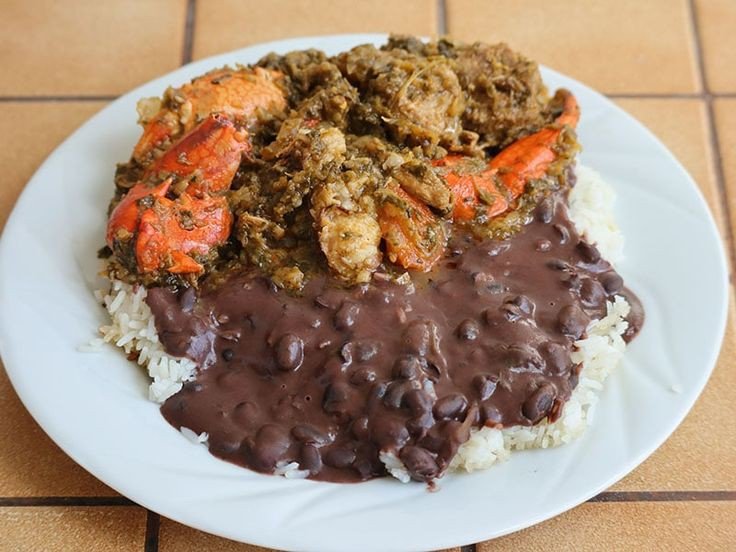
Rice is the king of accompaniments in Haiti, often served with red peas, black peas or lentils. However, banana pesées (fried plantains), mayi moulen (corn polenta), and sautéed vegetables are also very popular accompaniments that bring diversity to meals.

Haïti : Boukanye
Haïti : Boukanye

Boukanye

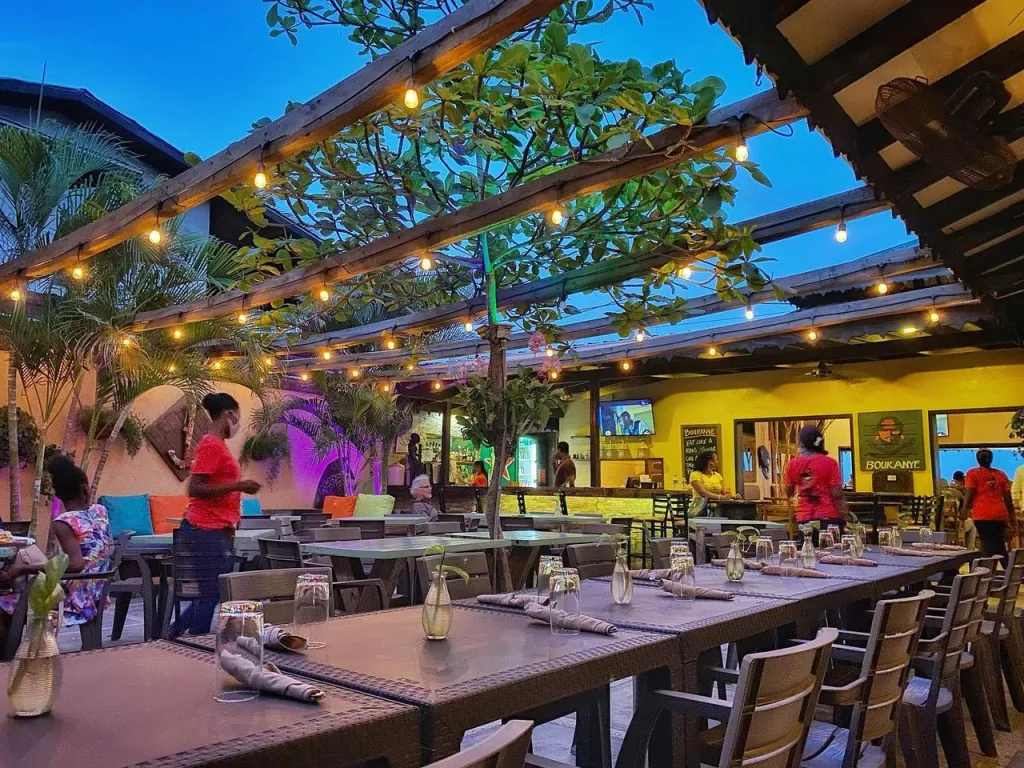
In the picturesque landscape of Cap Haïtien, stands a place that embodies the very essence of Haitian art and cuisine: Boukanye. This pirate house, founded in July 2016, has quickly become a must-see gem among area restaurants, attracting visitors from around the world for its rustic atmosphere and innovative menu. Located on the boulevard, Boukanye is much more than just a restaurant; it’s an experience in its own right. As soon as you walk through its doors, you are greeted by decor that celebrates local craftsmanship and the history of the pirates who once sailed these waters. Walls adorned with vibrant paintings and sculptures demonstrate the venue’s commitment to Haitian art, creating a warm and authentic ambiance. But Boukanye is not content to seduce with its aesthetic; its cuisine is just as captivating. Inspired by local flavors, the restaurant offers an inventive fusion of traditional Haitian dishes and contemporary culinary techniques. Whether for breakfast, lunch or dinner, Boukanye’s menu offers a tantalizing variety of seasonal dishes, accompanied by exquisite cocktails that celebrate local ingredients. What also sets Boukanye apart is his commitment to innovation. By launching a virtual tour accessible via smartphone or virtual reality headset, the restaurant has pushed the boundaries of the culinary experience. Thanks to this immersive technology, visitors from around the world can now explore the charms of Boukanye from home, immersing themselves in its captivating atmosphere and discovering its unique culinary delights. https://haitiwonderland.com/haiti-virtual-reality-ht/bar--restaurant/haiti--boukanye--visite-virtuelle/7 Whether you are a resident of Cap Haïtien or a traveler eager for authentic experiences, Boukanye offers an unforgettable getaway into the very heart of Haitian culture. By combining art, cuisine and innovation, this restaurant perfectly embodies the vibrant and dynamic spirit of Haiti, inviting everyone to embark on an unparalleled sensory journey.

Haïti
Haïti
Haïti

6. A culinary tradition deeply rooted in celebrations

Celebrations in Haïti are synonymous with special dishes. Soup joumou, served on Independence Day on January 1, is a symbol of freedom and resilience.

During Christmas, delicacies like kremas (a sweet drink made with coconut milk and rum) and pain patate (sweet potato cake) are a must. These festive dishes strengthen family and cultural ties.

Haïti
Haïti
Haïti

7. A special focus on sharing and conviviality

In Haiti, meals are not only about food, but also about moments of sharing. Whether with family or friends, the Haitian table is always a place of conviviality where dishes are prepared and savored with love.

Haïti
Haïti
Haïti

A cuisine full of character

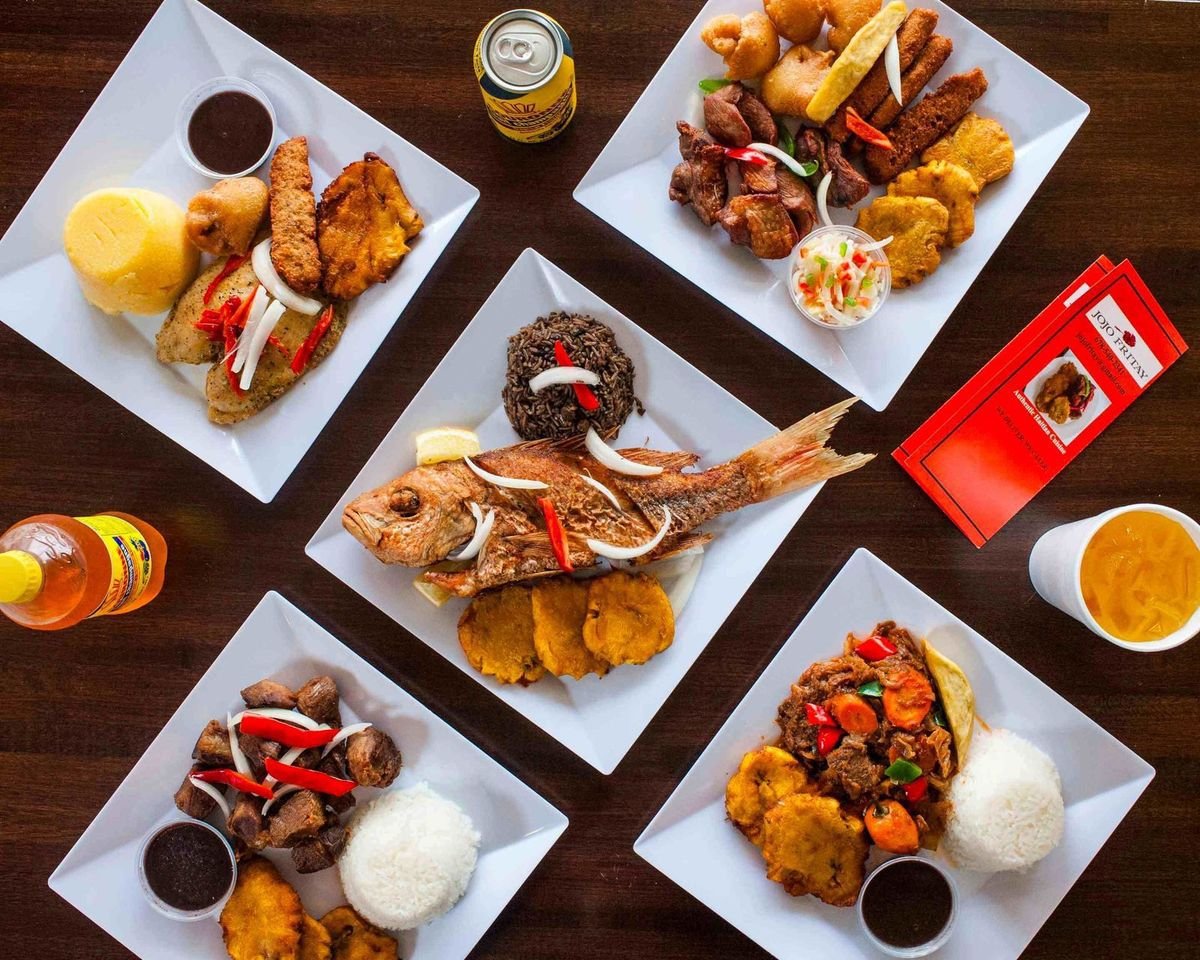
Haitian cuisine is distinguished by its richness, authenticity and its ability to tell the story and culture of a people. Spices, simmered dishes, multicultural influences and the freshness of local ingredients form a whole that makes this gastronomy a treasure to discover.

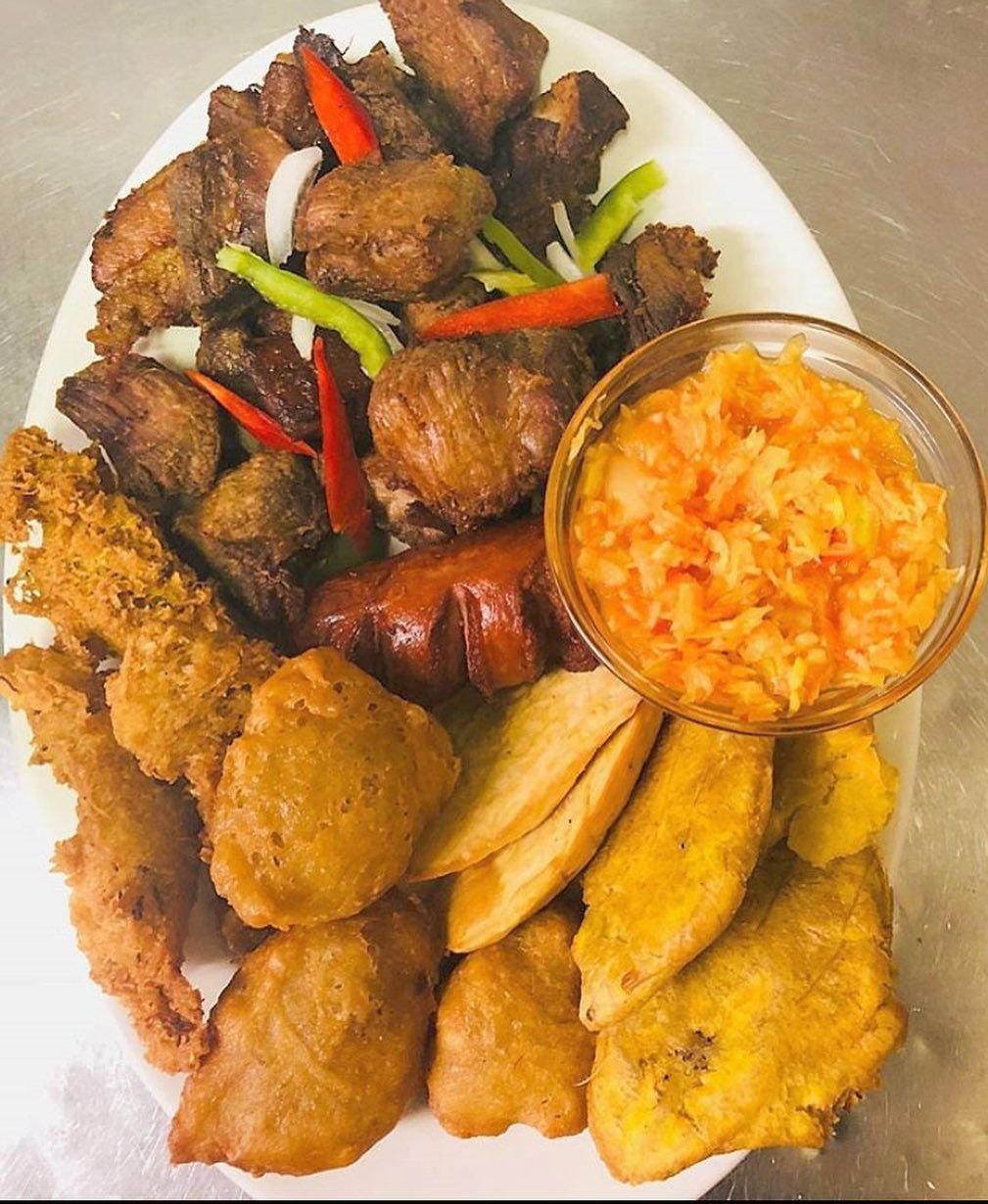
Whether you taste a piece of griot accompanied by pikliz or savor a bowl of soup joumou, each bite immerses you in the warm and generous soul of Haiti.

Share
About the Author
Appolon Guy Alain
Appolon Guy Alain
Appolon Guy Alain

Full Stack Developer, Créatif, expérimenté, passionné des nouvelles technologies et de l’art.

See other articles from Appolon Guy Alain
PTS Terbaik

Me gusta especialmente cómo resalta el uso magistral de las especias como el epis y la pimienta escocesa, que dan personalidad y profundidad a cada plato.
Visítanos Telkom University Jakarta

July 08, 2025 - 05:37:39 AM
Leave a comment

Recently Posted

Holidays in Haiti

Haiti, the pearl of the Antilles, is a country rich in history and culture. Its public holidays are moments of celebration, commemoration and reflection on its glorious past. Each date has a special meaning, plunging Haitians into a festive and memorable atmosphere. b~January 1: National Independence Day and New Year~b January 1st is a doubly special day in Haiti. On the one hand, it is National Independence Day, commemorating the victory of Haitian slaves over French colonial forces in 1804. On the other hand, it is New Year’s Eve, marking the start of a new year full of promises and hopes. b~January 2: Feast of the Forefathers~b January 2 is dedicated to the memory of ancestors. It is an opportunity for Haitians to remember their roots, to celebrate the cultural heritage passed down from generation to generation. b~February: Carnival, Shrove Monday, Fat Tuesday, Ash Wednesday~b The month of February is marked by Carnival, one of the most colorful and dynamic festivities in Haiti. The streets fill with parades, lively music and wild dancing. Mardi Gras is the culmination of Carnival, followed by Ash Wednesday, marking the start of Lent. b~April: Easter, Maundy Thursday, Good Friday~b Easter celebrations in Haïti include the religious traditions of Maundy Thursday and Good Friday. It is a time of prayer and reflection for many Haitians. b~May 1: Agriculture and Labor Day~b May 1 is dedicated to celebrating the work and importance of agriculture in the life of the country. It is an opportunity to recognize the efforts of workers and to highlight the agricultural sector. b~May 18: Flag Festival~b Flag Day celebrates the Haitian flag, a symbol of independence and national pride. Haitians honor their colors and remember the courage of their ancestors in the fight for freedom. b~May 23: National Sovereignty Day~b This day commemorates the recognition of Haitian sovereignty by France in 1805. It is a moment of national pride and reaffirmation of independence. b~May - August: Ascension~b The Ascension is celebrated between May and August, a religious festival marking the ascension of Jesus Christ into heaven. b~June: Fête-Dieu~b Fête-Dieu, also known as the Feast of the Body and Blood of Christ, is an important religious celebration in June. b~August 15: Assumption of Mary~b The Assumption of Mary is a Christian holiday marking the ascension of the Virgin Mary into heaven. It is celebrated with fervor in Haiti. b~September 20: Birth Anniversary of Jean-Jacques Dessalines~b This date commemorates the birth of Jean-Jacques Dessalines, one of the founding fathers of Haïti and a key leader in the struggle for independence. b~October 17: Death of Dessalines~b October 17 is a day of commemoration of the death of Jean-Jacques Dessalines, recalling his impact on Haitian history. b~November 1: All Saints’ Day~b All Saints’ Day is a religious holiday honoring all saints, celebrated with prayers and visits to cemeteries. b~November 2: Day of the Dead~b All Souls’ Day is an opportunity to pay homage to the deceased by decorating graves and participating in religious ceremonies. b~November 18: Commemoration of the Battle of Vertières~b This day honors the decisive Haitian victory at the Battle of Vertières in 1803, marking the end of the French occupation. b~December 5: Discovery Day~b December 5 celebrates the discovery of the island by Christopher Columbus in 1492. b~December 25: Christmas~b Christmas celebrations in Haïti are marked by family reunions, festive meals and religious traditions. Public holidays in Haïti are much more than breaks from everyday life; these are moments that embody the soul and resilience of a people. Each celebration provides an opportunity to come together, remember the past and look to the future with hope and determination.

Newsletter

Subscribe to our newsletter to stay informed of all our activities and news on Haiti.

Haiti: The Rara season in Petit-Goâve: A celebration of life, unity and resilience

As the new season of Rara looms on the horizon, certain groups such as Saint Jacques Majeur, Ratyèfè, Florida Band, Lambi Grand, and Grap Kenèp are already preparing to light up the streets of Petit-Goâve with their flamboyant costumes and their captivating melodies. For these groups, the future looks bright, promising a season full of passion and success. However, other rara bands are still hesitant about which direction to take. Despite these uncertainties, optimism reigns regarding the success of this new season for all rara groups in the commune of Petit-Goâve. Rara, anchored in the Vodou tradition, is much more than a simple artistic manifestation. It embodies the very essence of Haitian culture, highlighting questions of memory, tradition and identity. This increasingly popular form of artistic expression attracts a large audience and arouses unprecedented enthusiasm. Groups like Ratyèfè, Grap Kenèp, Florida Band and Chenn Tamaren, recognized for their ability to delight their fans, play a crucial role in the continued growth of rara in the town. The rara season traditionally begins on Dead Thursday and ends on the night of Easter Sunday or quasimodo Monday. To mark the beginning of this sacred period, groups organize opening ceremonies, honoring the spirits of the deceased in rituals steeped in spirituality. These ceremonies, often held in cemeteries or in the "Bitasyons" of groups, symbolize the deep link between the rara and Vodou traditions.

Recently Posted

History

History

First black nation to free itself from slavery and gain independence from France in 1804 and influenced other liberation movements around the world, inspiring struggles for freedom and equality.

Natural beauty

Natural beauty

Haïti is blessed with spectacular natural landscapes, including white sand beaches, mountains and rich biodiversity.

Heritage

Heritage

Haïti has a rich historical heritage, including sites like the Citadelle Laferrière and the Sans-Souci Palace, listed as UNESCO World Heritage Sites.

Culture

Culture

Haïti has a rich and diverse culture, influenced by African, European and indigenous elements. Haitian music, dance, art and cuisine are celebrated around the world.

  • +
    • Post