contact@haitiwonderland.com+509 36184317

Discover

Shopping Cart

Haitians’ Love and Care for Pets: A Testament to Compassion

Haitians’ Love and Care for Pets: A Testament to Compassion

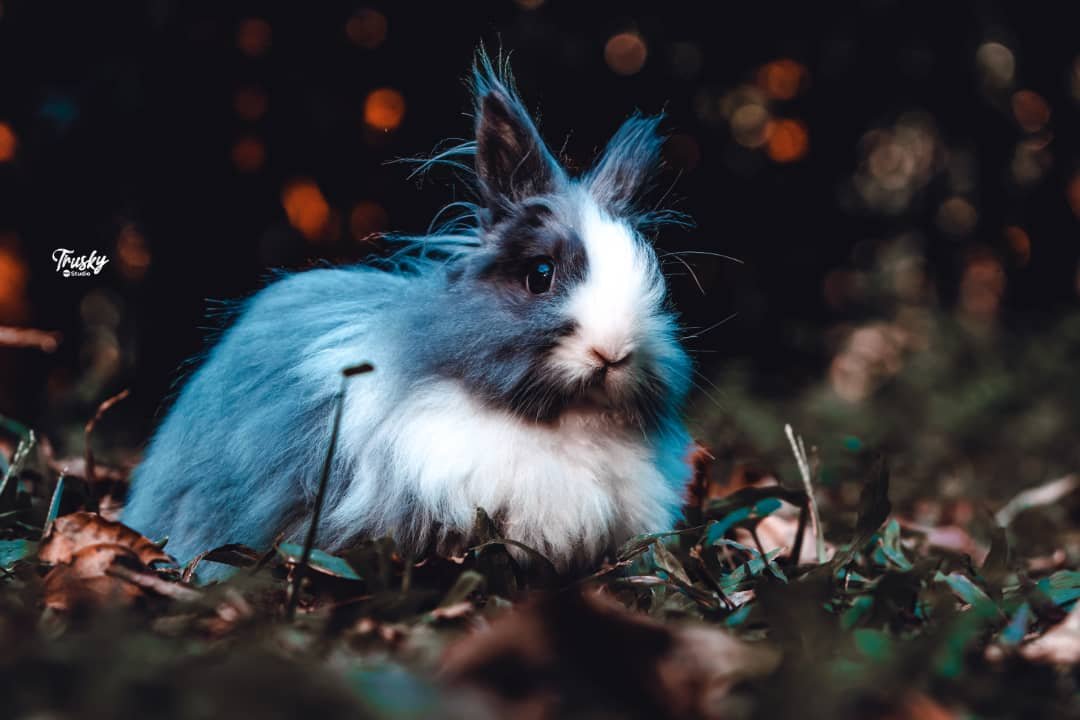
Haitians have long been misunderstood when it comes to their treatment of animals, especially pets like cats and dogs. However, the truth is, Haitians hold deep affection for their animal companions, and this bond is reflected in the way they care for and nurture their pets. From rural areas to urban neighborhoods, pets are often regarded as part of the family, with Haitians showing immense dedication to their well-being. Here are some key aspects that highlight the strong relationship Haitians have with their pets.

Pets as Family Members

In many Haitian households, cats and dogs are treated like family members. They are not simply viewed as animals but as companions who offer emotional support and joy. Families often provide their pets with affectionate names and include them in daily routines, making sure they are fed, cared for, and given a comfortable space in the home.

Haitian Cultural Values of Compassion

Haitian culture emphasizes compassion and respect for all living beings. This cultural principle is reflected in how people treat their animals. It is common to see Haitians going out of their way to care for stray cats and dogs, ensuring they have food and water. Pet owners, in particular, are known to provide home-cooked meals to their dogs and cats, ensuring that their beloved companions eat nutritious food, not just scraps.

Veterinary Care and Health Awareness

In recent years, awareness of pet health has significantly increased in Haiti. Pet owners are becoming more conscious of the importance of veterinary care, regularly bringing their pets to clinics for vaccinations and check-ups. Even in rural areas, where resources may be scarce, many Haitians seek out advice on how to care for their animals properly. Non-profit organizations and animal welfare groups have also played a key role in educating communities about responsible pet ownership, further enhancing the care given to pets.

Animal Protection Initiatives

Several animal protection organizations operate in Haiti, working to educate the public on animal welfare and ensure that stray animals are cared for. Groups like the Haitian Animal Welfare Society (HAWS) have implemented campaigns to promote spaying, neutering, and adopting stray animals rather than purchasing them. These initiatives are well-received, showcasing the community’s willingness to protect and cherish animals.

Community Engagement in Pet Care

In Haiti, it’s common to see communities come together to care for local animals. Neighbors often look out for each other’s pets, offering to feed or walk them if the owner is unable to do so. This communal approach to pet care demonstrates how ingrained the love for animals is in Haitian society. Additionally, pets are often seen playing freely in the streets, loved by all and cared for by the neighborhood.

Haiti’s Rich Tradition of Storytelling Involving Animals

Haitian folklore and storytelling often include animals as central characters, further demonstrating the cultural connection with animals. Through these stories, animals are portrayed as wise, loyal, and sometimes magical creatures, reflecting the respect and admiration Haitians have for them. These tales pass down lessons of kindness toward animals from one generation to the next.

Personal Commitment to Stray Animals

It is common to witness Haitians caring for stray cats and dogs, sometimes taking them into their homes or providing them with food and shelter. These selfless acts show the extent of the love Haitians have for animals. Stray animals often become beloved pets, integrated into the household and given names, food, and care. Many Haitians believe in treating animals with the same respect and dignity as any human.

The relationship between Haitians and their pets is one rooted in love, respect, and compassion. While misconceptions may persist, it is clear that Haitians have a deep affection for their animals, particularly cats and dogs. Whether it’s through providing veterinary care, feeding stray animals, or involving them in community life, Haitians demonstrate daily just how much they care for their furry companions. The country’s culture and practices surrounding pet care continue to evolve, ensuring a brighter future for all animals under their care.

Share
About the Author
Grégory Henderson LEFRUIT
Leave a comment

Recently Posted

Newsletter

Subscribe to our newsletter to stay informed of all our activities and news on Haiti.

Timoun se Moun: A poetry competition to promote children’s rights in Haiti

A wounded country. Bent under the weight of a multidimensional crisis. Widespread violence. Hope slammed shut. A sacrificed generation. Children are increasingly threatened. They are increasingly confronted with all forms of vulnerability that hinder their overall development. ACTIF is launching the second edition of the "Timoun se Moun" poetry competition. A citizen initiative in which the organization uses writing as a springboard to build what life deprives Haitian children of. Pain can be turned into gold. For ACTIF (Community Action for Transformation and Formal Integration), poetry is a philosopher’s stone. Not only for this organization, but also for all those who believe that writing can help rekindle the stars. Faced with this urgent need for action, this is "an initiative to raise awareness, denounce, and affirm loud and clear that every child matters, every child deserves protection, hope, and a future," reads the competition’s descriptive document. So what do you intend to do with your human light? Through this competition, participants have the opportunity to engage in an act of resistance, like a cry of conscience to raise the voice of broken childhoods. Open from May 18 to June 18, "Timoun se Moun" is open to all Haitians living in the country and aged 18 and over. Texts must be submitted in Creole. Behind this initiative, ACTIF intends, on the one hand, to affirm our cultural and linguistic identity, and on the other, to enrich our Creole literature, promote it, and encourage creativity in our vernacular. The text must not exceed 500 words. The format chosen is PDF, Times New Roman font, size 12, and 1.5 line spacing. This competition aims to offer a touch of affection to these children who are the first victims of the country’s descent into hell. To evaluate the literary quality and essence of the submitted texts, a jury is composed of Ruthza Paul, Douglas Zamor, and Darly Renois. The former is a physician and winner of the first edition of this competition. The other two work in the fields of sociology, psychology, and literature. In addition to the "Jury Prize: 15,000 HTG + books + certificate" and "Audience Prize: 5,000 HTG + certificate + books" prizes, the best texts will be included in an anthology to be published by Éditions Répérages. It should be noted that there will be one winner for each prize. This initiative reflects ACTIF’s commitment to honoring authors who embrace the cause of underprivileged children while enriching Haiti’s literary heritage. This competition extends a helping hand to all those who believe that through poetry, one can transform one’s life into a masterpiece. At the same time, it offers the opportunity to contribute to ACTIF’s child protection program. Each participant may submit a single text. It must be sent by email to the following address: actifkonkoupwezi@gmail.com. The partial results will be published on June 30, 2025, and the final results on July 18, 2025. For more information, visit ACTIF at the following address: 18 Rue Desdunes, Imp. Thoby, Mahotière 79, Carrefour, Haiti, or contact the organization at the following number: (+509) 38 44 57 57. More than just a contest, ACTIF invites you to say No. No to forgetting. No to passivity. No to violence against children and the violation of their rights.



Recently Posted

History

History

First black nation to free itself from slavery and gain independence from France in 1804 and influenced other liberation movements around the world, inspiring struggles for freedom and equality.

Natural beauty

Natural beauty

Haïti is blessed with spectacular natural landscapes, including white sand beaches, mountains and rich biodiversity.

Heritage

Heritage

Haïti has a rich historical heritage, including sites like the Citadelle Laferrière and the Sans-Souci Palace, listed as UNESCO World Heritage Sites.

Culture

Culture

Haïti has a rich and diverse culture, influenced by African, European and indigenous elements. Haitian music, dance, art and cuisine are celebrated around the world.

  • +
    • Post