Recipes:
Ingredients
In a video that recently went viral, content creator Pigtoriasecret from Taiwan attempted to make Haitian vegetables. She showed off her culinary skills in a video captioned “Haitian Vegetable.” Her lighthearted approach to mixing culture, cuisine, and humor was creative and offered a unique twist that engaged food lovers and those curious about different cultures. However, comments from Haitians were pouring in from all sides, with criticism of the quality, sarcasm about the method, and irony about the creator’s courage in choosing to cook this dish. It didn’t stop!
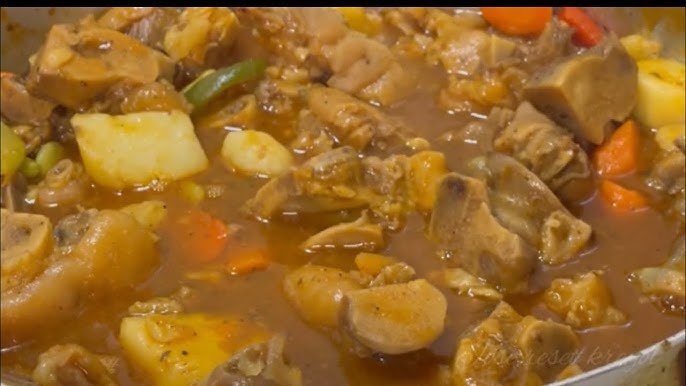
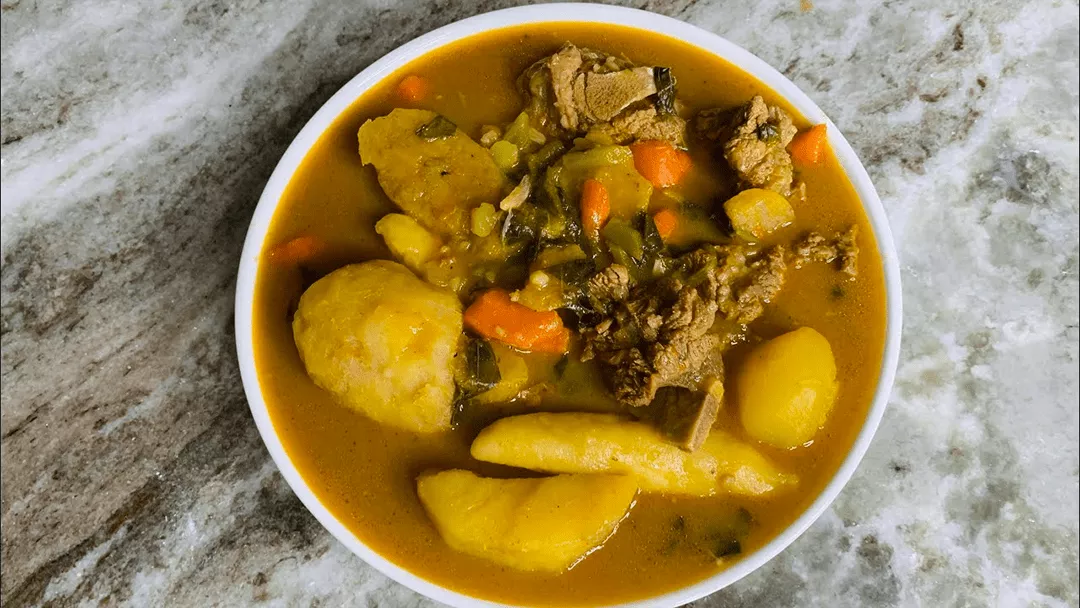
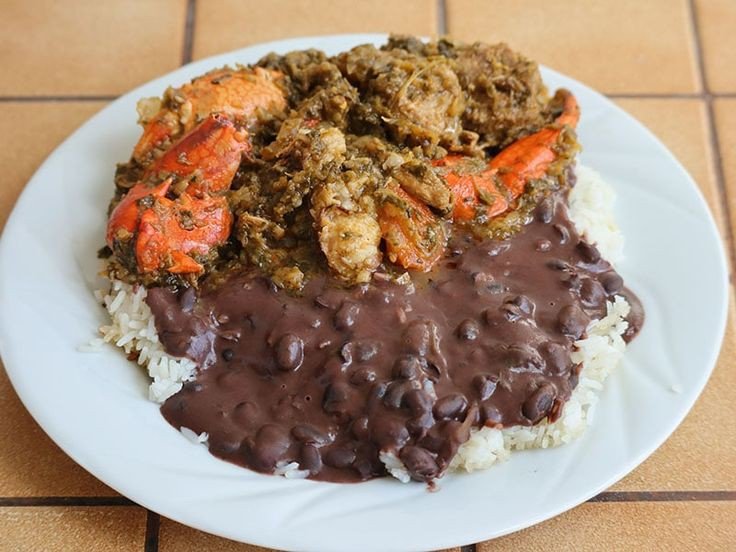
Haïti Wonderland, far from setting itself up as a chef with Michelin stars, brings you the recipe for Haitian vegetables, “legim” or “toufe.”
Read the article in :
Ingredients

• 2 pounds of Haitian-seasoned beef • 2 tablespoons of olive or vegetable oil
• 3 tablespoons of tomato paste (optional)
• 2 cups of water
• 1 chicken bouillon cube (maggi or other)

• 1 cup of water
• 2 eggplants, peeled and cut into pieces
• 0.75 of cabbage, cut into pieces
• 1 package of watercress
• 2 carrots
• 1 medium-sized onion
• 1 mirliton
• 1 hot scotch bonnet pepper (be careful not to burst this pepper)
• ½ lime (juice only)
• ½ teaspoon of salt
• 4 cloves of cloves
• 2 cloves of garlic
• 2 chicken bouillon cubes (maggi or other)
• ¼ teaspoon of clove powder
• 4 tablespoons of olive oil

Cut all your vegetables into pieces. In a saucepan, brown the garlic and onion in a little hot oil. When the garlic becomes translucent, add the eggplant, mirliton, cabbage, carrot, leek and a little water. Cover the saucepan and let the vegetables simmer, which you will then reduce to a puree using a pestle. Return the puree to the heat, salt and pepper. Add a little vinegar, the bouquet garni and the whole goat pepper.
During the week, enjoy the "Toufe" with white rice or rice with the beans of your choice, and come back to give news in comments.

Facebook : https://www.facebook.com/haitiwonderland
Youtube : https://www.youtube.com/@haitiwonderland
Instagram : https://www.instagram.com/haitiwonderland/
Twitter : https://twitter.com/haitiwonderland
Linkedin : https://www.linkedin.com/in/haitiwonderland/
In a digital world largely dominated by Facebook, Instagram, and TikTok, Haïti is witnessing the birth of an innovation that could well be a game-changer: Toupatou, a 100% Haitian social network. Designed by a young local talent, this project embodies both the ingenuity of Haitian developers and the desire to create a platform adapted to local needs.
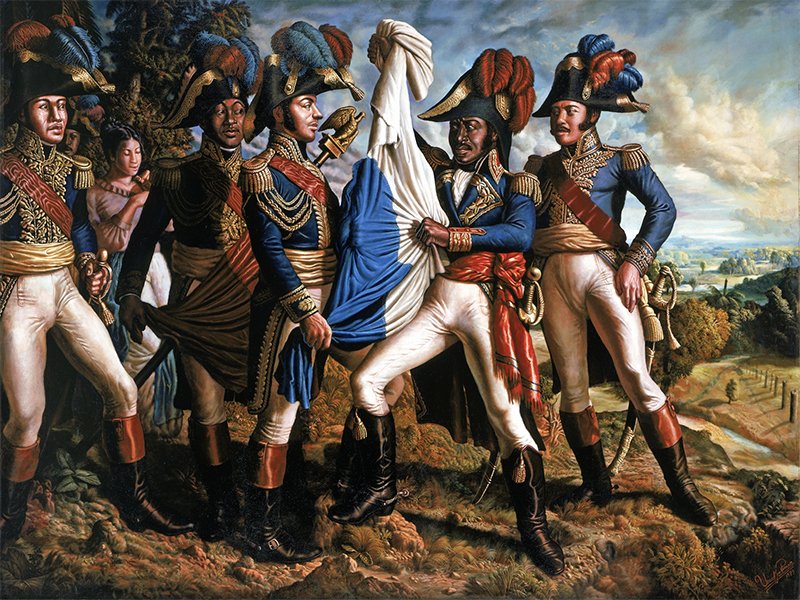
Haiti, nestled in the Caribbean, is often recognized for its picturesque beaches and rich culture. However, this island country also carries a deep and significant historical legacy: that of being the first black country to gain independence and abolish slavery, becoming a powerful symbol of freedom and resistance.
Subscribe to our newsletter to stay informed of all our activities and news on Haiti.
Maello ERO, whose real name is Woodmaer DOLMA, was born in Petit-Goâve on November 17, 1994. From a young age, he stood out for his talent and determination. He completed his primary studies at the Wesleyan School of Fond-Doux and his secondary studies at the Collège Mixte Capois La Mort (COMICAM). In 2013, while still a student, he began his artistic career as a rapper. His integration into the group “Zerocks”, made up of young singers and rappers, allowed him to develop his talent and express his passion for music. In 2016, Maello ERO distinguished himself by winning third prize in the rap competition organized in Petit-Goâve under the theme: "Ann fete Nwel nan pataj pou lanmou jemen nan Tigwav". This victory marked a turning point in his musical career. The following year, in 2017, he released his debut track titled "Koz mwen se ERO Star", which received a warm reception from the audience. In 2021, he joined the group MJM (Maello Jay-T and Master Guy), with whom he produced several titles including "Mwen vle mennen w" in collaboration with Povenzoe (October 2022), "MJM nan kay la" (September 2022), “Fanm sadomin m” (November 2022), “Mèsi manman” and a carnival song entitled “Leve kanpe”.
If you dream of heavenly beaches where white sand, turquoise waters and landscapes blend, Haïti is the ideal destination for your vacation. This jewel of the Caribbean offers a multitude of beaches that captivate with their breathtaking beauty and unique atmosphere. Discover ten must-visit beach destinations in Haïti that promise to make your vacation unforgettable.
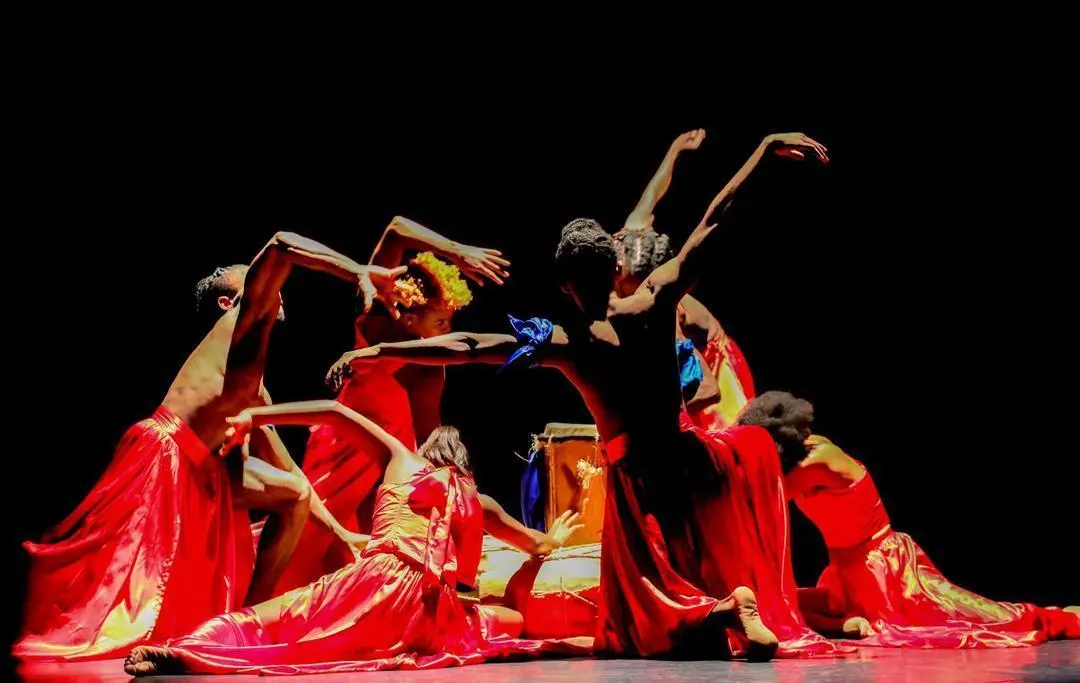
Haiti, a land rich in history and cultural diversity, offers a unique musical treasure through its captivating rhythms. Haitian music, deeply rooted in the fusion of different African, European and Caribbean influences, constitutes a vibrant expression of national identity. One of the distinctive elements of Haitian music is its rhythmic diversity, reflecting the many facets of daily life, from religious celebrations to moments of joy and sorrow. Haitian rhythms, carrying contagious energy, are a reflection of the soul of the Haitian people. One of Haiti’s most iconic musical genres is direct compas, which emerged in the 1950s. This catchy rhythm, coupled with captivating melodies, has captured hearts globally. The direct compass embodies the fusion of different musical styles, including jazz, merengue, and elements of traditional Haitian music. Haitian musical traditions are not limited to contemporary sounds. Vodou, an ancestral spiritual practice, also has a major influence on Haitian music. Vodou rhythms, often associated with religious ceremonies, create a deep connection between spirituality and artistic expression. Furthermore, dance is inseparable from Haitian music. The graceful and energetic movements of traditional dances like rasin, combined with captivating rhythms, transport dancers and spectators to a world where bodily expression becomes a living art form. Exploring the musical and dance traditions of Haïti is like diving into a universe where history, culture and spirituality are harmoniously woven together. These rhythms, passed down from generation to generation, are much more than simple notes; they embody the soul of a people and the richness of its diversity. Celebrating these traditions pays homage to Haiti’s exceptional cultural heritage and its invaluable contribution to the global music scene.
La cuisine haïtienne, riche et colorée, offre des plats savoureux comme le "Diri kole ak sòspwa" et le "Legim". Le Diri kole ak sòspwa, un mélange réconfortant de riz et de haricots rouges, est un pilier de l’alimentation haïtienne, souvent accompagné de viande ou de poisson. Le Legim, quant à lui, est un ragoût végétarien épicé fait de chou, de carottes, et d’épinards, épaissi avec de la purée d’aubergine et enrichi d’épices. Ces plats, profondément ancrés dans la tradition, symbolisent la fusion unique des influences africaines, françaises et taïno qui caractérise la cuisine haïtienne.

First black nation to free itself from slavery and gain independence from France in 1804 and influenced other liberation movements around the world, inspiring struggles for freedom and equality.

Haïti is blessed with spectacular natural landscapes, including white sand beaches, mountains and rich biodiversity.

Haïti has a rich historical heritage, including sites like the Citadelle Laferrière and the Sans-Souci Palace, listed as UNESCO World Heritage Sites.

Haïti has a rich and diverse culture, influenced by African, European and indigenous elements. Haitian music, dance, art and cuisine are celebrated around the world.