contact@haitiwonderland.com+509 36184317

Discover

Shopping Cart

Phone-free day: A sign of youth seeking connection with nature

Phone-free day: A sign of youth seeking connection with nature

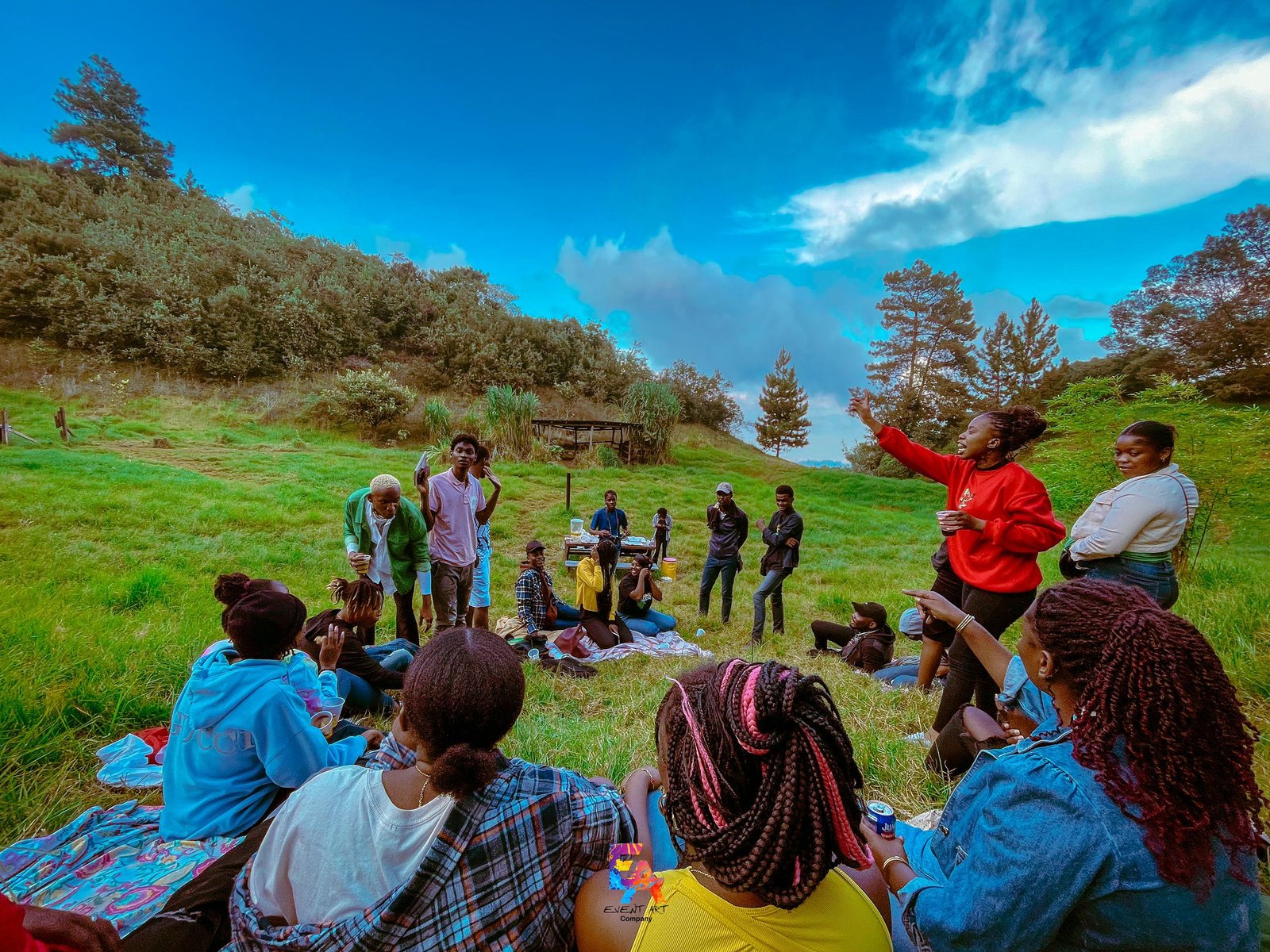
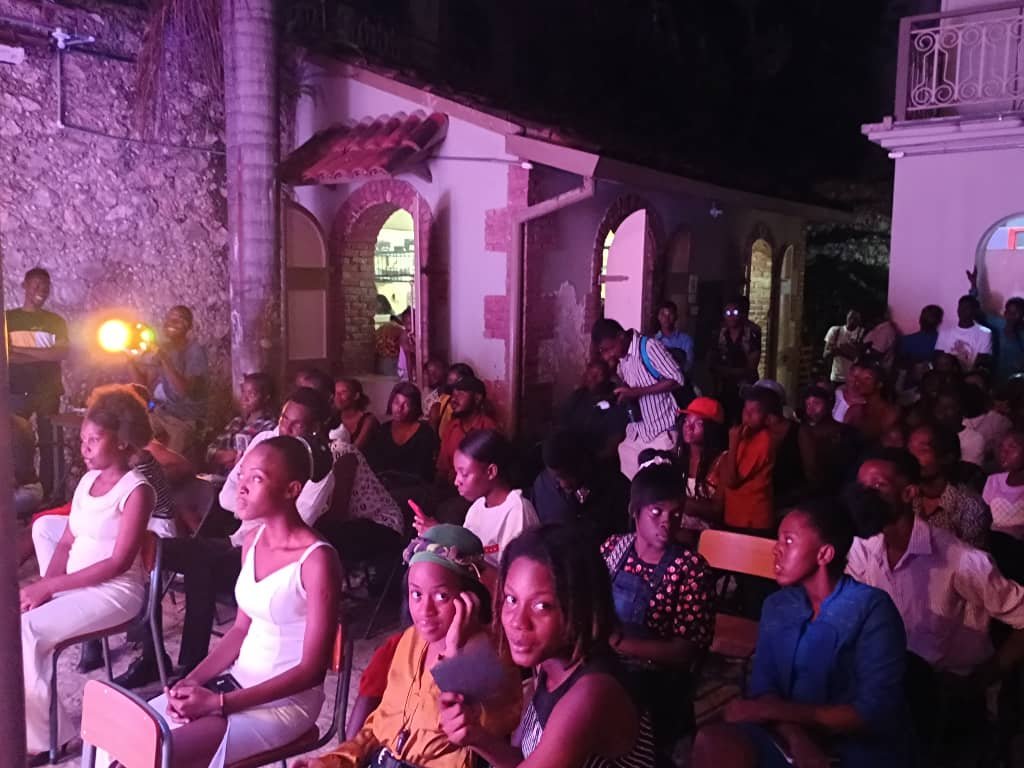
The "Phone-free day" is an initiative taken by a group of young people led by slam poet Jean Wood Jude. The first two editions took place on September 30 and October 29, 2024 in Kenscoff. The next edition is scheduled for November 30, still in the town of Kenscoff, above Pétion-Ville

The practice is intended to be innovative, in that it provides an ideal setting for the public (generally young) that facilitates their interconnection, by guaranteeing them a better connection to books, traditional games, and the lush nature of Kenscoff.

The usefulness of the telephone

The telephone, over time, has become an essential tool in people’s lives, its omnipresence and its importance, making it difficult to imagine any desire to put it away from oneself, even if only for the time it takes to eat. Its absence for a period of time has downright become a real source of anxiety. With the significant technological developments, and the surprising evolution of artificial intelligence, the world promises to become more and more computerized, thus making the need to have a smartphone even more essential in large cities.

In a country like Haiti, where traditional means of leisure, which can facilitate social cohesion, such as movie theaters, sports arenas, large concert halls, or even giant libraries, are conspicuous by their great absence. A country where financial inclusion for a good majority of its population involves mobile applications, the usefulness of the telephone is no longer in doubt. However, the telephone, like any other element in this world, also has its harmful side. The addictive tendency developed around it is not the least. It has become, over time, for some people, a real mental health issue. Hence the importance of initiatives such as telephone-free days, which provide an attractive environment, where people (young people in particular) can try the idea of ​​moving away from this precious sesame for a day, to offer themselves a better connection to nature.

See as well

Its ecological importance

Any attempt to connect 21st century humans to nature is an honorable gesture. The "Phone-Free Day" initiative also has this particularity that makes it even more special. Man, in contact with nature, becomes more aware of its value and is more likely to willingly commit to its defense. This is a fact that cannot be denied.

In addition, we are in the era of climate change, where the duty of collective awareness in the face of the accelerated degradation of our environment has become more than a necessity. The "Phone-Free Day" is an initiative that, if it becomes widespread, would allow the planet to make significant energy savings, because the mobile applications that we use every day and recent AI tools consume large amounts of energy to power their main databases. By reducing the number of consumers of these digital tools to a certain level.

This is an expensive offer that we are making to the atmosphere, which has not been able to breathe normally for some time, due to the harmful effects of human energy practices.

Sign of an innovative youth

Youth find themselves, rightly, on the front line in the face of the accelerated digitalization of our daily lives. It is up to her, most certainly, to identify the good and bad sides of this new reality that is imposed on her, in order to be able to prioritize good practices and know what exactly to leave aside. It is precisely at this level that this initiative called "Phone-Free Day" is among the good news. Because it reveals an awareness of the permanent dangers that could represent the unlimited connection advocated by the new masters of the world, and equips itself with the means to be able to counteract it with healthier practices, thus facilitating social cohesion by making it possible for people to connect with each other. It is an initiative that would deserve a long-term commitment, in order to be able to generalize, and reach as many people as possible.

Share
About the Author
Moise Francois
Moise Francois
Moise Francois

Journalist editor, poet and apprentice lawyer.

See other articles from Moise Francois
Wood Jude

Très bel article.
November 12, 2024 - 06:39:00 AM
Samantha Josué

J'aimerais y participer avec vous merçi

November 12, 2024 - 07:36:58 AM
Agénord

C'est très intéressant

November 12, 2024 - 08:52:16 AM
Rebecca

Franchement c’est vachement intéressant et c’est tentant

November 12, 2024 - 10:58:16 AM
DALISIEN

Belle initiative !!
Quelles sont les procédures de participation,svp???

November 12, 2024 - 04:32:40 PM
Moïse François

Pour celles et ceux qui voudraient prendre part à la prochaine édition vous pouvez me contacter sur 509 37174917.

Merci

November 12, 2024 - 11:28:03 PM
Leave a comment

Recently Posted

Haiti: The History of the World’s First Free Black Nation

Haiti, the pearl of the Antilles, is a Caribbean island with a rich and complex history. However, its special status as the world’s first free black nation gives it a unique place in the annals of history. This small island was the scene of an extraordinary revolution which resulted in independence, thus marking the beginning of a new era for the black community and the abolition of slavery. Let’s delve into the captivating story of the birth of the first black republic, Haiti. b~The colonial era and slavery~b Haiti’s history dates back to the arrival of Europeans in the 15th century, when Christopher Columbus discovered the island. European settlers, mainly Spanish and French, introduced slavery to exploit the island’s resources, including sugar, coffee and cotton. The indigenous Native American population was decimated, paving the way for the massive importation of African slaves. b~The Haitian Revolution~b On August 14, 1791, Haitian slaves rose up against their oppressors, sparking the Haitian Revolution. Under the leadership of iconic figures such as Toussaint Louverture, Jean-Jacques Dessalines and Henri Christophe, the insurgent slaves inflicted defeats on European armies, demonstrating fierce resistance and a desperate quest for freedom. b~The Declaration of Independence and the creation of the Republic of Haiti~b On January 1, 1804, Haïti proclaimed its independence, becoming the world’s first free black nation. This historic declaration symbolized the end of slavery and the triumph of the will of a people determined to live free. The Republic of Haïti was born in struggle and blood, asserting its autonomy in the face of the colonial powers. b~Post-independence challenges~b However, independence did not mean the end of challenges for Haiti. The country had to face external pressure, reparations imposed by France in exchange for recognition of its independence, as well as internal unrest. Despite these obstacles, Haïti strove to build a free and sovereign nation. The story of Haïti is that of a nation that overcame countless challenges to emerge as a pioneer of freedom for the black population. The Haitian Revolution remains a unique example of resistance, courage and determination, and Haïti continues to carry the torch of independence in the contemporary world. The legacy of this small Caribbean island still resonates today, reminding the world that freedom is a universal right that can be won even in the most difficult circumstances.


The Haitian Carnival: A Festival of Colors, Music and Traditions

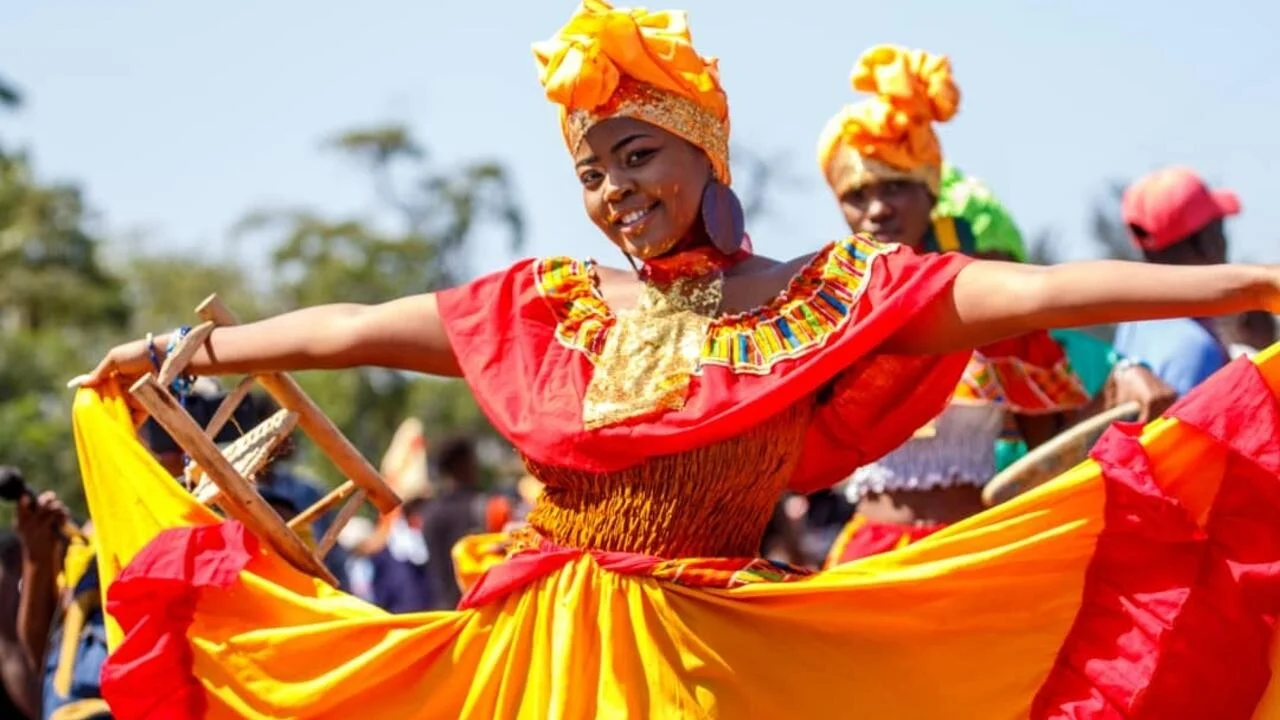
The Haitian carnival, an emblematic and essential celebration of the country’s festive calendar, is much more than a simple party. It embodies the very essence of Haitian culture, joyfully blending ancestral traditions, intoxicating music and a deep sense of community. Each year, this vibrant celebration transforms the streets into a vibrant and colorful spectacle, attracting thousands of participants and spectators eager to take part in this one-of-a-kind celebration. Haitian carnival has deep roots in the country’s history, dating back to colonial times. It has evolved over the centuries, incorporating elements of African, French and Creole culture to create a distinct and captivating celebration. The carnival period in Haïti traditionally begins in January and culminates with extravagant festivities that take place over several days. One of the most striking features of the Haitian carnival is the profusion of colors. Traditional costumes, called "masks", are elaborate and beautifully designed. They feature vivid patterns and vibrant decorations, creating a vivid picture of Haitian cultural identity. Participants, dressed in these elaborate costumes, parade through the streets to the sound of lively music, creating an electric atmosphere. Music is at the heart of the Haitian carnival. The captivating rhythms of compass, rasin, rara and other local musical genres resonate throughout the city, inviting people to dance to the rhythm of the party. Orchestras parade through the streets, accompanying the dancers and creating a unique symbiosis between the music and the graceful movements of the participants. The Haitian carnival parade is not just about the music and costumes; it also celebrates the richness of street arts. Talented artists create giant sculptures, art installations and theatrical performances that tell deep stories of Haitian history and culture. These artistic expressions contribute to the transmission of values ​​and stories that shape the identity of the Haitian people.

Newsletter

Subscribe to our newsletter to stay informed of all our activities and news on Haiti.

Haïti / Ganthier: I Let You In, an Ode to Modern Relationships by Igens VIL

The Meaning of the Essence of Love The commune of President Boniface Alexandre and Martial CELESTIN produces a talented artist. Yes, Ganthier stands out as one of its best representatives on the international scene. "I Let You In" is a title that lays bare the complexity of heterogeneous relationships around the world. This opus, both provocative and touching, awakens the mind, body and soul. I am deeply moved by the way in which the artist Igens VIL, a true emblematic figure of Ganthier, evokes intense emotions and provokes reflection on the issues of contemporary romantic relationships. Each verse of this composition, co-written with Dayvin Kaponda, contains profound messages about tolerance towards others, our aspirations and ambitions, the true foundations of authentic love. It is the very essence of life. Despite the tumults of daily life and the inevitable misunderstandings in human relationships, he reminds us that “in my life, there is always a me; I have tried everything. Even if it means taking a step back, I am ready to do it. And if it means, I will get down on my knees”. The singer, who spent a large part of his adolescence in Galette-Chambon, the first communal section of the commune of Ganthier, is now active in the French music industry. He eloquently and skillfully addresses the complex triangle of sentimental relationships: sacrifice, tolerance and communication. This remarkable work deserves to be heard everywhere; it inspires faith, reflection and action. Gensbe, known as Igens VIL, deserves awards for this song. Guitarist, singer, composer and academic in France, he embodies a rare mix of talents for a young Haitian engaged in these demanding fields that require time, sacrifice and a lot of energy. Today, Gensbe is at his peak and never gives up. More songs are in the works for you, dear listeners. Subscribe to Gensbe on YouTube and other platforms. He is without a doubt one of the best Haitian artists among the big international names. I’ll let you in.

Recently Posted

History

History

First black nation to free itself from slavery and gain independence from France in 1804 and influenced other liberation movements around the world, inspiring struggles for freedom and equality.

Natural beauty

Natural beauty

Haïti is blessed with spectacular natural landscapes, including white sand beaches, mountains and rich biodiversity.

Heritage

Heritage

Haïti has a rich historical heritage, including sites like the Citadelle Laferrière and the Sans-Souci Palace, listed as UNESCO World Heritage Sites.

Culture

Culture

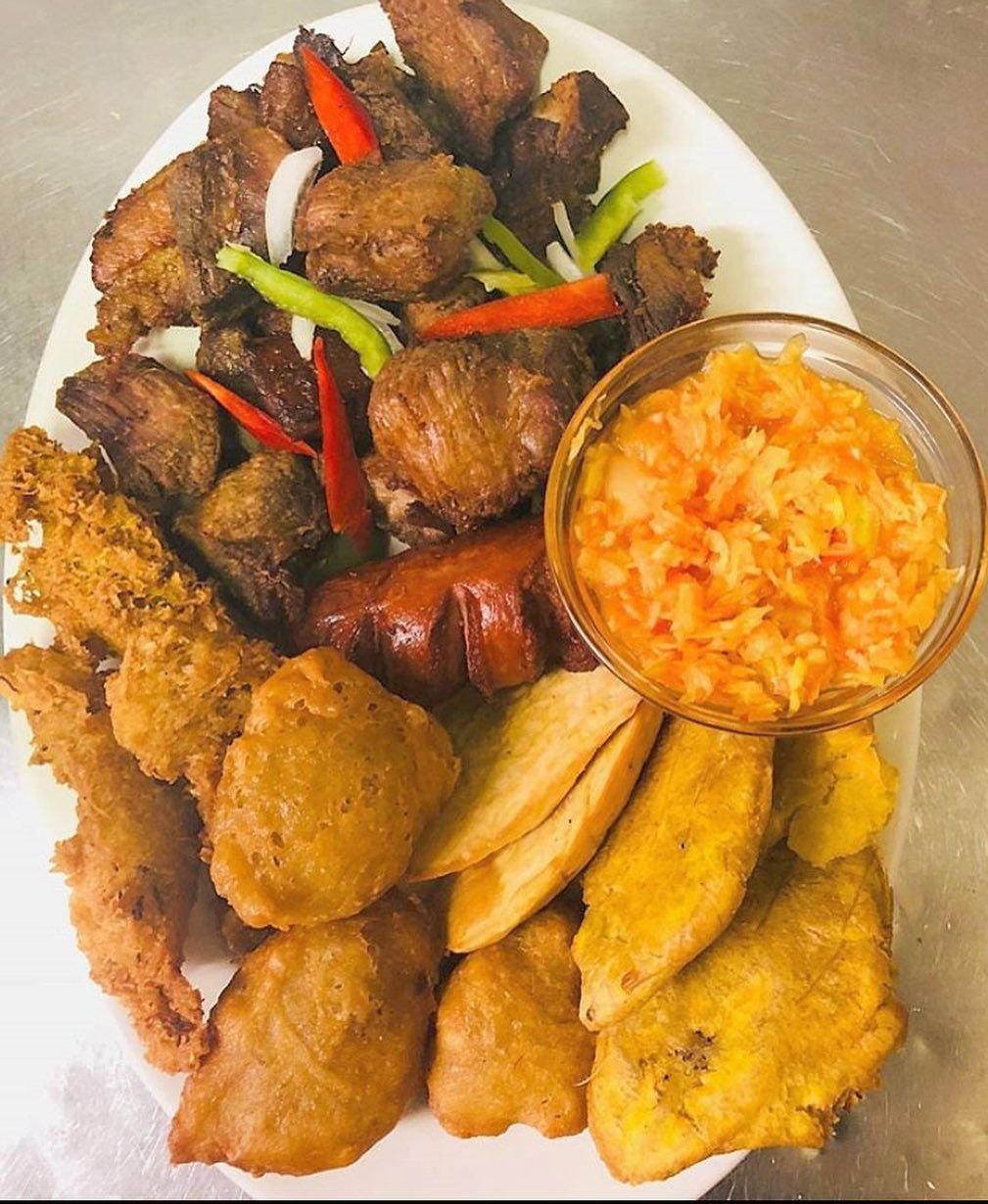
Haïti has a rich and diverse culture, influenced by African, European and indigenous elements. Haitian music, dance, art and cuisine are celebrated around the world.

  • +
    • Post