

1. Hotel Cyvadier Restaurant - Jacmel
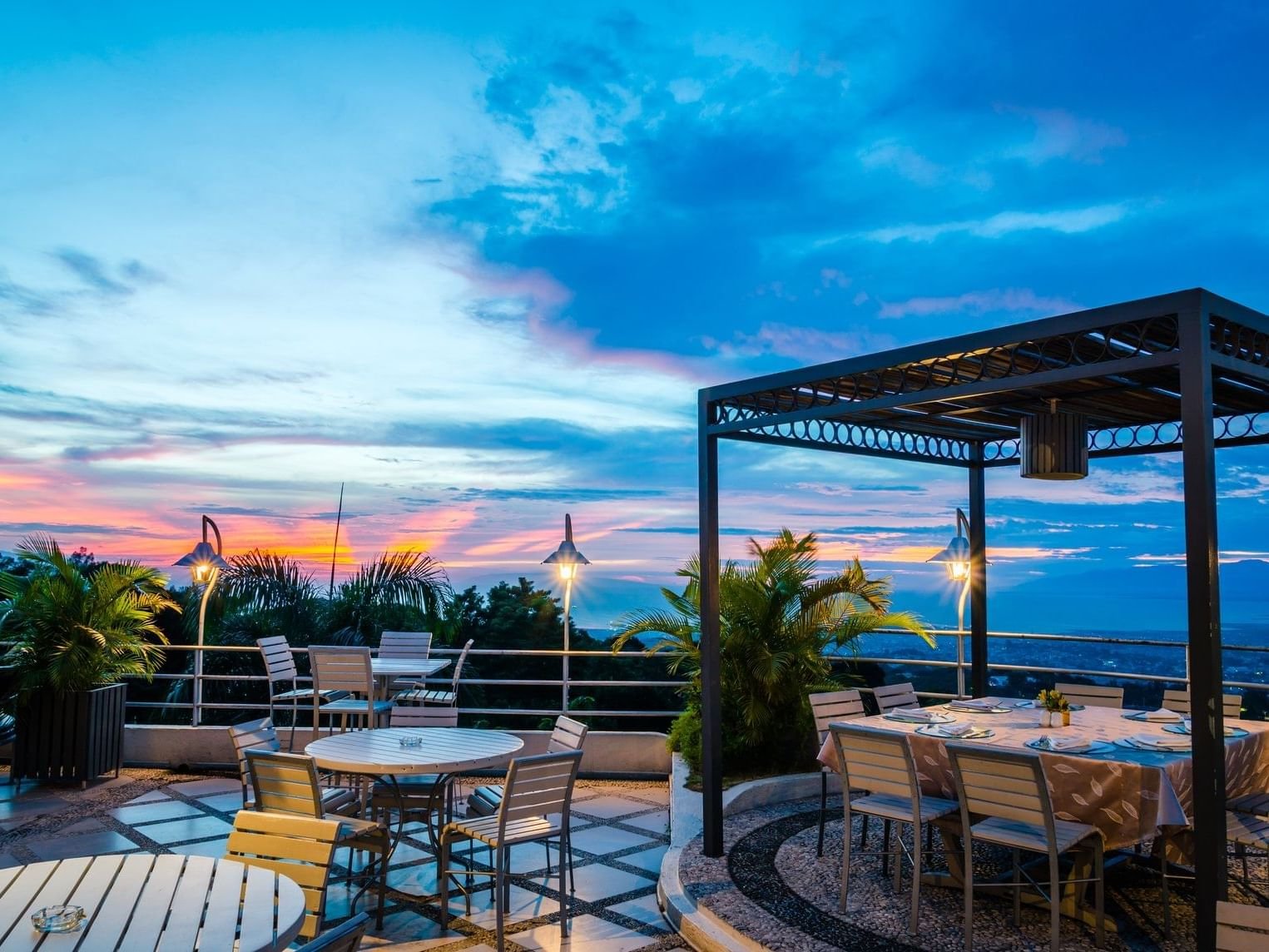
Located in Jacmel, Hotel Cyvadier Restaurant offers stunning views of the Caribbean Sea. With its comfortable rooms and gourmet restaurant, this hotel combines charm and hospitality.
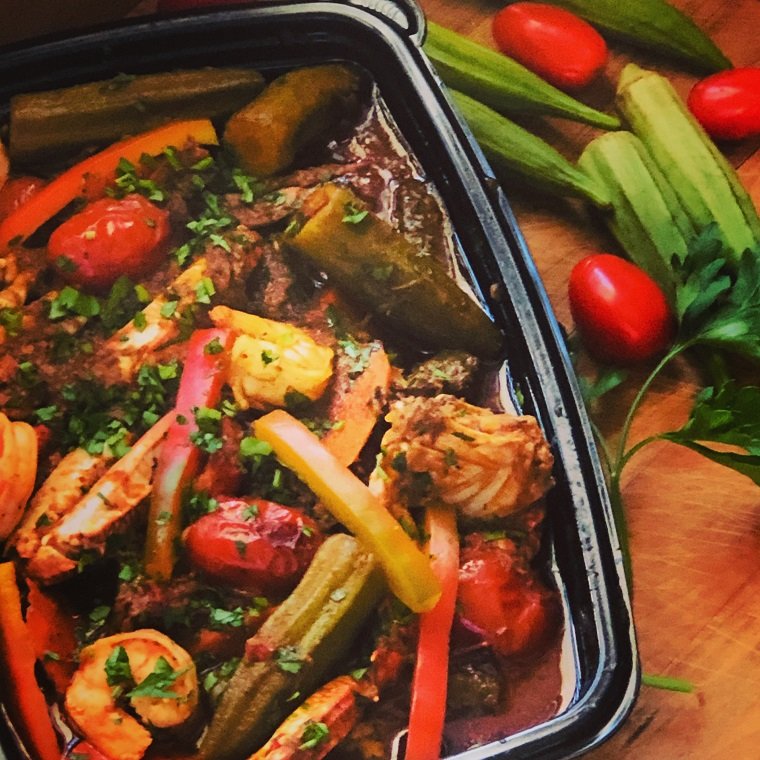
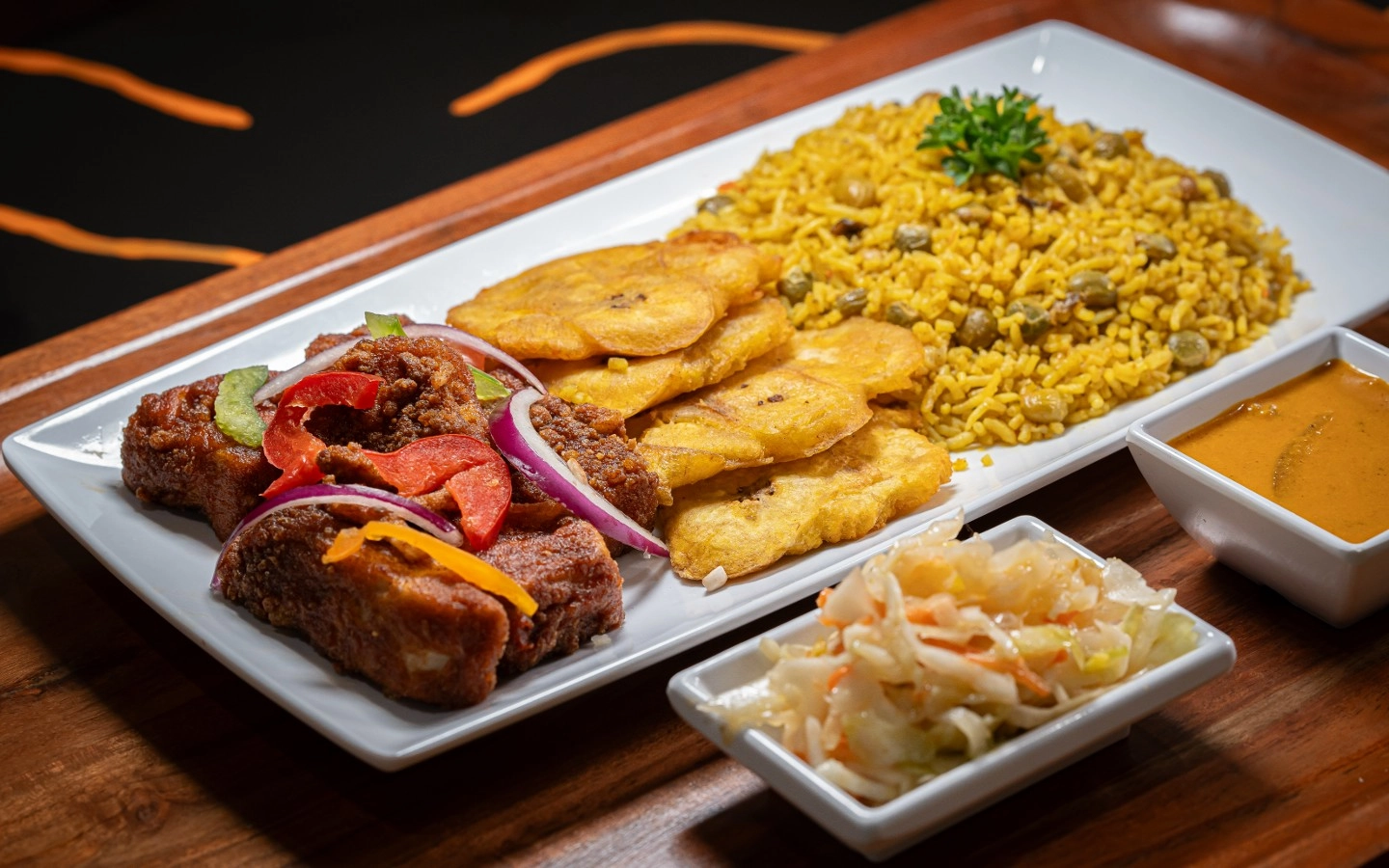
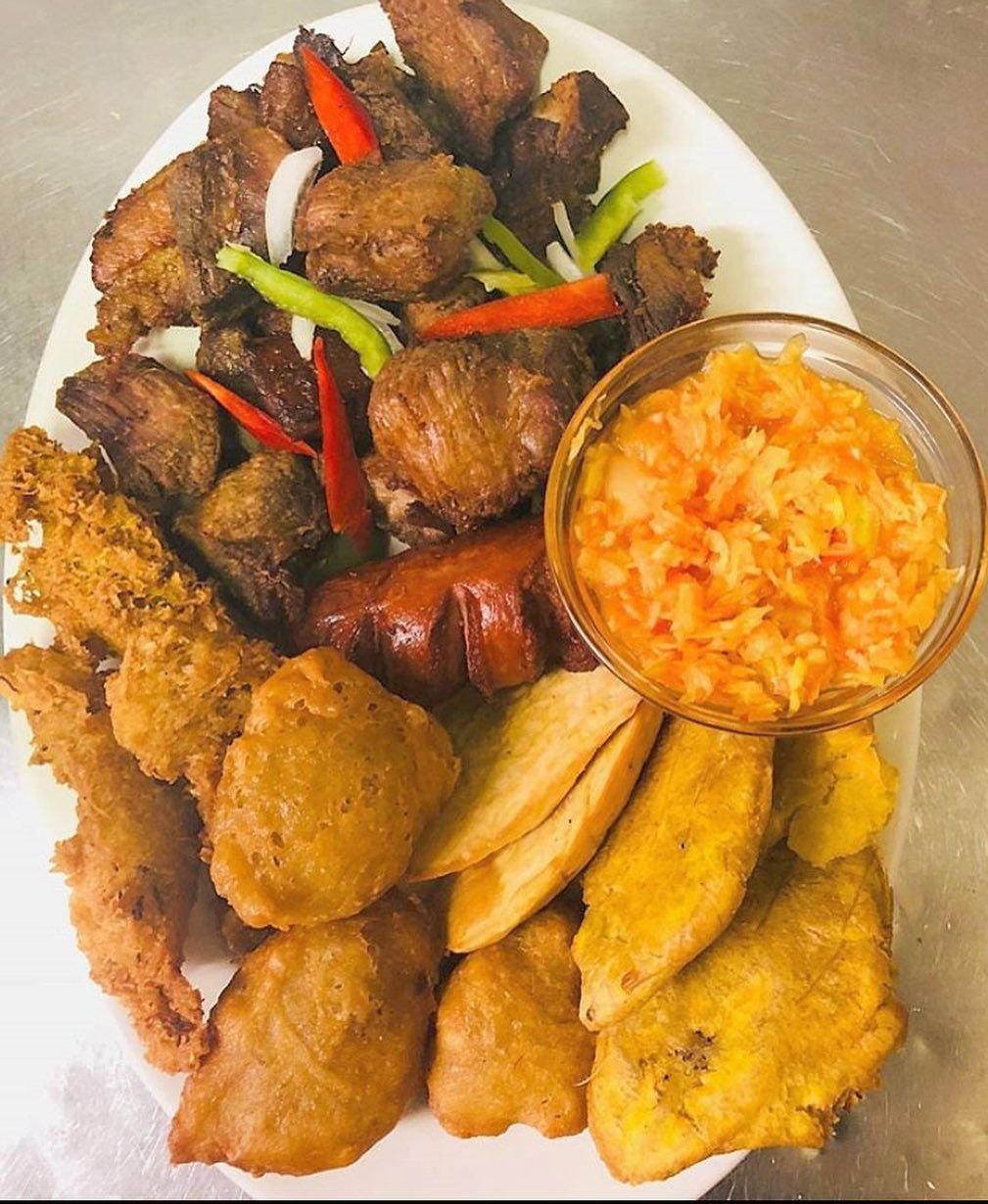
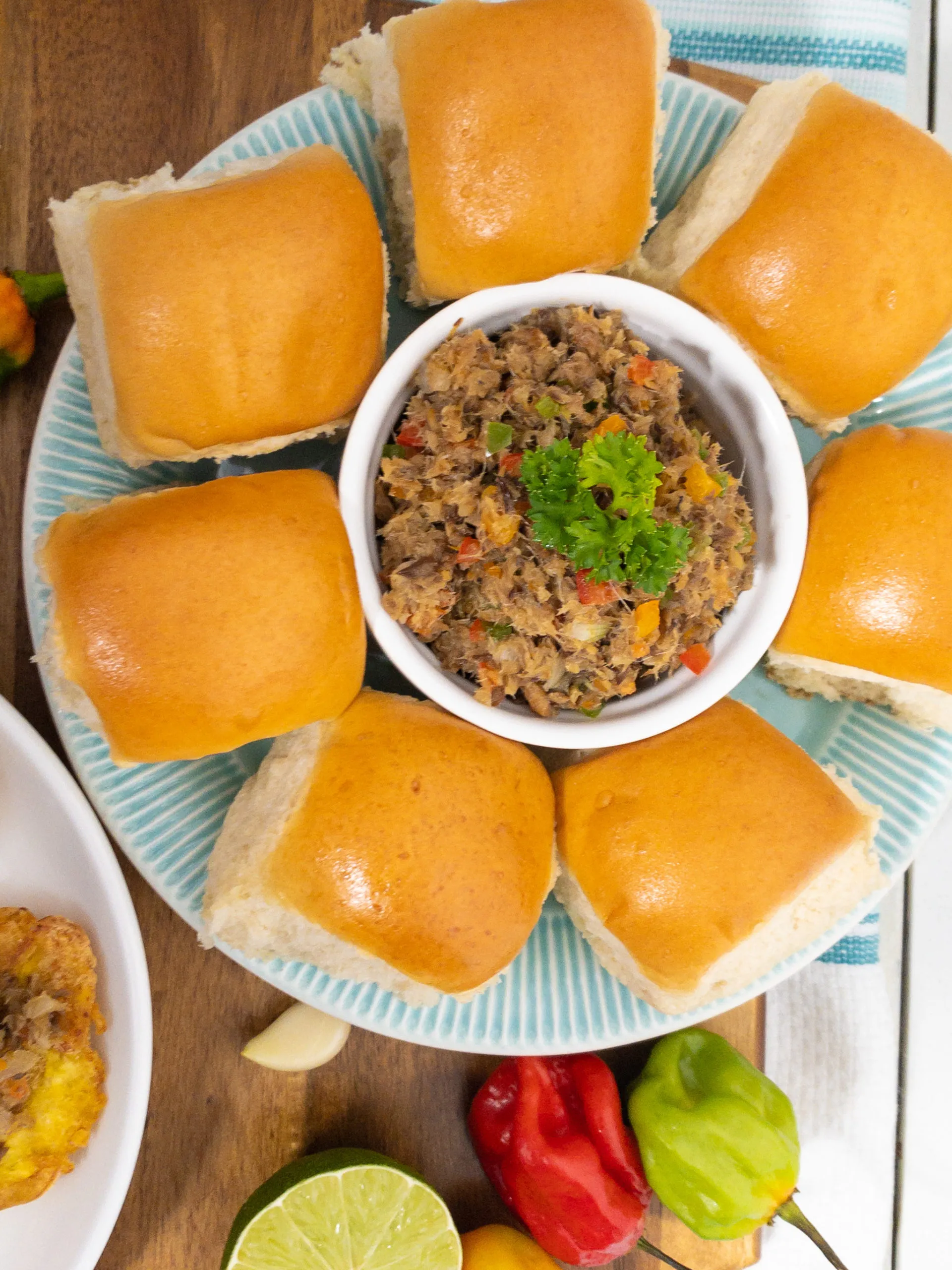
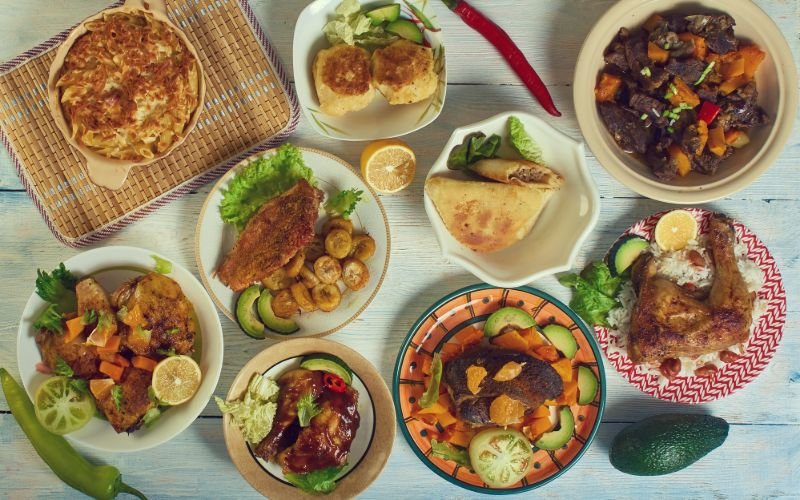
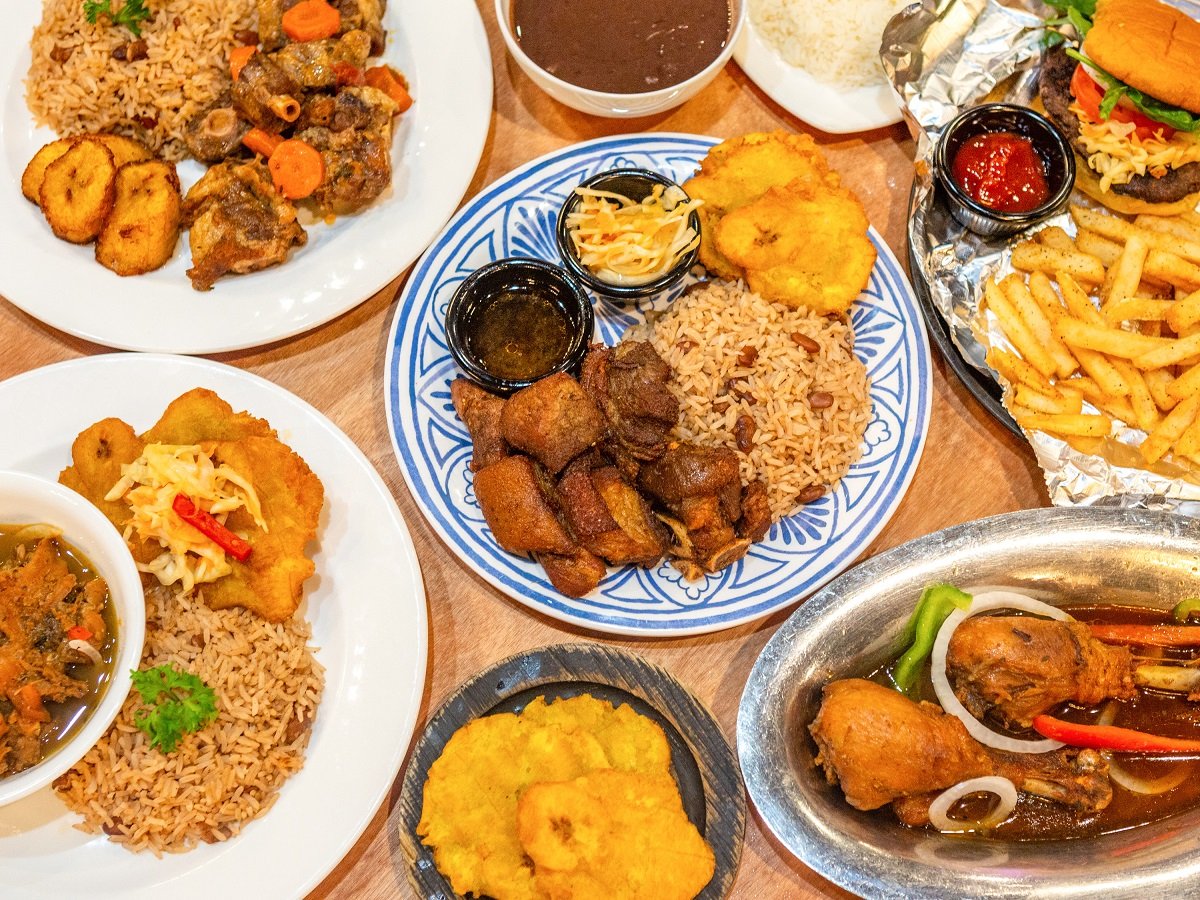
Welcome to Haiti, the pearl of the Caribbean! This enchanting country offers much more than white sandy beaches and crystal clear waters. To complete your heavenly experience, here is a list of 12 restaurants to visit in Haïti where you can taste the best Haitian dishes.
Read the article in :
Located in Jacmel, Hotel Cyvadier Restaurant offers stunning views of the Caribbean Sea. With its comfortable rooms and gourmet restaurant, this hotel combines charm and hospitality.

Ideal for breakfast, lunch or dinner facing the ocean, Boukanye is an unmissable place in Cap Haïtien where the atmosphere is in full swing on weekends. Many evenings and concerts are organized for a unique experience.

With a friendly atmosphere, Lakay offers a restaurant and a dance bar. Evening events and concerts are regularly organized, and the cuisine offers a delicious fusion of traditional Creole and international dishes.

The Karibe Hotel is renowned for its blend of elegance and modernity. Spacious rooms, world-class spa facilities and gourmet restaurants make this hotel a top choice in Pétion-Ville.

A quiet and relaxing place after visiting the museum, Les Jardins du Mupanah offers a spacious, comfortable and clean space in the middle of the city center. Modern architecture adds a touch of elegance to these delicious gourmet restaurants.

A great place in the Pacot neighborhood of Port-au-Prince to dine on your favorite dishes six days a week, sip local coffee accompanied by homemade pastries during our special weekend breakfast. Weekly concerts with outdoor and indoor garden seating available.

Located in Port-au-Prince, GINGERBREAD RESTAURANT is located in a gingerbread-style house, an emblematic architecture of Haiti. The intimate atmosphere and delicious food make it a place not to be missed.

The Kokoye Bar & Grill is a unanimously acclaimed restaurant serving Creole specialties and pizzas. You can also enjoy burgers, seafood and other delicacies in a warm atmosphere.

Located in Pétion-Ville, Magdoos offers an oasis of tranquility. The well-tended gardens and spacious rooms create a relaxing atmosphere, perfect for escaping the hustle and bustle of everyday life.

Nh Haïti El Rancho, in Pétion-Ville, blends modern elegance with Haitian heritage. World-class facilities, a spectacular swimming pool and exceptional service make it a premier destination.

Located in Cap-Haïtien, Cap Deli is a charming restaurant that offers a warm atmosphere. it is a captivating choice where you can taste special dishes that will make you drool.

In Jacmel, the Hotel Florita Bar and Restaurant is a place full of charm and history. Housed in an old colonial house, offers a unique experience combining elegance and tradition.
As you explore these restaurants, you will discover the diversity and richness of Haitian hospitality. Whether you are looking for relaxation, adventure or culture, Haïti has everything you need to make your stay unforgettable. Take advantage of these hidden gems and let yourself be carried away by the magic of this heavenly country.

Facebook : https://www.facebook.com/haitiwonderland
Youtube : https://www.youtube.com/@haitiwonderland
Instagram : https://www.instagram.com/haitiwonderland/
Twitter : https://twitter.com/haitiwonderland
Linkedin : https://www.linkedin.com/in/haitiwonderland/
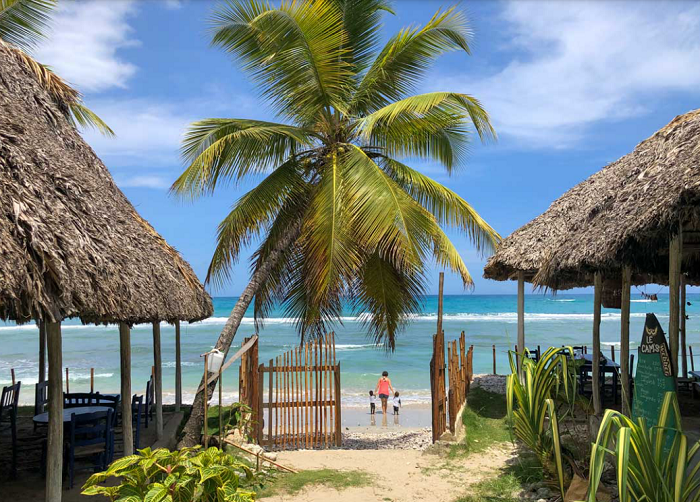
Nestled in the splendid mountains of the southeastern region of Haiti, the picturesque commune of Cayes-Jacmel emerges as a rare pearl, offering an incomparable tourist and cultural experience. With its lush green landscapes, rich cultural heritage and exciting activities, this destination promises an unforgettable journey for travelers seeking authenticity and natural beauty. As soon as you arrive in Cayes-Jacmel, you will be captivated by the splendor of its landscapes. The plains and hills that dominate the terrain offer a breathtaking spectacle, ideal for picturesque hikes and leisurely walks. The town is also full of crystal clear waterways, perfect for a refreshing break or a relaxing fishing session. Explore the hidden trails and let yourself be enchanted by the thriving biodiversity of the region, where nature reigns supreme. Without forgetting the magnificent beaches of Kabic like "Ti Mouillage", where the fine sand and turquoise waters invite relaxation and water sports. Cayes-Jacmel is steeped in rich history and vibrant culture, reflected in its majestic temples and churches. With more than thirty-two temples of all faiths, including Baptist churches, Churches of God and Catholic churches, the town is a symbol of religious diversity and tolerance. Immerse yourself in the region’s fascinating past by visiting the magistrate’s court and police station, witnesses to its political and legal legacy. Experience the excitement of local life by participating in the lively festivals and cultural events of Cayes-Jacmel. Immerse yourself in the haunting rhythms of Haitian music during community celebrations, and discover traditional crafts at local markets. Don’t miss the town’s annual festival, where dance, gastronomy and the arts combine to create a festive and warm atmosphere. Whether you’re a sports lover, adventure enthusiast, or simply looking for relaxation, Cayes-Jacmel has something to offer every traveler. Play football or basketball on the local pitches, or dance the night away at one of the town’s lively nightclubs. For an authentic experience, join a fishing excursion with the locals, or explore the region’s hidden gems on an exciting jeep tour. With its breathtaking natural beauty, rich cultural heritage and captivating activities, Cayes-Jacmel emerges as an incomparable tourist and cultural destination in Haiti. Whether you are looking for adventure, relaxation or cultural discoveries, this picturesque town promises you an unforgettable experience, imbued with the very essence of Haitian life. Embark on a journey to the heart of the magic of Cayes-Jacmel and let yourself be enchanted by its charm.
Subscribe to our newsletter to stay informed of all our activities and news on Haiti.
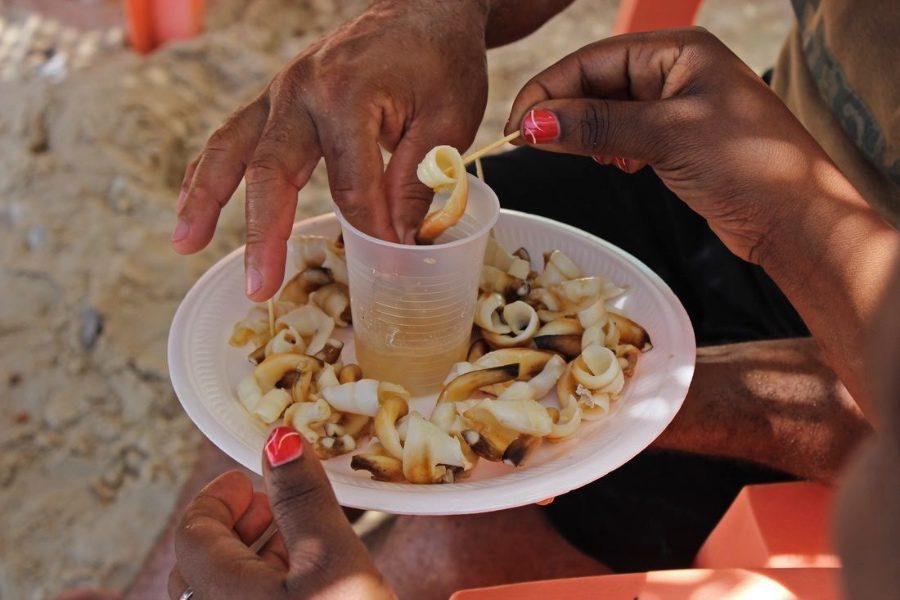
Welcome to Haiti, land of contrasts and captivating flavors. Among the culinary treasures to discover during your trip is lambi kòk, a delicious and nourishing dish that also offers benefits for your endurance. In this article, immerse yourself in the world of lambi kòk and let yourself be seduced by its exquisite flavors and invigorating properties. The queen conch, also known as the "queen conch", is an emblematic marine mollusk of Haiti. Its tender and tasty flesh makes it a true culinary delight. Imagine enjoying grilled conch, drizzled with fresh lemon juice, on a sunny Haitian beach, an experience that awakens all your senses and transports you to a world of gastronomic pleasures.
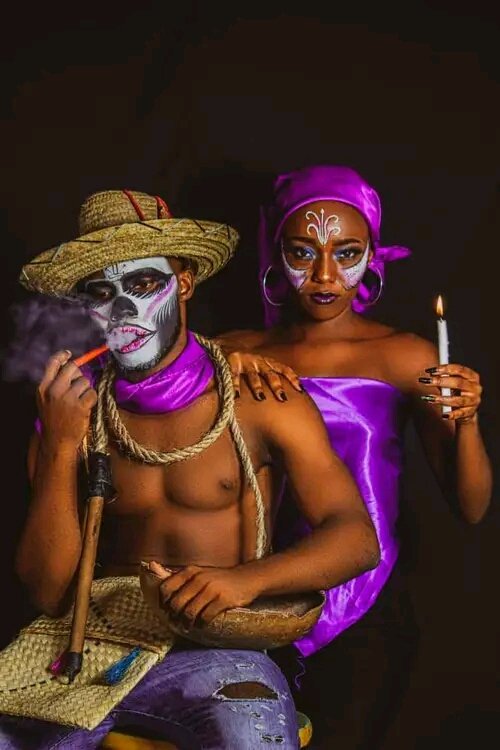
The Guédés Festival is a significant event in the Haitian Vodou religion. It takes place every November 1st and 2nd in Haiti, and it is dedicated to paying homage to the dead. Here are some elements to better understand this celebration: Meaning of Guedes: Guédés are spirits of death in the voodoo pantheon. They symbolize the transition between life and the afterlife. Different names are attributed to these spirits: Papa Guédé, Guédé Nibo, Guédé Masaka, Guédé fouillé, Guédé plumage. In the Voodoo concept, the Guédés maintain a harmonious relationship with the dead. Ritual of the Feast of the Gedes: Vodouists clean the graves and bring flowers to honor the memory of the deceased. They dance and sing to the rhythm of vodou and rara music. Vèvè (sacred symbols) are drawn to invoke the spirits. The color black, symbol of mourning, marks the beginning of life in the voodoo world. Purple mauve evokes transformation, and white symbolizes purity. Relationship with Protestants and Christians: Some Protestants reject the Feast of Geeds and organize days of prayer to chase away “evil spirits”. Christians do not pray for their dead, because their faith teaches them that the deceased are welcomed by the Lord. In short, the Guédés festival is a crucial moment for Vodouists, marking the temporary return of spirits to the world of Vodou. It shows respect for the dead and is an integral part of Haitian culture.
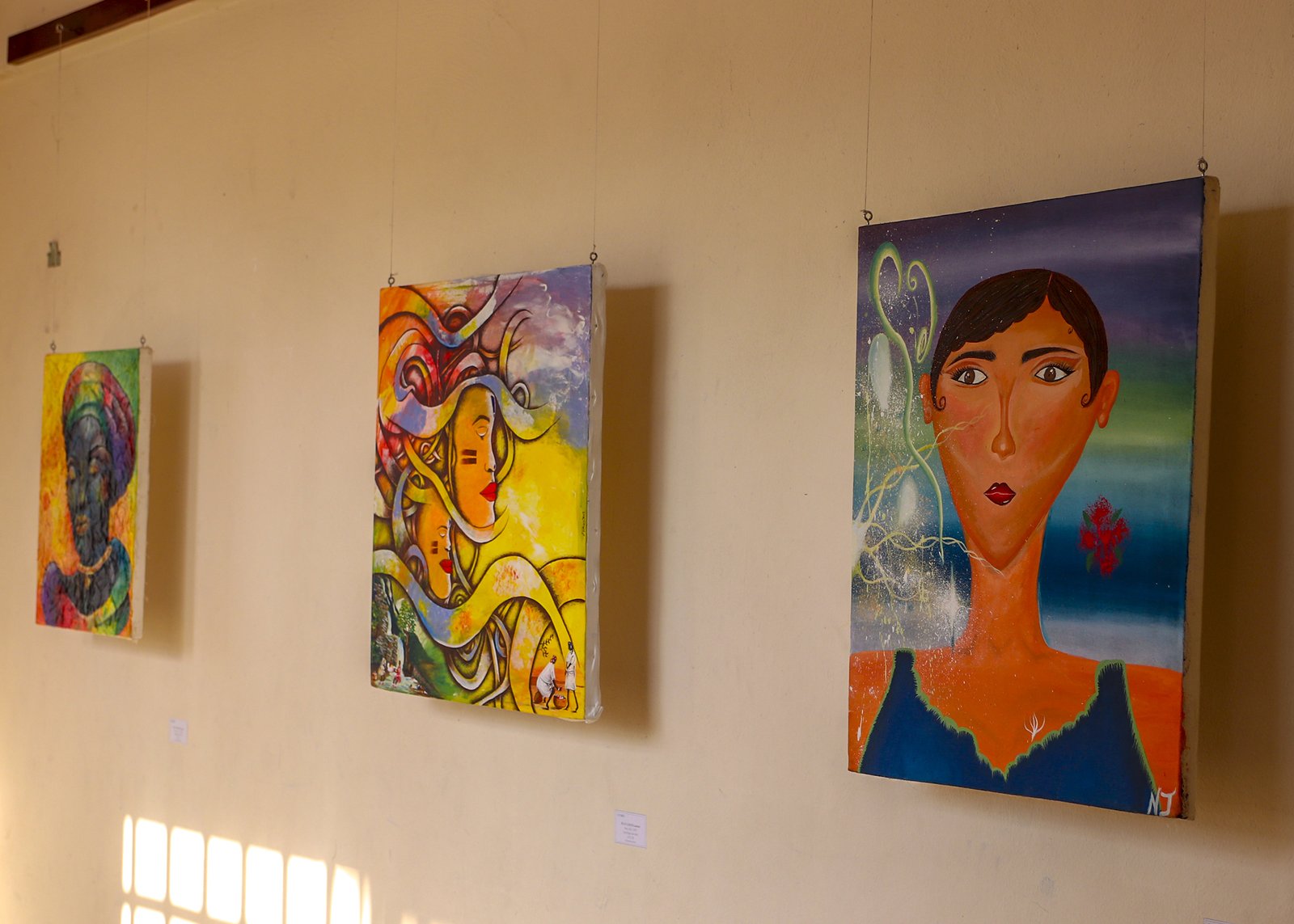
From March 8 to 21, 2025, the Emmanuel Charlemagne Municipal Cultural Center welcomes a vibrant and emotional celebration of femininity with MUSES, a unique exhibition as part of Women’s Fortnight. This event delves into the very essence of Haitian women, representing them in all their complexity, strength, and beauty through the works of four exceptional artists. Let yourself be swept away by this unique artistic experience that invites you to rediscover women in a new light!
Christmas in Haïti is a holiday full of traditions, spirituality and moments of conviviality. Marked by religious celebrations, family feasts and unique cultural expressions, Haitian Christmas is a magical time that reflects the generous and festive soul of the Haitian people. This article takes you to the heart of Christmas traditions in Haiti.

First black nation to free itself from slavery and gain independence from France in 1804 and influenced other liberation movements around the world, inspiring struggles for freedom and equality.

Haïti is blessed with spectacular natural landscapes, including white sand beaches, mountains and rich biodiversity.

Haïti has a rich historical heritage, including sites like the Citadelle Laferrière and the Sans-Souci Palace, listed as UNESCO World Heritage Sites.

Haïti has a rich and diverse culture, influenced by African, European and indigenous elements. Haitian music, dance, art and cuisine are celebrated around the world.