contact@haitiwonderland.com+509 36184317

Discover

Shopping Cart

Le Soup Joumou Haïtien, un plat symbolique et une invitation au voyage culinaire

Le Soup Joumou Haïtien, un plat symbolique et une invitation au voyage culinaire

Le soup joumou haïtien est bien plus qu’un simple plat traditionnel. Il incarne une histoire de résistance, de liberté et de culture, et représente un élément clé de l’identité haïtienne. Au-delà de sa signification symbolique, il offre aussi aux voyageurs un moyen unique de découvrir les richesses de la gastronomie haïtienne. Dans cet article, nous explorerons l’importance historique du soup joumou, ses caractéristiques culinaires, ainsi que son rôle en tant que moteur du tourisme gastronomique en Haïti.

Un Plat Chargé d’Histoire

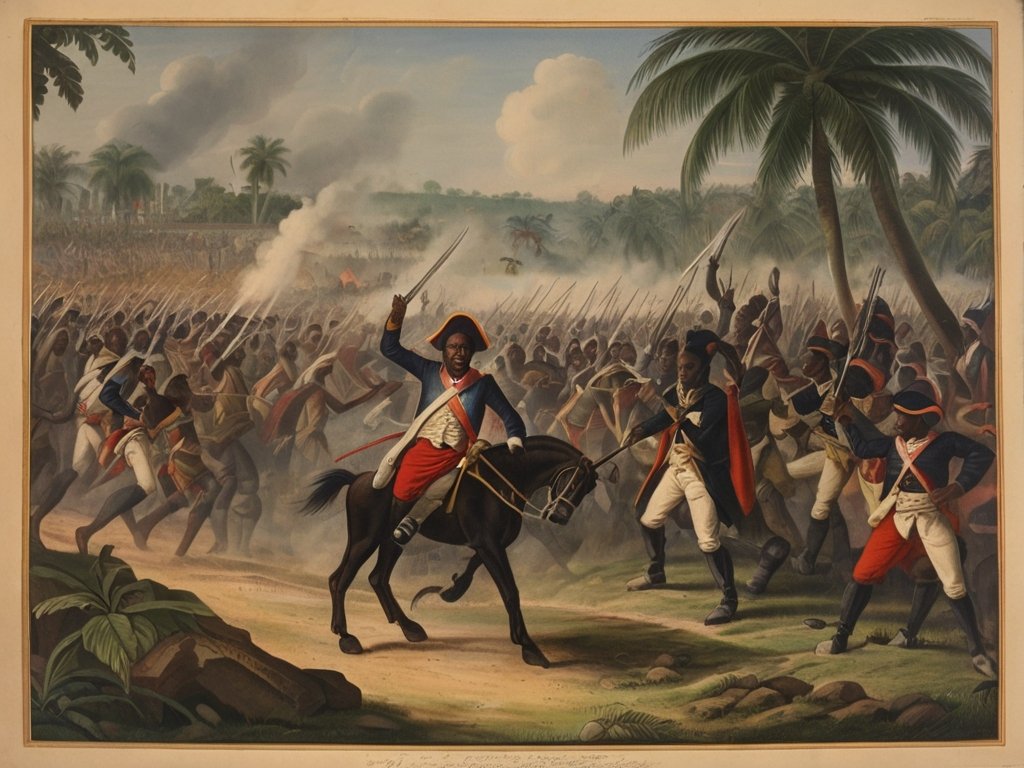
Le soup joumou, ou soupe de citrouille, est étroitement lié à l’histoire de l’indépendance d’Haïti. Ce plat était traditionnellement réservé aux colons français pendant la période coloniale. Les esclaves africains, privés de ce mets, n’en avaient qu’une version réduite et souvent moins nourrissante. Le 1er janvier 1804, après la victoire des esclaves sur les troupes françaises et la proclamation de l’indépendance d’Haïti, le soup joumou devint un symbole de la liberté retrouvée. Depuis ce jour, chaque année, le 1er janvier, les Haïtiens célèbrent leur indépendance en dégustant ce plat, une tradition qui perdure et qui est au cœur des festivités nationales.

Le soup joumou est une soupe riche et savoureuse, composée d’ingrédients variés qui reflètent la diversité des influences culturelles qui ont façonné Haïti. L’ingrédient principal est la citrouille, ou joumou, qui donne à la soupe sa couleur orangée et sa texture veloutée. À cela s’ajoutent des légumes comme les carottes, les pommes de terre, le céleri, l’oignon et l’ail, ainsi que des épices qui renforcent la richesse du goût, telles que le thym, le clou de girofle et le piment. La viande, généralement du boeuf, du poulet ou parfois du porc, ajoute de la profondeur au plat. L’ajout de pâtes, souvent des petites pâtes en forme de lettres ou de petites boules, complète la soupe et en fait un plat consistant.

Cette recette est un exemple parfait de la fusion des saveurs africaines, françaises et indigènes qui caractérisent la cuisine haïtienne. Chaque bouchée raconte l’histoire de la résistance et de l’adaptation à travers les siècles, une histoire qui résonne profondément dans chaque Haïtien et dans tous ceux qui découvrent ce plat.


Visiter Haïti et goûter au soup joumou ne se limite pas à une simple expérience gustative. C’est un voyage dans le temps et dans la culture d’un peuple. Dans les villes et villages, les restaurants et les foyers offrent cette soupe comme un hommage à la mémoire historique et un moyen de préserver les traditions. En Haïti, le soup joumou est souvent servi lors de grands rassemblements familiaux ou communautaires, notamment lors de célébrations nationales ou de fêtes de fin d’année. Il est aussi un plat qui se partage, symbolisant la solidarité et la convivialité.

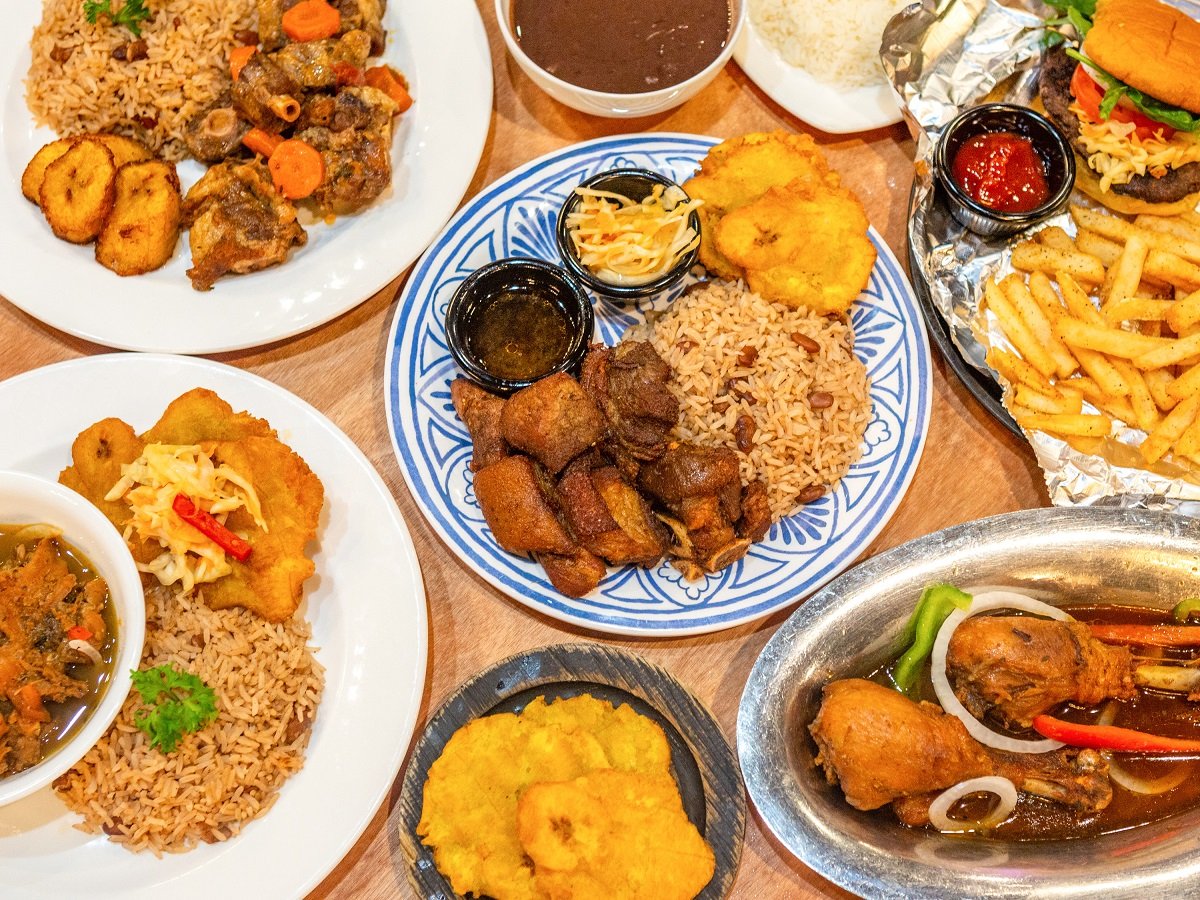
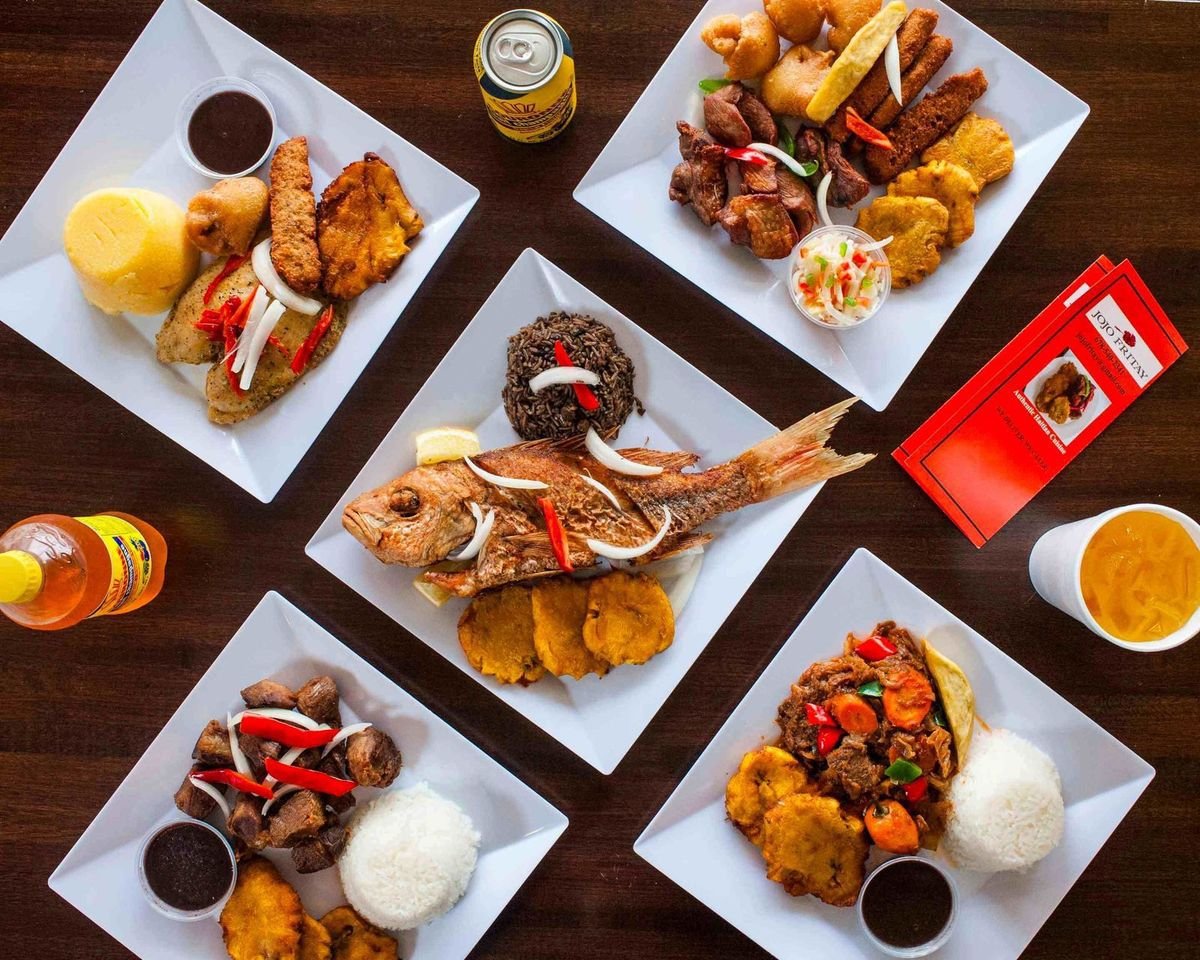
Pour les voyageurs, déguster un soup joumou sur place permet de se connecter à l’âme d’Haïti, de comprendre ses luttes et ses victoires, mais aussi de découvrir la générosité de sa cuisine. Plusieurs restaurants à Port-au-Prince, Jacmel, Cap-Haïtien et dans d’autres villes proposent ce plat, souvent accompagné de pâté en croute ou de grilled chicken haïtien, pour un festin authentique.

See as well

Le Soup Joumou et le Tourisme Culinaire

Le tourisme culinaire est en plein essor à travers le monde, et Haïti commence à se positionner comme une destination intéressante pour les amateurs de gastronomie. Les voyageurs viennent en Haïti non seulement pour son histoire, ses plages paradisiaques et ses montagnes spectaculaires, mais aussi pour découvrir la richesse de sa cuisine, avec en tête d’affiche le *soup joumou*.

Les voyageurs qui cherchent à comprendre la culture d’un pays à travers sa cuisine peuvent se rendre dans des restaurants locaux où des chefs spécialisés dans la cuisine haïtienne transmettent les secrets de ce plat emblématique. De plus, les visiteurs peuvent participer à des ateliers culinaires qui leur permettent d’apprendre à préparer leur propre *soup joumou*, une expérience immersive qui les rapproche davantage de la culture haïtienne.

Certains circuits touristiques incluent également des visites de fermes locales où les ingrédients du soup joumou sont cultivés. Cela permet aux voyageurs de voir de près l’origine des produits utilisés dans ce plat, et d’en apprendre davantage sur l’agriculture durable en Haïti.

Le soup joumou symbolise la résilience du peuple haïtien face à l’oppression et sa capacité à transformer une situation de privation en un symbole de liberté et de fierté nationale. Pour les Haïtiens, ce plat est un lien vivant avec le passé, mais il est aussi un levier pour l’avenir, en particulier dans le secteur touristique.

En tant que produit culturel emblématique, le soup joumou joue un rôle important dans la stratégie de développement du tourisme en Haïti. En mettant en avant la cuisine haïtienne, et en particulier ce plat, le pays a l’opportunité de se faire connaître davantage sur la scène internationale tout en célébrant son identité et son histoire. De plus, cette dimension gastronomique du tourisme peut générer des retombées économiques pour les producteurs locaux et les petites entreprises qui sont en lien direct avec la chaîne de production de la cuisine traditionnelle haïtienne.

Le soup joumou est bien plus qu’un simple plat: il est un symbole de l’indépendance, de la culture et de la résilience du peuple haïtien. Pour les touristes en quête d’une expérience authentique, ce plat est une porte d’entrée vers la découverte d’une culture riche et profonde. En dégustant un *
soup joumou, les visiteurs ne savourent pas seulement un mets délicieux, ils participent à un acte de mémoire collective, d’héritage et de célébration de la liberté. Ainsi, le soup joumou n’est pas seulement une expérience culinaire, c’est un voyage dans le cœur de l’âme haïtienne.

Share
About the Author
Faïly Anderson Trazil

    Medical student, software developer, UX/UI designer, and web writer.
    Driven by a deep passion for writing and digital innovation.

    Email: failyandersontrazil@gmail.com

    See other articles from Faïly Anderson Trazil
    Leave a comment

    Recently Posted

    Holidays in Haiti

    Haiti, the pearl of the Antilles, is a country rich in history and culture. Its public holidays are moments of celebration, commemoration and reflection on its glorious past. Each date has a special meaning, plunging Haitians into a festive and memorable atmosphere. b~January 1: National Independence Day and New Year~b January 1st is a doubly special day in Haiti. On the one hand, it is National Independence Day, commemorating the victory of Haitian slaves over French colonial forces in 1804. On the other hand, it is New Year’s Eve, marking the start of a new year full of promises and hopes. b~January 2: Feast of the Forefathers~b January 2 is dedicated to the memory of ancestors. It is an opportunity for Haitians to remember their roots, to celebrate the cultural heritage passed down from generation to generation. b~February: Carnival, Shrove Monday, Fat Tuesday, Ash Wednesday~b The month of February is marked by Carnival, one of the most colorful and dynamic festivities in Haiti. The streets fill with parades, lively music and wild dancing. Mardi Gras is the culmination of Carnival, followed by Ash Wednesday, marking the start of Lent. b~April: Easter, Maundy Thursday, Good Friday~b Easter celebrations in Haïti include the religious traditions of Maundy Thursday and Good Friday. It is a time of prayer and reflection for many Haitians. b~May 1: Agriculture and Labor Day~b May 1 is dedicated to celebrating the work and importance of agriculture in the life of the country. It is an opportunity to recognize the efforts of workers and to highlight the agricultural sector. b~May 18: Flag Festival~b Flag Day celebrates the Haitian flag, a symbol of independence and national pride. Haitians honor their colors and remember the courage of their ancestors in the fight for freedom. b~May 23: National Sovereignty Day~b This day commemorates the recognition of Haitian sovereignty by France in 1805. It is a moment of national pride and reaffirmation of independence. b~May - August: Ascension~b The Ascension is celebrated between May and August, a religious festival marking the ascension of Jesus Christ into heaven. b~June: Fête-Dieu~b Fête-Dieu, also known as the Feast of the Body and Blood of Christ, is an important religious celebration in June. b~August 15: Assumption of Mary~b The Assumption of Mary is a Christian holiday marking the ascension of the Virgin Mary into heaven. It is celebrated with fervor in Haiti. b~September 20: Birth Anniversary of Jean-Jacques Dessalines~b This date commemorates the birth of Jean-Jacques Dessalines, one of the founding fathers of Haïti and a key leader in the struggle for independence. b~October 17: Death of Dessalines~b October 17 is a day of commemoration of the death of Jean-Jacques Dessalines, recalling his impact on Haitian history. b~November 1: All Saints’ Day~b All Saints’ Day is a religious holiday honoring all saints, celebrated with prayers and visits to cemeteries. b~November 2: Day of the Dead~b All Souls’ Day is an opportunity to pay homage to the deceased by decorating graves and participating in religious ceremonies. b~November 18: Commemoration of the Battle of Vertières~b This day honors the decisive Haitian victory at the Battle of Vertières in 1803, marking the end of the French occupation. b~December 5: Discovery Day~b December 5 celebrates the discovery of the island by Christopher Columbus in 1492. b~December 25: Christmas~b Christmas celebrations in Haïti are marked by family reunions, festive meals and religious traditions. Public holidays in Haïti are much more than breaks from everyday life; these are moments that embody the soul and resilience of a people. Each celebration provides an opportunity to come together, remember the past and look to the future with hope and determination.

    Newsletter

    Subscribe to our newsletter to stay informed of all our activities and news on Haiti.

    Haiti: Ministry of Tourism

    In its quest to revitalize its tourism industry and highlight its natural and cultural riches, Haïti relies on a key player: the Ministry of Tourism. As a government entity dedicated to the promotion and development of tourism, this ministry plays a crucial role in transforming Haïti into a leading tourist destination. One of the main objectives of the Ministry of Tourism is to strengthen the attractiveness of Haïti to international travelers. To do this, it develops innovative marketing campaigns, highlighting the country’s pristine beaches, fascinating historical sites, rich culture and exquisite cuisine. These efforts aim to change the perception of Haïti and generate interest among potential tourists around the world. In collaboration with private sector players, the ministry is committed to supporting and promoting local tourism businesses. By encouraging entrepreneurship and innovation in the tourism sector, the ministry helps create jobs and stimulate the local economy. The Ministry of Tourism also attaches great importance to the preservation of the environment and cultural heritage of Haiti. It implements policies and initiatives aimed at protecting the country’s natural sites, national parks and historic monuments. By encouraging sustainable and responsible tourism, the ministry ensures that future generations will also be able to enjoy the beauty and cultural richness of Haiti. Finally, the Ministry of Tourism works closely with other national and international organizations to promote Haiti’s tourism development. Through strategic partnerships and exchanges of best practices, Haïti benefits from the expertise and support necessary to strengthen its tourism sector and increase its competitiveness in the global market. Haiti’s Ministry of Tourism is a key player in transforming the country into an attractive and sustainable tourist destination. Through its continued efforts to promote tourism, support local businesses, and preserve Haiti’s natural and cultural heritage, the ministry is paving the way for a bright future for the country’s tourism industry.

    Recently Posted

    History

    History

    First black nation to free itself from slavery and gain independence from France in 1804 and influenced other liberation movements around the world, inspiring struggles for freedom and equality.

    Natural beauty

    Natural beauty

    Haïti is blessed with spectacular natural landscapes, including white sand beaches, mountains and rich biodiversity.

    Heritage

    Heritage

    Haïti has a rich historical heritage, including sites like the Citadelle Laferrière and the Sans-Souci Palace, listed as UNESCO World Heritage Sites.

    Culture

    Culture

    Haïti has a rich and diverse culture, influenced by African, European and indigenous elements. Haitian music, dance, art and cuisine are celebrated around the world.

    • +
      • Post