contact@haitiwonderland.com+509 36184317

Discover

Shopping Cart

What does the Coat of Arms of Haïti represent?

What does the Coat of Arms of Haïti represent?

The Coat of Arms of Haïti is a national symbol rich in history and deep meaning. It is a reflection of the country’s identity, its struggle for freedom, and the values ​​that unite the Haitian people. This article takes you into the details of the Coat of Arms of Haiti, exploring its origin, composition, and the symbolism of each element that composes it.

Haïti
Haïti
Haïti

The Origins of the Coat of Arms of Haiti

The Coat of Arms of Haïti was officially adopted in 1807, after the country gained independence in 1804. It is a symbol of the Haitian army’s victory over colonial occupation and the founding of a sovereign state led by free citizens. This coat of arms was designed to represent the struggles and sacrifices of the Haitian people to obtain and preserve their freedom, as well as to celebrate national unity and solidarity.

Key Elements of the Coat of Arms of Haiti

The Haitian emblem is composed of several symbolic elements, each carrying a strong meaning.

- The Palm Tree: Located in the center of the coat of arms, the palm tree represents the freedom and sovereignty of the Haitian people. It symbolizes the resistance of Haitians against oppression and their struggle for independence. The palm tree is also a symbol of peace and prosperity regained.

- The Cannons and Flags: On each side of the palm tree are cannons, representing the war of liberation, as well as flags, which are symbols of military victory and the honor of the Haitian people. These elements recall the battles fought for independence.

- The Laurel Branches: Surrounding the palm tree, the laurel branches are a symbol of glory and victory. They refer to the nobility of the Haitian people and their triumph in the face of oppression.

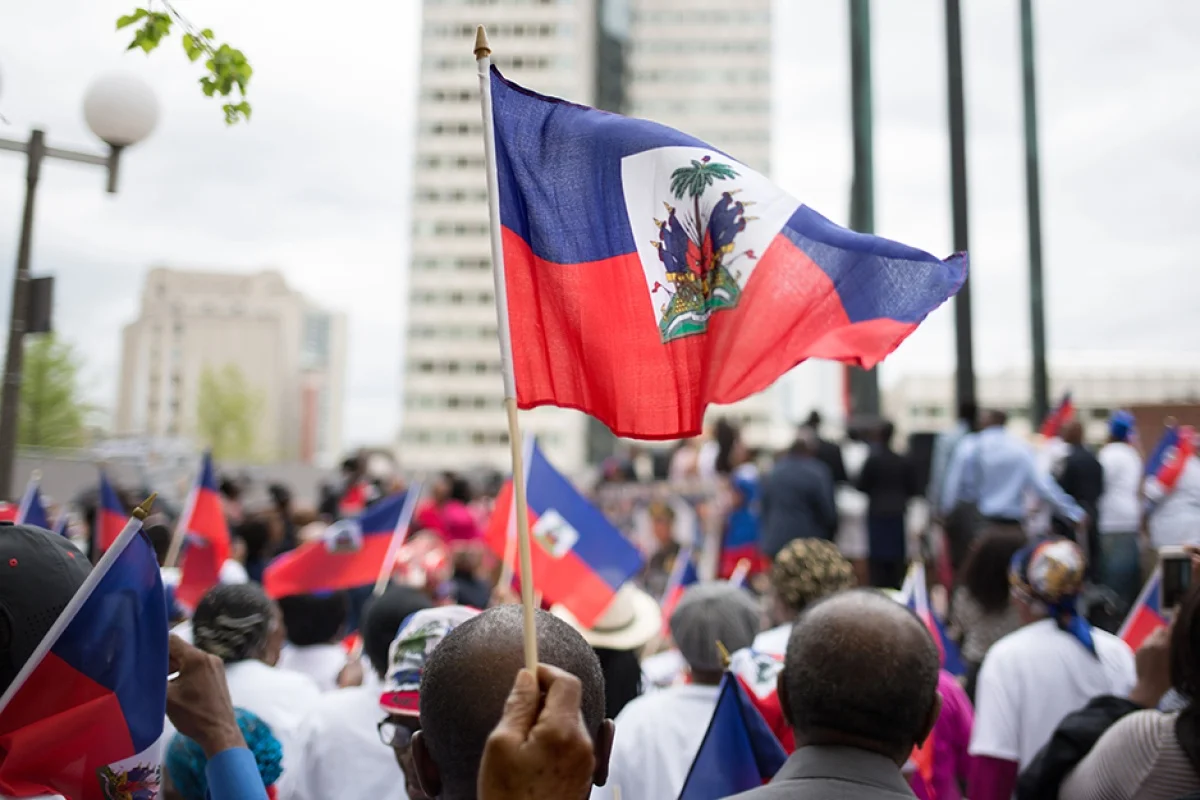
- Haitian Flags: The national flag of Haïti flies around the palm tree and other elements, representing national unity and the pride of a free country.

- The Banner with the Motto: At the base of the emblem, a banner bearing the national motto "L’Union fait la force" is inscribed. This motto recalls the importance of unity in preserving Haiti’s freedom and sovereignty. It embodies the collective strength of the Haitian people in the face of challenges.

The Symbolic Meaning of the Coat of Arms

The coat of arms of Haïti is a mix of symbols that tell the story of the Haitian people’s struggle for freedom and independence. The palm tree and cannons refer to the war of independence and resistance against colonial oppression, while the laurel branches symbolize the values ​​of glory, honor and peace found after victory.

The motto "Unity is Strength" is a key message that embodies the fundamental principle of solidarity and unity among Haitians. This principle was at the heart of the Haitian Revolution, where the unity of struggling slaves helped defeat colonial powers and establish an independent state.

The coat of arms thus recalls not only the military history of the country, but also the importance of national unity in ensuring Haiti’s sovereignty and stability.

Haïti
Haïti
Haïti

The Coat of Arms: A Symbol of National Pride

The coat of arms of Haïti is much more than just an emblem. It is a symbol of pride for the Haitian people, a sign of their victory over oppression and the sovereignty they have acquired through many sacrifices. Each element of the coat of arms reminds each Haitian of the struggles and triumphs of the past, and inspires a deep sense of belonging to the nation.

Whether during national celebrations, demonstrations or official events, the coat of arms is proudly displayed by Haitians, symbolizing their solidarity, unity and love of freedom.

Haïti
Haïti
Haïti

Coat of Arms and Its Place in Haitian Culture

The coat of arms of Haïti is omnipresent in Haitian culture, appearing on the national flag, in official buildings, administrative documents, as well as in many artistic and cultural expressions. It is a key element of the national heritage and a constant reminder of the history of the Haitian republic.

The coat of arms is also a symbol of the unity of the Haitian people, transcending regional, social and economic differences. It reminds all Haitians that, despite the challenges of the past and present, it is in unity that their collective strength lies.

The coat of arms is thus a means of identifying and reinforcing the Haitian national identity, serving as a link between past, present and future generations.

Haïti
Haïti
Haïti

A Living and Emblematic Heritage

The coat of arms of Haïti is a living symbol of the struggle for freedom, the sovereignty of the Haitian people, and the importance of national unity. Each element of this emblem recalls the resistance of the Haitian people in the face of oppression and celebrates their historic victory. More than just an emblem, the coat of arms of Haïti embodies the soul of the nation, its pride, and its cultural heritage. It is a powerful symbol that unites all Haitians in their commitment to the freedom, dignity, and future of their country.

Share
About the Author
Appolon Guy Alain
Appolon Guy Alain
Appolon Guy Alain

Full Stack Developer, Créatif, expérimenté, passionné des nouvelles technologies et de l’art.

See other articles from Appolon Guy Alain
Leave a comment

Recently Posted

Vertières, Fort Mazi: Beyond historical truth;

If you look up the word vertière in a French dictionary, you will not find it for fear that the world does not know this place represents the Achilles heels of the most powerful European army. What’s more, this one had just successfully won the eastern campaign. French historians of the time erased this geographical location from the radar of history because they did not want to tell the story as it is in the sense of explaining the first great humiliation of the expeditionary army French by bands of slaves who were totally ignorant in the art of waging war, much less in the handling of weapons. However, these illiterate wars routed the Napoleonic army, the most powerful at that time, using the means at hand. This expeditionary army, after having brought Europe to its knees, would experience its first rout by slaves in this geographical location, located in the Northern department of Haiti. Funny story, this city is not on the list of French words even though given its historical importance, it should be at the heart of universal history, far from putting an end to the invincibility of the undefeated army army. So as not to offend the white masters, no political leader has ever asked why vertière does not appear in any French dictionary? However, they celebrate this battle with great fanfare every November 18. What historic hypocrisy among our leaders! After Vertière many other historical places are strangled by historians in order to hide the extremes of atrocities of the French colonists on the slaves. It is in this context of historical strangulation that “Fort Mazi” is not mentioned in school history textbooks. This is located in Petit-Goave, 2nd municipal section, Arnoux locality. We came across this mega fort, during a mobile clinic entirely financed by the Ernest Junior foundation, a charitable foundation which works in the social sector, particularly in the field of art and music. According to residents , the oldest in this locality, this fort was built on at least 20 squares of earth by the settlers. It was a huge military complex divided into compartments, outposts, turtle rooms, rooms for treating colonists, a large Catholic church, and a cemetery. However, we never talk about this fort so much so that it is ignored by history teachers in the town of Petit-Goave. Certainly, the desired disappearance of this fort under the radar of history buries the atrocities, the barbarities, the most inhumane punishments of the colonists on the slaves. Looking closely at reality, everything seems true that it is the largest fort ever built during the period of colonization. Moreover, it probably seems the most fortified in relation to its importance. Remember that Vertière only exists in Haitian school history textbooks while Fort Mazi does not appear, much less in French dictionaries or history books. This explains why this fort was a secret place in which the settlers practiced crimes and atrocities that went beyond human understanding. Is it not a clear desire of historians to hide what this immense fort built on at least 20 tiles of earth really was? Discover the history of Haiti: A fascinating story to explore! : https://haitiwonderland.com/haiti/histoire/decouvrez-l-histoire-d-haiti--un-recit-fascinant-a-explorer/81

Newsletter

Subscribe to our newsletter to stay informed of all our activities and news on Haiti.

Haïti: The Pearl of the Antilles

Located in the Caribbean Sea, Haïti is often nicknamed "The Pearl of the Antilles". This laudatory title not only reflects the beauty of its idyllic beaches, but also the history, culture and natural wealth of this island nation. Throughout the centuries, Haïti has acquired this prestigious reputation for various reasons, which go beyond its picturesque landscapes. b~Natural Beauty:~b Haïti is blessed with an abundance of natural beauty. Its sandy beaches, crystal clear waters, majestic mountains and lush valleys make it a dream destination for travelers from all over the world. Generous nature has endowed Haïti with impressive ecological diversity, which has helped shape its image as the pearl of the Antilles. b~Cultural Wealth:~b Beyond its landscapes, it is the richness of Haïtian culture which contributes to its reputation as a pearl. Haïti has a fascinating history, blending influences from indigenous Taino people, European settlers and African slaves. This cultural fusion gave rise to a unique artistic and musical tradition, embodied in expressions such as voodoo, naive painting and compass music. b~Historical Heritage:~b Haïti has played a central role in the history of the struggle for freedom and equality. In 1804, it became the first independent republic in Latin America and the Caribbean, after a revolution led by freed slaves. This courageous act of independence established Haïti as a symbol of resistance and determination, adding a historic dimension to its status as the pearl of the Antilles. b~Natural Resources~b Haïti is abundant in valuable natural resources, which has contributed to its nickname as the Pearl. Mineral-rich mountains, fertile soils and abundant water reserves have made Haïti a land of opportunity. Haïti, the pearl of the Antilles, is much more than just a tourist destination. It is a country whose natural beauty, cultural richness, historical heritage and natural resources contribute to a unique identity. It remains a jewel in the crown of the Caribbean, reminding the world of the strength and resilience of the Haïtian people.

Recently Posted

History

History

First black nation to free itself from slavery and gain independence from France in 1804 and influenced other liberation movements around the world, inspiring struggles for freedom and equality.

Natural beauty

Natural beauty

Haïti is blessed with spectacular natural landscapes, including white sand beaches, mountains and rich biodiversity.

Heritage

Heritage

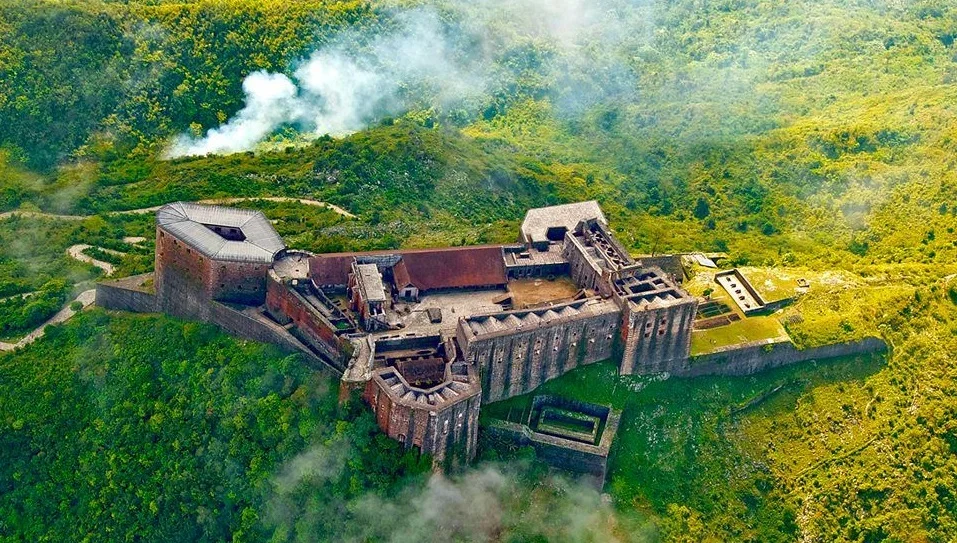
Haïti has a rich historical heritage, including sites like the Citadelle Laferrière and the Sans-Souci Palace, listed as UNESCO World Heritage Sites.

Culture

Culture

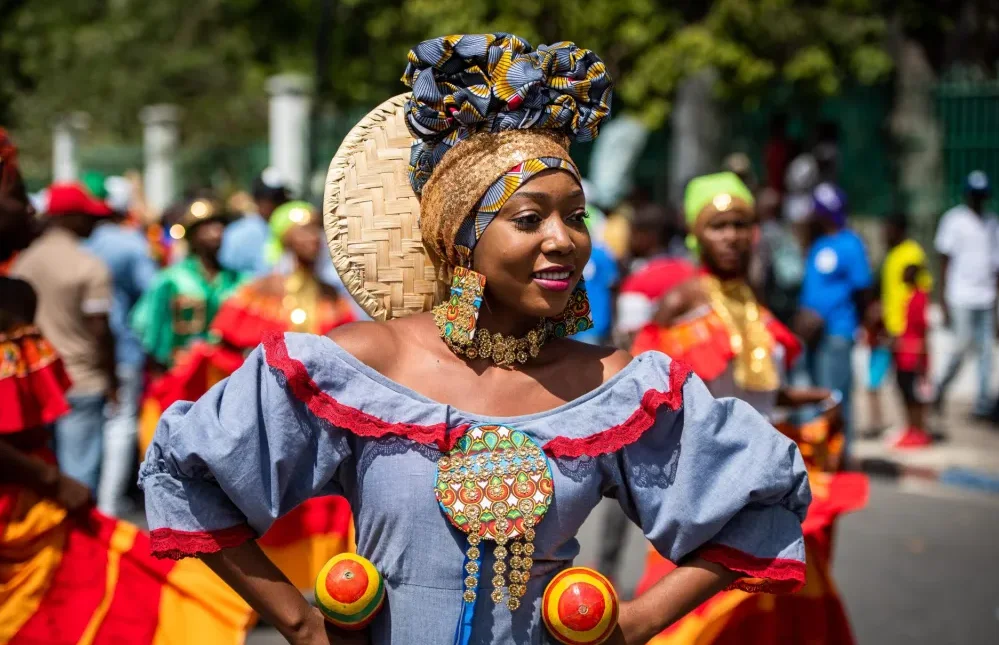
Haïti has a rich and diverse culture, influenced by African, European and indigenous elements. Haitian music, dance, art and cuisine are celebrated around the world.

  • +
    • Post