contact@haitiwonderland.com+509 36184317

Discover

Shopping Cart

What does Haïti mean? Origin and meaning of the word

What does Haïti mean? Origin and meaning of the word

The name "Haiti" is much more than just a word; it carries within it the history, culture and identity of a people. But what does this term really mean and what is its origin? Let’s discover together the richness of this word that resonates through the centuries.

Native American origin

The word "Haiti" finds its roots in the language of the Taino, the indigenous people who inhabited the island before the arrival of the Europeans.

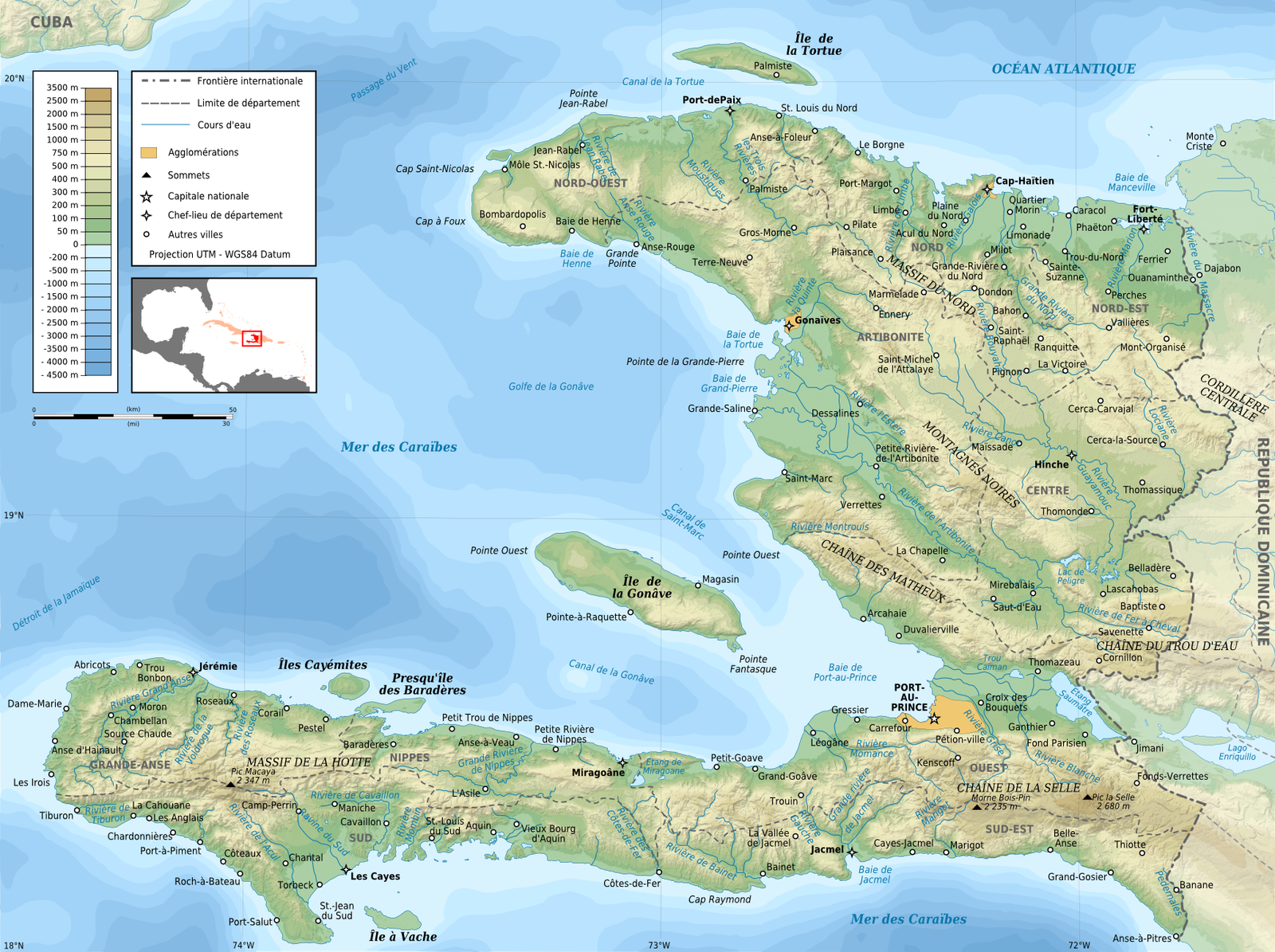
- Meaning: In the Taino language, "Ayiti" means "land of high mountains".
- Geographic description: This name reflects the topography of the island, marked by majestic mountain ranges, such as the Massif de la Selle and the Massif du Nord.

The Tainos, the first inhabitants of the island, used this term to designate their entire territory, highlighting the natural beauty and impressive reliefs of this land.

The colonial era and the return to roots

When Christopher Columbus arrived in 1492, the island was renamed "Hispaniola" by the Spanish, then divided into two colonies: Saint-Domingue (French) and Santo Domingo (Spanish).

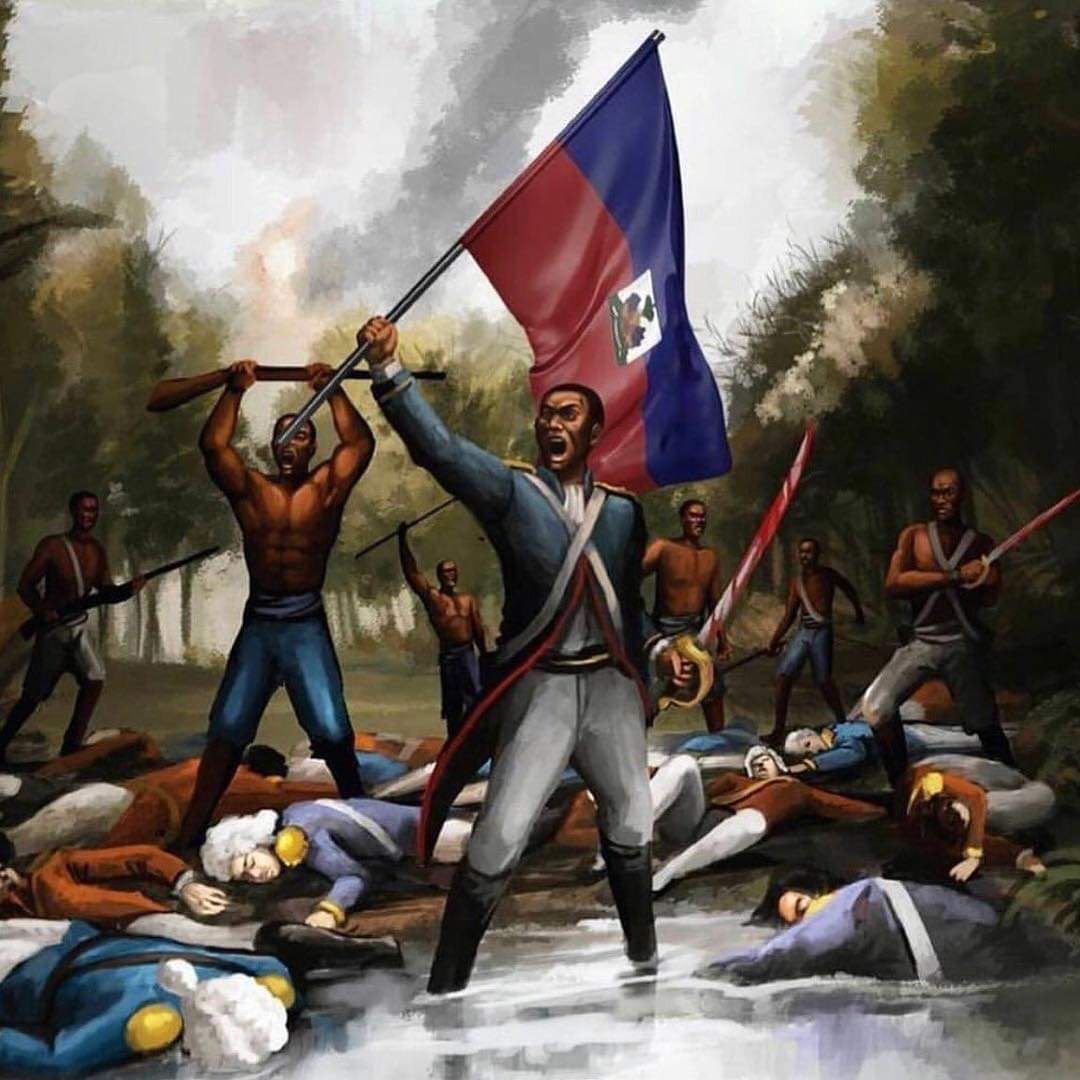
- Name change: After the Haitian revolution and the proclamation of independence in 1804, the founders of the nation decided to restore the name "Haiti".
- Symbolism: This choice represented a return to the origins and a desire to break with the colonial past by honoring the first inhabitants of the island.

Thus, by taking back this ancestral name, Haïti affirmed its unique identity and cultural heritage.

A Deep Meaning

Beyond its geographical significance, “Haiti” has become a symbol of freedom and resilience.

- Freedom: As the first independent black republic, the name “Haiti” evokes the fight against oppression and the aspiration for human dignity.
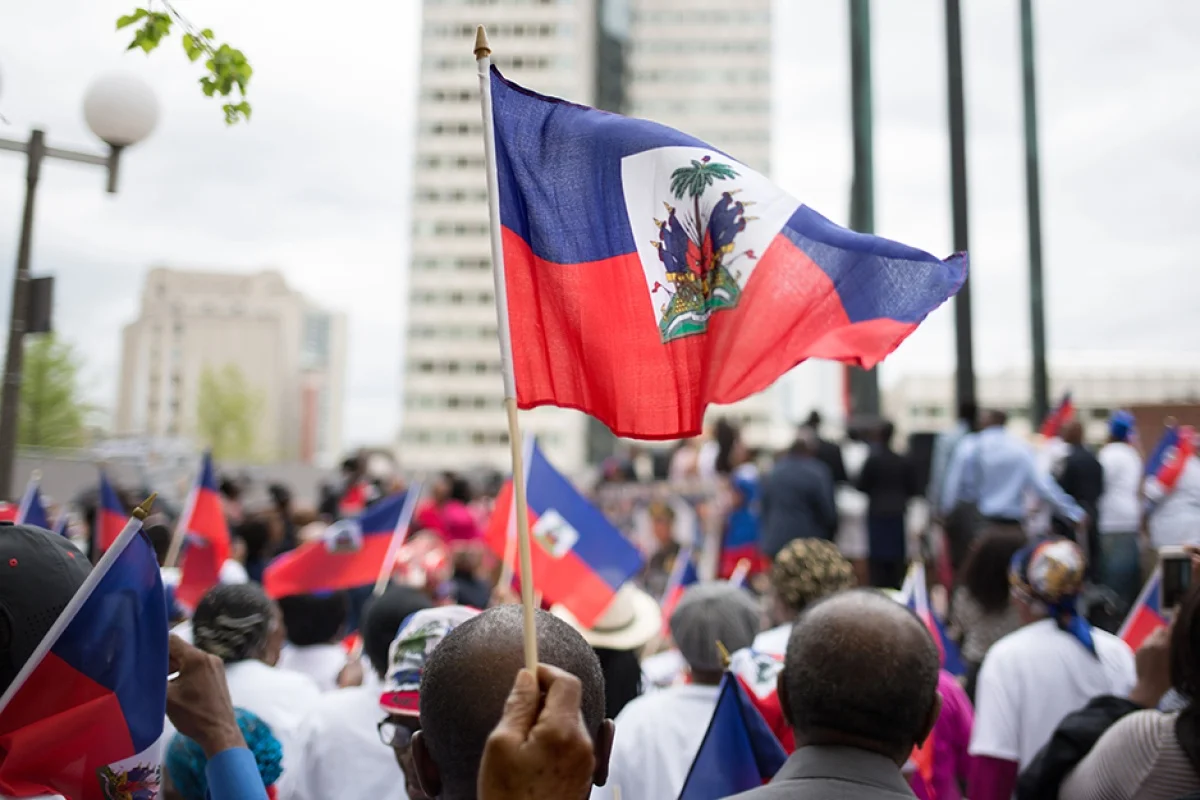
- National Pride: Today, it represents a source of pride for Haitians and a reminder of their unique history.

The mountains, evoked in the name, are also a symbol of strength and protection, a metaphor for resilience in the face of challenges.

Haïti in the World

The name “Haiti” is recognized around the world, not only for its revolutionary history, but also for its rich culture and breathtaking landscapes.

- Natural Heritage: The mountains, so dear to the Taínos, continue to be a treasure for the country, attracting hikers and nature lovers.
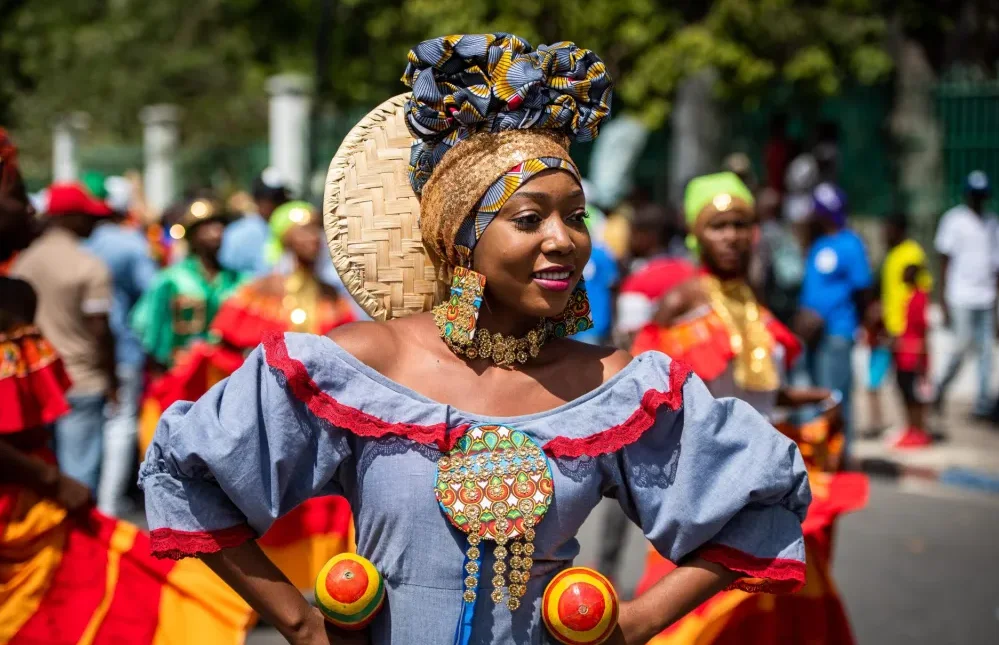
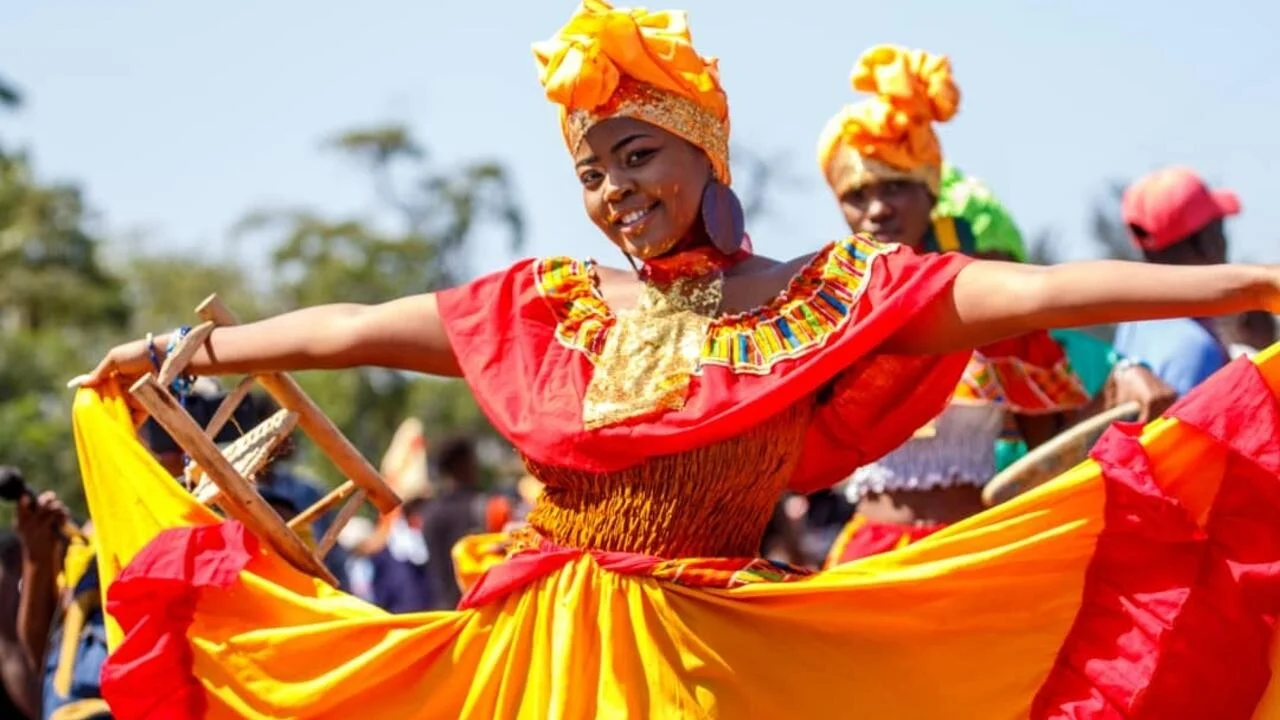
- Cultural Identity: The word “Haiti” is synonymous with cultural richness, with its unique traditions, music, cuisine, and art.

Every time the name is pronounced, it carries with it an emotional and historical charge that transcends borders.

A Legacy to Pass on

“Haiti” is not just a name; it is a story, a symbol, an identity. It recalls the struggles, victories, and deep roots of a proud and resilient people.

Knowing the origin and meaning of this word helps us better understand the richness of Haitian history and the importance of preserving this heritage for future generations.

What are your thoughts on the name “Haiti” and what it represents? Share your thoughts and learn more about this unique nation!

Share
About the Author
Appolon Guy Alain
Appolon Guy Alain
Appolon Guy Alain

Full Stack Developer, Créatif, expérimenté, passionné des nouvelles technologies et de l’art.

See other articles from Appolon Guy Alain
Leave a comment

Recently Posted

Haiti: seaside resorts

Haiti, often recognized for its rich history, vibrant culture and mountainous landscape, is also blessed with a stunning coastline lined with picturesque beaches. Haitian beach resorts offer a unique experience where white sand meets the crystal clear waters of the Caribbean Sea. These beach destinations are emerging as hidden gems, ready to be discovered by travelers hungry for sun and adventure. A Rich and Cultural History Haiti’s resorts don’t just offer breathtaking scenery; they are also steeped in rich history and culture. Visitors can explore historic sites such as the Citadelle Laferrière, a majestic fortress built in the early 19th century, or the Palais Sans-Souci, a former royal residence dating back to the colonial era. Additionally, Haitian music, dance and cuisine bring a lively and colorful touch to the seaside experience, giving visitors an authentic insight into local culture. Heavenly Beaches Haiti’s beaches are some of the most beautiful in the Caribbean, offering miles of pristine white sand bordered by sparkling turquoise waters. Destinations such as Jacmel, Labadee and Île-à-Vache offer tranquil retreats where visitors can relax in the tropical sun or indulge in a host of water activities, such as snorkeling, sailing and boating. kayak. Whether you’re looking for excitement or tranquility, Haiti’s beaches offer something for everyone. An Emerging Ecotourism Haïti is also becoming a popular destination for ecotourism enthusiasts. With its unique biodiversity and unspoilt landscapes, the country offers unique opportunities for bird watching, jungle hiking and discovering spectacular natural sites such as the Saut-d’Eau waterfalls and caves. Environmentally conscious travelers will find in Haïti a perfect balance between adventure and nature conservation. Haiti’s resorts offer much more than spectacular beaches. They offer immersion in a vibrant culture, fascinating history and preserved nature. By choosing to visit Haiti, travelers have the opportunity to discover a jewel of the Caribbean, while contributing to the economic development and well-being of this extraordinary country.

Newsletter

Subscribe to our newsletter to stay informed of all our activities and news on Haiti.

Haiti: Is buying votes to be elected a form of corruption or political strategy?

The democratic political system requires the active participation of citizens in the management of the city. Everyone freely expresses their opinion for harmonious management of society. Generally the choices are made from the organization of free and honest elections. However, sometimes candidates use diverted means to achieve their ends. Can we consider this act as a form of corruption or a political strategy? In a democratic society, the organization of elections at regular intervals is an imperative. Managers are generally elected by the majority of voters, which ensures them a certain legitimacy within the framework of government management. Today, more and more, around the world, the elections are controlled by economic power. This sector gives a lot of silver to candidates who often buy the media services in order to have certain visibility through mass communication means (radio, VAT, Internet, etc.) and do without constraints Many very expensive trips, which require enormous capital. By the way, the possibility that a candidate with low financial means of being elected is increasingly reduced in Western societies. Despite everything, it is illegal to buy the votes of the voters. It is an act of corruption that should lead to criminal sanctions. No society can tolerate this practice which could hamper the degeneration of the democratic system and, consequently, of the electorate system. Civil society and human rights organizations must be vigilant in order to avoid these harmful drifts in the democratic system. In fact, the temptation to bribe the voters in order to access elective positions must be denounced as an act of corruption. In doing so, will lead to political dissenting between duty, and law, because citizens are called upon to freely choose the leaders of the city. Ultimately, the organization of the elections must be the fruit of consensus between the various groups of the social system. Managers must be chosen according to their ability to provide adequate answers to the problems of the company. They can still benefit from powerful financial means from other partners. But, giving voters directly money is a condemnable detective act which reduces the autonomy of action and thinking of voters. In this sense, the latter’s vote must reflect the desire to choose or build a fair, fair and favorable company.

Recently Posted

History

History

First black nation to free itself from slavery and gain independence from France in 1804 and influenced other liberation movements around the world, inspiring struggles for freedom and equality.

Natural beauty

Natural beauty

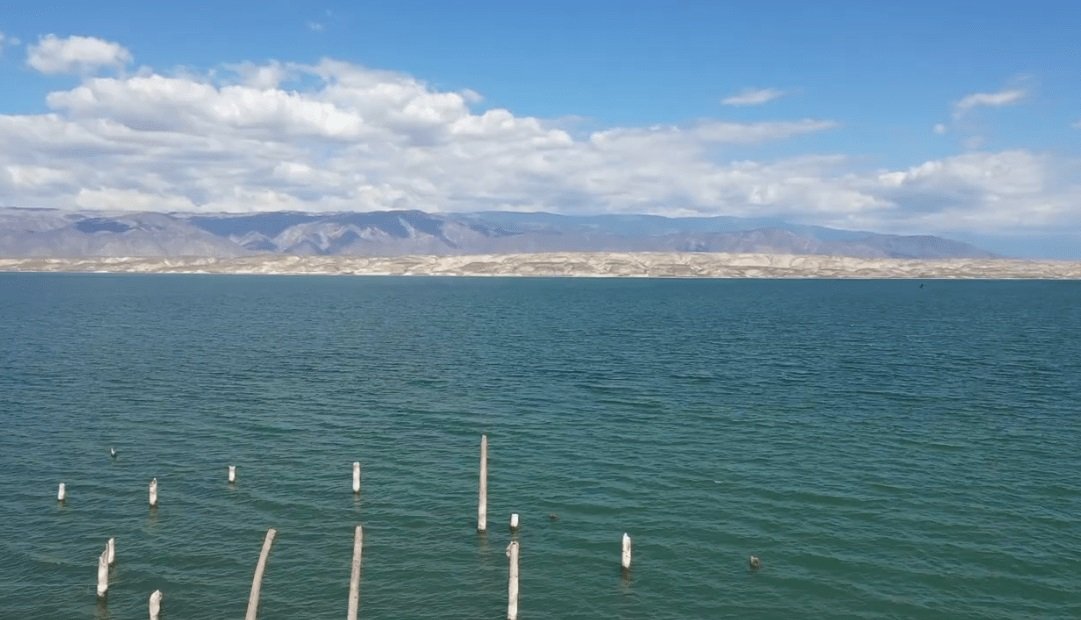
Haïti is blessed with spectacular natural landscapes, including white sand beaches, mountains and rich biodiversity.

Heritage

Heritage

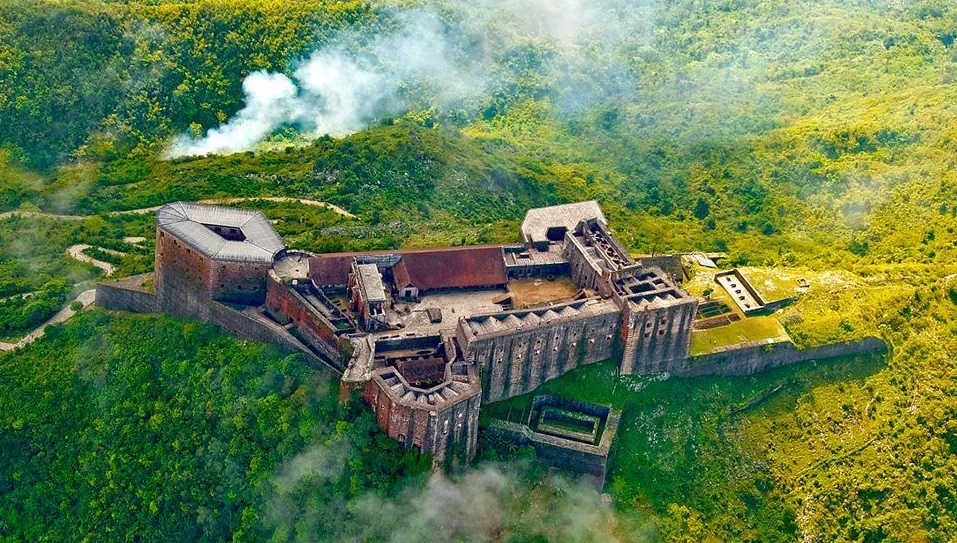
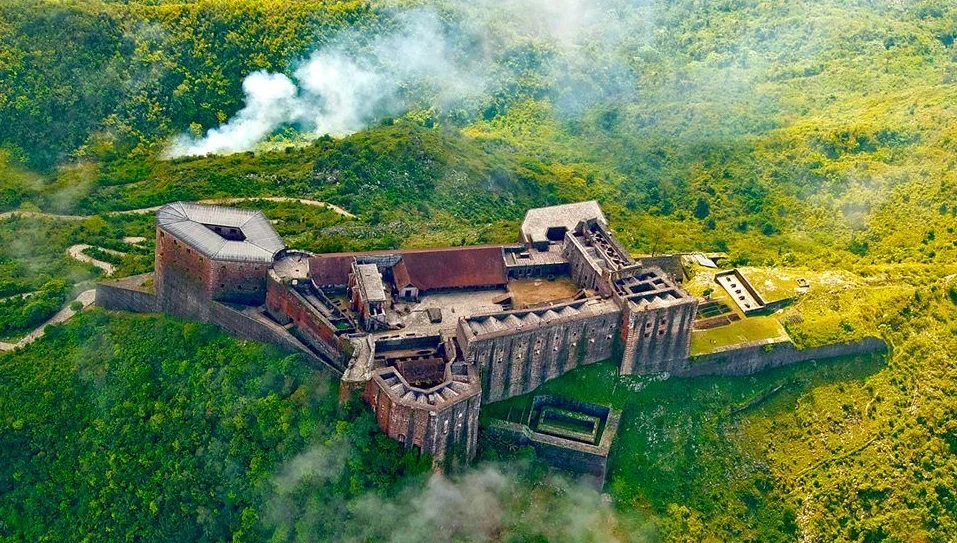
Haïti has a rich historical heritage, including sites like the Citadelle Laferrière and the Sans-Souci Palace, listed as UNESCO World Heritage Sites.

Culture

Culture

Haïti has a rich and diverse culture, influenced by African, European and indigenous elements. Haitian music, dance, art and cuisine are celebrated around the world.

  • +
    • Post