contact@haitiwonderland.com+509 36184317

Discover

Shopping Cart

What is the current population of Haiti?

What is the current population of Haiti?

Haiti, this jewel of the Caribbean, is known for its revolutionary history, vibrant culture, and breathtaking landscapes. But how many people call this land rich in tradition and diversity home? This article explores Haiti’s current population and how it has changed over time, while providing an overview of the challenges and opportunities related to its demographics.

Haiti’s Population in 2024

Currently, Haiti’s population is estimated at 12.4 million, according to United Nations data. This figure makes Haïti the most populous country in the French-speaking Caribbean and the third largest in the region, after Cuba and the Dominican Republic.

Some key statistics:
- Population growth rate: About 1.5% per year, a moderate increase that reflects a still relatively high birth rate.
- Population Density: With approximately 452 inhabitants per square kilometer, Haïti is one of the most densely populated countries in the region.

These figures highlight the vitality of the Haitian people, while posing challenges for the management of resources and infrastructure.

A Historical Demographic Evolution

Since its independence in 1804, the Haitian population has continued to grow. In 1950, Haïti had approximately 3.1 million inhabitants. This figure has quadrupled in just 70 years, due to a high birth rate and increasing life expectancy.

- In 1980, the population reached 5.4 million.
- In 2000, it exceeded 8 million.
- Today, it is approaching 12.5 million, reflecting a constant demographic dynamic.

This rapid growth also reflects the importance of young people in Haitian society, with 40% of the population under 18.

A Contrasting Geographic Distribution

Haiti’s population is primarily urban, although the country remains marked by a strong rurality:

- Port-au-Prince, the capital, is the economic and political heart of the country, with a population of approximately 3 million, or nearly 25% of the national population.
- Secondary cities such as Cap-Haïtien, Les Cayes and Gonaïves also play an important role, but remain less densely populated.
- Rural areas are still home to nearly 40% of the population, although the rural exodus to large cities continues to accelerate.

This distribution highlights the challenges associated with rapid urbanization, particularly in terms of housing, education and public health.

The Challenges and Opportunities of a Young Population

With a predominantly young population, Haïti has enormous human potential. However, this youthfulness comes with significant challenges:

- Education: Approximately 60% of children attend primary school, but only 20% reach secondary school. Investing in education is therefore essential to transform this youth into an economic and social force.
- Employment: Unemployment affects nearly 40% of young workers, highlighting the need to diversify the economy to create more opportunities.
- Health: Health services must be strengthened to meet the growing needs of the population.

Despite these challenges, a young population can be a major asset for Haiti, particularly in the areas of innovation, entrepreneurship and community development.

Migration and Diaspora: A Key Component

A large portion of Haitians live abroad, forming a diaspora estimated at 4 million people. These communities, spread mainly across North America, Europe, and the Caribbean, play a crucial role in the country’s economy:

- In 2023, remittances from the Haitian diaspora represented nearly 35% of the national GDP, or approximately US$4 billion.
- The diaspora also contributes to Haiti’s cultural influence internationally, with artists, writers, and entrepreneurs sharing their heritage with the world.

Haïti and its Demographic Future

Haiti’s population continues to grow, but to turn this growth into an opportunity, the country must invest in its infrastructure, education, and health. With a resilient and dynamic population, Haïti has the human resources to meet the challenges of the 21st century.

In conclusion, the Haitian population, rich in history and diversity, is one of the pillars of national identity. If you know other notable facts or interesting figures about the Haitian population, share them in the comments to enrich the discussion!

Share
About the Author
Appolon Guy Alain
Appolon Guy Alain
Appolon Guy Alain

Full Stack Developer, Créatif, expérimenté, passionné des nouvelles technologies et de l’art.

See other articles from Appolon Guy Alain
Leave a comment

Recently Posted

Haiti: The Rara season in Petit-Goâve: A celebration of life, unity and resilience

As the new season of Rara looms on the horizon, certain groups such as Saint Jacques Majeur, Ratyèfè, Florida Band, Lambi Grand, and Grap Kenèp are already preparing to light up the streets of Petit-Goâve with their flamboyant costumes and their captivating melodies. For these groups, the future looks bright, promising a season full of passion and success. However, other rara bands are still hesitant about which direction to take. Despite these uncertainties, optimism reigns regarding the success of this new season for all rara groups in the commune of Petit-Goâve. Rara, anchored in the Vodou tradition, is much more than a simple artistic manifestation. It embodies the very essence of Haitian culture, highlighting questions of memory, tradition and identity. This increasingly popular form of artistic expression attracts a large audience and arouses unprecedented enthusiasm. Groups like Ratyèfè, Grap Kenèp, Florida Band and Chenn Tamaren, recognized for their ability to delight their fans, play a crucial role in the continued growth of rara in the town. The rara season traditionally begins on Dead Thursday and ends on the night of Easter Sunday or quasimodo Monday. To mark the beginning of this sacred period, groups organize opening ceremonies, honoring the spirits of the deceased in rituals steeped in spirituality. These ceremonies, often held in cemeteries or in the "Bitasyons" of groups, symbolize the deep link between the rara and Vodou traditions.

Newsletter

Subscribe to our newsletter to stay informed of all our activities and news on Haiti.

Haitian rhythms: Exploring musical and dance traditions

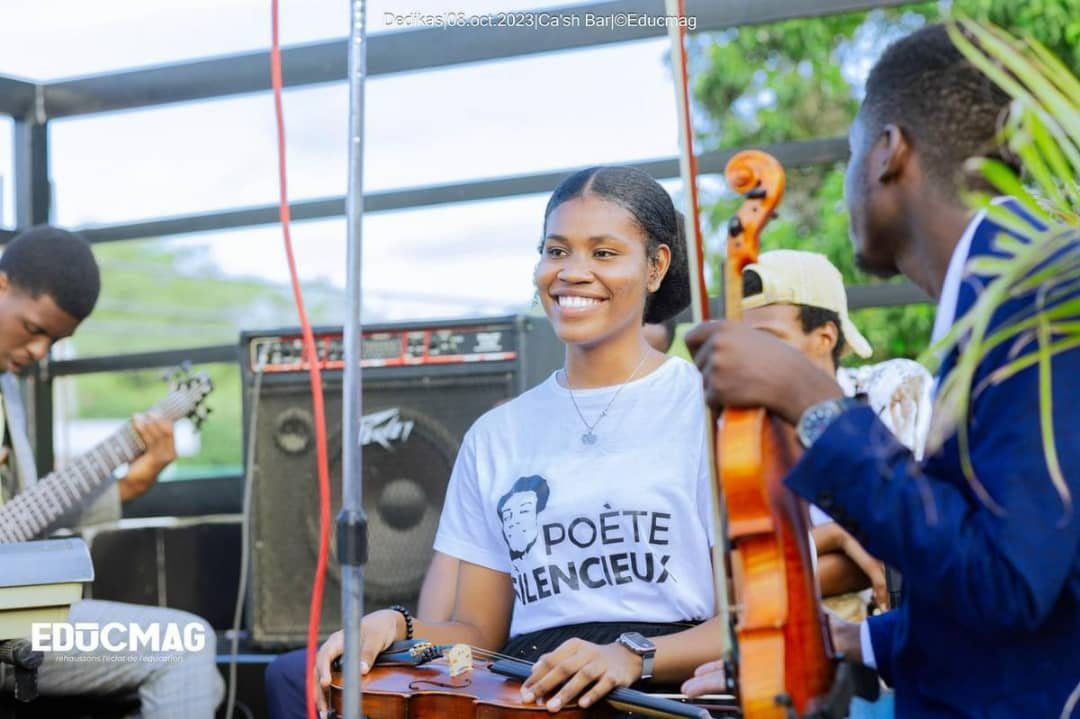
Haiti, a land rich in history and cultural diversity, offers a unique musical treasure through its captivating rhythms. Haitian music, deeply rooted in the fusion of different African, European and Caribbean influences, constitutes a vibrant expression of national identity. One of the distinctive elements of Haitian music is its rhythmic diversity, reflecting the many facets of daily life, from religious celebrations to moments of joy and sorrow. Haitian rhythms, carrying contagious energy, are a reflection of the soul of the Haitian people. One of Haiti’s most iconic musical genres is direct compas, which emerged in the 1950s. This catchy rhythm, coupled with captivating melodies, has captured hearts globally. The direct compass embodies the fusion of different musical styles, including jazz, merengue, and elements of traditional Haitian music. Haitian musical traditions are not limited to contemporary sounds. Vodou, an ancestral spiritual practice, also has a major influence on Haitian music. Vodou rhythms, often associated with religious ceremonies, create a deep connection between spirituality and artistic expression. Furthermore, dance is inseparable from Haitian music. The graceful and energetic movements of traditional dances like rasin, combined with captivating rhythms, transport dancers and spectators to a world where bodily expression becomes a living art form. Exploring the musical and dance traditions of Haïti is like diving into a universe where history, culture and spirituality are harmoniously woven together. These rhythms, passed down from generation to generation, are much more than simple notes; they embody the soul of a people and the richness of its diversity. Celebrating these traditions pays homage to Haiti’s exceptional cultural heritage and its invaluable contribution to the global music scene.

Recently Posted

History

History

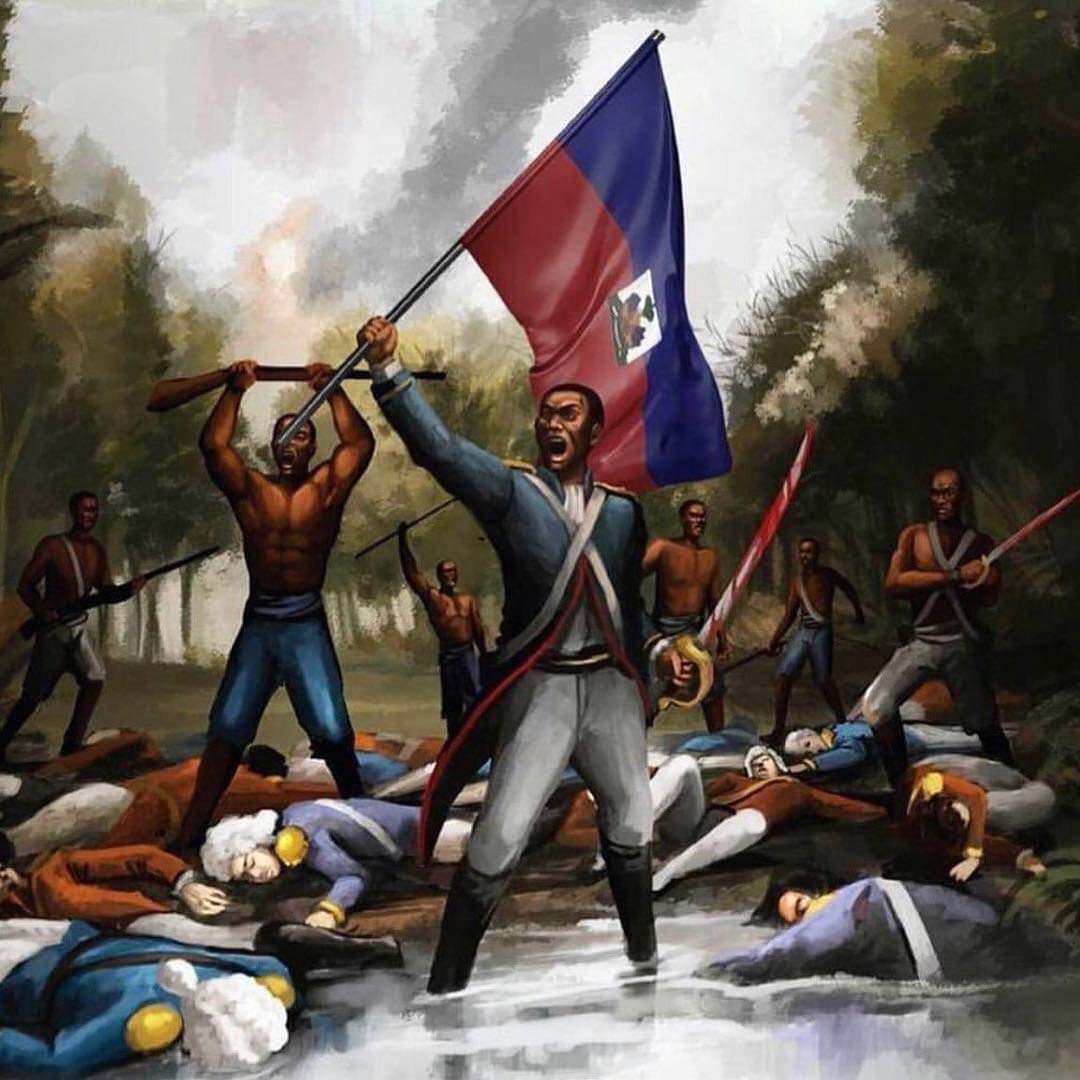
First black nation to free itself from slavery and gain independence from France in 1804 and influenced other liberation movements around the world, inspiring struggles for freedom and equality.

Natural beauty

Natural beauty

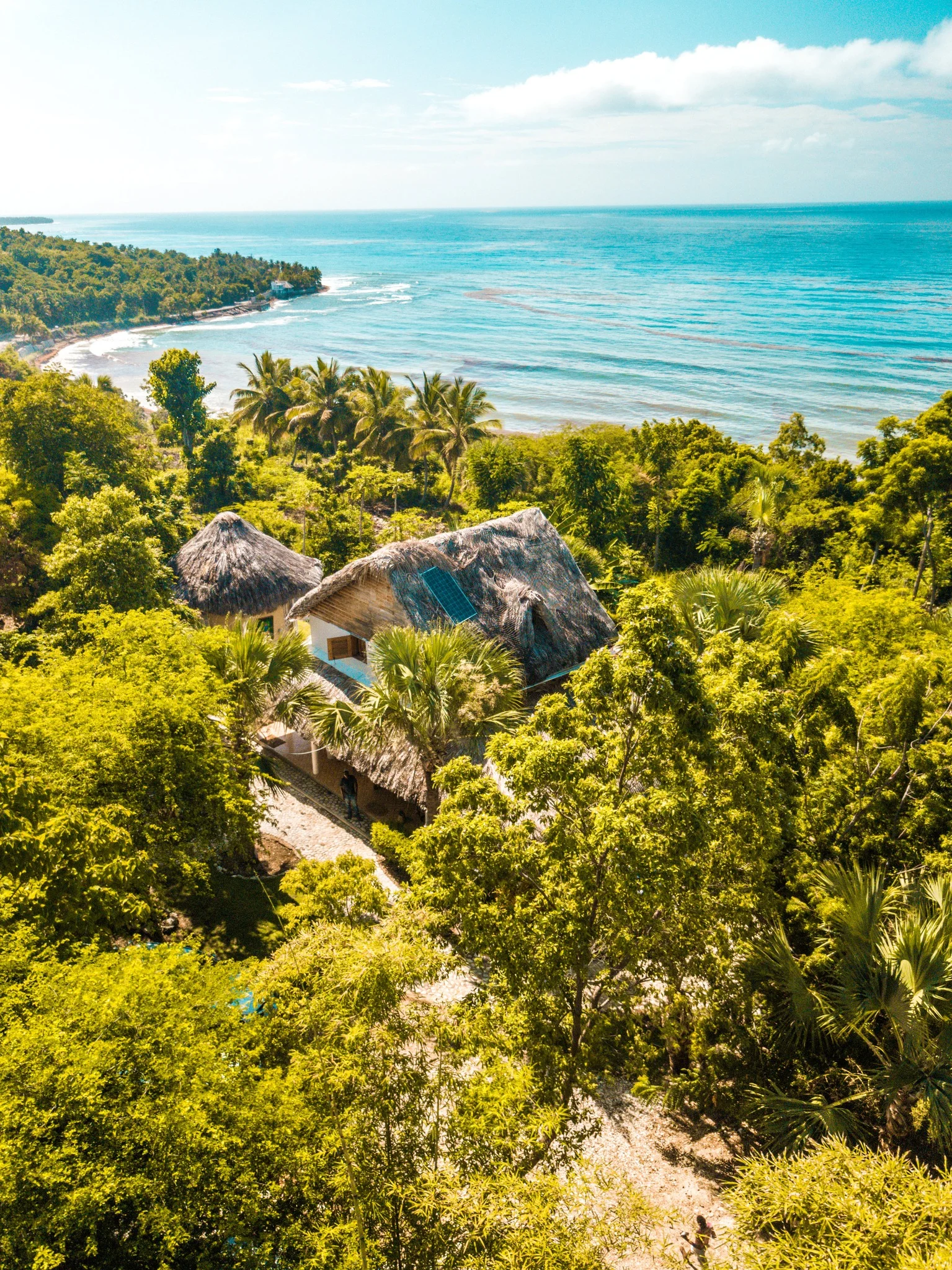
Haïti is blessed with spectacular natural landscapes, including white sand beaches, mountains and rich biodiversity.

Heritage

Heritage

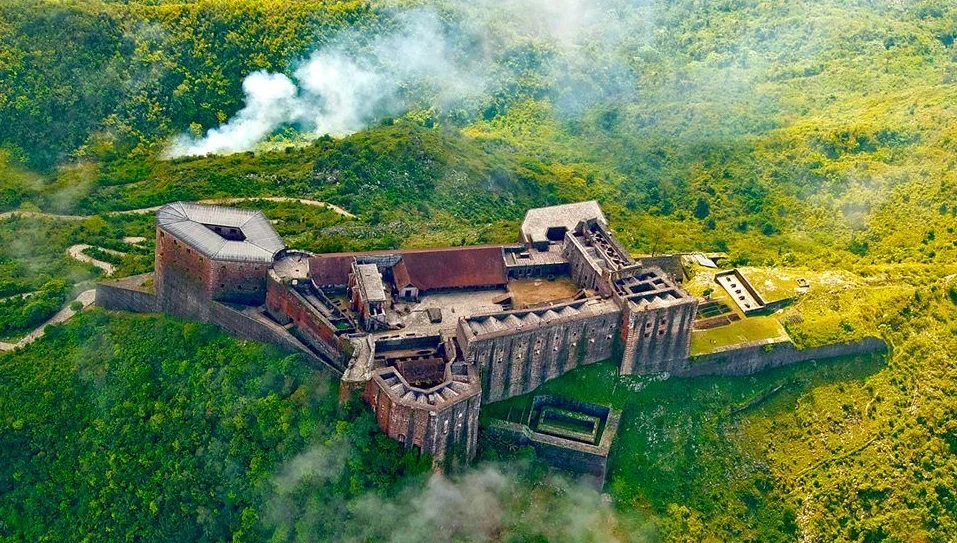
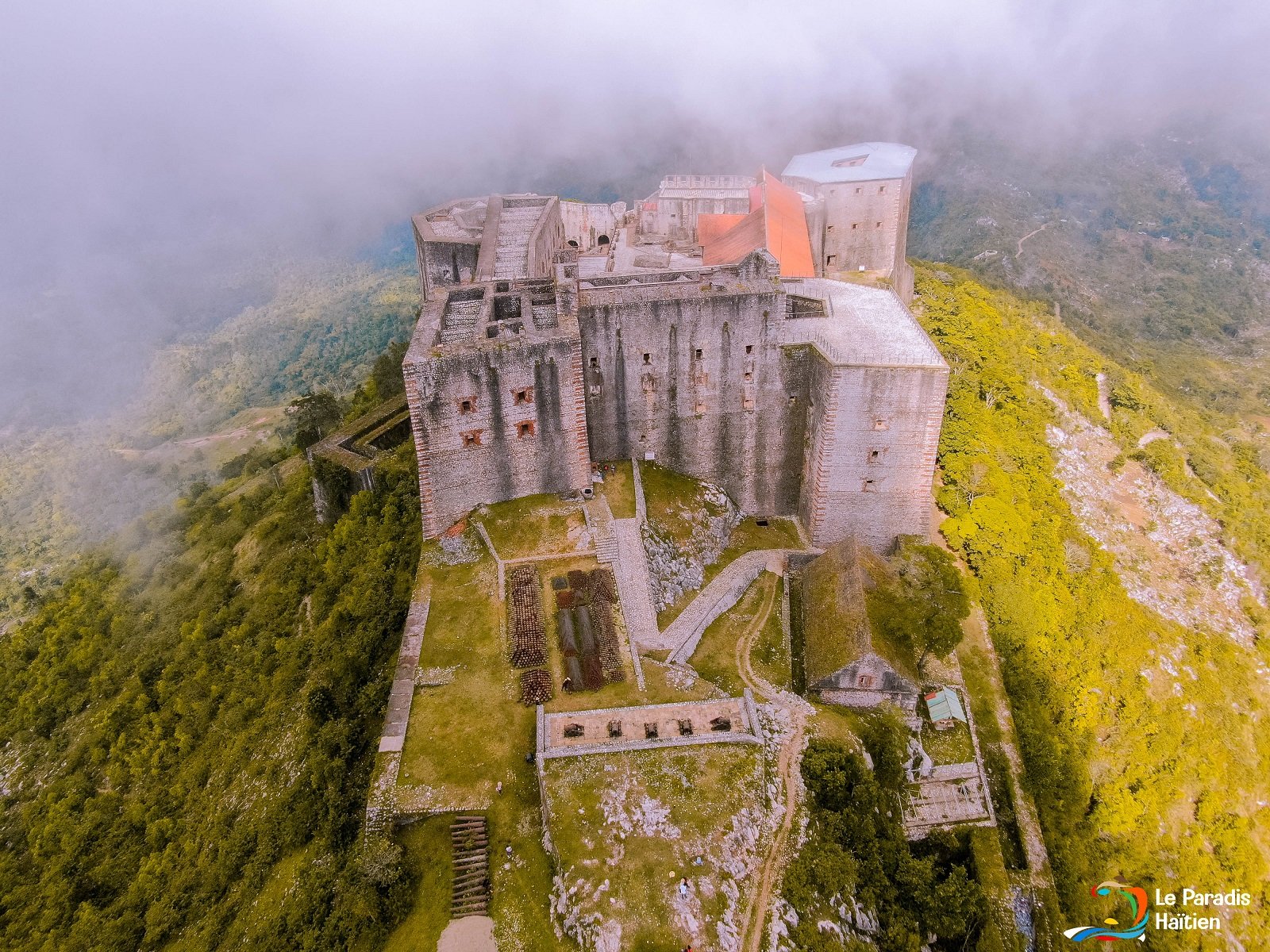
Haïti has a rich historical heritage, including sites like the Citadelle Laferrière and the Sans-Souci Palace, listed as UNESCO World Heritage Sites.

Culture

Culture

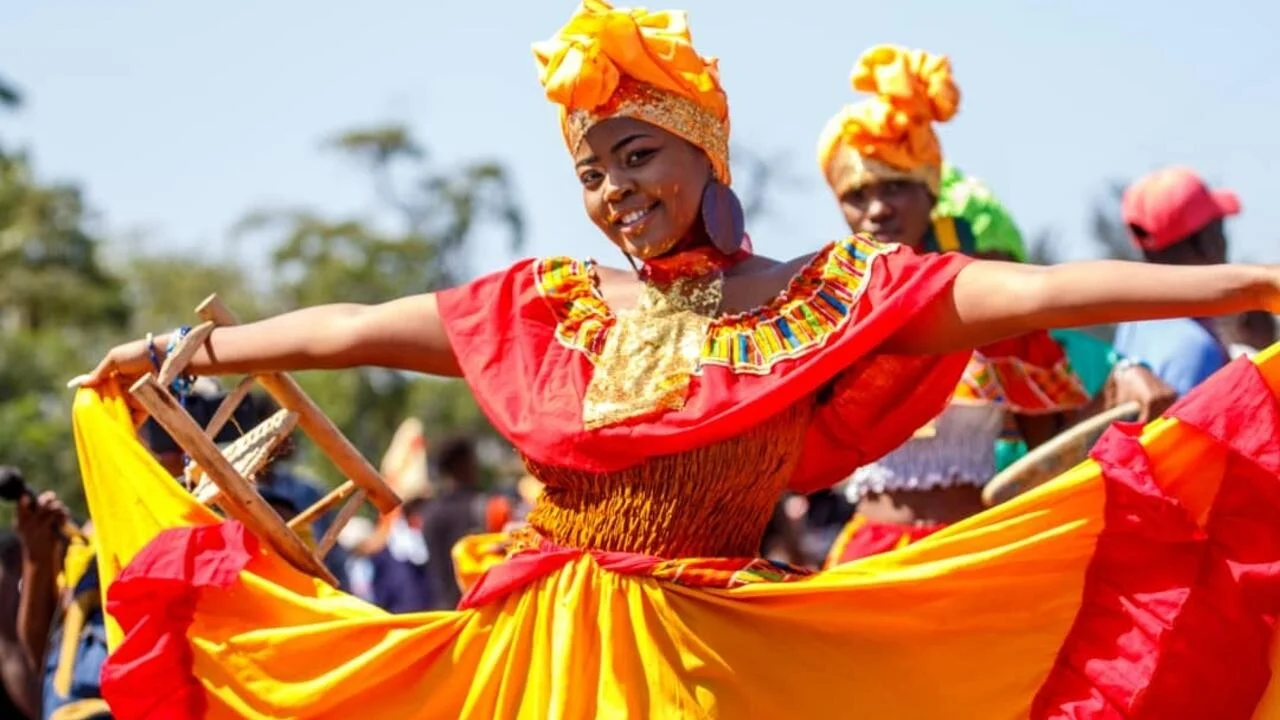
Haïti has a rich and diverse culture, influenced by African, European and indigenous elements. Haitian music, dance, art and cuisine are celebrated around the world.

  • +
    • Post