contact@haitiwonderland.com+509 36184317

Discover

Shopping Cart

What is the name of the largest forest in Haiti?

What is the name of the largest forest in Haiti?

Haiti, rich in biodiversity and natural landscapes, is home to forests that are a testament to the beauty and ecological importance of the island. Among them, one stands out as the largest and most emblematic in the country. So, what is this forest? Discover its name, characteristics and importance for the Haitian environment.

Haïti
Haïti
Haïti

The Pine Forest: A Jewel of Haitian Nature

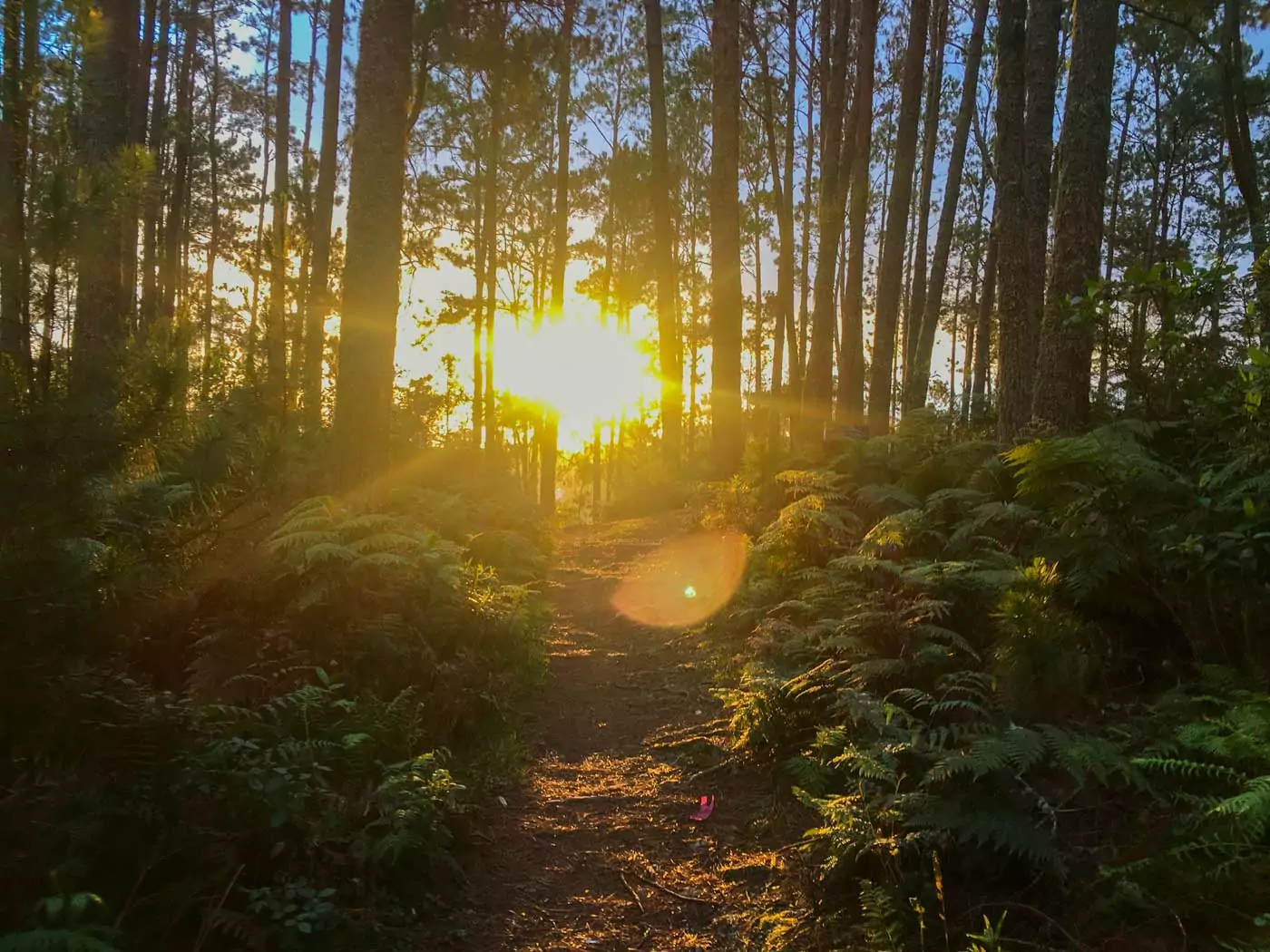
The largest forest in Haïti is called the Pine Forest. Located in the southeast of the country, it extends over the West and Southeast departments. This forest, which is part of the Selle mountain range, is a unique natural space, famous for its vast expanses of Caribbean pines and spectacular landscapes.

A Forest in the Heart of the Selle Range

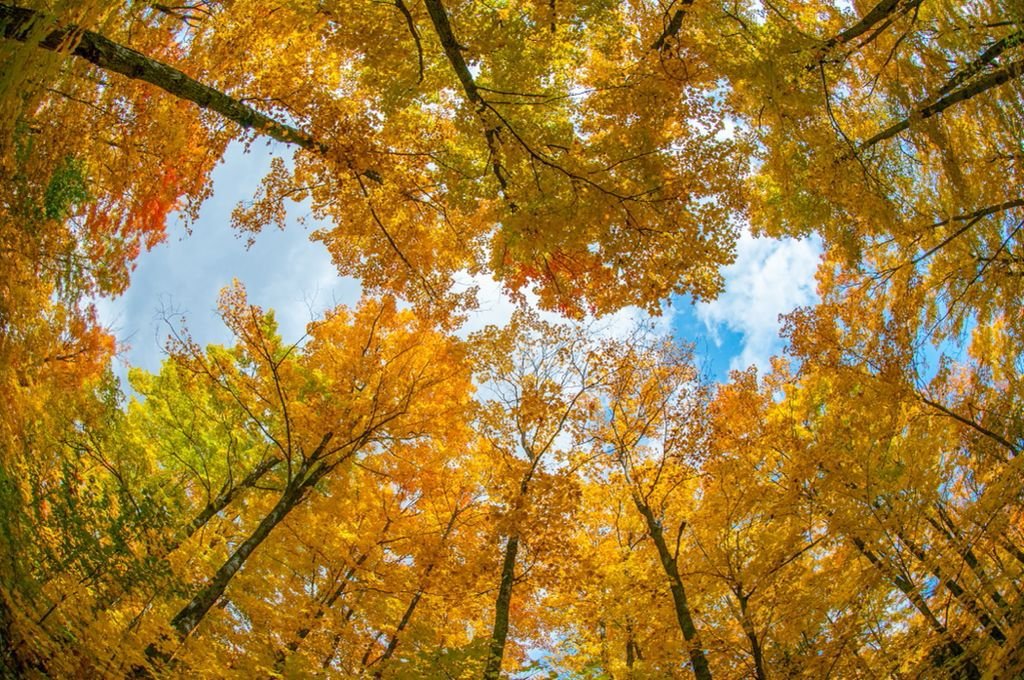
The Pine Forest is located at an altitude varying between 1,700 and 2,400 meters. This elevation gives it a cooler and more humid climate than in the rest of the country, creating an ideal habitat for a wide variety of flora and fauna. Caribbean pines, an emblematic species of the region, dominate the landscape.

The Ecological Importance of the Pine Forest

This forest plays a crucial role in Haiti’s ecosystem:
- Biodiversity reservoir: The Pine Forest is home to unique plant and animal species, some of which are endemic to the island of Hispaniola.
- Protection of water resources: It is a major source of rainwater capture, feeding the rivers and water tables of the surrounding regions. - Climate regulation: Thanks to its trees, the forest helps stabilize the local climate and reduce soil erosion, a common problem in Haiti.

The Conservation Challenges of the Pine Forest

Despite its importance, the Pine Forest faces several threats:
- Deforestation: Illegal logging, often to produce charcoal or for agriculture, reduces its surface area each year.
- Climate change: Variations in temperature and precipitation affect the health of this fragile ecosystem.
- Lack of sustainable management: Initiatives to protect the forest exist, but they sometimes struggle to meet local and environmental needs.

The Pine Forest: A National Pride

The Pine Forest is much more than just a wooded area. It is a symbol of Haiti’s natural wealth and a pillar for the communities that depend on it. Efforts are underway, through reforestation and awareness projects, to preserve this ecological treasure for future generations.

How to Visit the Pine Forest?

For nature lovers, the Pine Forest is a must-see destination. It can be accessed from the towns of Furcy or Kenscoff, located near Port-au-Prince. It offers hiking trails, breathtaking views and an immersion in the tranquility of nature.

Haïti
Haïti
Haïti

A Heritage to Protect

The Pine Forest, the largest forest in Haiti, is a place of inestimable ecological and cultural value. However, its preservation relies on concrete actions to limit deforestation and promote sustainable development. Whether through its biodiversity, its ecological services or its natural beauty, the Pine Forest is a Haitian pride that deserves all our attention and conservation efforts.

Share
About the Author
Appolon Guy Alain
Appolon Guy Alain
Appolon Guy Alain

Full Stack Developer, Créatif, expérimenté, passionné des nouvelles technologies et de l’art.

See other articles from Appolon Guy Alain
Leave a comment

Recently Posted

Haiti: Carnival and Rara: Crossed Perspectives on Culture and Haitian Identity

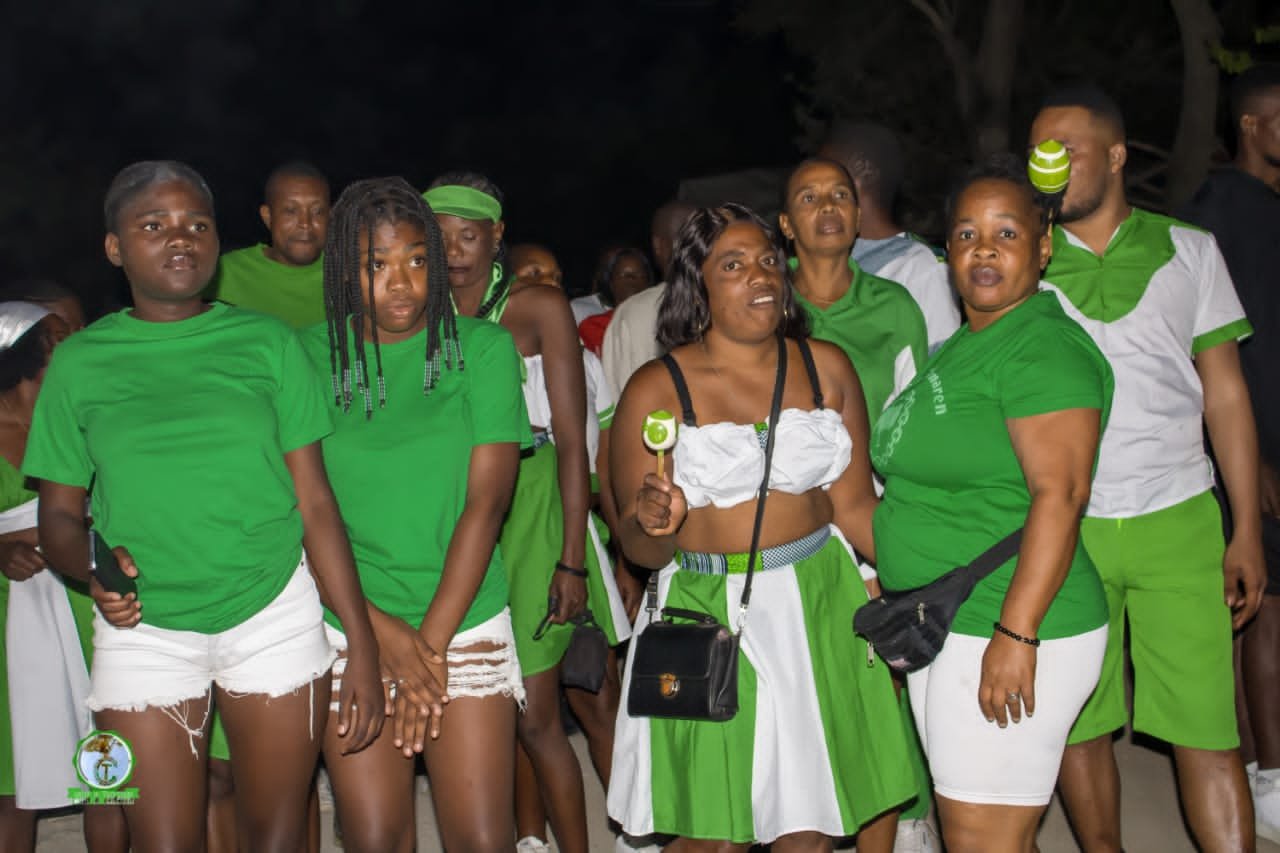
In our tradition, carnival represents an essential cultural activity. Indeed, for the holding of it this year, the State had drawn from the public treasury not only a huge sum but also a strong concentration of law enforcement to ensure the protection and security of carnival-goers in the area. metropolitan. Despite numerous criticisms and concerns expressed by certain media on the one hand, then on the other hand by the democratic opposition. While it is true that in Port au Prince these concerns had had a no less valuable consequence on the progress of this festivity. It is no less true that this was the case in other provincial towns, as proof in the southeast department the authorities did not record anything as an element of accident or incident during the progress of the carnival unlike Port au Prince. Certainly, socio/economic problems are increasingly worrying, nevertheless what makes us what we are today, a free and independent people is none other than our exceptionality. This deeply expresses our intrinsic characteristic in relation to people. In fact, historically we are a people who laugh and cry, smile and irritate, dance and hit the system, sing and fight so well that "grenadya alaso sa ki mouri zafè ya yo" is the most emblematic song of the slaves for the conquest of our freedom. We do not intend to claim that those who expressed their disagreement with the carnival are showing a historical deficit. However, we leave in the shadows a fundamental question: why is carnival taken care of by the State while the rara is like an abandoned child? The rara is not only a simple cultural tradition but, above all, it is the heritage of our valiant warriors who bravely fought the French expeditionary army, the most powerful of the time. While, this mass cultural, she is still marginalized by state authorities. It is emphasized that social cohesion is the dead point of carnival. On the other hand, this is the strong point of rara. As proof, the Thursday of the Dead in our Voudouesque tradition which represents the opening ceremony for the rara bands is the blatant testimony of this social cohesion. And, in fact, there were circles of people who took divergent directions to attend the opening ceremony of their rara bands. For this opening ceremony the atmosphere was a taste of carnival in terms of color. On the side of Croix Hilaire, for the title champion Ratyèfè full force band, the color of his club was very diverse, a long dress of apricot yellow, mauve white, then white scarf. In terms of performance, this band had completely proven its champion skills thanks to its arsenal of musicians who were not in their testing phase. To tell the truth, they performed their note with surgical precision as a doctor-surgeon in his surgical procedure. The synchronization between the musicians, the instruments and then the fans form a whole and harmonize perfectly well. This band not only has the magic of words and verbs, it seems that they also have the magic to thrill even the most reluctant fans. Moreover, his performance for this dead Thursday was a challenge for his rivals this weekend to the extent that their performances were less good. On the symbol side of light, Grap Kenèp was the wonder of the Thursday evening of the dead. His club dressed in the appropriate color for this evening, purple scarf, purple jersey, then white “kolan”. In a symbolic way, this marriage of color represents Baron in Haitian Vodou. Without a doubt, it was the most beautiful symbolic representation of the evening. In terms of performance, returning from the cemetery we felt a very strong warmth of jubilation, elation, and playfulness for a completely balanced performance. As far as Chenn Tamarin is concerned, it was already 2 a.m. when our team met him, it was a less good performance than what we were accustomed to. On the symbolic side it leaves something to be desired. His news was that he had his own media. Petit-Goave/Culture and Society

Newsletter

Subscribe to our newsletter to stay informed of all our activities and news on Haiti.

Recently Posted

History

History

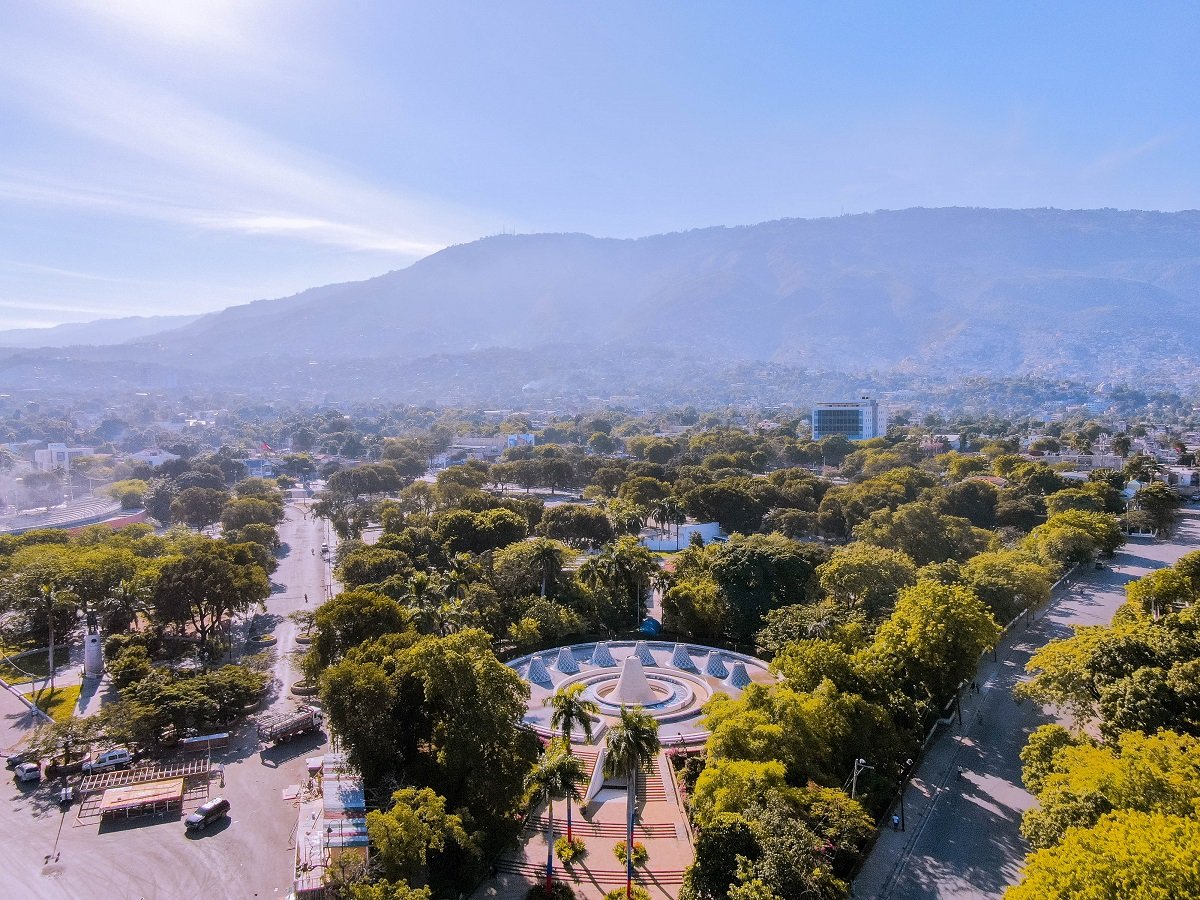
First black nation to free itself from slavery and gain independence from France in 1804 and influenced other liberation movements around the world, inspiring struggles for freedom and equality.

Natural beauty

Natural beauty

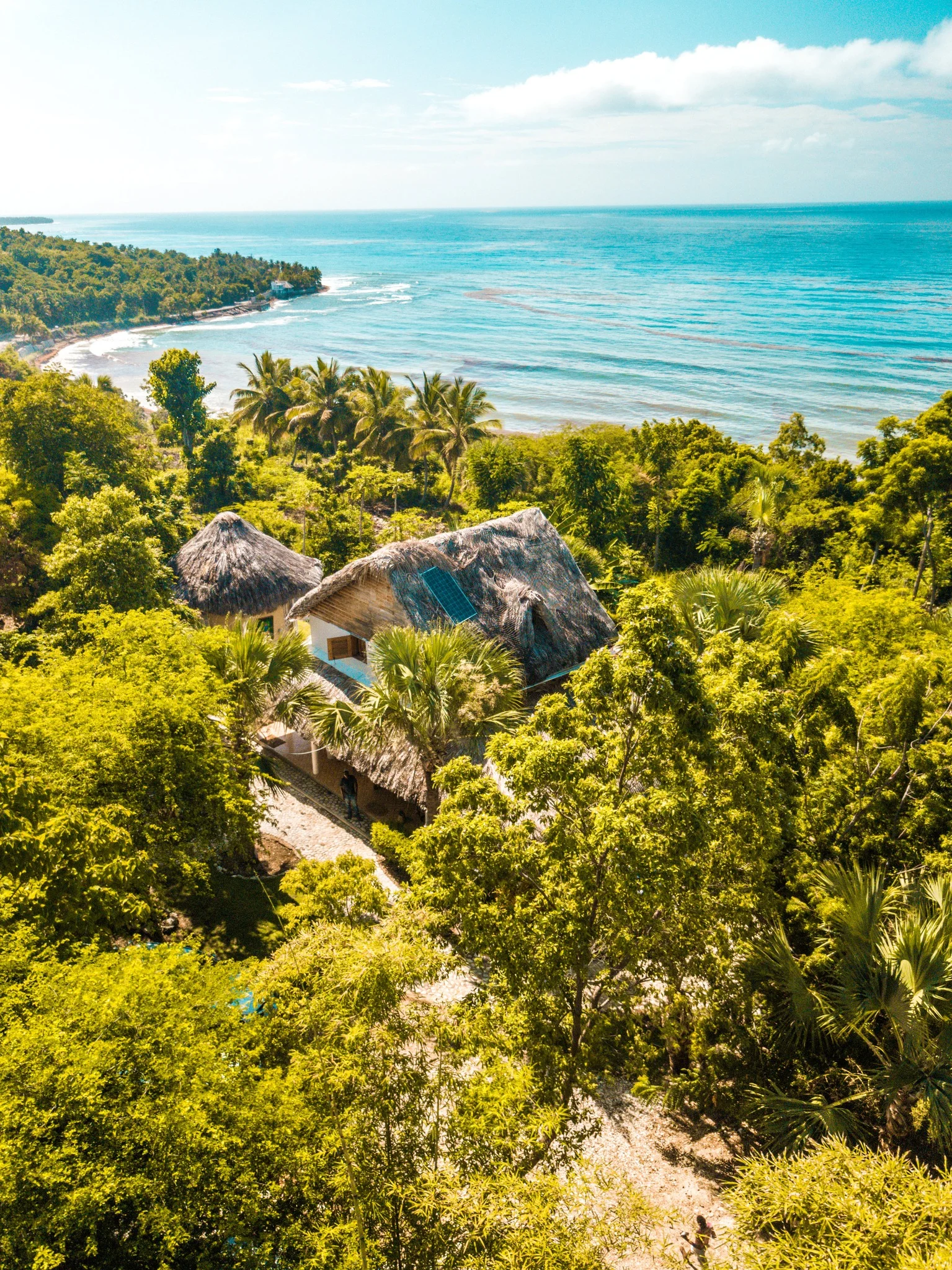
Haïti is blessed with spectacular natural landscapes, including white sand beaches, mountains and rich biodiversity.

Heritage

Heritage

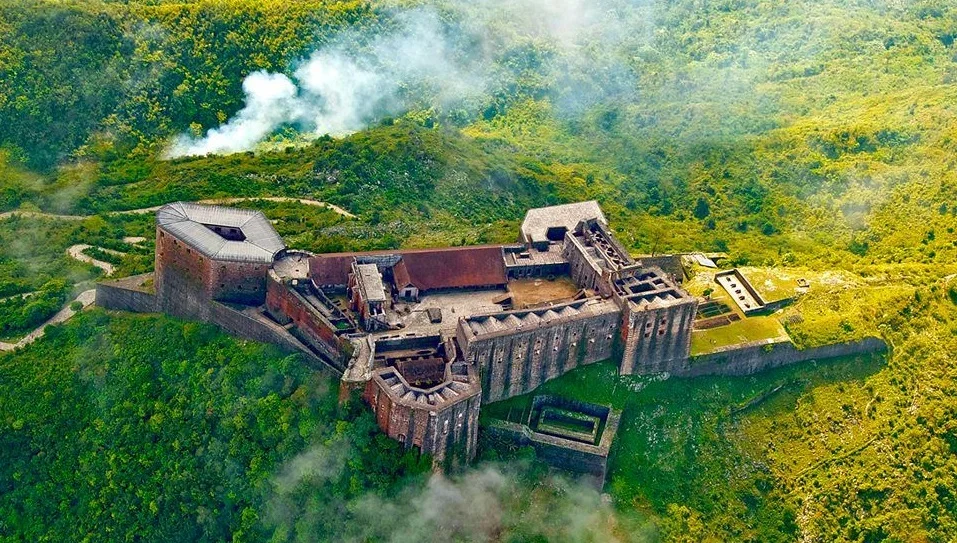
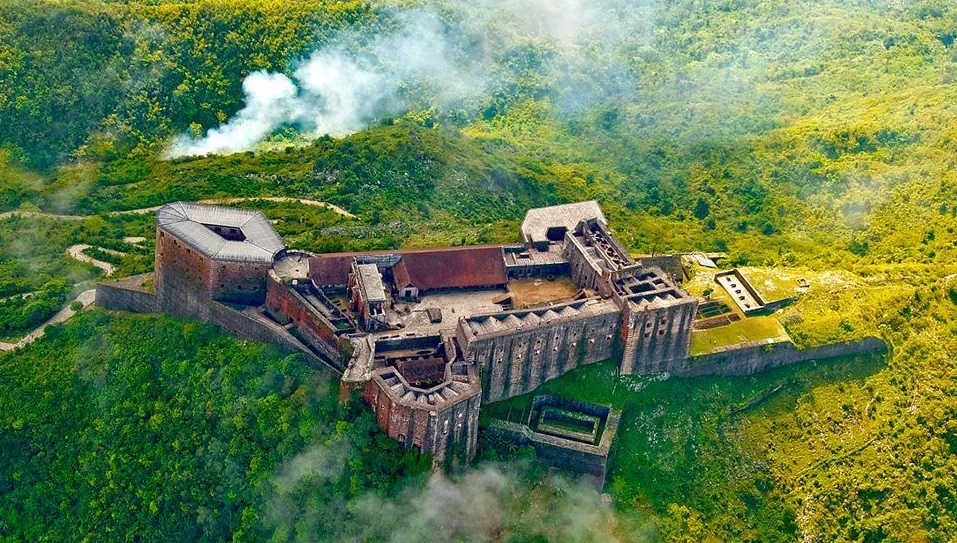
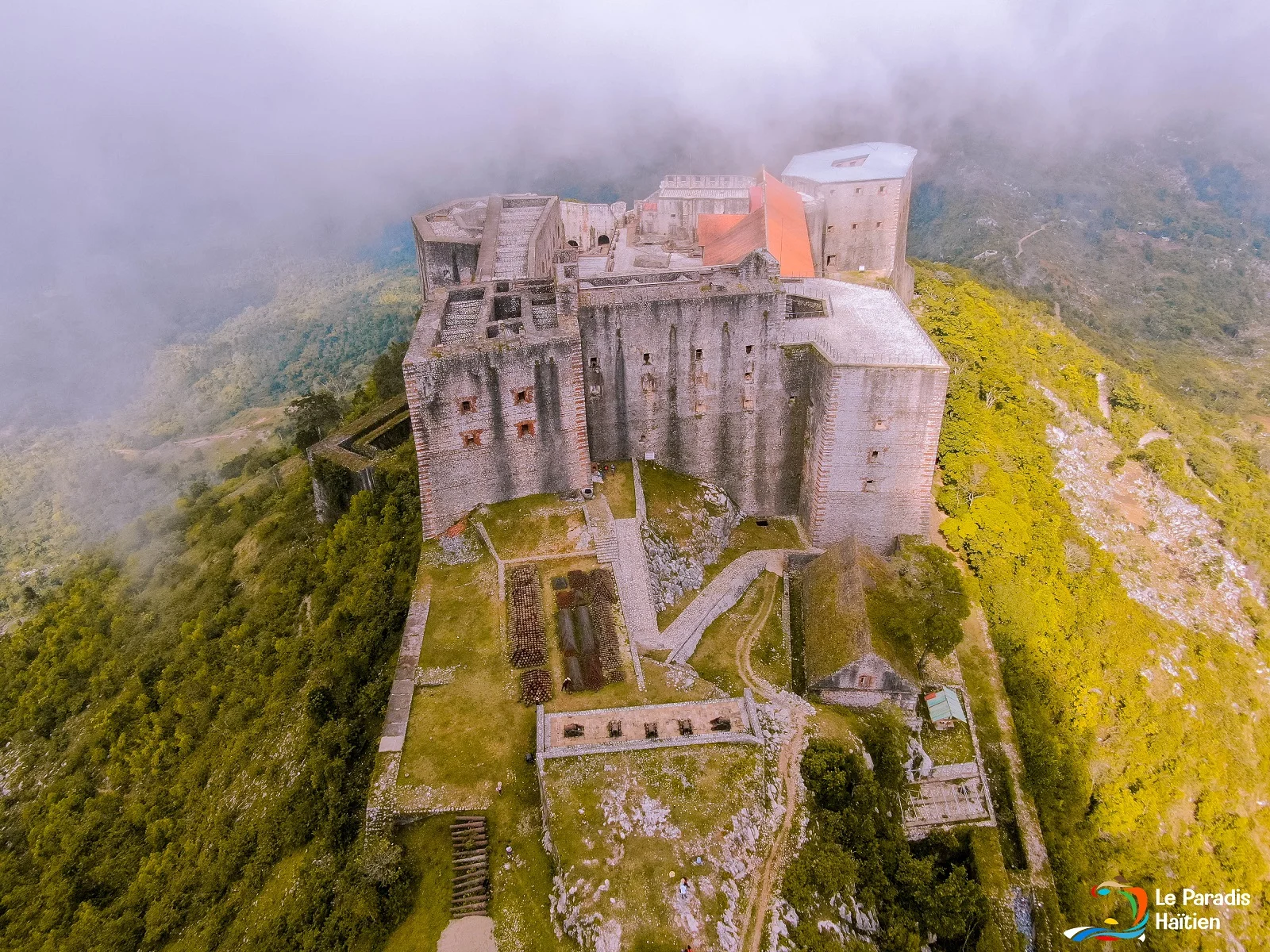
Haïti has a rich historical heritage, including sites like the Citadelle Laferrière and the Sans-Souci Palace, listed as UNESCO World Heritage Sites.

Culture

Culture

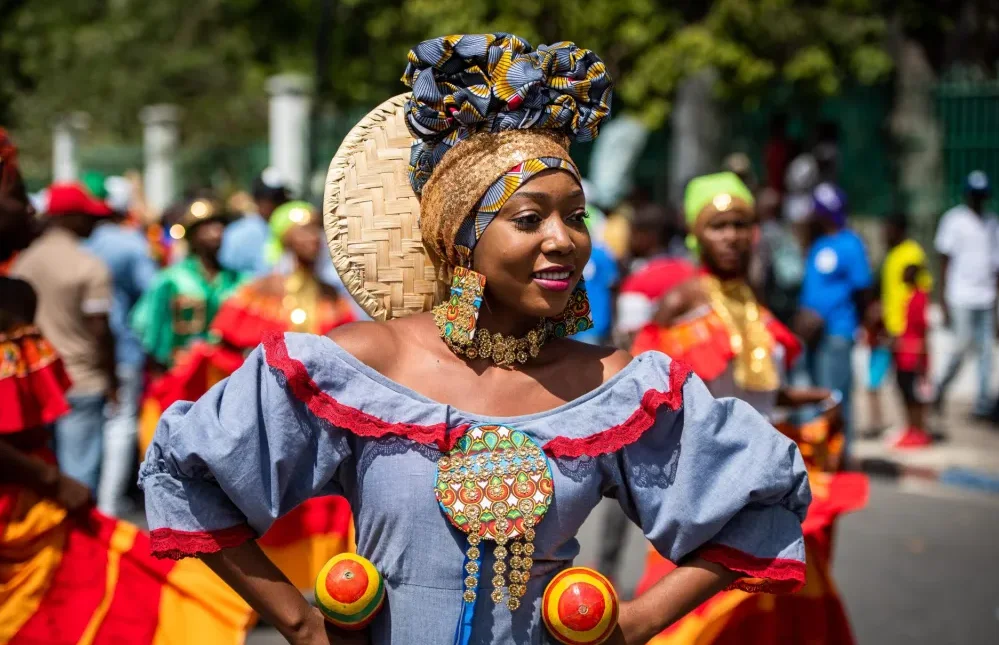
Haïti has a rich and diverse culture, influenced by African, European and indigenous elements. Haitian music, dance, art and cuisine are celebrated around the world.

  • +
    • Post