contact@haitiwonderland.com+509 36184317

Discover

Shopping Cart

What is the meaning of the word “Haiti”?
What is the meaning of the word  Haiti ?
What is the meaning of the word Haiti ?

What is the meaning of the word “Haiti”?

The word “Haiti” is deeply rooted in the history and culture of the island, representing much more than just a name. It symbolizes an identity, a heritage, and a unique geography. But what is the true meaning of this iconic word? Let’s explore its origins, history, and symbolic significance.

Taino Origin: Land of High Mountains

“Haiti” originates from the word “Ayiti,” which comes from the language of the Taino, the indigenous inhabitants of the island before the arrival of Europeans.

- Literal meaning: “Ayiti” means “land of high mountains.”
- Geographical reference: This name reflects the mountainous landscape that characterizes the island, with imposing ranges such as the Massif de la Selle, peaking at 2,680 meters above sea level, and the Massif du Nord.

For the Taíno, this term not only described the geography, but also the natural wealth and beauty of their land.

Post-independence revival

Before independence, the island was known by different names:
- Hispaniola: Given by Christopher Columbus in 1492, this name meant “Little Spain”.
- Santo Domingo: Used by the French to designate their colony.

After the Haitian Revolution and the proclamation of independence in 1804, the founders of the country decided to give the island back its original name, “Haiti”.

- Back to the roots: This choice reflected a desire to break with the colonial past and honor the first inhabitants of the island.
- National identity: By adopting this name, Haïti affirmed its uniqueness and cultural pride.

A profound symbolism

Beyond its geographical meaning, the word "Haiti" embodies values ​​and aspirations that transcend the centuries.

- Strength and resilience: The mountains evoked in the name symbolize the Haitian people’s capacity for resistance in the face of adversity.
- Freedom: By becoming the first independent black republic in the world, Haïti gave new meaning to its name, becoming a beacon for liberation movements across the globe.
- Cultural pride: The name "Haiti" recalls the cultural richness of the country, with its traditions, its art and its contribution to world history.

A cultural and natural wealth

The name "Haiti" also reflects the natural and cultural treasures of the nation.

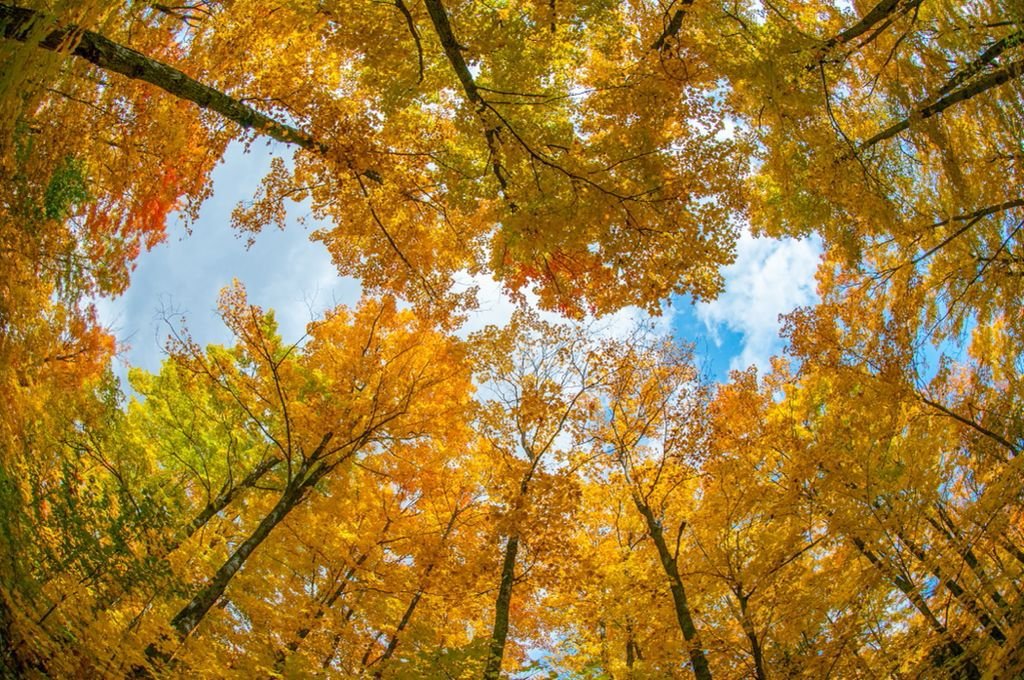
- Mountainous landscapes: With more than 60% of the territory composed of mountains, Haïti lives up to its name. These reliefs offer spectacular views and are home to unique biodiversity.
- Cultural Heritage: Beyond geography, “Haiti” symbolizes a rich culture, blending African, European and indigenous influences, visible in music, art, gastronomy and traditions.

This word is a key to understanding the soul of the country, where nature and culture intertwine harmoniously.

A Universal Heritage

In addition to being the name of a nation, “Haiti” has a universal resonance.

- A Symbol of Freedom: The first independent black republic, Haïti is a beacon of hope and resistance in world history.
- A Message of Resilience: Despite challenges, the name “Haiti” continues to inspire through its ability to overcome adversity.

This name, steeped in history, reminds us that freedom and dignity are values ​​worth fighting for.

The True Meaning of “Haiti”

Beyond its literal translation, “Haiti” represents the hope, pride, and memory of a people. It is a word loaded with emotion and symbolism, embodying both the natural beauty of the island and the depth of its history.

When you say “Haiti,” you evoke a land of mountains, struggles, and unparalleled cultural richness. It is a name that invites you to explore, understand, and celebrate.

And what does “Haiti” mean to you? Share your thoughts and discover even more about this fascinating nation!

Share
About the Author
Appolon Guy Alain
Appolon Guy Alain
Appolon Guy Alain

Full Stack Developer, Créatif, expérimenté, passionné des nouvelles technologies et de l’art.

See other articles from Appolon Guy Alain
Leave a comment

Recently Posted

Newsletter

Subscribe to our newsletter to stay informed of all our activities and news on Haiti.

There are several reasons why a foreign national might be interested in visiting Haiti

There are several reasons why a foreign national might be interested in visiting Haiti: Rich and diverse culture: Haïti has a unique culture resulting from a mixture of African, European (particularly French) and Caribbean influences. This is reflected in its music, cuisine, art and traditions. Fascinating history: Haïti was the first country in Latin America and the Caribbean to gain independence in 1804 after a successful slave revolt. Its history is rich in significant events and important historical figures. Magnificent natural landscapes: The island of Haïti offers a variety of breathtaking landscapes, from white sandy beaches to lush green mountains, picturesque waterfalls and isolated islands. Hospitality of the locals: Haitians are known for their warmth and hospitality towards foreign visitors, making the travel experience very pleasant and enriching on a human level. Opportunities for Sustainable Tourism: Haïti offers opportunities for sustainable tourism, including encouraging visits that directly benefit local communities and environmental conservation. Exploring historic sites: Historic sites such as the UNESCO-listed Citadelle Laferrière offer visitors a chance to discover colonial architecture and remains from pre-Columbian times. Vibrant cultural celebrations: Haïti is famous for its colorful festivals and cultural celebrations throughout the year, such as Carnival, where music, dance and traditional costumes are in the spotlight. In summary, visiting Haïti can offer a deep and authentic cultural experience, as well as an exploration of the unique natural and historical beauties of this Caribbean nation.

Plan your trip to Haïti

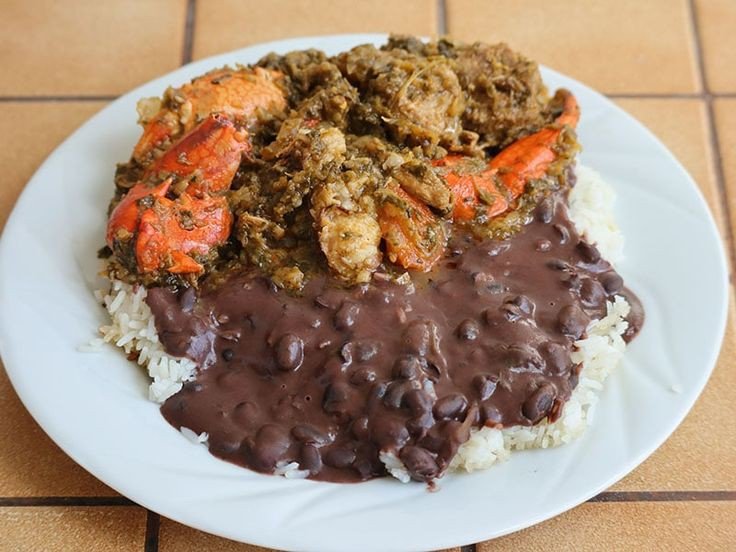
Haïti, the pearl of the Caribbean nestled west of the island of Hispaniola, offers a captivating combination of natural beauty and rich history. For an unforgettable trip, follow these wise tips to plan your stay. b~Prior Research~b Before you begin your trip, immerse yourself in Haïti’s rich culture, fascinating history, delicious cuisine and top attractions. This prior immersion will allow you to make the most of your stay and connect more easily with locals. b~Ideal time to travel~b Haïti’s mild climate throughout the year makes it an attractive tourist destination at any time. Your choice of period will depend on your preferences. If you’re passionate about cultural festivities, don’t miss the Haïtian Carnival in February, a vibrant celebration leading up to Lent. For lovers of paradise beaches like Labadee, La Côte des Arcadins, and others, summer offers a perfect mix of sun and fun times in crystal clear waters. If spirituality appeals to you, August 15 marks the Feast of the Assumption, a religious celebration marking the Virgin Mary’s ascension into heaven. And also November 1st and 2nd are dedicated to the Day of the Dead. Families go to the cemetery to honor and decorate the graves of their deceased loved ones, creating an atmosphere steeped in memory and tradition. History buffs may choose to visit on national holidays such as National Independence Day on January 1, Flag Day on May 18, and other significant events. b~Choice of Accommodation~b Haïti offers a range of accommodation options, from luxury hotels to family-friendly B&Bs. Adapt your choice according to your budget and preferences, favoring local accommodation for a more authentic experience. b~Unmissable Tourist Sites~b Among the gems to explore, discover the majestic Citadelle Laferrière, listed as a UNESCO world heritage site, the Sans Souci Palace, the La Visite National Park, the Milot Cathedral, Fort Jacques, the Heroes of Vertières, the Bassin Bleu , the Saut-Mathurine Waterfall, the Marie-Jeanne Cave, Kenscoff and Furcy, as well as the Saut d’Eau Waterfall. Also explore the artistic wealth of Haïti through its artisan markets. b~Taste Local Cuisine~b Haïtian cuisine is a symphony of exotic flavors. Be sure to sample local dishes such as griot and pea-sticky rice at local markets for an authentic culinary experience. b~Local Culture~b Haïtian culture, influenced by a rich history, is diverse and vibrant. Respect local customs, be open-minded and willing to learn. The warmth and hospitality of the Haïtians add a unique dimension to your experience. b~Means of Transport~b Opt for modern means of land transport such as Capital Coach Line, Transport Chic, Sans-Souci Tours, Le Transporteur, Grand Nord. For aerial explorers, easily book your flight with Sunrise Airways. Car rental is also an option for those looking for a more private experience. b~Language and Communication~b Although Haïtian Creole is the main language, French is also widely used. Learn a few basic phrases in Creole to facilitate exchanges and enrich your experience. By meticulously planning your trip to Haïti, you open yourself up to discovering the natural beauty, cultural richness, and warm hospitality of this Caribbean gem. Get ready to experience a unique and memorable adventure in Haïti.

Recently Posted

History

History

First black nation to free itself from slavery and gain independence from France in 1804 and influenced other liberation movements around the world, inspiring struggles for freedom and equality.

Natural beauty

Natural beauty

Haïti is blessed with spectacular natural landscapes, including white sand beaches, mountains and rich biodiversity.

Heritage

Heritage

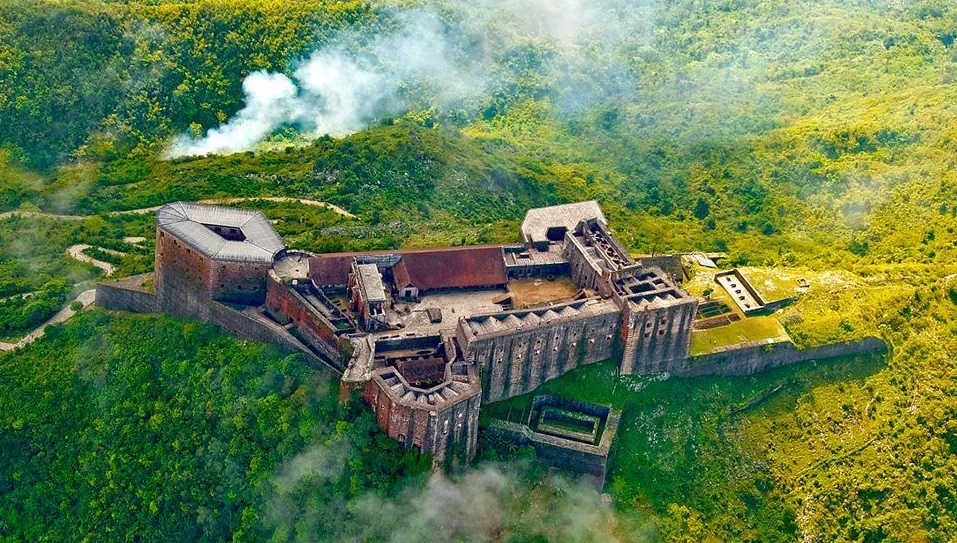
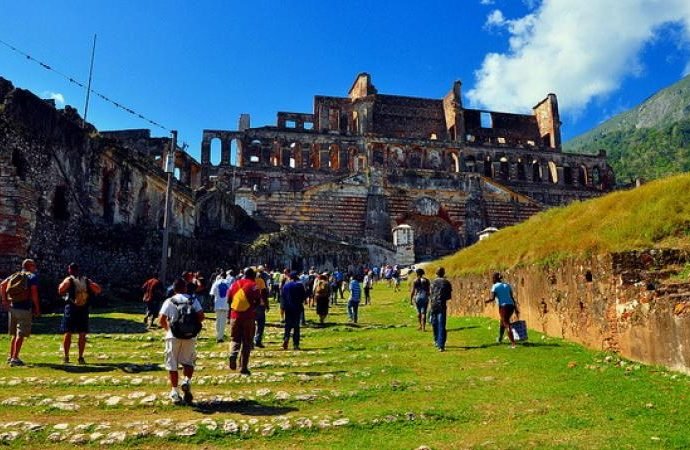
Haïti has a rich historical heritage, including sites like the Citadelle Laferrière and the Sans-Souci Palace, listed as UNESCO World Heritage Sites.

Culture

Culture

Haïti has a rich and diverse culture, influenced by African, European and indigenous elements. Haitian music, dance, art and cuisine are celebrated around the world.

  • +
    • Post