contact@haitiwonderland.com+509 36184317

Discover

Shopping Cart

Is Haïti on the African Continent? A Geographical Clarification

Is Haïti on the African Continent? A Geographical Clarification

The question of whether Haïti is on the African continent sometimes comes up, but the answer is clear: Haïti is not on the African continent. This island country is located on the island of Hispaniola in the Caribbean and is part of the American continent, specifically Central America and the Antilles. However, the historical and cultural connection between Haïti and Africa is deep and deserves a more detailed exploration.

Haïti
Haïti
Haïti

Haiti: A Caribbean Country on the American Continent

Haïti occupies the western part of the island of Hispaniola, which it shares with the Dominican Republic. Located in the Caribbean, Haïti is part of the geographic region of Central America and the Antilles, which is located in the American continent. It is therefore indisputably a country of the Americas, not Africa.

The island of Hispaniola, in the southeast of the Greater Antilles archipelago, is located a few hundred kilometers off the coast of Florida (United States) and Cuba. This geographical location places Haïti in the Caribbean zone, a region rich in cultural and historical diversity, which is a crossroads between North America, Central America, and South America.

Haïti
Haïti
Haïti

A History Deeply Linked to Africa

Although Haïti is not located on the African continent, the link between Haïti and Africa is strong and essential. This link dates back to the time of slavery, when millions of Africans were deported to the Americas. Haiti, formerly known as Saint-Domingue, was a French colony where African slaves were exploited in sugar plantations.

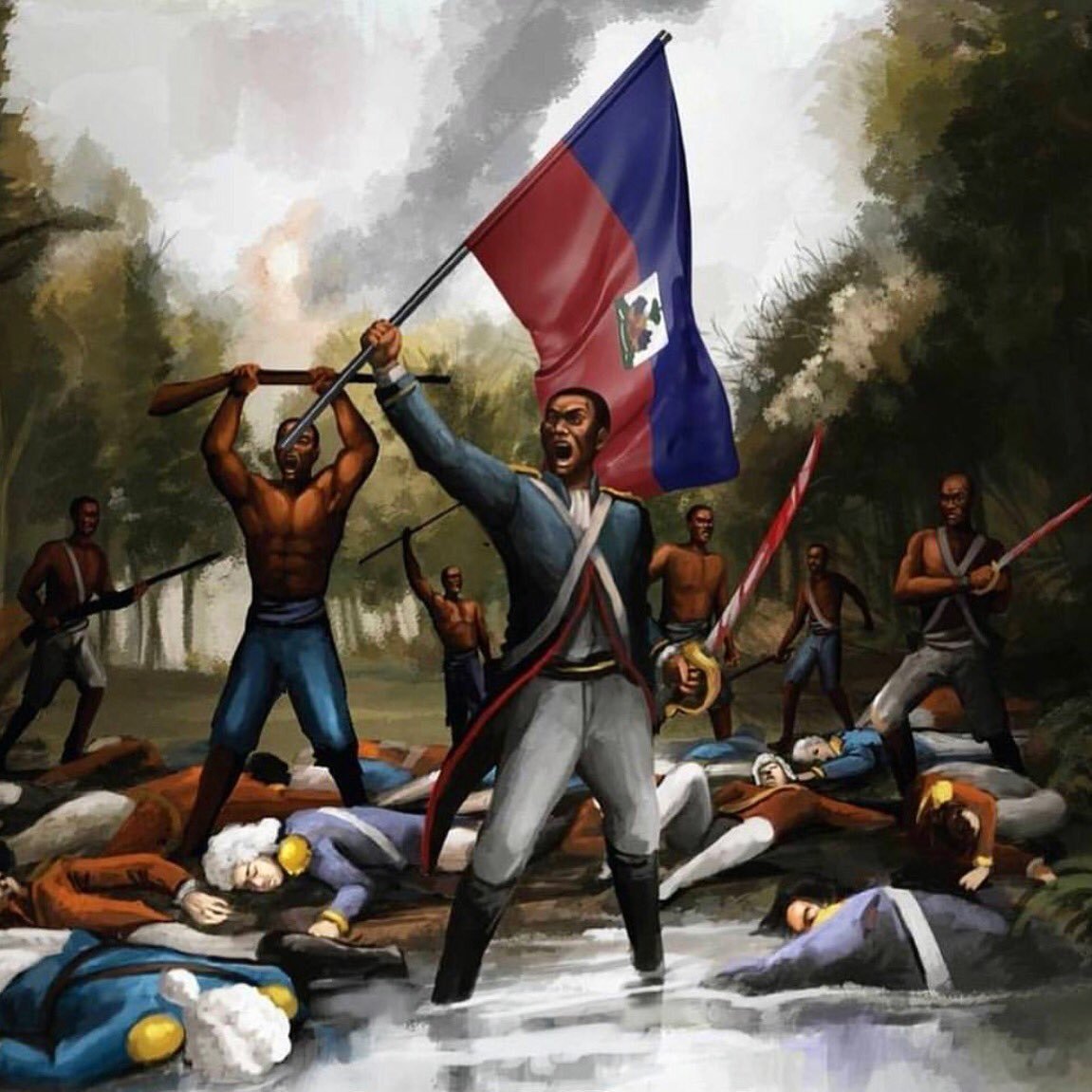
It was during the Haitian Revolution, which took place between 1791 and 1804, that Haïti became the first country in the world to abolish slavery and establish an independent republic led by former black slaves. This landmark moment had a profound resonance throughout the world, particularly in Africa, and influenced the struggles for independence and civil rights of colonized peoples.

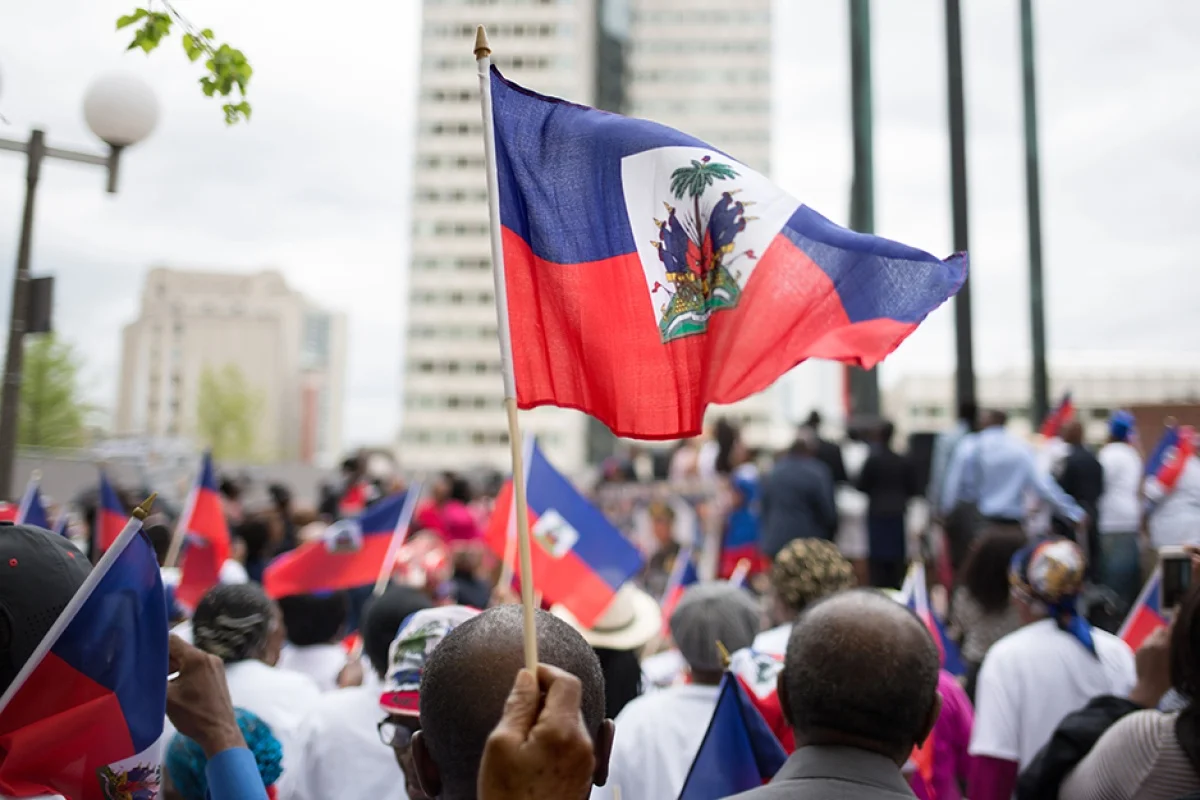
Today, although geographically located in the Caribbean, Haïti maintains a strong cultural, historical and symbolic connection with Africa. The majority of the Haitian population is descended from Africans, and Haiti’s cultural traditions, religious beliefs such as Vodou, and musical practices are imbued with African influences.

Haïti and Africa: A Cultural Brotherhood

The brotherhood between Haïti and Africa is also strengthened by numerous cultural and diplomatic exchanges. Haiti-Africa relations are marked by the solidarity of African countries at the time of Haiti’s independence. Indeed, Haïti has been a symbol of the struggle for freedom and sovereignty, inspiring many African peoples throughout history.

In addition, Haitian Creole and African languages ​​share some common roots. Creole, Haiti’s national language, is a mixture of French and African words from different Bantu and West African languages, reflecting the African origins of Haitian ancestors.

Haïti also continues to support Africa in many international initiatives. Many Haitian diasporas live and work in Africa, contributing to a constant dialogue between the two continents.

Haïti and Africa, a strong historical connection

Although Haïti is not located on the African continent, the country maintains a deep historical and cultural connection with Africa, due to its history of slavery, its independence, and its African heritage. This relationship continues to shape Haiti’s identity and strengthen the country’s ties to the African continent. Haïti remains an inspiring example of the struggle for freedom and equality, and its culture and history are daily reminders of the unbreakable ties that unite Africa and people of African descent throughout the world, particularly in the Americas.

Share
About the Author
Appolon Guy Alain
Appolon Guy Alain
Appolon Guy Alain

Full Stack Developer, Créatif, expérimenté, passionné des nouvelles technologies et de l’art.

See other articles from Appolon Guy Alain
Leave a comment

Recently Posted

The Port-au-Prince Book Fair announces the opening of author registration for its second edition

The Port-au-Prince Book Fair is a literary initiative of the cultural organization Port-au-Prince Book Fair (OCSLP), based on the desire to promote Haitian culture in general, with a particular focus on literature. The organizers of the event have just announced the registration of authors, who will number 20, and those of publishing houses, who will number 5 for the second edition, which will take place on Friday, December 13, 2024, in the premises of the French Institute in Haiti. The registration deadline is Thursday, October 10 of this year. Please note that the first to arrive who have met the required criteria will be eligible to take part in this second edition of the event, according to the organizers’ admission. This rigorous and restricted selection of only 20 authors aims to guarantee an enriching experience for authors and the public, thus promoting authentic exchanges around the works presented. Independent authors and publishing houses interested in registering their authors to participate in this second edition of the fair are invited to submit their application via this link: https://form.jotform.com/louirardjohn8/salon-du-livre-de-port-au-prince. For publishing and distribution houses planning to exhibit on the day of the event, you can register by clicking on this link: https://form.jotform.com/242596699603068. You are requested to contact them at the following address: salondulivre2023@gmail.com in case of difficulties. The Port-au-Prince Book Fair remains faithful to its philosophy, which is to offer a platform to young authors and to promote the richness of Haitian literary production, by supporting new authors who contribute to its growth. This event is a continuation of the first edition, aimed at allowing the emergence of an environment conducive to exchanges, where young authors can meet, share their experiences and engage in dialogue with readers and book professionals. According to the organizers of the event, your participation as a young author will be essential to enrich the fair and offer a diverse experience to visitors. The invitation to join this noble initiative is extended to young authors who have not yet published 5 books. You who are concerned, the ball is now in your court. Do not hesitate to go and make this day, December 13, 2024, an unforgettable day for all book lovers.

Timoun se Moun: A poetry competition to promote children’s rights in Haiti

A wounded country. Bent under the weight of a multidimensional crisis. Widespread violence. Hope slammed shut. A sacrificed generation. Children are increasingly threatened. They are increasingly confronted with all forms of vulnerability that hinder their overall development. ACTIF is launching the second edition of the "Timoun se Moun" poetry competition. A citizen initiative in which the organization uses writing as a springboard to build what life deprives Haitian children of. Pain can be turned into gold. For ACTIF (Community Action for Transformation and Formal Integration), poetry is a philosopher’s stone. Not only for this organization, but also for all those who believe that writing can help rekindle the stars. Faced with this urgent need for action, this is "an initiative to raise awareness, denounce, and affirm loud and clear that every child matters, every child deserves protection, hope, and a future," reads the competition’s descriptive document. So what do you intend to do with your human light? Through this competition, participants have the opportunity to engage in an act of resistance, like a cry of conscience to raise the voice of broken childhoods. Open from May 18 to June 18, "Timoun se Moun" is open to all Haitians living in the country and aged 18 and over. Texts must be submitted in Creole. Behind this initiative, ACTIF intends, on the one hand, to affirm our cultural and linguistic identity, and on the other, to enrich our Creole literature, promote it, and encourage creativity in our vernacular. The text must not exceed 500 words. The format chosen is PDF, Times New Roman font, size 12, and 1.5 line spacing. This competition aims to offer a touch of affection to these children who are the first victims of the country’s descent into hell. To evaluate the literary quality and essence of the submitted texts, a jury is composed of Ruthza Paul, Douglas Zamor, and Darly Renois. The former is a physician and winner of the first edition of this competition. The other two work in the fields of sociology, psychology, and literature. In addition to the "Jury Prize: 15,000 HTG + books + certificate" and "Audience Prize: 5,000 HTG + certificate + books" prizes, the best texts will be included in an anthology to be published by Éditions Répérages. It should be noted that there will be one winner for each prize. This initiative reflects ACTIF’s commitment to honoring authors who embrace the cause of underprivileged children while enriching Haiti’s literary heritage. This competition extends a helping hand to all those who believe that through poetry, one can transform one’s life into a masterpiece. At the same time, it offers the opportunity to contribute to ACTIF’s child protection program. Each participant may submit a single text. It must be sent by email to the following address: actifkonkoupwezi@gmail.com. The partial results will be published on June 30, 2025, and the final results on July 18, 2025. For more information, visit ACTIF at the following address: 18 Rue Desdunes, Imp. Thoby, Mahotière 79, Carrefour, Haiti, or contact the organization at the following number: (+509) 38 44 57 57. More than just a contest, ACTIF invites you to say No. No to forgetting. No to passivity. No to violence against children and the violation of their rights.

Newsletter

Subscribe to our newsletter to stay informed of all our activities and news on Haiti.

Recently Posted

History

History

First black nation to free itself from slavery and gain independence from France in 1804 and influenced other liberation movements around the world, inspiring struggles for freedom and equality.

Natural beauty

Natural beauty

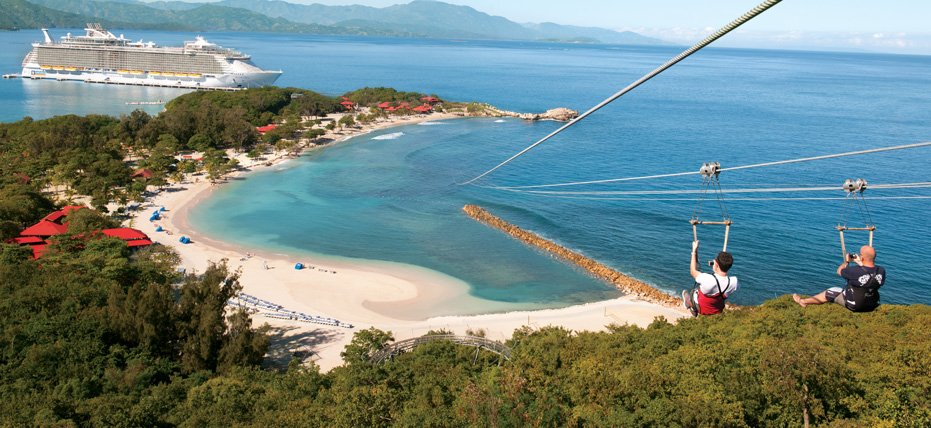
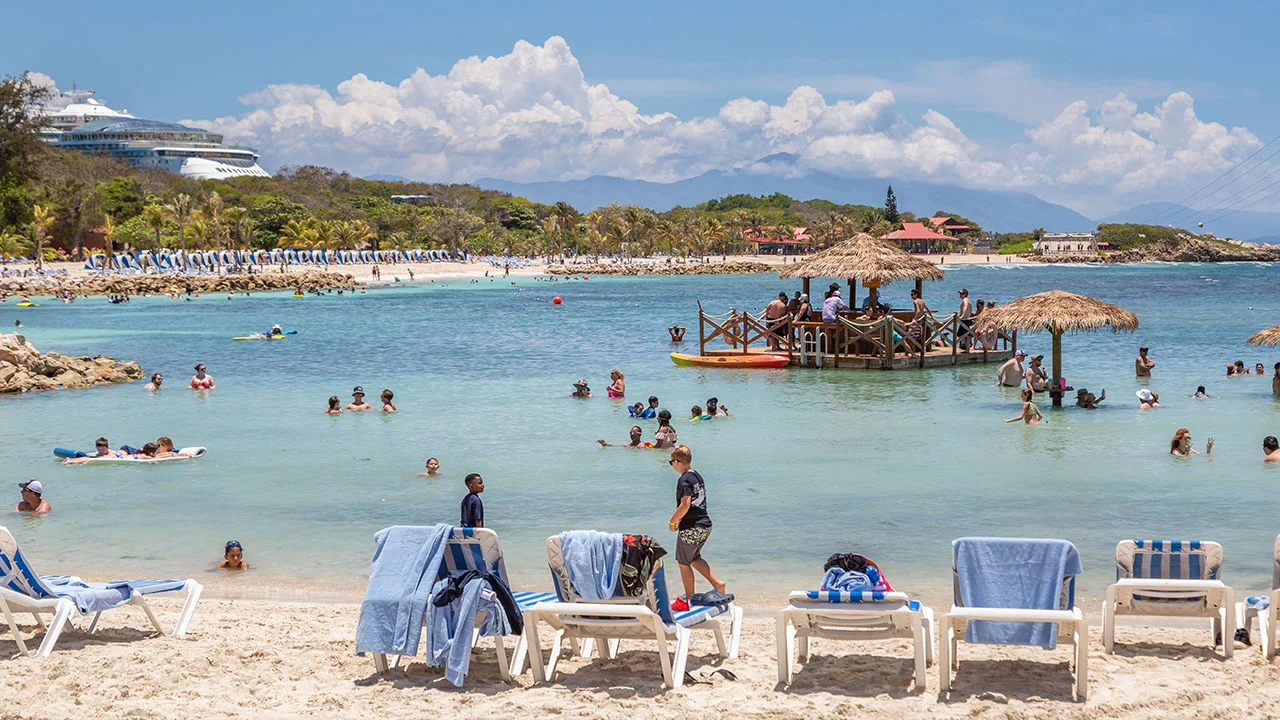
Haïti is blessed with spectacular natural landscapes, including white sand beaches, mountains and rich biodiversity.

Heritage

Heritage

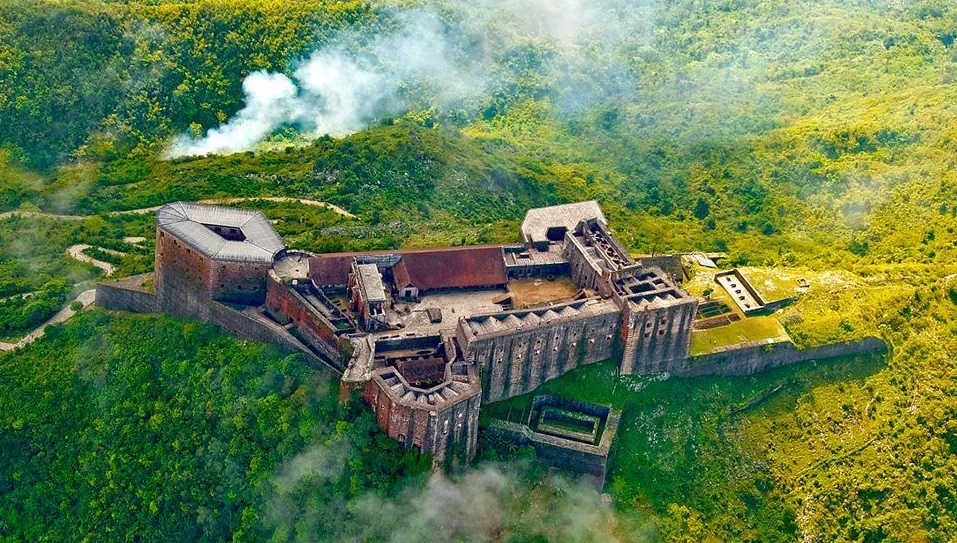
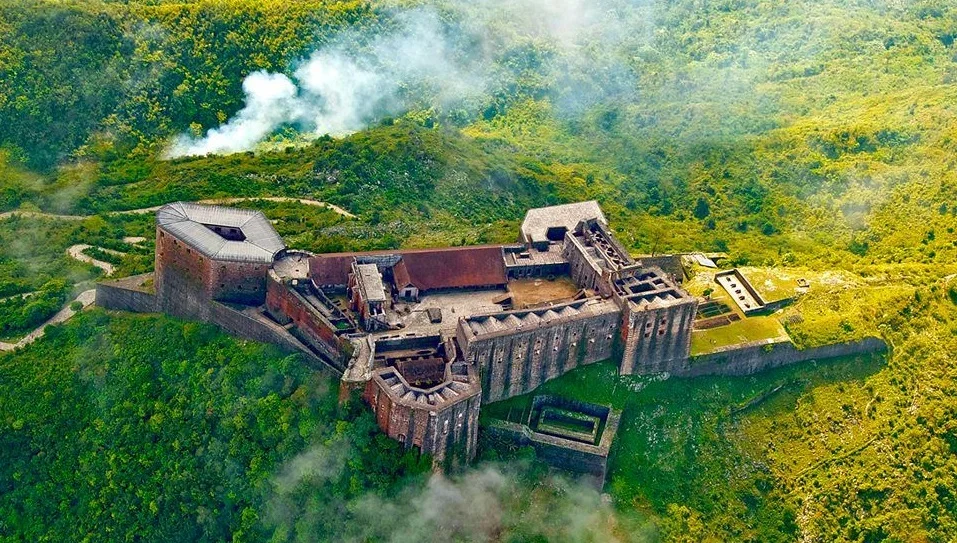
Haïti has a rich historical heritage, including sites like the Citadelle Laferrière and the Sans-Souci Palace, listed as UNESCO World Heritage Sites.

Culture

Culture

Haïti has a rich and diverse culture, influenced by African, European and indigenous elements. Haitian music, dance, art and cuisine are celebrated around the world.

  • +
    • Post