contact@haitiwonderland.com+509 36184317

Discover

Shopping Cart

Republic of Haiti, Land of Freedom and Resilience

Republic of Haiti, Land of Freedom and Resilience

Nestled in the heart of the Caribbean Sea, the Republic of Haïti reveals its unique charms, proudly blending its rich historical heritage with breathtaking tropical nature. This majestic island, cradle of the first independent black republic, continues today to embody the resilience and spirit of freedom that shaped its unique destiny.

Haïti
Haïti
Haïti

Deep Roots Anchored in History

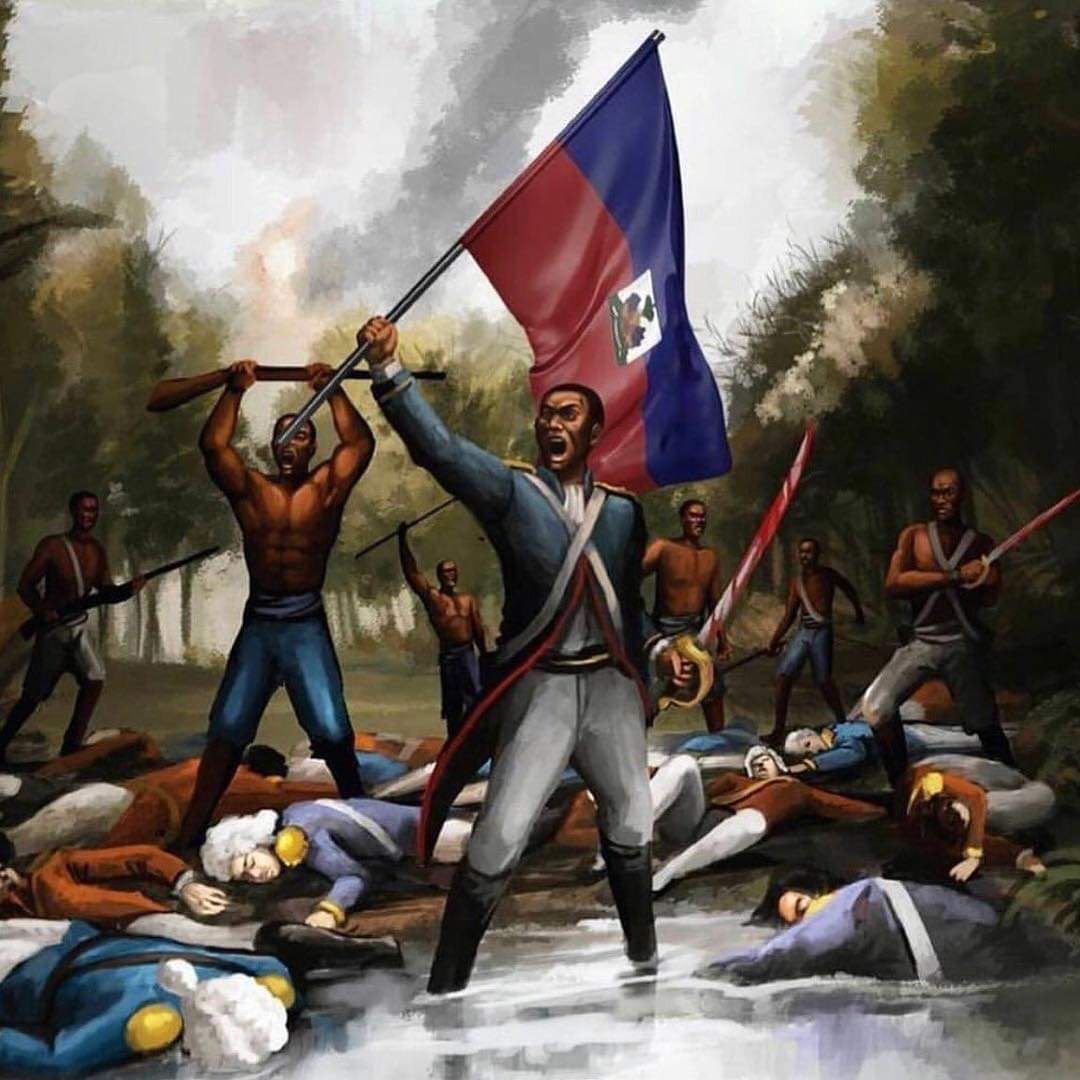
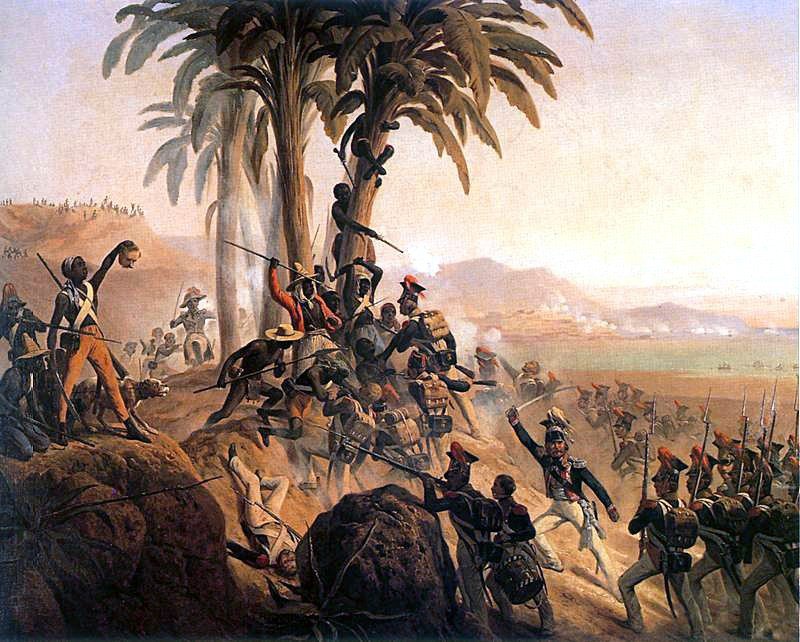
The Republic of Haïti owes its name to the Arawak Amerindian people of the Taïnos, who called this land “Haiti” or “Mountainous Land”. Its rich past dates back to the arrival of Christopher Columbus in 1492, which marked the beginning of a troubled period marked by colonization and slavery. However, in 1804, a major historical event would change the course of the island: the Haitian Revolution. Led by the legendary Toussaint Louverture, slaves rose up to gain independence, making Haïti the world’s first free black republic.

Haïti
Haïti
Haïti

A Paradise Nature with a Thousand Wonders

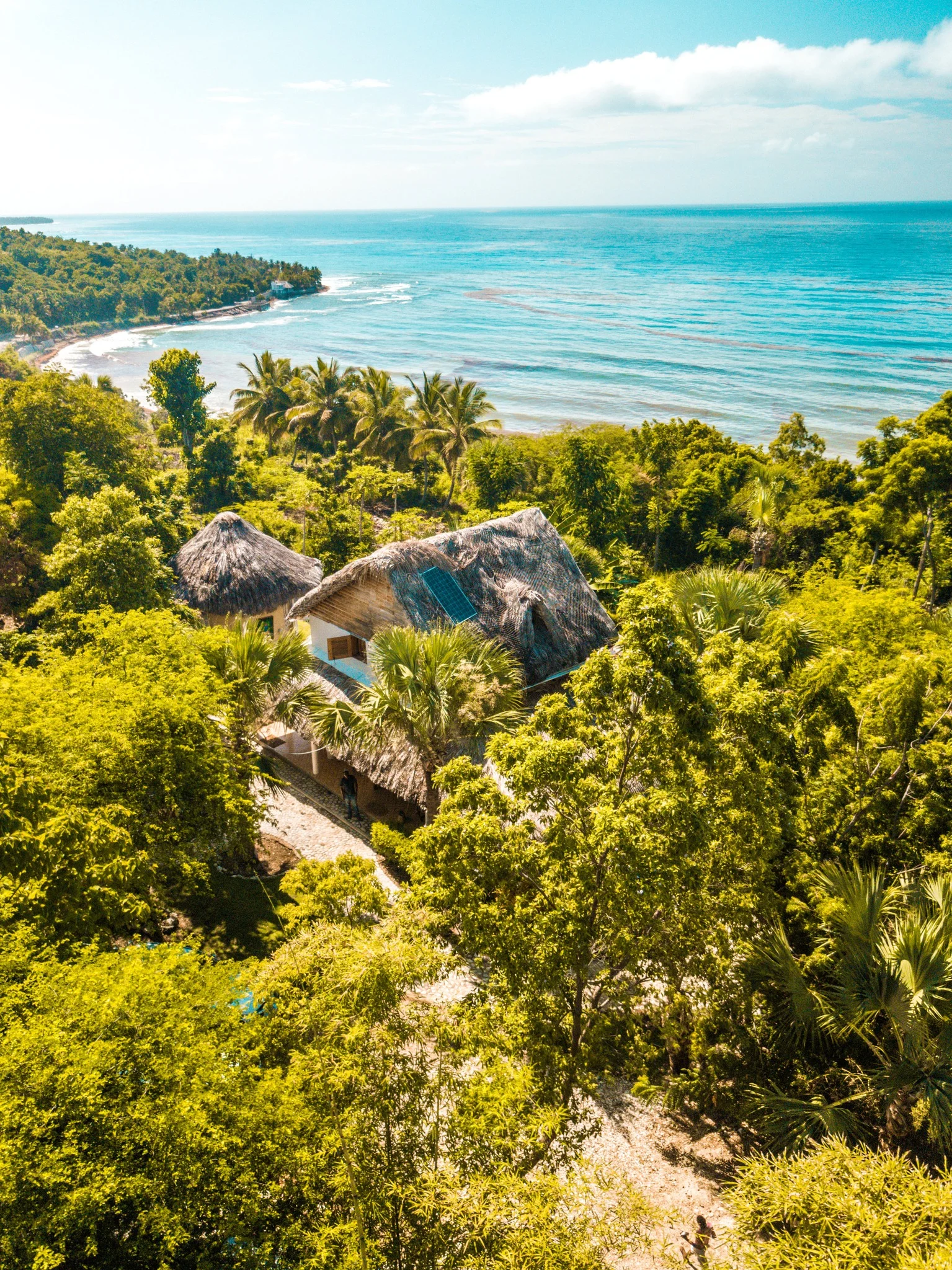
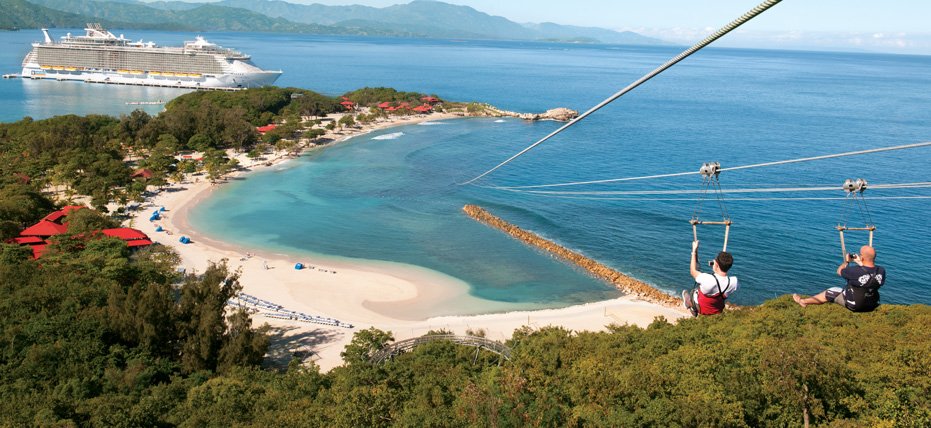
Beyond its tumultuous past, the Republic of Haïti fascinates with the splendor of its natural landscapes. Immaculate white sand beaches stretch as far as the eye can see, bordered by crystal clear turquoise waters. Inland, lush vegetation adorns the majestic mountains dotted with refreshing waterfalls. An incredible biodiversity populates this generous nature, a true ecological jewel to be preserved. An idyllic environment that appeals to lovers of relaxing by the water as well as fans of adventurous hikes.

Haïti
Haïti
Haïti

A Vibrant and Authentic Culture

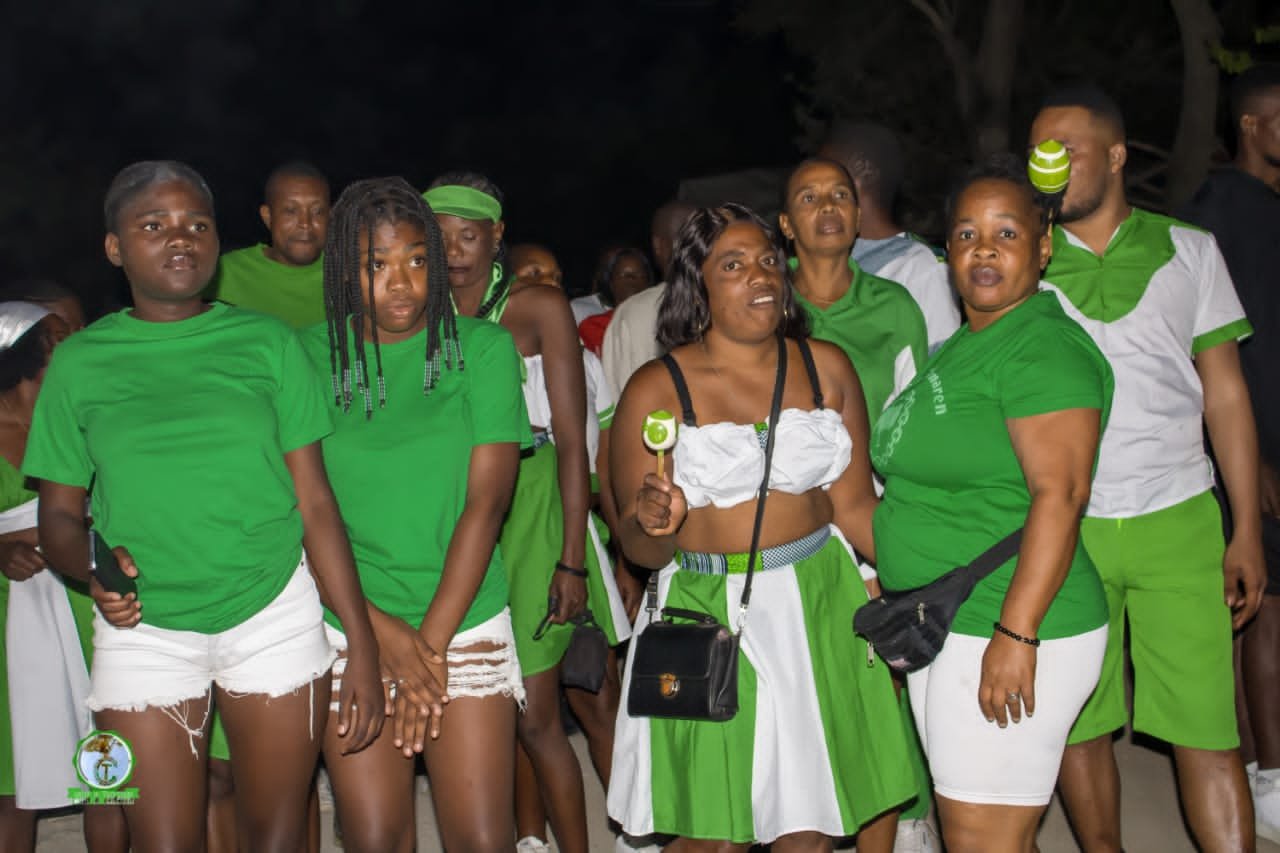
The Republic of Haïti is not limited to its natural beauties alone. It also conceals a rich and vibrant culture, mixed over the centuries by Native American, African, European and Caribbean influences. Music, art, literature, crafts, gastronomy... All aspects of Haitian life exude this singular authenticity, deeply anchored in the traditions and soul of the people. It is this unique blend that gives so much charm and character to this extraordinary destination.

Whether it is celebrated for its historical courage, its dreamlike natural attributes or the brilliance of its mixed culture, the Republic of Haïti never ceases to seduce and amaze. A land of contrasts, harsh and gentle at the same time, whose resilience and spirit of freedom breathe a spark of life into every corner of the island. A Caribbean gem, forever inscribed in the pages of history.

Share
About the Author
Haïti Wonderland
Haïti Wonderland
Leave a comment

Recently Posted

Newsletter

Subscribe to our newsletter to stay informed of all our activities and news on Haiti.

Guédés: When Haïti celebrates its ancestors with color and fervor

Every November 1st and 2nd, Haïti comes alive with the colors black and purple to celebrate the Guédés, spirits venerated in the voodoo religion, symbols of a powerful bond between the living and the dead. Fascinating, indomitable and provocative, the Guédés form a true family in the pantheon of Haitian voodoo, where they are respected for their role as spiritual guides of the deceased to the afterlife. Led by iconic figures such as the legendary Baron Samedi and his companion Grann Brigitte, the Guédés embody the paradoxes of life and death. Each Baron has a unique personality: Baron Cimetière, Baron Kriminel, and Baron La Croix are the guardians of the souls that wander on the borders of the world of the dead. Together, they form a powerful and somewhat frightening presence, but one that is deeply rooted in Haitian culture. The Guédés are not like other voodoo spirits; they demonstrate their fearlessness in a spectacular way. Accustomed to death, they are fearless and are provocative: they eat glass, raw peppers, and coat their sensitive parts with rum and pepper. These gestures mark their indifference to danger and remind us that they have already known earthly life. They are thus psychopomps – these beings who lead the souls of the dead – and act as bridges between the world of the living and that of the dead. Some Guédés, like Guédé Nibo, wear black, purple, and white clothing, each with unique characteristics. They are many and varied: Guédé Fouillé, Guédé Loraj, Papa Guédé, and many others. These are the spirits who, each year, remind Haitians of the importance of remembering and honoring the deceased. The cult of the Guédés is not only religious; it is also cultural and historical. According to tradition, their spiritual territory, or “Fètomè” – nicknamed the “Country without Hats” – is a place where the souls of ancestors reside. According to stories, the origins of this cult go back to the Abomey plateau, the ancient capital of the kingdom of Dahomey, in Africa, where death and life coexist in a form of symbiosis. This celebration in Haïti even finds echoes in ancient history. The Romans also honored their dead with the “Fête des Lémuria”, which took place in February, to ward off spirits and restore peace between the world of the living and that of the deceased. For Haitians, honoring the Guédés is about accepting death as a part of life and celebrating the invisible bonds that unite us with those who have left us. It is also a way of resisting, because life, despite its challenges, must be celebrated in all its complexity and depth.

Recently Posted

History

History

First black nation to free itself from slavery and gain independence from France in 1804 and influenced other liberation movements around the world, inspiring struggles for freedom and equality.

Natural beauty

Natural beauty

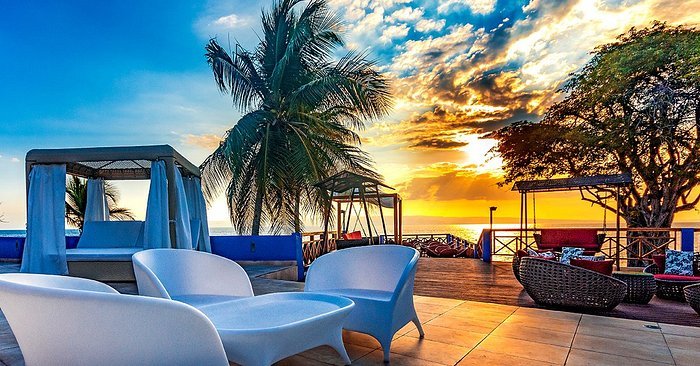
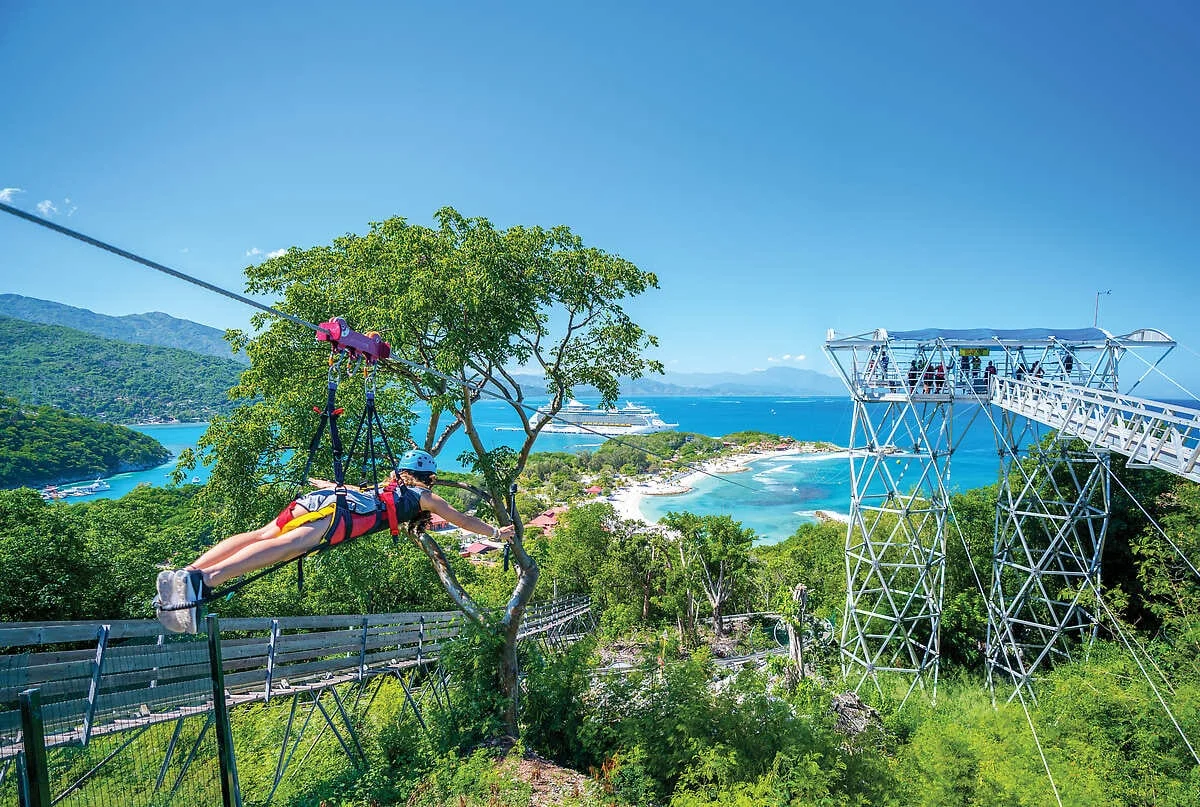
Haïti is blessed with spectacular natural landscapes, including white sand beaches, mountains and rich biodiversity.

Heritage

Heritage

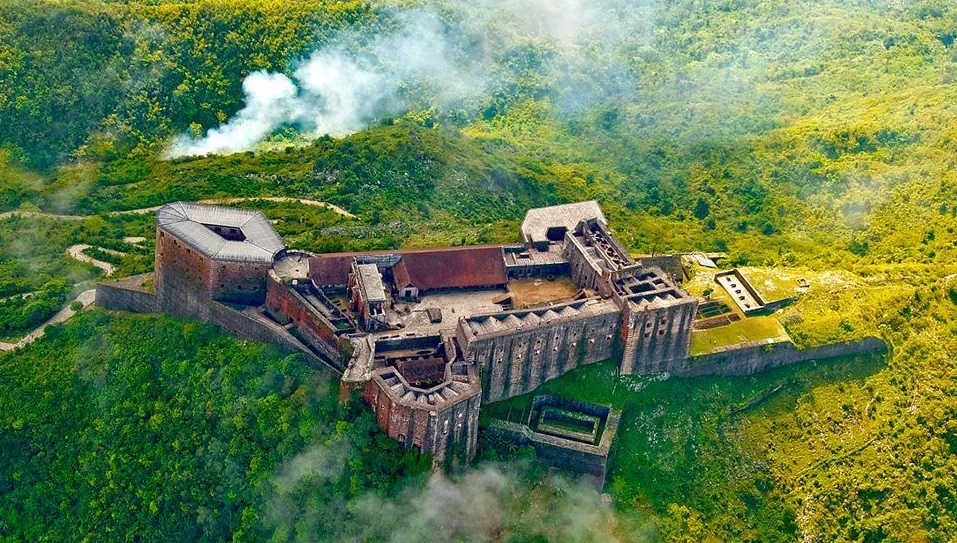
Haïti has a rich historical heritage, including sites like the Citadelle Laferrière and the Sans-Souci Palace, listed as UNESCO World Heritage Sites.

Culture

Culture

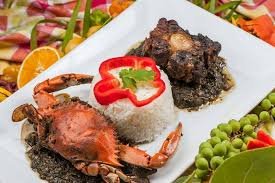
Haïti has a rich and diverse culture, influenced by African, European and indigenous elements. Haitian music, dance, art and cuisine are celebrated around the world.

  • +
    • Post