contact@haitiwonderland.com+509 36184317

Discover

Shopping Cart

How is the flag celebrated in Haiti?

How is the flag celebrated in Haiti?

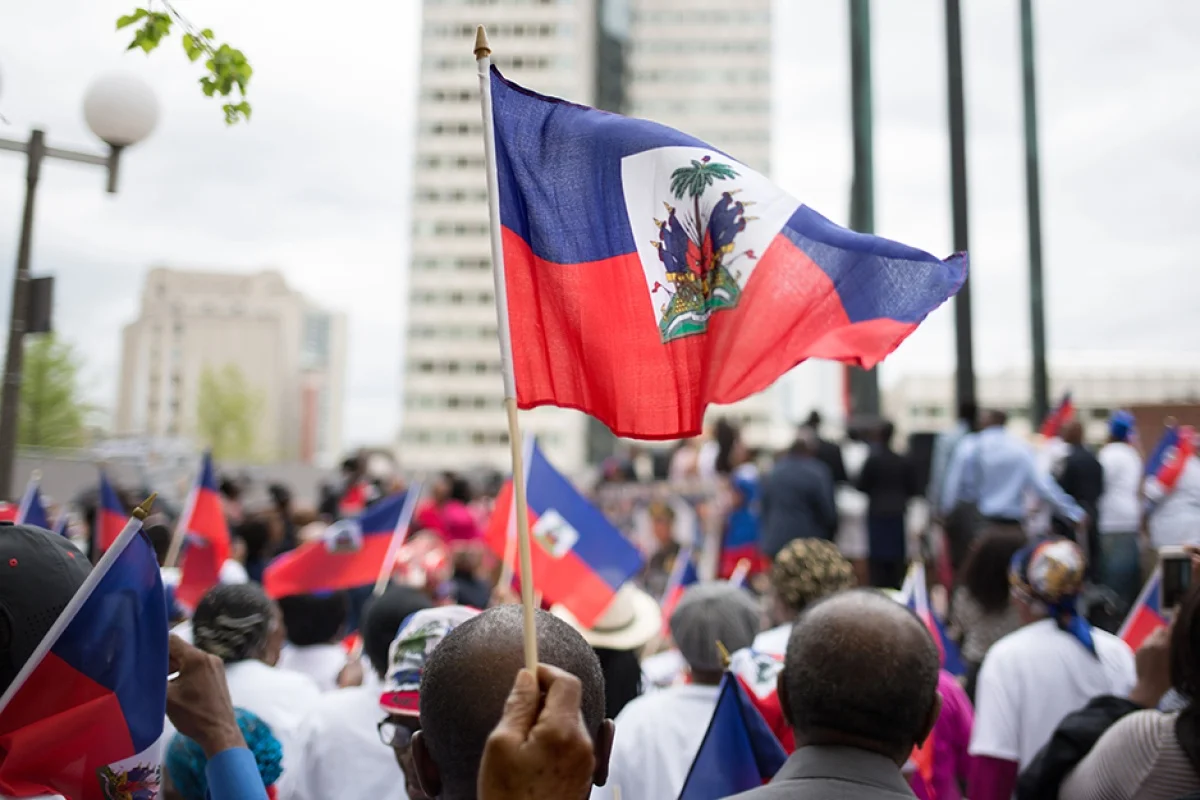
The Haitian flag is much more than just a national emblem. It is a symbol of the struggle for independence, cultural identity, and the resilience of a people. Every year on May 18, Haitians come together to celebrate their flag with a unique fervor. This article explores the significance of this day and the different ways it is celebrated across the country.

Haïti
Haïti
Haïti

The History and Meaning of the Haitian Flag

The Haitian flag was born on May 18, 1803, during the Congress of Arcahaie. On this occasion, the leaders of the Haitian revolution, including Jean-Jacques Dessalines and Catherine Flon, created the first flag by removing the white stripe from the French tricolor. They kept the blue and red stripes, symbolizing the union of Blacks and Métis in the fight against colonial oppression.

The flag therefore represents unity, freedom, and national pride. May 18 is celebrated as Flag Day, a key date to honor this historic achievement.

Haïti
Haïti
Haïti

Festivities Across Haiti

The celebration of the flag in Haïti is marked by vibrant festivities and solemn ceremonies. Here are some of the highlights of this day:

- Official ceremonies: May 18 often begins with formal ceremonies in major cities such as Port-au-Prince, Cap-Haïtien, and Arcahaie, the birthplace of the flag. Patriotic speeches are given by authorities to recall the history and importance of this day.
- Parades: Military and civilian parades march through the streets, with bands playing national anthems and folk groups proudly displaying the blue and red colors. - Cultural Activities: Schools, universities and community organizations organize shows that highlight Haitian culture, with dances, songs and plays that recount the key moments of the revolution.

Haïti
Haïti
Haïti

A Day of Pride for the Haitian Diaspora

Flag celebrations are not limited to Haiti’s borders. In Haitian diaspora communities, such as those in Miami, New York, Montreal, and Paris, similar events are held to honor this day.

Haitians living abroad proudly display the colors of their flag in parades, concerts, and cultural gatherings, showing their deep attachment to their homeland. These festivities strengthen the bonds between Haitians around the world and their shared history.

Haïti
Haïti
Haïti

Why is Flag Day so Important?

May 18 is not just a day of celebration: it is a day of reflection and celebration of Haitian identity. Through festivities, ceremonies, and gatherings, the Haitian people honor their history while affirming their commitment to a stronger, more united future.

In Haïti and abroad, celebrating the flag is celebrating the very essence of what it means to be Haitian: proud, resilient, and deeply rooted in a rich and inspiring history.

Share
About the Author
Appolon Guy Alain
Appolon Guy Alain
Appolon Guy Alain

Full Stack Developer, Créatif, expérimenté, passionné des nouvelles technologies et de l’art.

See other articles from Appolon Guy Alain
Miracle

Merci 😘😙😘

May 21, 2025 - 06:19:09 PM
Leave a comment

Recently Posted

Haïti / Pot’iwa Pizza: A Culinary Odyssey

Since 2015, Pot’iwa Pizza has conquered the hearts and taste buds of the inhabitants of Port-au-Prince, the capital of Haiti. Founded by visionaries Jude Vaillant and Rock André, Pot’iwa Pizza has become a true gastronomic icon by offering a unique specialty: smoked herring pizza. This culinary creation has revived childhood nostalgia among many Haitians, marking the beginning of an exceptional culinary adventure. The very name of the company, "Pot’iwa", is a tribute to the Haitian regions where its founders were born. Jude Vaillant, originally from the "Iwa" region, and his accomplice Rock André, native of "Potino", have united their origins to create a company that harmoniously fuses tradition and innovation. Despite the socio-economic challenges that punctuate Haitian daily life, Pot’iwa Pizza is committed to constantly improving its services. This unwavering determination led to the opening of a second branch of the company, this time in the city of Cap-Haïtien, in the north of the country. The inhabitants of this region now have the privilege of tasting the famous herring pizza, previously reserved for the inhabitants of Port-au-Prince. Aware of the importance of protecting its culinary heritage, the company made a strategic decision by filing a patent in the United States to protect its specialty: herring pizza. Jude Vaillant, CEO of the company, shares his vision behind the choice of herring: "In Haiti, our childhood was rocked by a particular flavor, present in many traditional dishes. We decided to bring this flavor to an emblematic dish like pizza, to create a unique culinary experience." Pot’iwa Pizza embodies the passion, nostalgia and perseverance of Haitians for their traditional cuisine. It is a story of flavors and success that continues to seduce palates around the world. For those who want to taste this delicious herring pizza, go to Pot’iwa Pizza, located at 26 boulevard Cap-Haïtien, or contact them at +509-47-30-9090. And for fans residing in Miami, USA, Pot’iwa Pizza is also available at 12485 NE 6th CT, North Miami, FL 33161. To order, call 305-456-5152. Also explore the immersive experience of Pot’iwa Pizza through your smartphone or virtual reality headset, and dive into their mouth-watering menu by visiting the following link: https://haitiwonderland.com/haiti-virtual-reality-ht/ bar--restaurant/haiti--pot-iwa-pizza--virtual-tour/9.

Haiti: Discovering Lake Péligre

At the heart of the majestic Haitian topography, lies a natural gem of breathtaking beauty: Lake Péligre. Nestled in the mountains of Haiti’s central region, this artificial lake is a wonder for local residents and amazed visitors alike. From its historical creation to its contemporary ecological importance, let’s explore together the riches of Lake Péligre. Origin and History: Lac de Péligre is the result of an ambitious engineering project undertaken in the 1950s. At that time, the Haitian government, in collaboration with international partners, undertook the construction of the Péligre Dam on the Artibonite River. The main goal was to provide large-scale electricity to Haïti while regulating river flooding to protect agricultural land downstream. Ecology and Biodiversity: Beyond its usefulness as a source of hydraulic energy, Lake Péligre is home to rich ecological diversity. The calm waters of the lake provide vital habitat for a variety of native fish species, supporting local fishing communities. In addition, the surrounding forests and hills that border the lake are home to diverse flora and fauna, contributing to the preservation of the regional ecosystem. Tourism and Leisure: For outdoor enthusiasts and nature enthusiasts, Lake Péligre offers a multitude of leisure opportunities. Visitors can enjoy peaceful boat rides on the tranquil waters of the lake, offering panoramic views of the surrounding mountains. Additionally, hiking trails winding through lush forests allow hikers to explore the area’s natural beauty. Lake Péligre represents much more than a simple artificial body of water. It is a living testament to human ingenuity and the natural beauty of Haiti. As an emerging tourism destination, it offers visitors an immersive experience in nature, while highlighting the crucial importance of environmental conservation. By preserving this natural treasure, we also preserve the sustainable future of our planet.

Newsletter

Subscribe to our newsletter to stay informed of all our activities and news on Haiti.

Recently Posted

History

History

First black nation to free itself from slavery and gain independence from France in 1804 and influenced other liberation movements around the world, inspiring struggles for freedom and equality.

Natural beauty

Natural beauty

Haïti is blessed with spectacular natural landscapes, including white sand beaches, mountains and rich biodiversity.

Heritage

Heritage

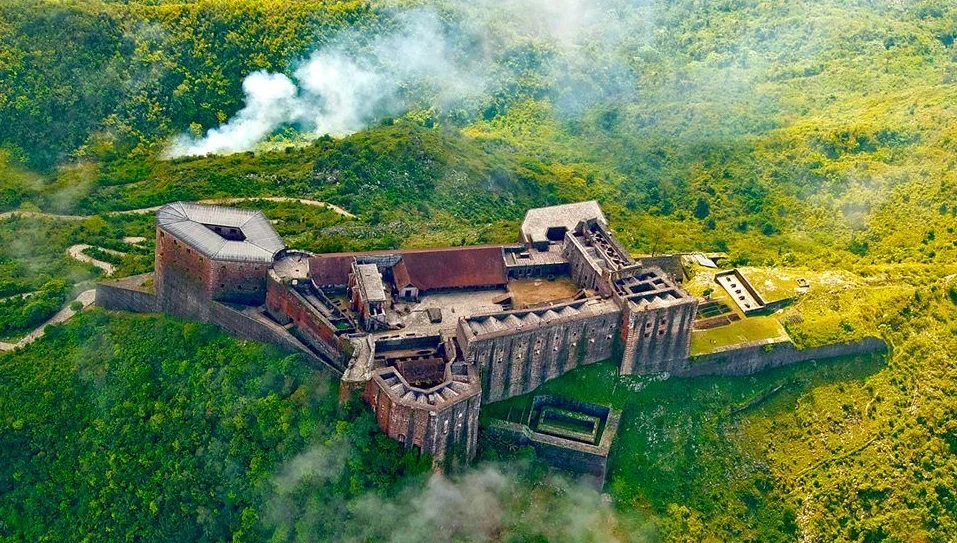
Haïti has a rich historical heritage, including sites like the Citadelle Laferrière and the Sans-Souci Palace, listed as UNESCO World Heritage Sites.

Culture

Culture

Haïti has a rich and diverse culture, influenced by African, European and indigenous elements. Haitian music, dance, art and cuisine are celebrated around the world.

  • +
    • Post