contact@haitiwonderland.com+509 36184317

Discover

Shopping Cart

Dedikas 3.0: New sign of the rising sun in Port-au-Prince
  • News
  • November 27, 2024

Dedikas 3.0: New sign of the rising sun in Port-au-Prince

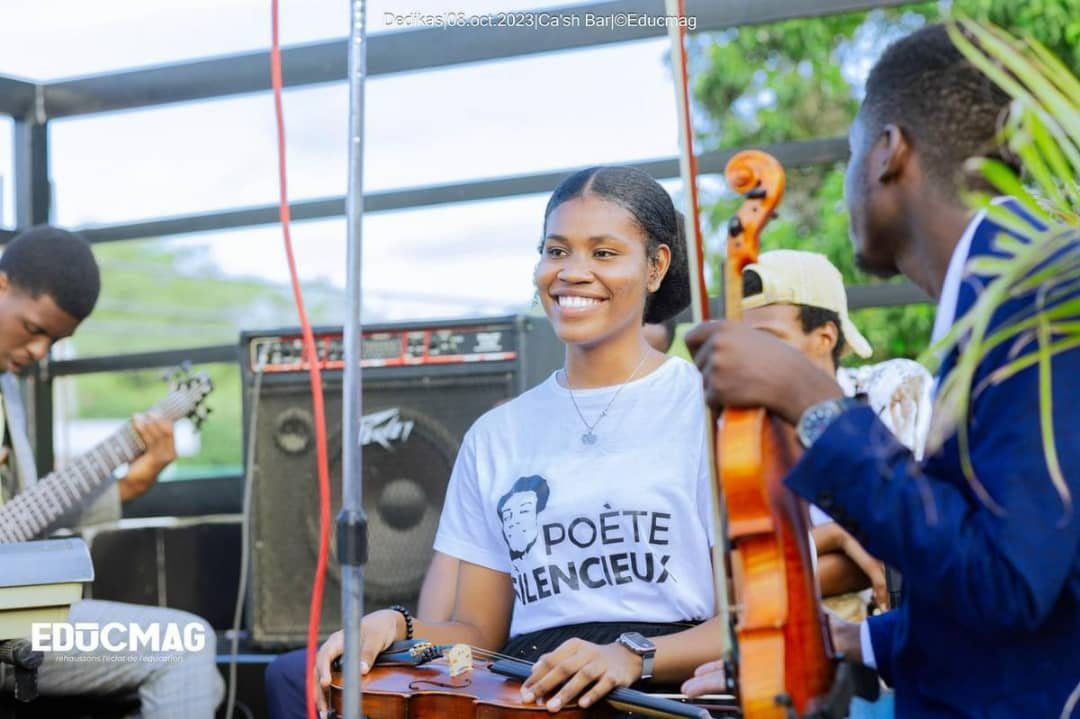
Dedikas is an initiative taken by the young Haitian slam poet, Jean Wood Jude, better known as the Silent Poet. It is a cultural event that highlights poetry and music in the heart of Port-au-Prince. The event aims to offer a space for expression to young artists, especially those evolving in the Haitian slam scene.

Dedikas has already taken place twice, and a third edition is planned for Saturday, December 22, 2024, at the Soho premises, located at Delmas 41, number 16, from 2:30 p.m. to 7:00 p.m. This new edition follows on from the first two, which took place respectively on October 8 and December 20, 2023.

For this third edition, Dedikas promises its audience a meeting with the most talented slam poets in the metropolitan area of ​​Port-au-Prince. The perfect opportunity for these young artists to offer a complete experience for the spectators’ senses. At this event, the presence of Poète Silencieux is already confirmed, alongside Beven le Slameur, finalist of the last Slam World Cup; Emmanuel Pacorme, Salvatorré; Steph le Sauvage; Slamander; and many others. Alongside the slam, musical performances and many other surprises are planned to welcome the participants. In particular, a big challenge at the end of the event, where the winners will be crowned with the title of "Couple of the Year" and will receive many prizes.

See as well

Distinguished guests of honor

The 3rd edition of Dedikas 3.0 will also welcome two distinguished guests as guests of honor: the famous literary journalist Dangelo Néard and Michel Joseph, an excellent news presenter at RTVC, nicknamed "Le Michel". These two major figures in Haitian journalism, despite their young age, are already references in the country’s media world. Honoring them means making models of success visible for all young people in search of inspiration. It is also important to note that Michel Joseph is a musician, entrepreneur, model and brand ambassador. Dangelo Néard, for his part, is an important figure in the Haitian literary world. Dany Laferrière even called him, a few years ago, the "guardian of Haitian literature". He is currently director of the National Library of Haiti.

Why such an event

Port-au-Prince is hit hard by waves of chaos, which affect every aspect of its life. The city, once joyful, has become a dreary land where the sound of weapons prevails over everything else. Faced with this bitter observation, every conscious man has a duty to react. Dedikas 3.0 is a poetic response to this climate of violence. A city filled with children fleeing bullets is a sick city, hungry for poetry. Slam, a contemporary form of poetry, is a tool of expression that can heal and defend beauty in the face of this climate of chaos.

An act of resistance

Dedikas 3.0 affirms that, despite the omnipresence of chaos, poetry remains a symbol of resistance in Port-au-Prince. And is intended to be proof of the resilience shown by the Haitian people since their accession to independence. This people, although tested, remains resilient. Poetry, a symbol of gentleness, peace and freedom, still finds its place in the city. Life, contrary to what some think, will continue to grow thanks to our efforts. It is a way of saying that it is up to us to make our land smile, by breathing life into every plot, so that every corner of the country can regain its beauty and the hope it deserves.

Share
About the Author
Moise Francois
Moise Francois
Moise Francois

Journalist editor, poet and apprentice lawyer.

See other articles from Moise Francois
Leave a comment

Recently Posted

Pap Jazz 2025, a Celebration of Haiti’s Great Musical Richness

On Sunday, April 6, 2025, the Karibe Convention Center in Juvenat transformed into a true cultural temple to close the 18th edition of the Port-au-Prince International Jazz Festival (PAPJAZZ). This year, the festival took place under the evocative theme "PAP JAZZ it UP", and it was held in three sites primarily located in the Pétion-Ville commune. The festival took place entirely at these wonderful musical venues: a reference was made to the Latin Quarter, the Haiti-Brazil Cultural Center, and the Karibe Hotel. Due to the deteriorating situation in downtown Port-au-Prince in recent times, the French Institute site had to be abandoned by the festival organizers. Nevertheless, we can absolutely call this 18th edition of Pap Jazz a success. Indeed, this festival, now a major event of the Haitian year, was especially marked this year by the great resilience and determination of the organizers who were able to adapt to the country’s rhythm in order to satisfy their loyal festival-goers. Despite the difficult context, these festival-goers did not miss the opportunity to escape their harsh daily lives through music. It’s also important to note that this 18th edition of Pap Jazz took place after two postponements, at the very beginning of this year, with the last one occurring in March due to insecurity. In this regard, it is appropriate to call the monumental achievement of the Haïti Jazz Foundation and their partners an exceptional feat, as they were not discouraged and showed remarkable tenacity, while adapting to offer Port-au-Prince and its surroundings this moment of growth, beyond the city’s great sorrow, through music.

The Haitian Carnival: A Festival of Colors, Music and Traditions

The Haitian carnival, an emblematic and essential celebration of the country’s festive calendar, is much more than a simple party. It embodies the very essence of Haitian culture, joyfully blending ancestral traditions, intoxicating music and a deep sense of community. Each year, this vibrant celebration transforms the streets into a vibrant and colorful spectacle, attracting thousands of participants and spectators eager to take part in this one-of-a-kind celebration. Haitian carnival has deep roots in the country’s history, dating back to colonial times. It has evolved over the centuries, incorporating elements of African, French and Creole culture to create a distinct and captivating celebration. The carnival period in Haïti traditionally begins in January and culminates with extravagant festivities that take place over several days. One of the most striking features of the Haitian carnival is the profusion of colors. Traditional costumes, called "masks", are elaborate and beautifully designed. They feature vivid patterns and vibrant decorations, creating a vivid picture of Haitian cultural identity. Participants, dressed in these elaborate costumes, parade through the streets to the sound of lively music, creating an electric atmosphere. Music is at the heart of the Haitian carnival. The captivating rhythms of compass, rasin, rara and other local musical genres resonate throughout the city, inviting people to dance to the rhythm of the party. Orchestras parade through the streets, accompanying the dancers and creating a unique symbiosis between the music and the graceful movements of the participants. The Haitian carnival parade is not just about the music and costumes; it also celebrates the richness of street arts. Talented artists create giant sculptures, art installations and theatrical performances that tell deep stories of Haitian history and culture. These artistic expressions contribute to the transmission of values ​​and stories that shape the identity of the Haitian people.

Newsletter

Subscribe to our newsletter to stay informed of all our activities and news on Haiti.

Recently Posted

History

History

First black nation to free itself from slavery and gain independence from France in 1804 and influenced other liberation movements around the world, inspiring struggles for freedom and equality.

Natural beauty

Natural beauty

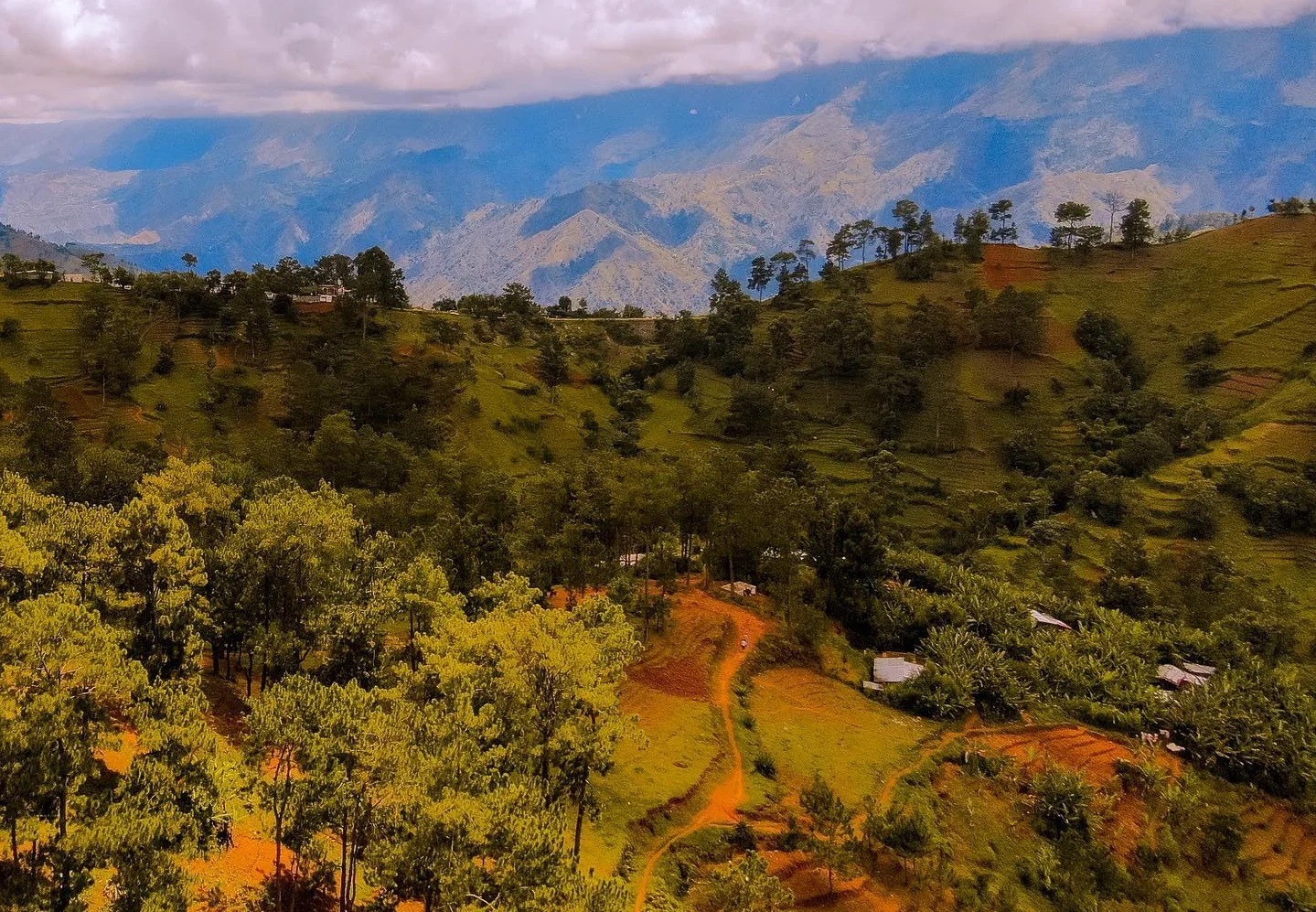
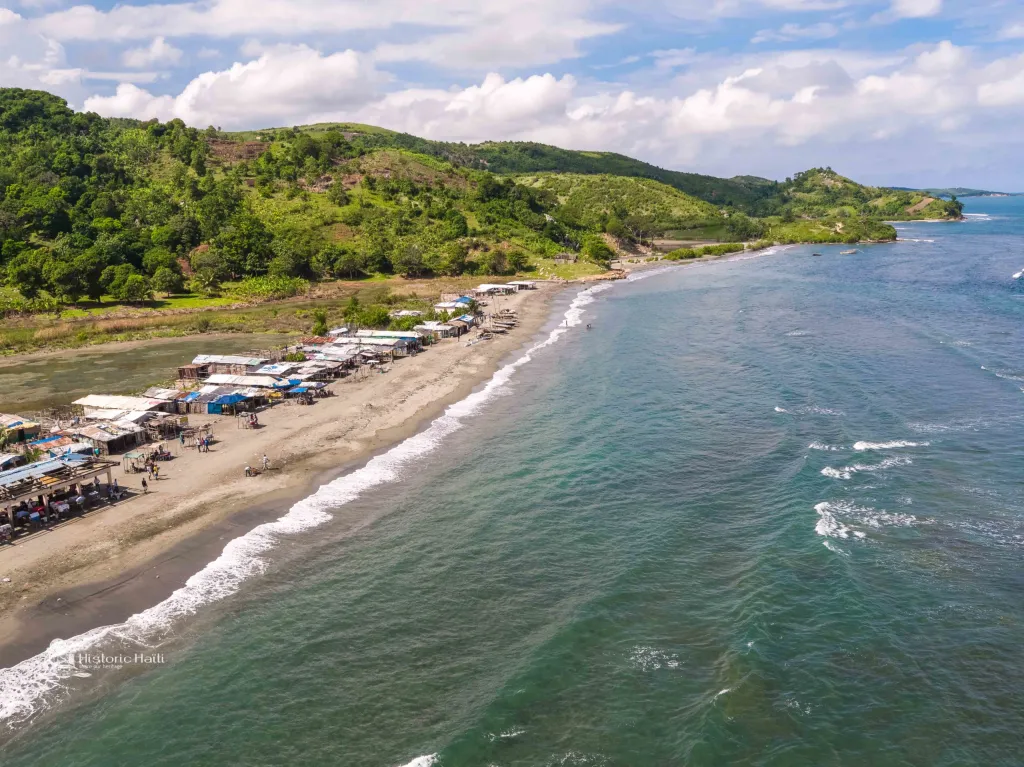
Haïti is blessed with spectacular natural landscapes, including white sand beaches, mountains and rich biodiversity.

Heritage

Heritage

Haïti has a rich historical heritage, including sites like the Citadelle Laferrière and the Sans-Souci Palace, listed as UNESCO World Heritage Sites.

Culture

Culture

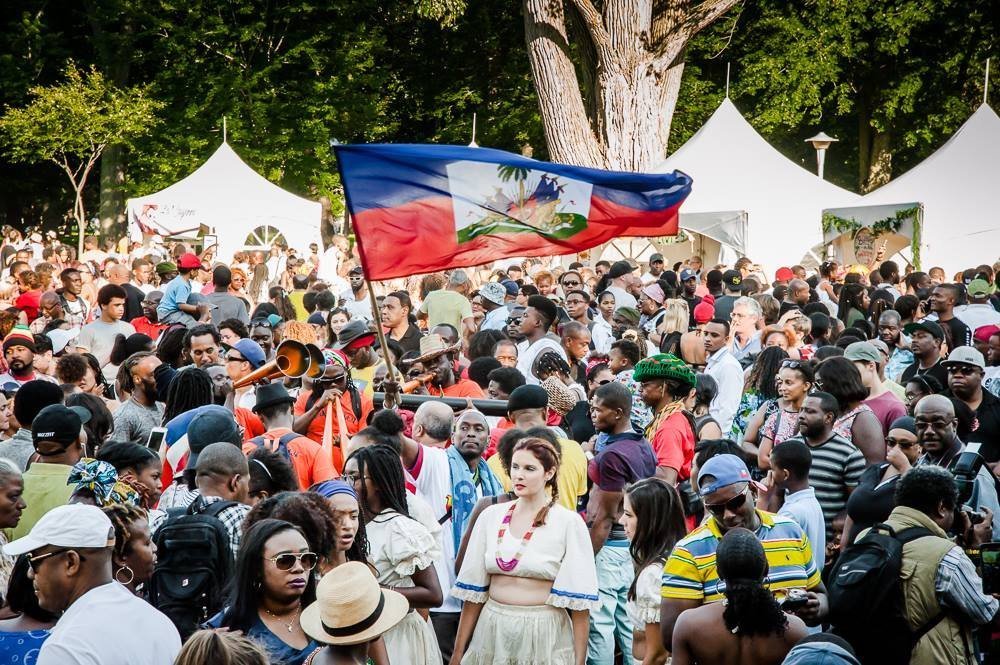
Haïti has a rich and diverse culture, influenced by African, European and indigenous elements. Haitian music, dance, art and cuisine are celebrated around the world.

  • +
    • Post