contact@haitiwonderland.com+509 36184317

Discover

Shopping Cart

Difference Between Haitian Tonmtonm and African Foutou (Fufu)

Difference Between Haitian Tonmtonm and African Foutou (Fufu)

Haitian and African cuisine are gastronomic treasures that highlight local ingredients and preparation techniques passed down through generations. Among the most popular dishes of both cuisines, Haitian Tonmtonm and African Foutou (or Fufu) are distinguished by their rich flavors and unique textures. These two dishes, although they share a similar foundation - the use of local products such as cassava or plantain - have interesting differences, especially in their preparation, taste and accompaniment.

Tonmtonm Haïti
Tonmtonm Haïti
Tonmtonm Haïti

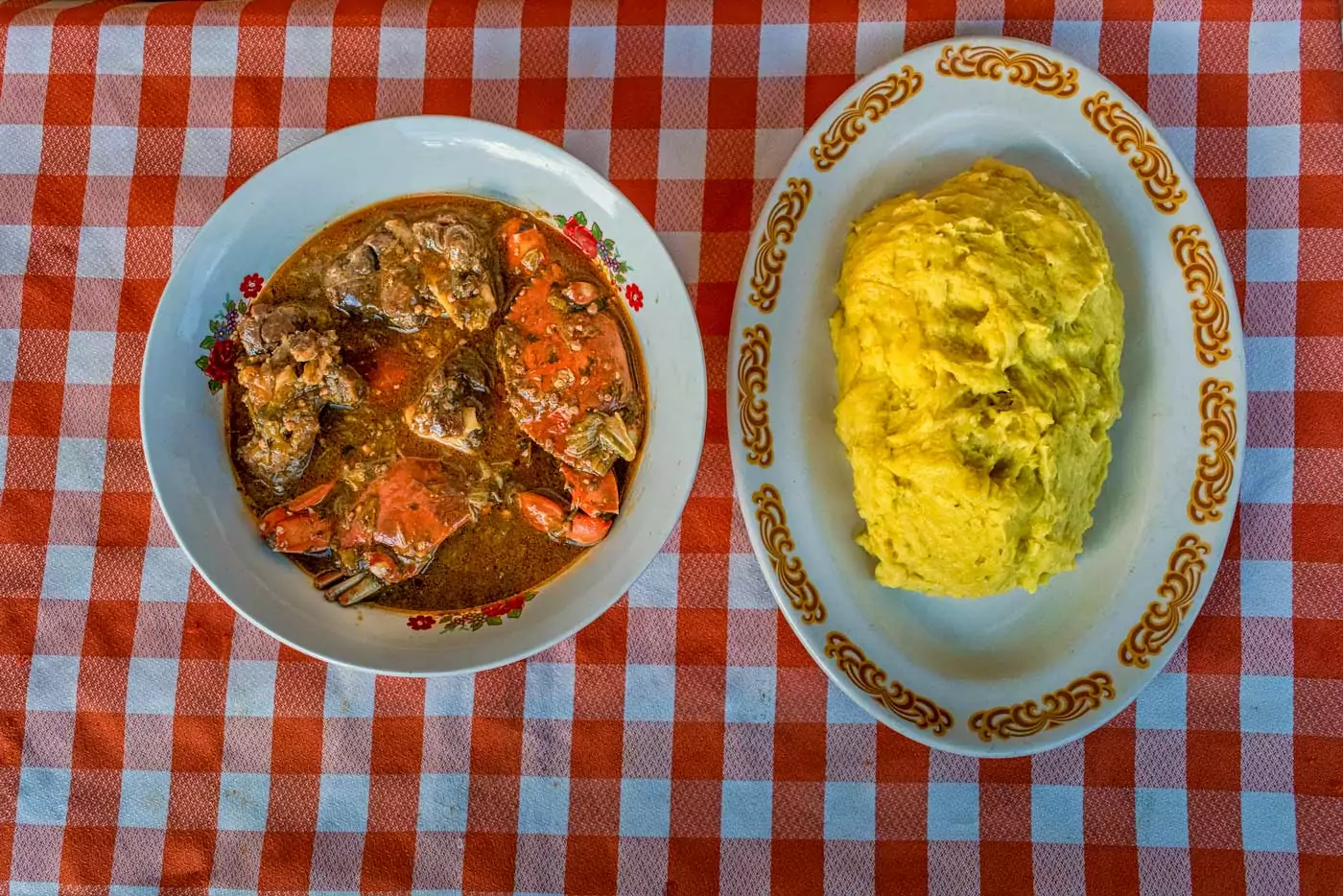
Haitian Tonmtonm: A Pounded Breadfruit Delight

Tonmtonm is a simple but delicious Haitian dish. Breadfruit, a staple food in Haiti, is first boiled to release its flavor, then pounded by hand in a mortar and pestle, a step that requires strength and patience. This preparation process, often performed by several family members, represents a moment of sharing and passing on culinary traditions. Sometimes seasoned with pepper, garlic, or other light spices, Tonmtonm takes on a mild, subtle, and slightly spicy flavor.

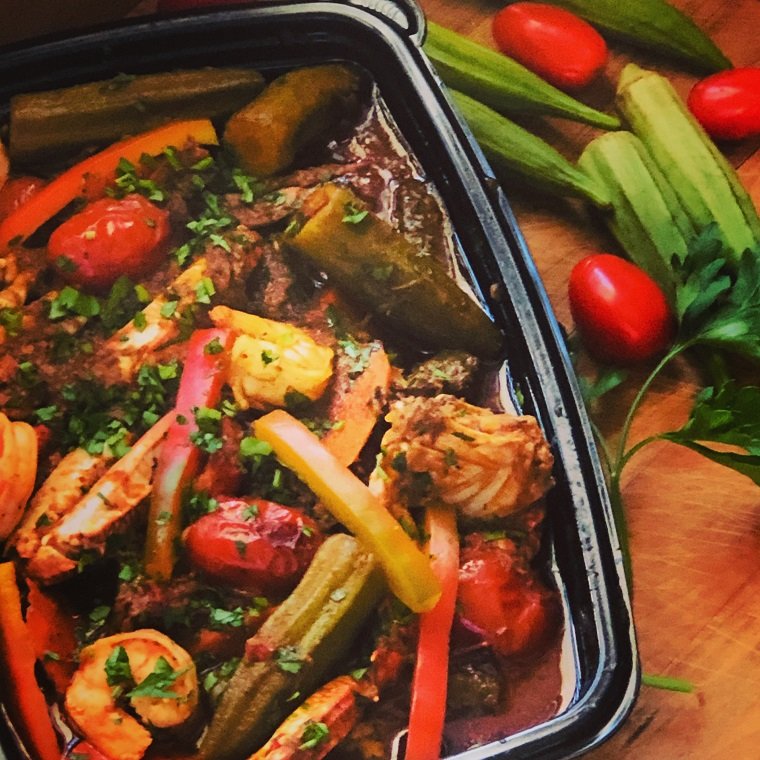
Its texture is firm but soft, creating a dense purée that pairs perfectly with a variety of dishes. Tonmtonm is often served with okra sauce (or Sòs kalalou), a slightly acidic and spicy sauce, which brings a richness of flavors and pairs harmoniously with the pounded breadfruit.

It is often accompanied by savory meats, such as beef or pork. Crabs can also be a traditional accompaniment, bringing a maritime touch and a delicious contrast to the dense texture of Tonmtonm.

See as well

Foutou Africain
Foutou Africain
Foutou Africain

African Foutou: A Pounded Plantain Tradition

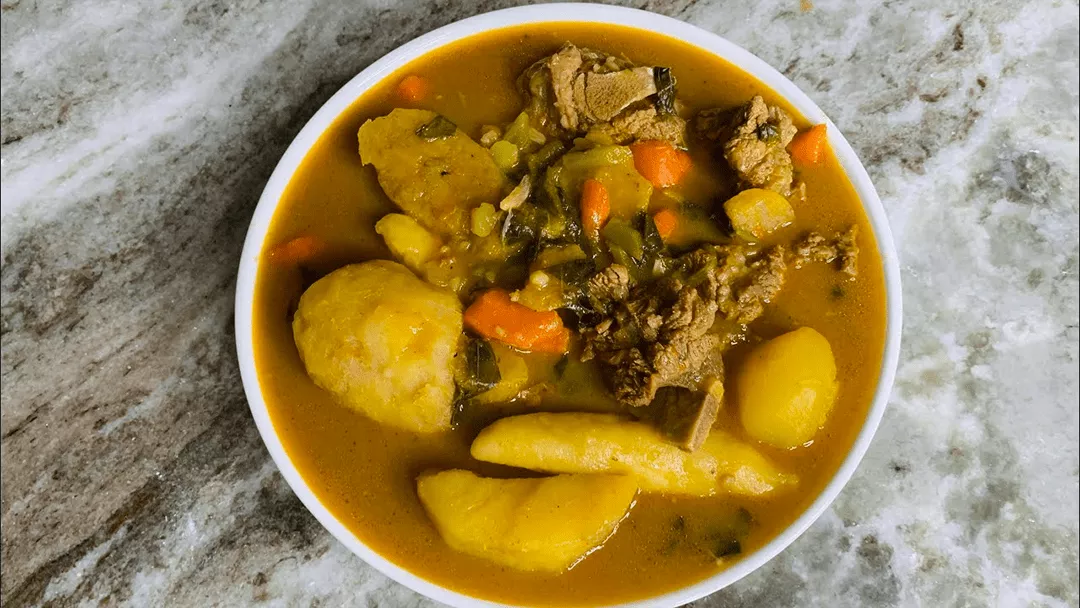
Foutou, or Fufu, is an iconic dish in African cuisine, particularly popular in Côte d’IVoire. It is prepared from plantain, which can be used ripe or unripe, and cassava boiled together and then pounded to a smooth, elastic consistency. The pounding process gives Foutou a chewy texture that pairs perfectly with the rich sauces of African cuisine.

Foutou is often served with spicy sauces such as sauce graine (a palm nut-based sauce), or other meat and vegetable sauces, and is commonly eaten in the central and eastern regions of Côte d’IVoire. This dish is an essential accompaniment to many meals, providing a neutral but nourishing base for the sauces and meats that accompany it.

Tonmtonm Haïti
Tonmtonm Haïti
Tonmtonm Haïti

Differences Between Haitian Tonmtonm and African Foutou

Although Haitian Tonmtonm and African Foutou have similarities, such as using local products and adding a creamy or elastic texture, they have some marked differences:

1. Main Ingredients:

- Haitian Tonmtonm: It is mainly made from boiled breadfruit, a staple food in Haiti, which gives it a firmer texture and a mild, slightly sweet flavor.
- African Foutou: It is mainly made from plantain and cassava, which gives it a chewier texture and a slightly sweet but also denser flavor, especially when made with ripe plantains.

2. Preparation method:

- Tonmtonm is boiled and pounded in a mortar and pestle, which gives it a more consistent and slightly grainy texture.
- Foutou, on the other hand, requires mixing boiled plantain and cassava, before pounding them until a smooth and elastic paste is obtained.

Haïti : Boukanye
Haïti : Boukanye

Boukanye

In the picturesque landscape of Cap Haïtien, stands a place that embodies the very essence of Haitian art and cuisine: Boukanye. This pirate house, founded in July 2016, has quickly become a must-see gem among area restaurants, attracting visitors from around the world for its rustic atmosphere and innovative menu. Located on the boulevard, Boukanye is much more than just a restaurant; it’s an experience in its own right. As soon as you walk through its doors, you are greeted by decor that celebrates local craftsmanship and the history of the pirates who once sailed these waters. Walls adorned with vibrant paintings and sculptures demonstrate the venue’s commitment to Haitian art, creating a warm and authentic ambiance. But Boukanye is not content to seduce with its aesthetic; its cuisine is just as captivating. Inspired by local flavors, the restaurant offers an inventive fusion of traditional Haitian dishes and contemporary culinary techniques. Whether for breakfast, lunch or dinner, Boukanye’s menu offers a tantalizing variety of seasonal dishes, accompanied by exquisite cocktails that celebrate local ingredients. What also sets Boukanye apart is his commitment to innovation. By launching a virtual tour accessible via smartphone or virtual reality headset, the restaurant has pushed the boundaries of the culinary experience. Thanks to this immersive technology, visitors from around the world can now explore the charms of Boukanye from home, immersing themselves in its captivating atmosphere and discovering its unique culinary delights. https://haitiwonderland.com/haiti-virtual-reality-ht/bar--restaurant/haiti--boukanye--visite-virtuelle/7 Whether you are a resident of Cap Haïtien or a traveler eager for authentic experiences, Boukanye offers an unforgettable getaway into the very heart of Haitian culture. By combining art, cuisine and innovation, this restaurant perfectly embodies the vibrant and dynamic spirit of Haiti, inviting everyone to embark on an unparalleled sensory journey.

3. Accompaniments:

- Tonmtonm is often served with okra sauce (sòs kalalou), a spicy sauce that gives it depth and a slightly acidic taste.
- Foutou is usually accompanied by palm nut-based sauces such as seed sauce, or other sauces rich in meat or vegetables, thus bringing a different depth of flavor.

4. Regions of consumption:

- Haitian Tonmtonm is a dish rooted in Haitian culture, enjoyed throughout the island, especially during celebrations and family gatherings.
- Foutou is widely consumed in West Africa, particularly in Côte d’IVoire, and is also a dish of choice in other African countries, where it is often associated with festive meals.

Foutou Africain
Foutou Africain
Foutou Africain

Haitian and African Cuisine: A Fusion of Flavors

Haitian and African cuisine have deep roots that connect them through the history of the African diaspora. Dishes like Tonmtonm and Foutou are a testament to the ingenuity of African and Haitian peoples in using local produce and creating dishes that are both nourishing and flavorful.

Both cuisines share a rich palette of spices and flavors, with African, European, and indigenous influences. Spicy sauces, grilled meats, and breadfruit or plantains are recurring elements that give these cuisines an authenticity and richness that is unmatched.

Haitian Tonmtonm and African Foutou are two delicious dishes that exemplify the diversity of Haitian and African cuisines. While they differ in ingredients, preparation, and accompaniments, these dishes offer an exceptional culinary experience that celebrates the history, culture, and generosity of the people who created them. Whether you are a fan of Haitian or African cuisine, these dishes deserve to be savored for their richness and unique character.

Share
About the Author
Appolon Guy Alain
Appolon Guy Alain
Appolon Guy Alain

Full Stack Developer, Créatif, expérimenté, passionné des nouvelles technologies et de l’art.

See other articles from Appolon Guy Alain
Leave a comment

Recently Posted

The literary and philosophical club of Galette-Chambon reveals its second edition: a journey to the heart of books

In an atmosphere of madness, at the Auditorium Saint Jean Marie Vianney de Galette-Chambon, where the laughs broke out, the music resounded, and the talents were dismented, started the second edition of the reading competition, around the theme "Ann Li pou n chanje peyi n ». This initiative, organized by the literary and philosophical club of Galette Chambon (CLPGACH) on Friday 06 October 2024, was marked by an overflowing passion within the public. The spectators came for several reasons: to support the applicants and live their presentations. The works, as "thus spoke of the uncle", "the vocation of the elite" of Jean Price Mars, "the ten black men" of Etzer vilary and "the courage to live in Haïti in the 21st century" of Hérold Toussaint, present innovative arguments linked to the societal context. They intertwine with folklore, Haitian culture, sociology and anthropology. These books are given to the applicants for a period of 15 days. Back, they come with their summaries and, after each presentation, in turn, reveal new perspectives on burning questions and delicate themes from works, while taking into account the concepts learned in public speaking. In this arena where the verve and the verb clash as well as logic, conviction, precision and clarity, it is a question of "saying all in a few words". The judgments are based on three criteria: the methodology concerning the substance and the form of the work; The eloquence which concerns verbal and non -verbal discourse (micro management, good pronunciation, etc.); And finally, an essential criterion: understanding. This is to assess whether the applicant has controlled the work. Questions can be asked without ignoring the context in which he lives. In addition, assistants have the opportunity to vote for the applicant who charmed them the most. This vote is precious at a higher level. Note that this vote can be made not only face -to -face but also online on our Facebook page CLPGACH. In addition, the public has always changed well through this trip to the universe of regional authors. The latter weave the frame and make vital the very repertoire of the competition vital, made up of impactful works such as "the price of irresponsibility" of Montuma Murat, "the return to citizen responsibility" written by Jean Jacquesson Thelucier and "Courage to live in Haïti in the 21st century "Professor Hérold Toussaint, to name a few. Although they died, some writers still live at the heart of our situation through their inheritance. Among them, it is necessary to quote: "the vocation of the elite" of Doctor Jean Price Mars, "the ten black men" of Etzer Villaire and "the Governor of the dew" by Jacques Roumain, as well as so many others . For this literary event to be moving and meets expectations for this second edition, many sacrifices are necessary on the part of the staff as well as the public which never leaves us alone. In this sense, we would like to thank them and call all those wishing to support this event. Indeed, if this competition is a solution found to advance together towards a common goal, its success depends on everyone’s commitment. About two years ago, the security climate in the area was not conducive to the completion of the competition. Although it is not yet ideal today, it is time to triumph over obscurantism and fight the dictatorship of ambient ignorance.

Newsletter

Subscribe to our newsletter to stay informed of all our activities and news on Haiti.

Recently Posted

History

History

First black nation to free itself from slavery and gain independence from France in 1804 and influenced other liberation movements around the world, inspiring struggles for freedom and equality.

Natural beauty

Natural beauty

Haïti is blessed with spectacular natural landscapes, including white sand beaches, mountains and rich biodiversity.

Heritage

Heritage

Haïti has a rich historical heritage, including sites like the Citadelle Laferrière and the Sans-Souci Palace, listed as UNESCO World Heritage Sites.

Culture

Culture

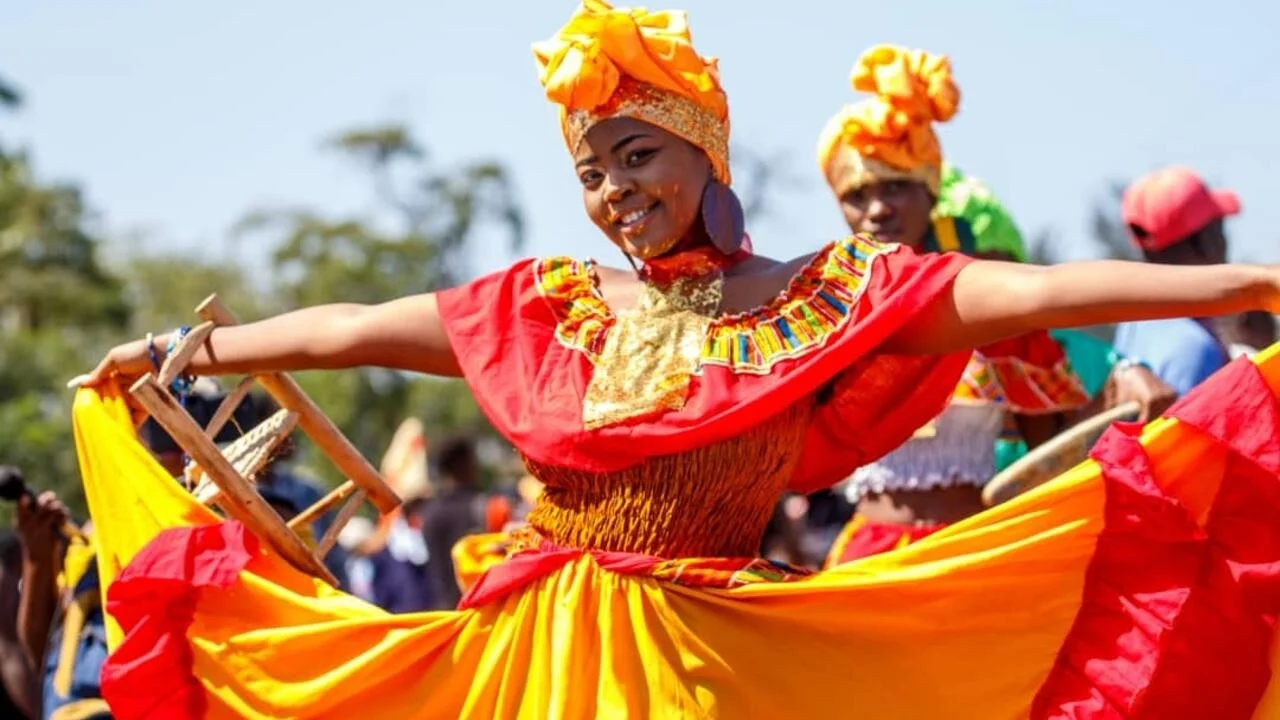
Haïti has a rich and diverse culture, influenced by African, European and indigenous elements. Haitian music, dance, art and cuisine are celebrated around the world.

  • +
    • Post