contact@haitiwonderland.com+509 36184317

Discover

Shopping Cart

7 Reasons Haïti is Proud

7 Reasons Haïti is Proud

Haiti, the jewel of the Caribbean, is a land rich in history, culture and natural beauty. Despite the challenges it has faced, this country remains a model of resilience and heritage for the entire world. Here are 7 major reasons Haïti is proud, with references and key figures that highlight its riches.

Haïti
Haïti
Haïti

A Revolutionary and Inspiring History

Haïti is the first independent black country in the world and the first republic to abolish slavery, in 1804. This historic feat not only marked the Americas but also inspired emancipation movements across the globe.

- The Haitian Revolution lasted from 1791 to 1804 and mobilized legendary figures such as Toussaint Louverture, Jean-Jacques Dessalines and Henri Christophe. - The country welcomed Simon Bolivar, helping to finance his campaigns to liberate Latin America.
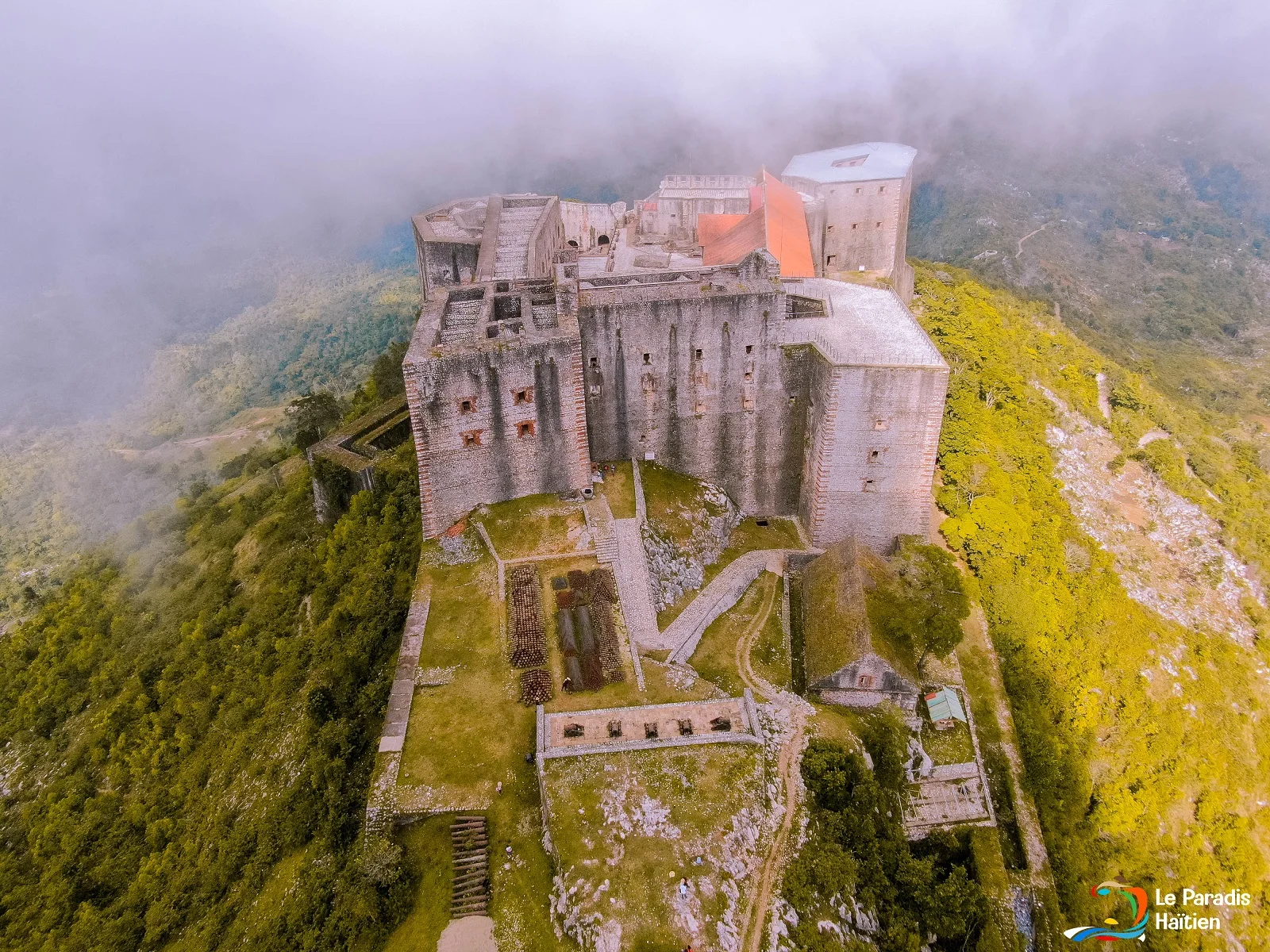
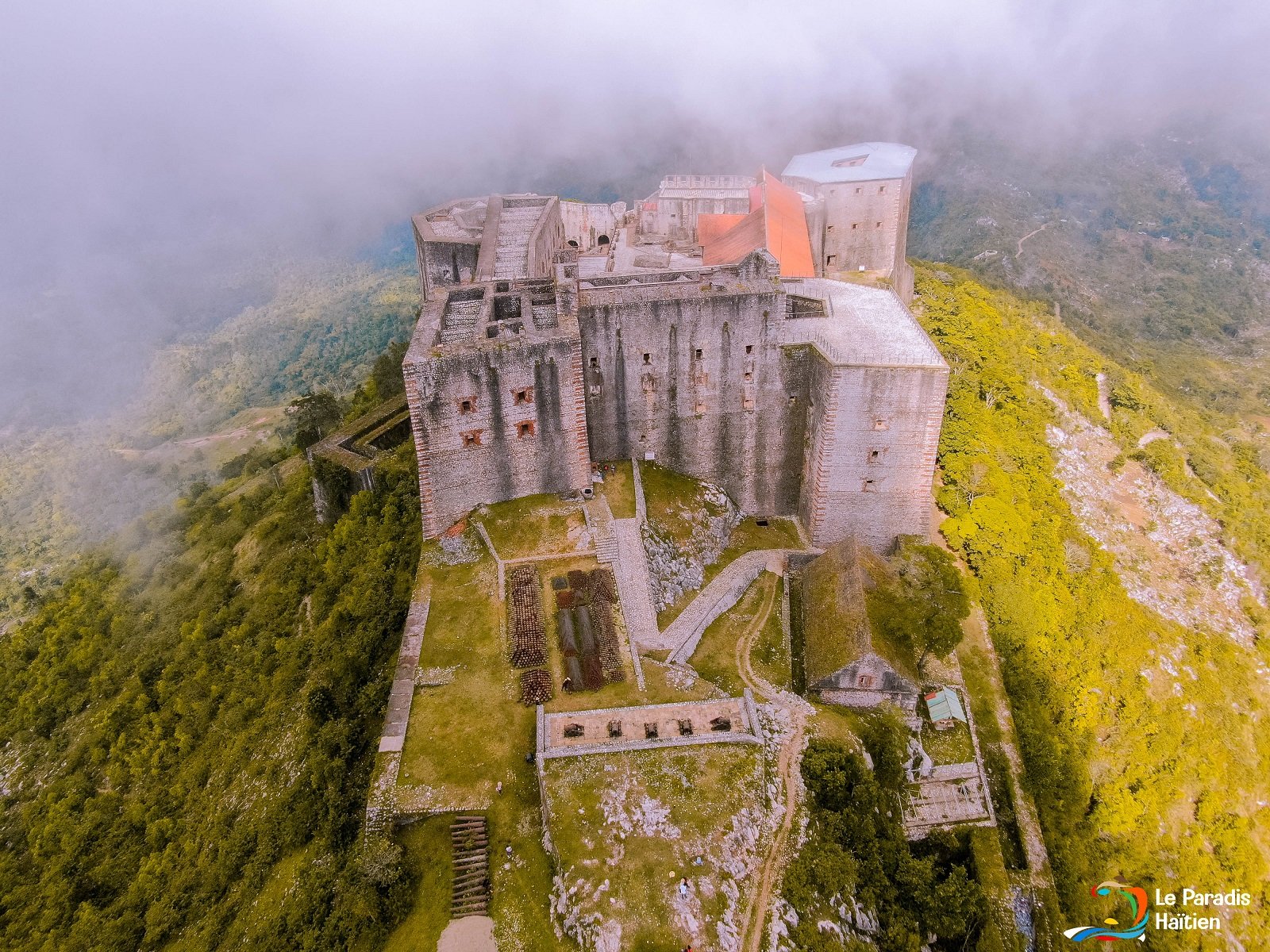
- Today, historic sites like the Citadelle Laferrière, dubbed the "eighth wonder of the world," attract thousands of visitors each year.

This history, written into Haiti’s DNA, is a source of pride and international respect.

Haïti
Haïti
Haïti

A Unique and Universal Culture

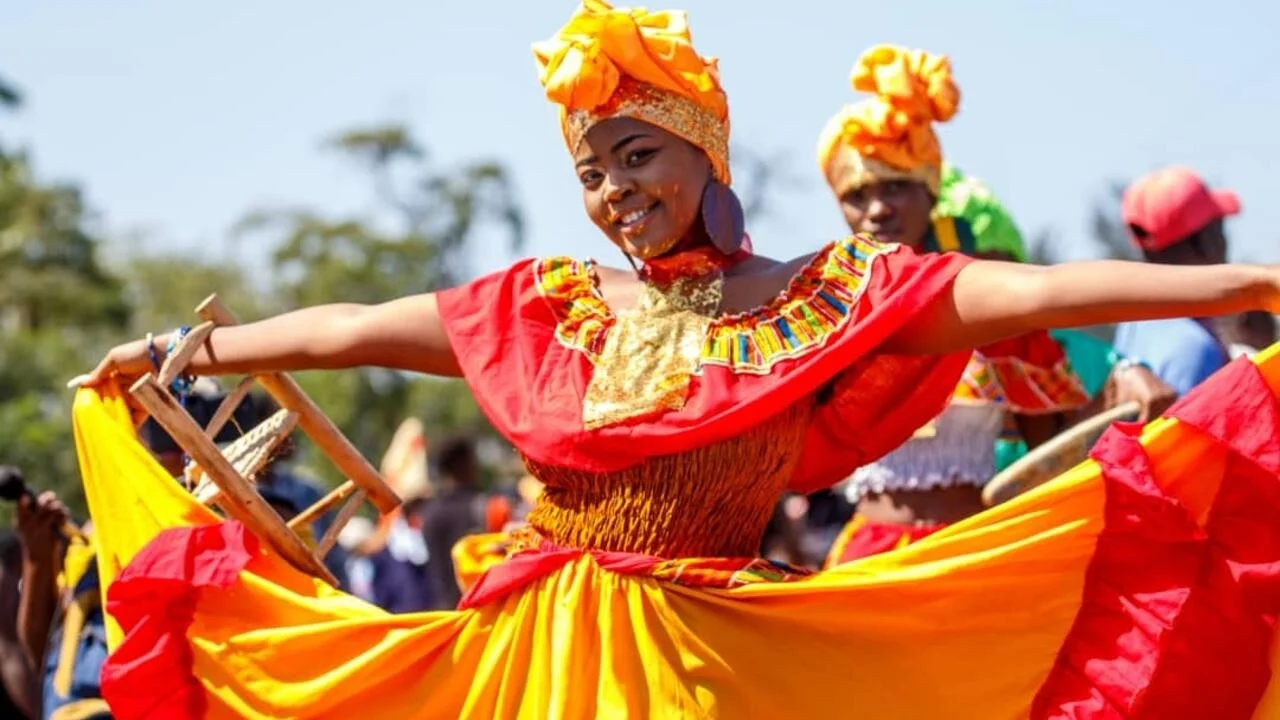
Haitian culture, a blend of African, European and indigenous influences, is vibrant and universal. It is manifested in:

- Literature: Haïti has given the world renowned writers like Jacques Roumain (Gouverneurs de la Rosée) and Edwidge Danticat (Krik? Krak!).
- Music: Genres such as compas, created by Nemours Jean-Baptiste in 1955, have influenced Caribbean music.
- Visual arts: The country is renowned for its naive art, whose works by painters such as Hector Hyppolite are exhibited in prestigious museums such as the MoMA in New York.

Every year, festivals such as Carnival or the Haitian Culture Days highlight this cultural wealth.

Haïti
Haïti
Haïti

A Tasty and Recognized Gastronomy

Haitian cuisine is a culinary treasure. Its flavors, resulting from a mixture of African, French, Spanish and indigenous influences, are unique.

- Emblematic dishes such as griot (fried pork) and national rice (rice with red peas) are essential.
- Desserts such as dous makòs or potato bread delight the taste buds.
- The traditional drink crémas, prepared with condensed milk, nutmeg and rum, is a symbol of Haitian celebrations.

According to a report by the World Tourism Organization, visitors often cite Haitian gastronomy as one of the highlights of their stay.

Haïti
Haïti
Haïti

A Breathtaking Natural Heritage

Haïti is a dream destination for nature lovers. The country is home to:

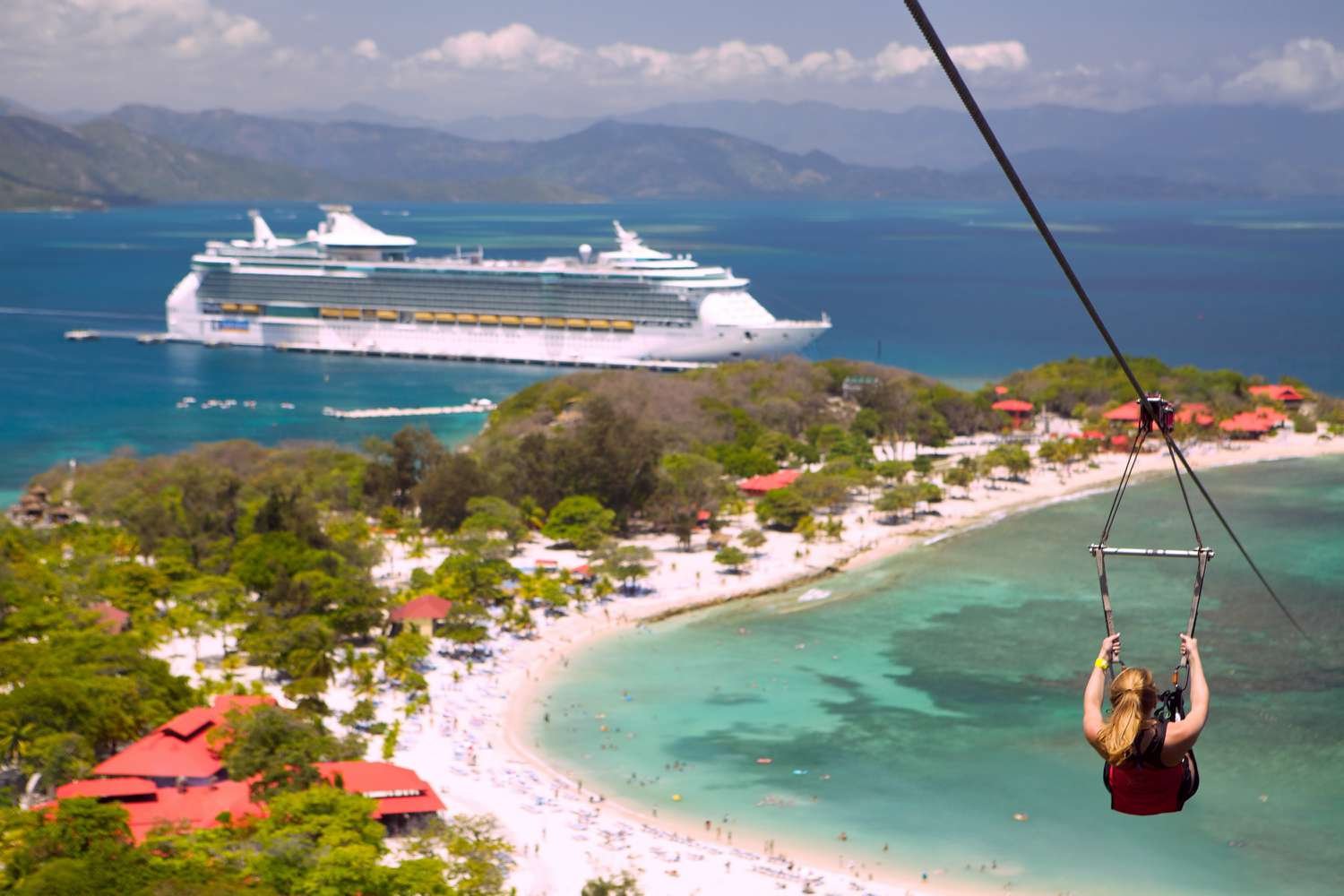
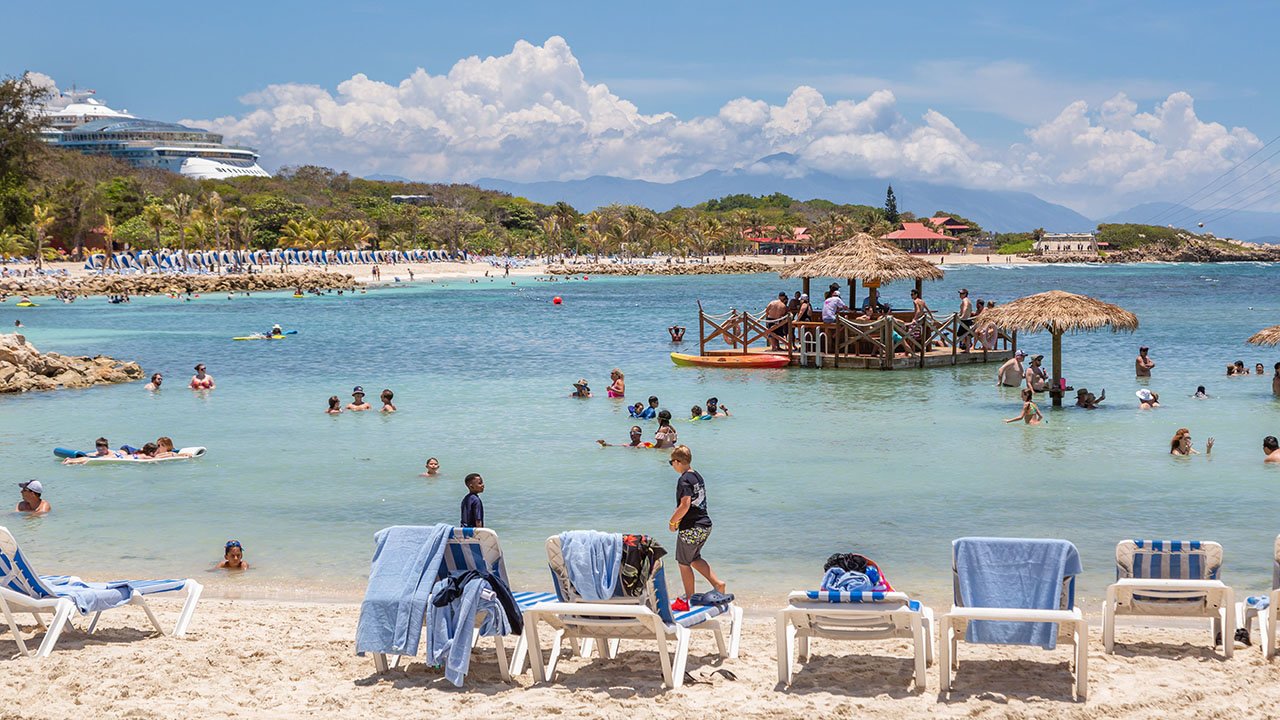
- More than 1,500 kilometers of coastline, with heavenly beaches like Labadie and Île-à-Rat.
- Majestic mountains, including Pic Macaya peaking at 2,347 meters.
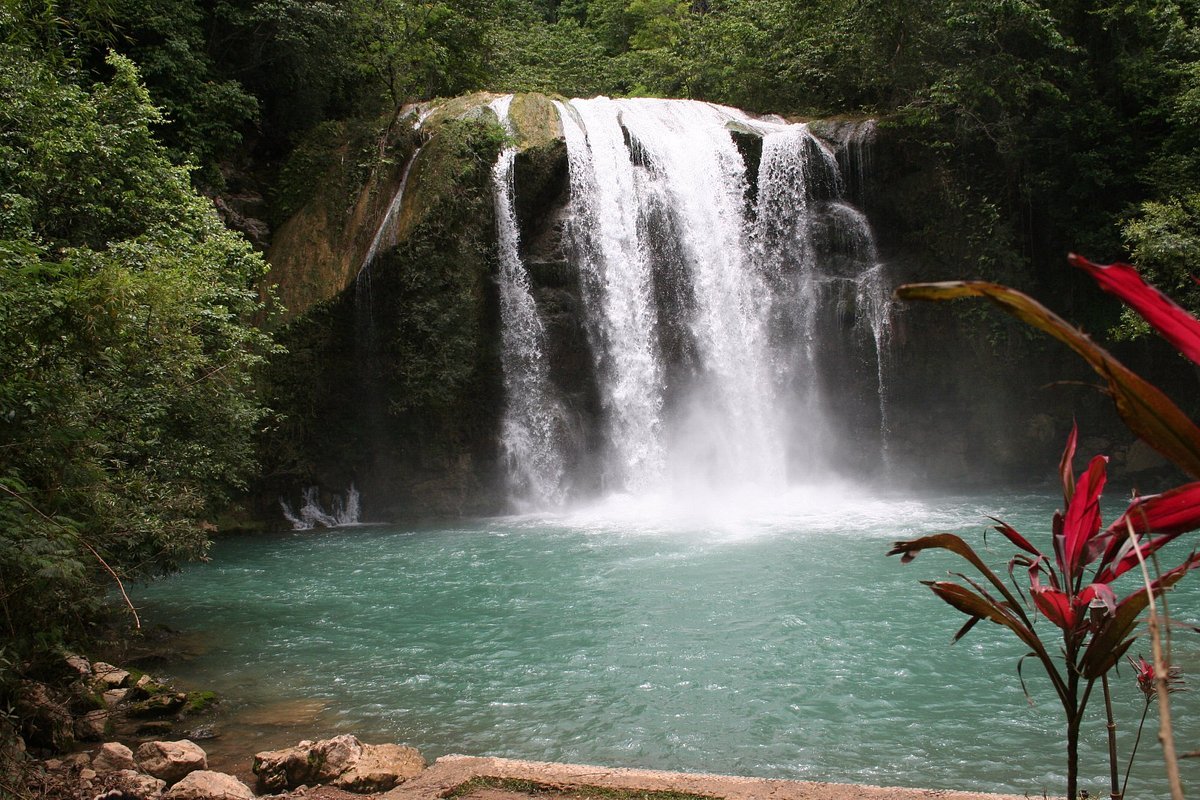
- Spectacular waterfalls like Saut-d’Eau, a place of spiritual and tourist pilgrimage.

The country’s tropical climate, with average temperatures of 25°C, makes it an ideal destination all year round.

Haïti
Haïti
Haïti

A Deep and Grounded Spirituality

Haïti is often considered the birthplace of Voodoo, a religion that celebrates the connection between humans, nature, and spirits.

- Voodoo, practiced by approximately 60% of Haitians, is often associated with spectacular ceremonies and haunting chants.
- Christianity, particularly Catholicism and Protestantism, is also widespread, with religious holidays such as Christmas and Corpus Christi that bring communities together.

This diverse spirituality is a force that unites and sustains the Haitian people.

Haïti
Haïti
Haïti

An Exemplary Resilience

Haitians have always demonstrated extraordinary resilience in the face of challenges. Whether it was after the devastating earthquake of 2010 or the hurricanes that have struck the country, the Haitian people have shown a remarkable ability to bounce back.

- More than 1.5 million people were displaced after the 2010 earthquake, but local and international initiatives have helped rebuild much of the infrastructure.
- The national motto, "Unity is strength," reflects this spirit of solidarity and cooperation.

Haïti
Haïti
Haïti

An Inspiring Global Contribution

Haïti has a global influence that extends beyond its borders:

- In 2010, Haïti hosted the World Summit on Arts and Culture, showcasing its artistic talents.
- The Haitian diaspora, more than 4 million strong, actively contributes to fields such as medicine, engineering and the arts around the world.

Haïti
Haïti
Haïti

Haiti, a Source of Inestimable Pride

These 7 reasons demonstrate that Haïti is much more than the challenges it has faced. It is a country of wealth, resilience, and promise. Share in the comments your own reasons for pride in Haïti and help celebrate this exceptional nation.

Share
About the Author
Appolon Guy Alain
Appolon Guy Alain
Appolon Guy Alain

Full Stack Developer, Créatif, expérimenté, passionné des nouvelles technologies et de l’art.

See other articles from Appolon Guy Alain
Leave a comment

Recently Posted

Newsletter

Subscribe to our newsletter to stay informed of all our activities and news on Haiti.

Haiti: Fort Liberté, a Historical and Cultural Jewel

Nestled on the northeast coast of Haiti, between the green mountains and the azure waters of the Atlantic Ocean, lies a small town with undeniable charm: Fort Liberté. This historical and cultural gem is full of fascinating stories, picturesque landscapes and cultural richness that captivate visitors from around the world. A Historical Heritage Fort Liberté owes its name to the old fortress which overlooks the city, a vestige of the French colonial era. Built in the 18th century to protect the region from foreign invasions, this fort offers stunning panoramic views of the surrounding area, testifying to its strategic importance at the time. Today, it serves as a major tourist attraction, offering visitors a captivating insight into Haiti’s turbulent history. Culture and Traditions The cultural richness of Fort Liberté is reflected in its vibrant traditions, captivating music and local crafts. The city’s residents are renowned for their warm hospitality and pride in their heritage. Visitors can immerse themselves in the local culture by experiencing authentic Creole cuisine, watching traditional dance performances, or exploring bustling markets where a variety of handmade crafts can be found, such as wood carvings and vivid paintings. Natural beauty The surroundings of Fort Liberté are full of breathtaking natural treasures. The white sand beaches lined with palm trees offer an idyllic setting to relax and soak up the tropical sun. Outdoor enthusiasts will also find what they are looking for in the surrounding mountains, where they can hike through lush nature and discover hidden waterfalls and breathtaking panoramas. Fort Liberté, with its captivating blend of history, culture and nature, is a must-visit destination for those wishing to experience the true essence of Haiti. Whether you explore the historical remains, immerse yourself in the daily lives of the locals or marvel at the natural beauty of the surrounding area, this small town offers an enriching and memorable experience for all those who have the chance to visit it.

Haïti et son Rôle Pionnier dans l’Abolition de l’Esclavage Mondial

For centuries, the institution of slavery has darkened human history, leaving behind a legacy of pain, oppression and the struggle for freedom. However, in this dark tale, one nation stands out for its courage and determination to break the chains of oppression: Haiti. Located in the Caribbean, Haïti played a pioneering role in the abolition of slavery, laying the foundation for the fight for freedom and equality around the world. The history of slavery in Haïti dates back to the arrival of Europeans on the island, which was then called Santo Domingo, in the 15th century. French colonists quickly established an economy based on sugar and coffee production, cruelly exploiting millions of African slaves deported to work on plantations. However, this brutal system engendered fierce resistance from slaves, whose fight for freedom ultimately led to one of the most significant revolutions in history. In 1791, under the leadership of iconic figures such as Toussaint Louverture, Jean-Jacques Dessalines and Henri Christophe, Haitian slaves rose up against their oppressors in an unprecedented rebellion. This revolt resulted in a war of independence that lasted more than a decade, but ultimately resulted in the proclamation of Haiti’s independence in 1804, making that country the first post-colonial nation ruled by people from slavery. The impact of the Haitian Revolution on the abolition of slavery worldwide cannot be overstated. By breaking the chains of oppression and proclaiming their independence, Haitians have sent a powerful message to all oppressed peoples around the world: freedom is possible, and it is worth the struggle. The example of Haïti inspired other movements for the abolition of slavery in the Americas and beyond, thus helping to shake the very foundations of the institution of slavery. Haiti’s participation in the fight against slavery was not limited to its territory; it also extended to external actions where Haitian men were sent or actively participated in movements for the abolition of slavery in other regions of the world. For example, Haitian President Alexandre Pétion supported Simón Bolívar, the leader of the South American revolution, by providing him with weapons, money and even men, which contributed to the liberation of several countries in America Latin of colonial domination. Haïti also provided support for independence movements in Central America. Haitian fighters, led by General Jean-Pierre Boyer, helped Venezuelan patriots fight against Spanish rule, contributing to the liberation of that region. The Haitian government financially and diplomatically supported movements for the abolition of slavery in countries such as Venezuela, Colombia and Mexico, contributing to the gradual eradication of this institution throughout the region. Although Haïti did not directly participate in the American Civil War, many Haitians and descendants of Haitians played crucial roles in the abolitionist movement in the United States. Figures who were of Haitian origin or of Haitian ancestry, were important voices in the fight against slavery and for equal rights in the United States. The legacy of the Haitian Revolution remains a symbol of resistance and courage for future generations. Today, as the world continues to struggle against injustice and oppression in various forms, Haiti’s history reminds us that the fight for freedom is a universal fight, one that transcends borders and times. Haiti’s participation in the abolition of slavery throughout the world remains a crucial chapter in the history of humanity. Through their courage and determination, Haitians have paved the way for a future where freedom and equality are inalienable rights for all.

Recently Posted

History

History

First black nation to free itself from slavery and gain independence from France in 1804 and influenced other liberation movements around the world, inspiring struggles for freedom and equality.

Natural beauty

Natural beauty

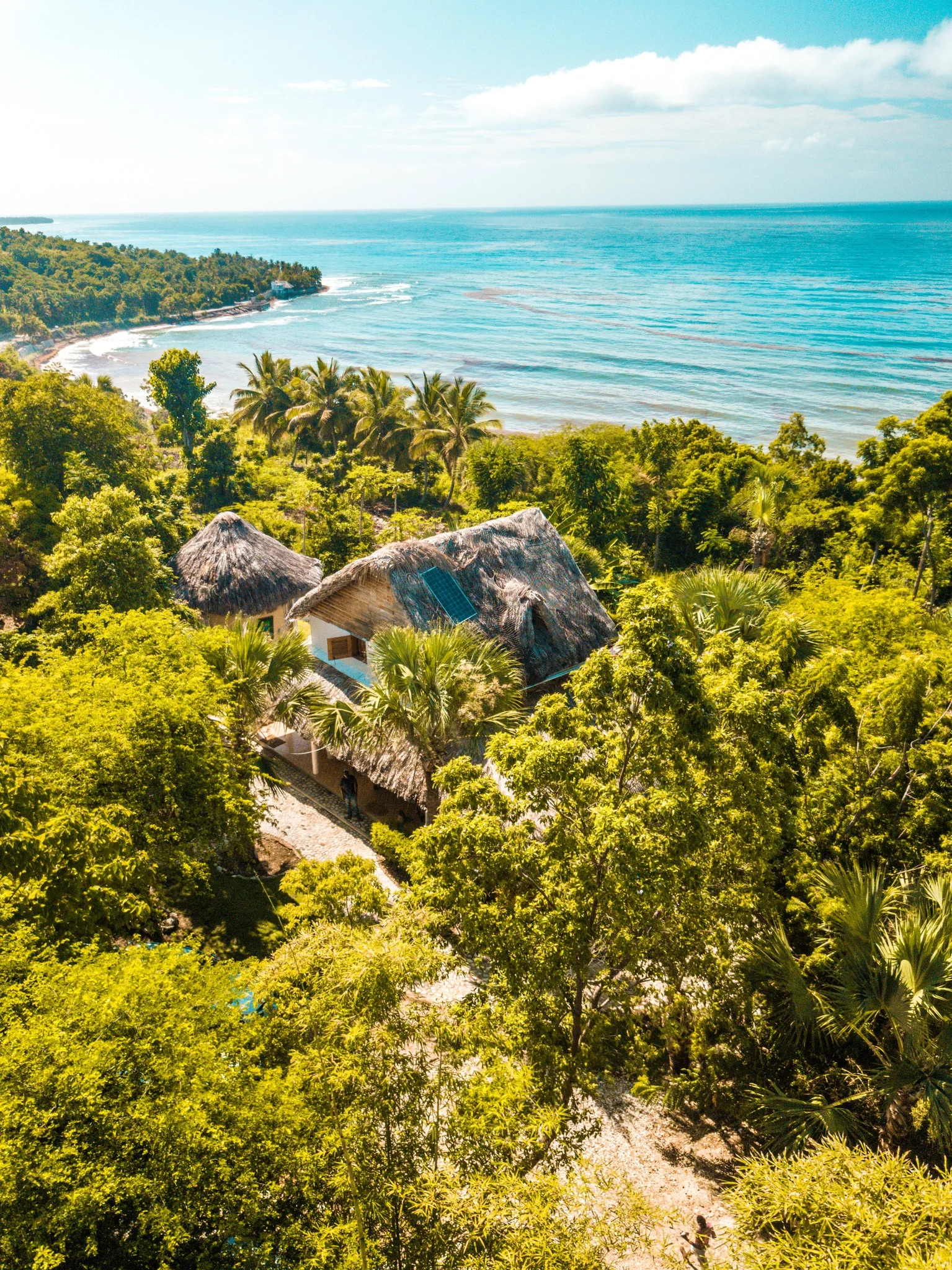
Haïti is blessed with spectacular natural landscapes, including white sand beaches, mountains and rich biodiversity.

Heritage

Heritage

Haïti has a rich historical heritage, including sites like the Citadelle Laferrière and the Sans-Souci Palace, listed as UNESCO World Heritage Sites.

Culture

Culture

Haïti has a rich and diverse culture, influenced by African, European and indigenous elements. Haitian music, dance, art and cuisine are celebrated around the world.

  • +
    • Post