Ingredients:
- 3 cups corn
- 6 cups water
- 2 tablespoons oil
- 1 tablespoon seasoning
- 2 cups cheddar cheese
- 1 cup parmesan cheese
- 2 tablespoons butter
- Diced onions
- Salt to taste
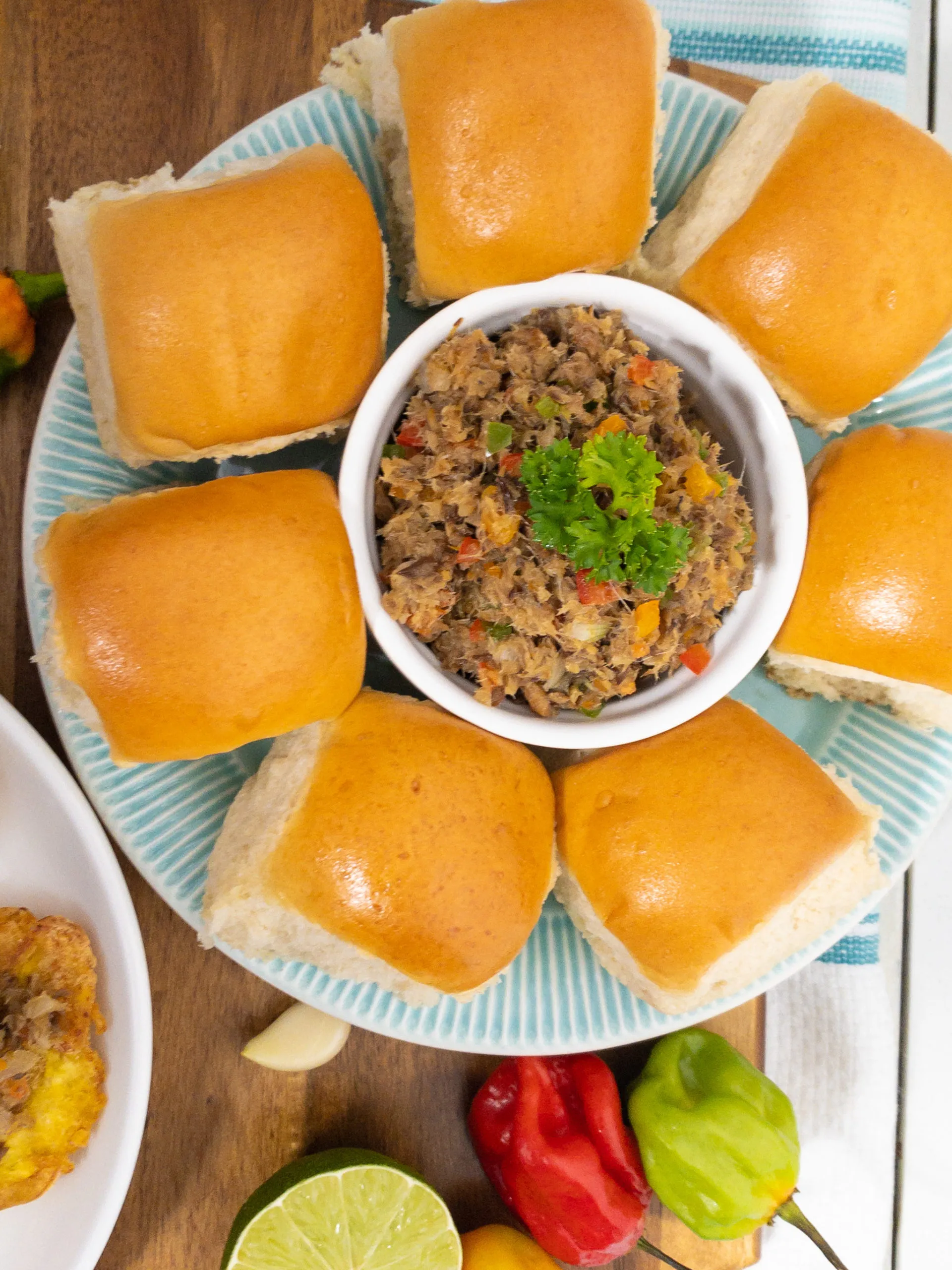
Readers and little chefs of Haïti Wonderland, I present to you on a golden platter the recipe for corn à la bonne femme. Take your time and share your creation in the comments!
Read the article in :
- 3 cups corn
- 6 cups water
- 2 tablespoons oil
- 1 tablespoon seasoning
- 2 cups cheddar cheese
- 1 cup parmesan cheese
- 2 tablespoons butter
- Diced onions
- Salt to taste

- 2 pounds ground beef
- 1 diced onion
- 1 cup diced bell peppers
- 1 tablespoon seasoning
- 1 cup tomato sauce
- 2 tablespoons olive oil
- 1 tablespoon lime juice
- Salt and pepper to taste

1. Season the ground beef. Brown in an oiled pan with the onion and peppers until cooked. Reduce into pieces and set aside.
2. In a saucepan, prepare a broth with the water, garlic, goat pepper, salt, pepper, thyme and oil. Bring to a boil.
3. Add the corn, tomatoes, onion and pepper. Cook until the water is absorbed, then reduce the heat and simmer.
For the final cooking, add 1 cup of cheddar cheese.

Facebook : https://www.facebook.com/haitiwonderland
Youtube : https://www.youtube.com/@haitiwonderland
Instagram : https://www.instagram.com/haitiwonderland/
Twitter : https://twitter.com/haitiwonderland
Linkedin : https://www.linkedin.com/in/haitiwonderland/
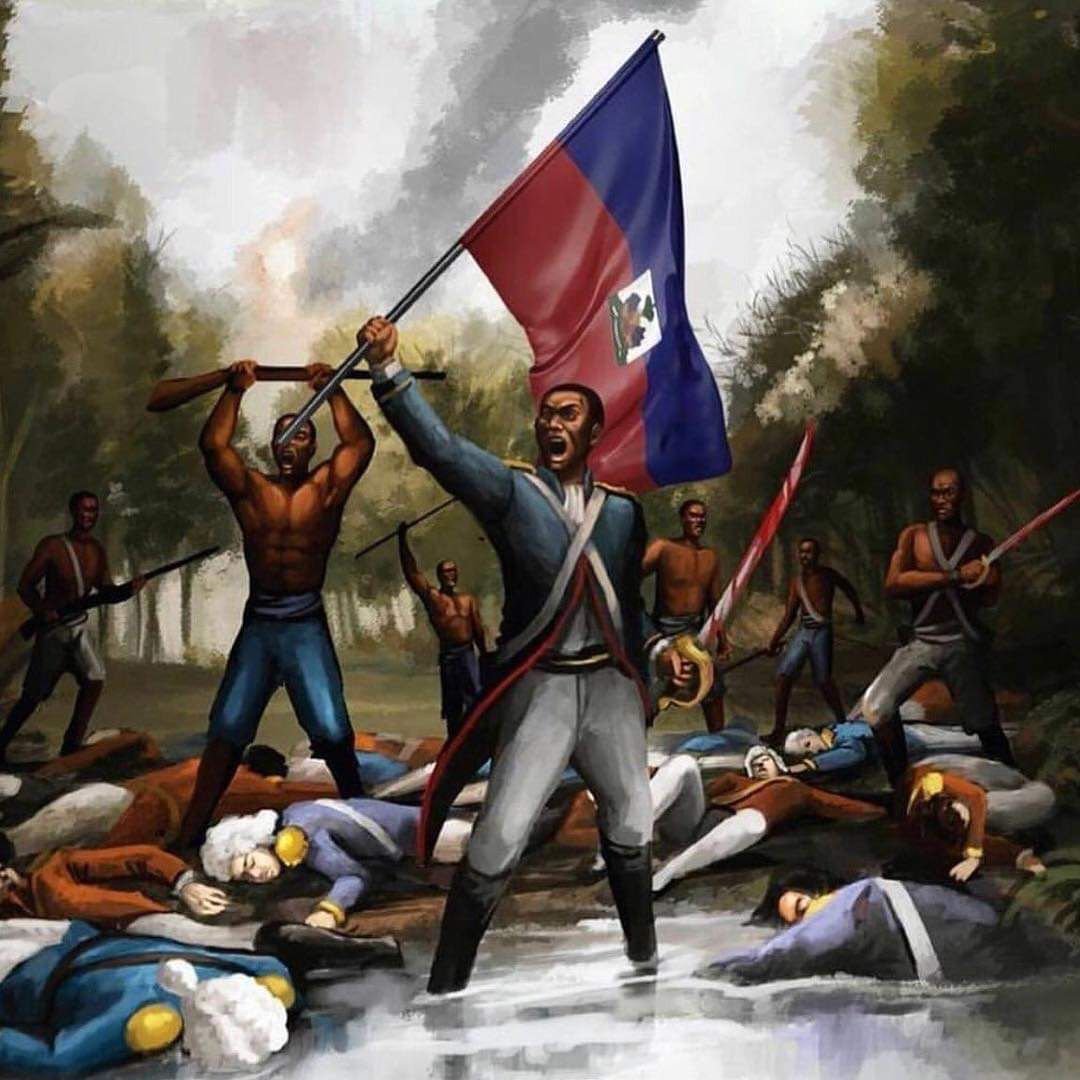
On January 1, 1804, a significant event in world history occurred: the proclamation of the independence of Haiti. On that day, Haïti became the first independent black country in the modern world, marking the end of more than a decade of bitter struggle against French colonial oppression and slavery.
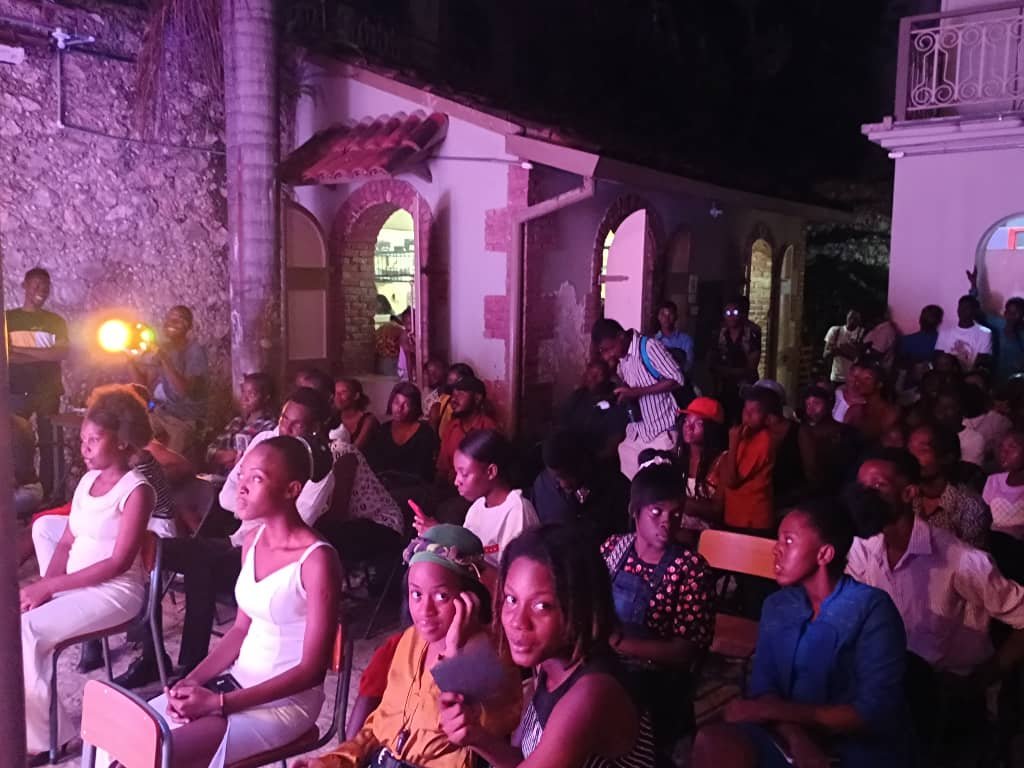
On March 23, 2024, in an atmosphere full of emotion and reflection, the Alliance française de Jacmel witnessed a unique cultural event of its kind. In collaboration with the Jacmel Jazz Festival, Plume en Quête presented a captivating show entitled “The Haitian woman is an asset”. Under the artistic direction of Jean Kenia, this captivating show drew on the provocative writings of the famous philosopher Simone de Beauvoir. Through striking artistic performances, the audience was transported on an introspective journey about the central role of women in Haitian society. The spectators, who came in large numbers to witness this event, were deeply touched by the evocative power of the show. “It was an incredible experience,” said one spectator. “This show captured the strength and resilience of Haitian women in a striking way.” Beyond its artistic aspect, this show also raised important questions about gender equality and women’s empowerment. By highlighting the essential contribution of Haitian women to society, he called for collective reflection on the need to promote social justice and gender equality. In short, this evening at the Alliance Française was much more than just entertainment: it was a vibrant testimony to the strength, resilience and beauty of Haitian women, as well as a call to action in favor of a fairer and more equitable future for all.
Subscribe to our newsletter to stay informed of all our activities and news on Haiti.
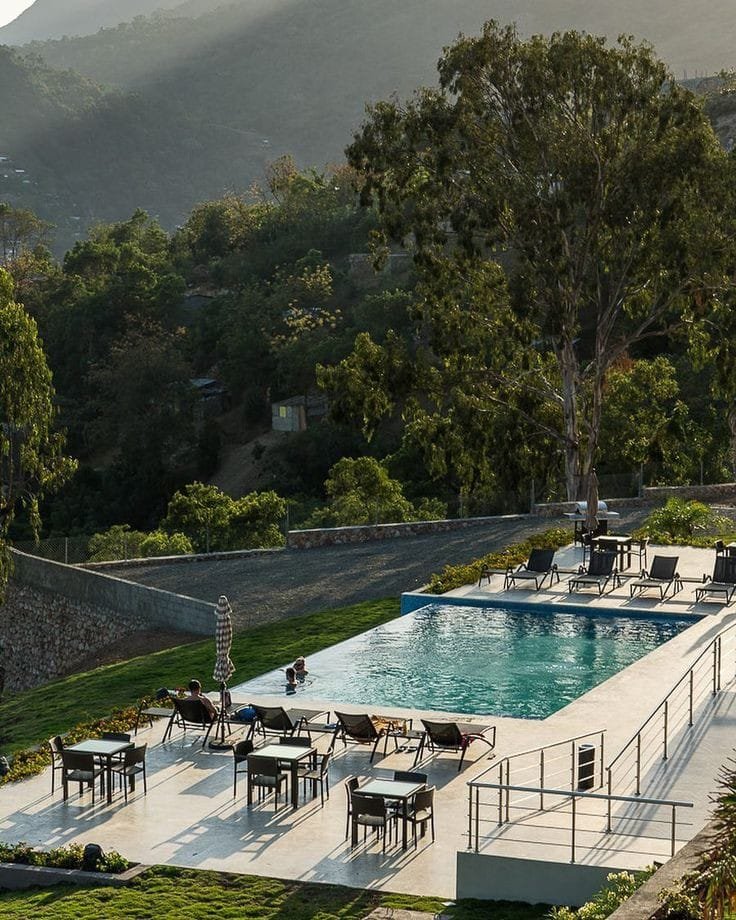
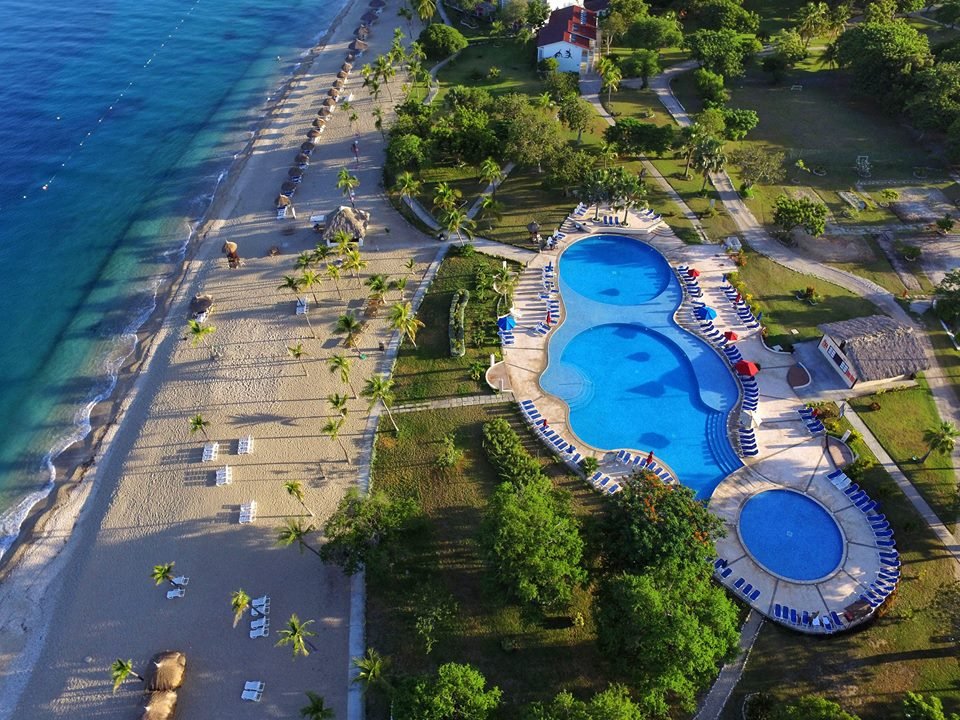
In Cap-Haïtien, a Caribbean pearl where history meets natural beauty, the Satama Hotel stands majestically, providing an unforgettable stay experience for discerning travelers. With its ideal location less than 5 kilometers from Labadie, this jewel of four-star hospitality is a haven of peace and comfort for visitors wishing to discover the cultural and natural wealth of the region. Nestled near the magnificent Notre-Dame-de-l’Assomption Cathedral in Cap-Haïtien, the Satama Hotel offers its guests 54 elegantly appointed rooms, offering breathtaking views of the Caribbean Sea. Whether for a business or leisure stay, each room is an enclave of comfort and sophistication, equipped with a flat-screen TV with satellite channels, a private safe and smoke detectors for complete peace of mind.
Haiti, often recognized for its rich history, vibrant culture and mountainous landscape, is also blessed with a stunning coastline lined with picturesque beaches. Haitian beach resorts offer a unique experience where white sand meets the crystal clear waters of the Caribbean Sea. These beach destinations are emerging as hidden gems, ready to be discovered by travelers hungry for sun and adventure. A Rich and Cultural History Haiti’s resorts don’t just offer breathtaking scenery; they are also steeped in rich history and culture. Visitors can explore historic sites such as the Citadelle Laferrière, a majestic fortress built in the early 19th century, or the Palais Sans-Souci, a former royal residence dating back to the colonial era. Additionally, Haitian music, dance and cuisine bring a lively and colorful touch to the seaside experience, giving visitors an authentic insight into local culture. Heavenly Beaches Haiti’s beaches are some of the most beautiful in the Caribbean, offering miles of pristine white sand bordered by sparkling turquoise waters. Destinations such as Jacmel, Labadee and Île-à-Vache offer tranquil retreats where visitors can relax in the tropical sun or indulge in a host of water activities, such as snorkeling, sailing and boating. kayak. Whether you’re looking for excitement or tranquility, Haiti’s beaches offer something for everyone. An Emerging Ecotourism Haïti is also becoming a popular destination for ecotourism enthusiasts. With its unique biodiversity and unspoilt landscapes, the country offers unique opportunities for bird watching, jungle hiking and discovering spectacular natural sites such as the Saut-d’Eau waterfalls and caves. Environmentally conscious travelers will find in Haïti a perfect balance between adventure and nature conservation. Haiti’s resorts offer much more than spectacular beaches. They offer immersion in a vibrant culture, fascinating history and preserved nature. By choosing to visit Haiti, travelers have the opportunity to discover a jewel of the Caribbean, while contributing to the economic development and well-being of this extraordinary country.
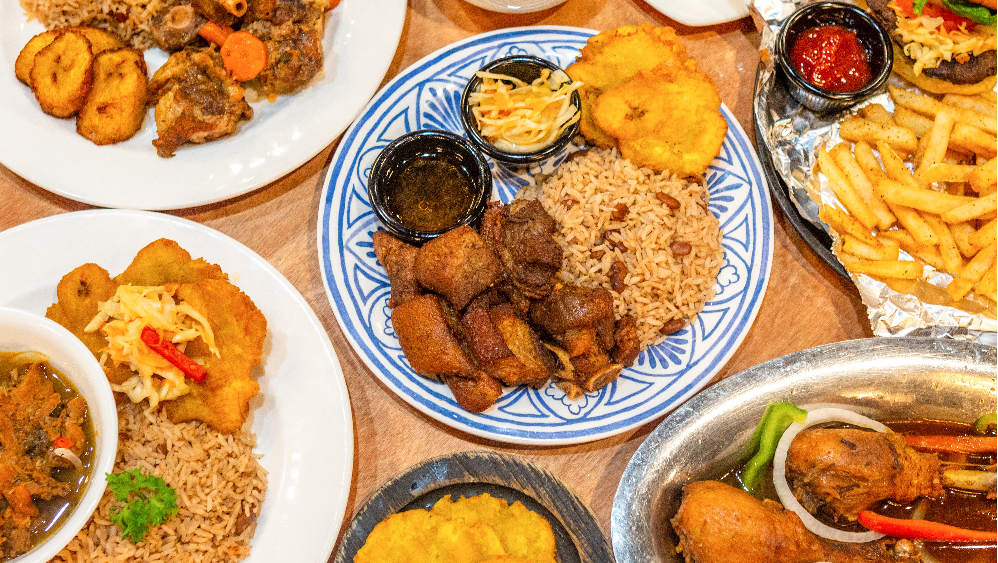
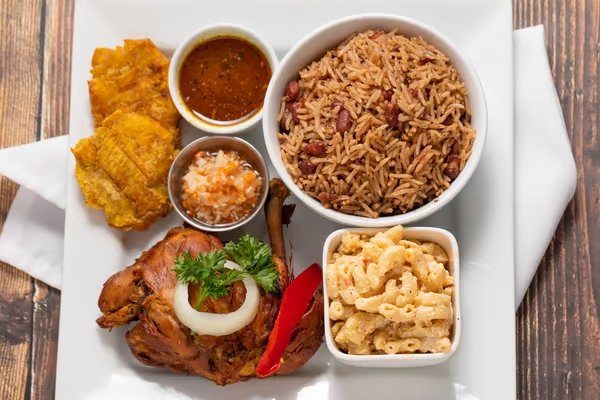
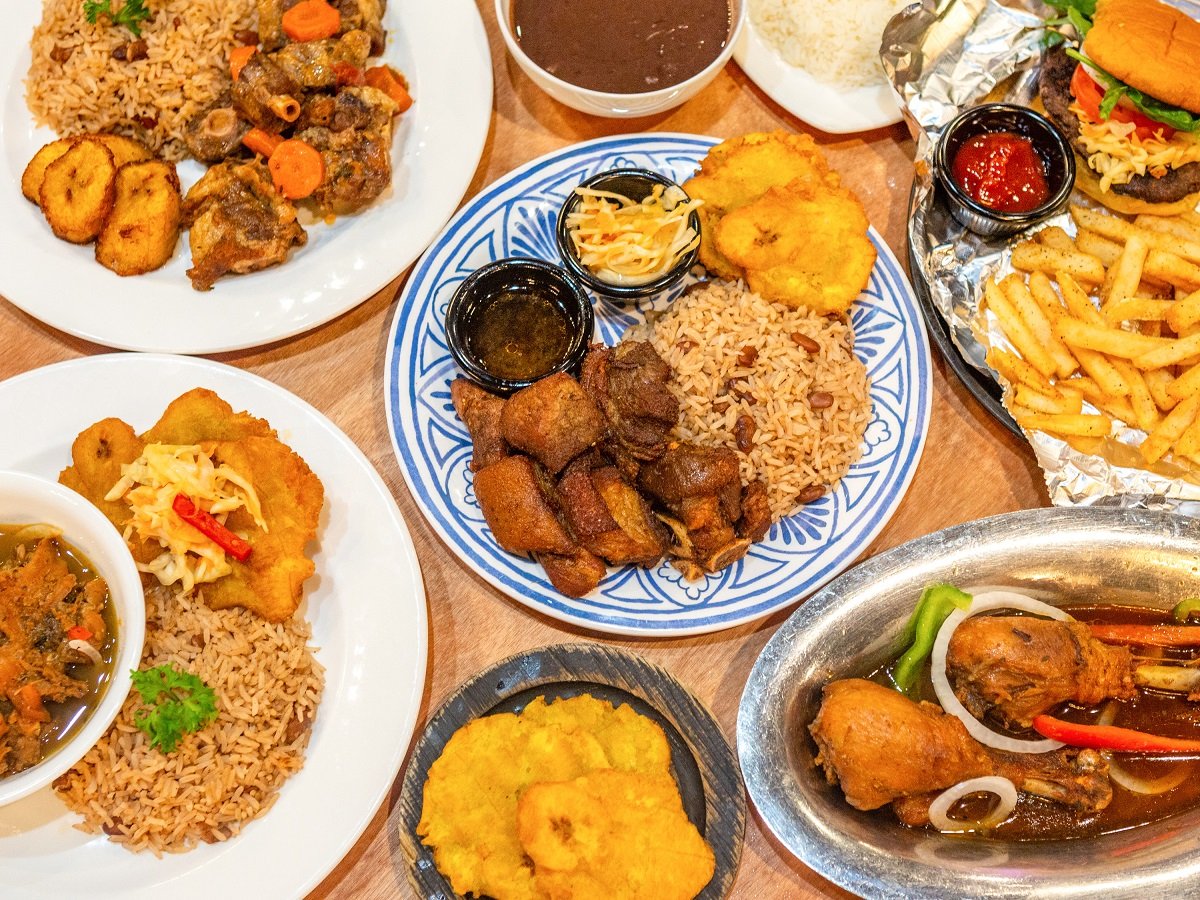
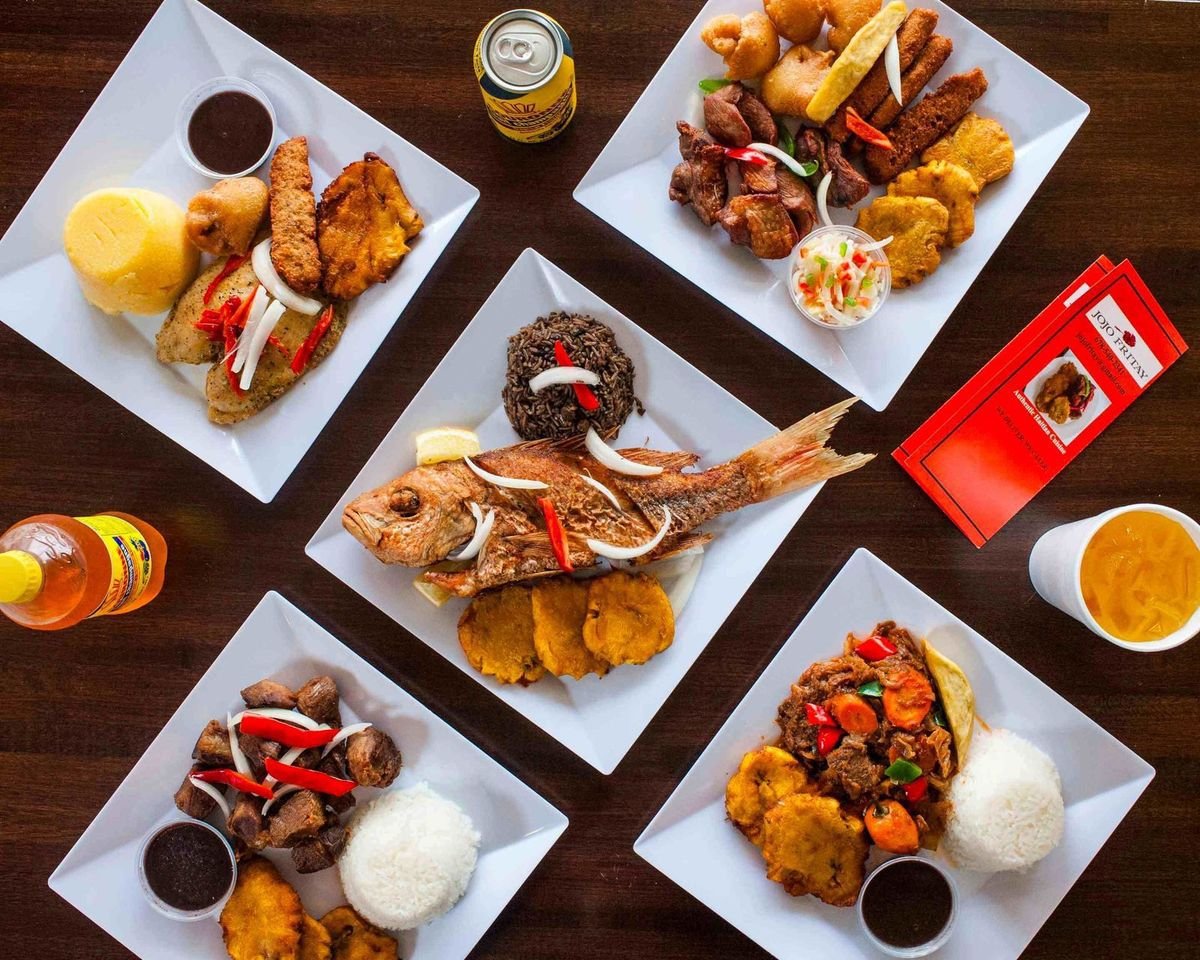
Haiti, pearl of the Caribbean, never ceases to amaze with its cultural richness, its captivating landscapes and, above all, its authentic cuisine. Each dish tells a story, a heritage passed down from generation to generation, where exotic flavors and culinary traditions blend to create an unforgettable experience. Here is a selection of the 25 best Haitian dishes in 2025, to be savored absolutely during your next visit to Haiti!

First black nation to free itself from slavery and gain independence from France in 1804 and influenced other liberation movements around the world, inspiring struggles for freedom and equality.

Haïti is blessed with spectacular natural landscapes, including white sand beaches, mountains and rich biodiversity.

Haïti has a rich historical heritage, including sites like the Citadelle Laferrière and the Sans-Souci Palace, listed as UNESCO World Heritage Sites.

Haïti has a rich and diverse culture, influenced by African, European and indigenous elements. Haitian music, dance, art and cuisine are celebrated around the world.