contact@haitiwonderland.com+509 36184317

Discover

Shopping Cart

Cap-Haïtien or Jacmel: Which is the tourist capital of Haiti?

Cap-Haïtien or Jacmel: Which is the tourist capital of Haiti?

Haïti is full of natural and cultural treasures, and two cities stand out as the country’s top tourist capitals: Cap-Haïtien in the north and Jacmel in the southeast. Each of these cities offers unique experiences, reflecting Haiti’s rich history, culture, and nature. Let’s explore why these two destinations are must-sees for any traveler.

Haïti
Haïti
Haïti

Cap-Haïtien: The Historical and Cultural Capital

Nicknamed "The City of 365 Doors," Cap-Haïtien is a city steeped in history and colonial charm.

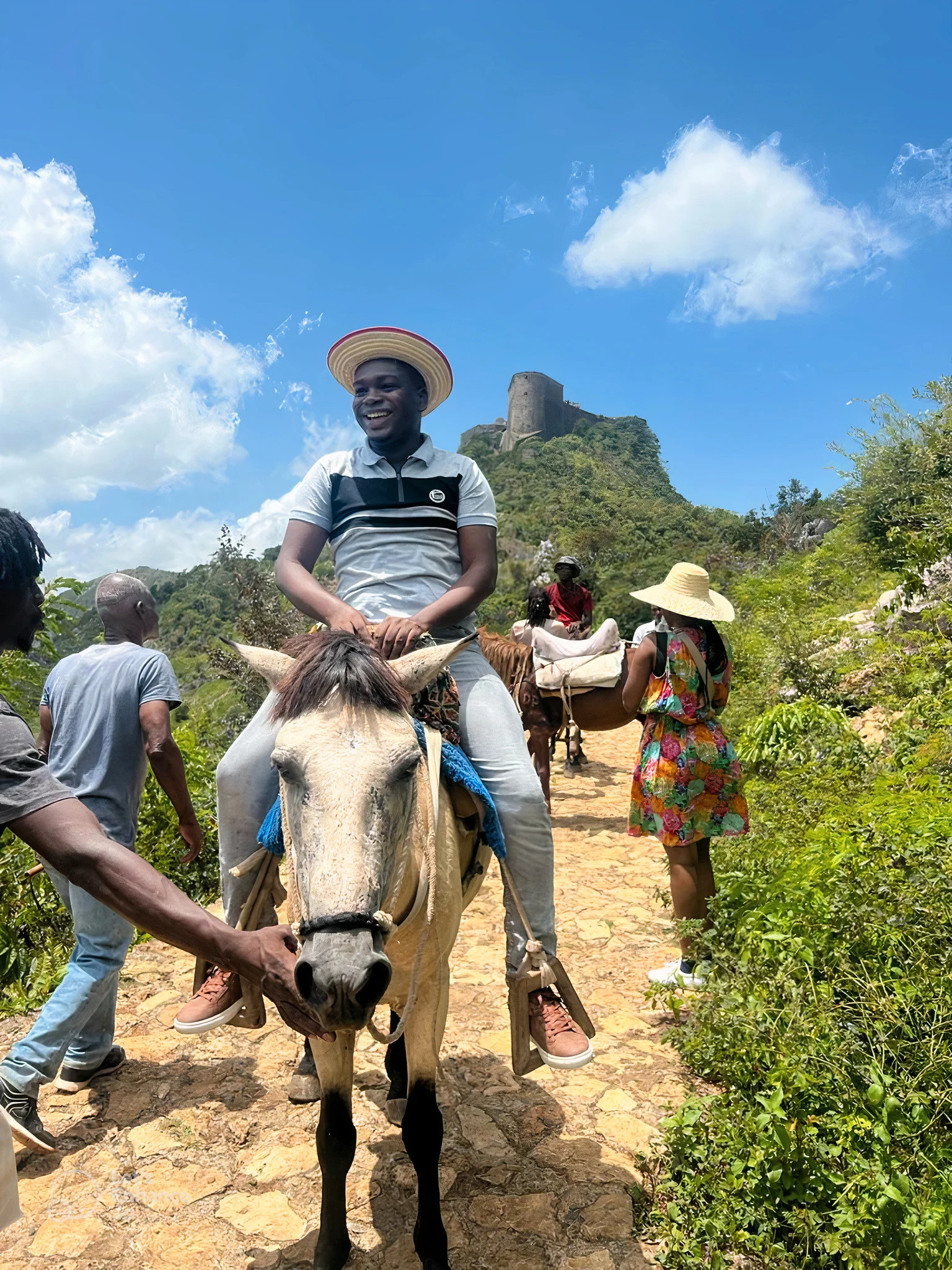
- Historical Heritage: Cap-Haïtien is the birthplace of many significant events in Haitian history, including the revolution that led to independence. Visitors can explore the Citadelle Laferrière, the largest fort in the Caribbean and a UNESCO World Heritage Site, as well as the ruins of the Sans-Souci Palace, often compared to Versailles for its grandeur.
- Colonial architecture: Its cobblestone streets and colorful houses are a testament to its past as a French colonial capital.
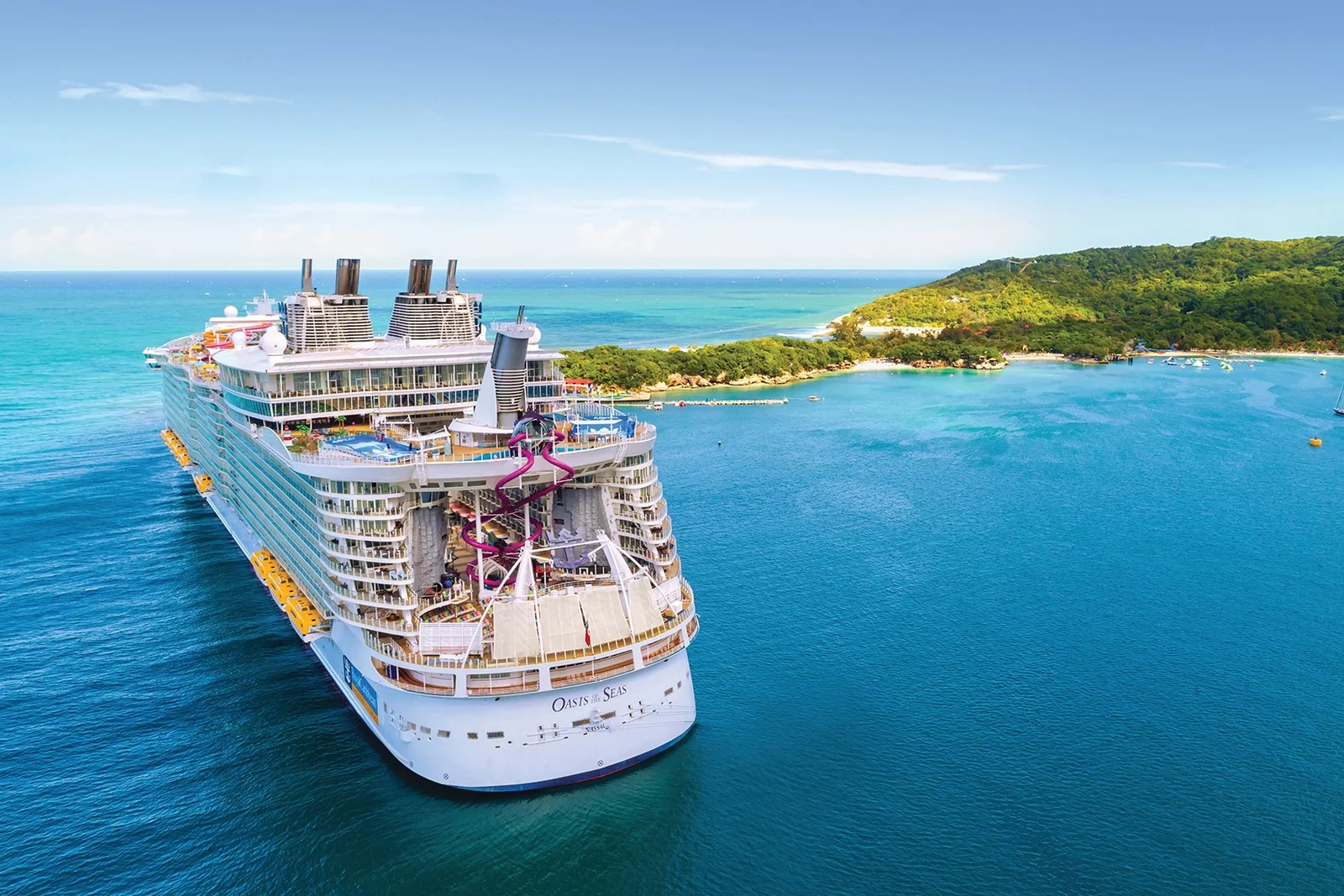
- Idyllic beaches: Labadie, a nearby private beach, is a popular stopover for cruise passengers and offers activities like diving, kayaking, and boat tours.

Cap-Haïtien is a top destination for history and culture lovers, combining heritage with natural beauty.

Haïti
Haïti
Haïti

Jacmel: The artistic and festive capital

If Cap-Haïtien is an ode to history, Jacmel is a vibrant tableau of art and festivities.

- Artistic heritage: Known as the capital of Haitian art, Jacmel is full of galleries, craft markets, and murals that tell the story of local history and traditions.
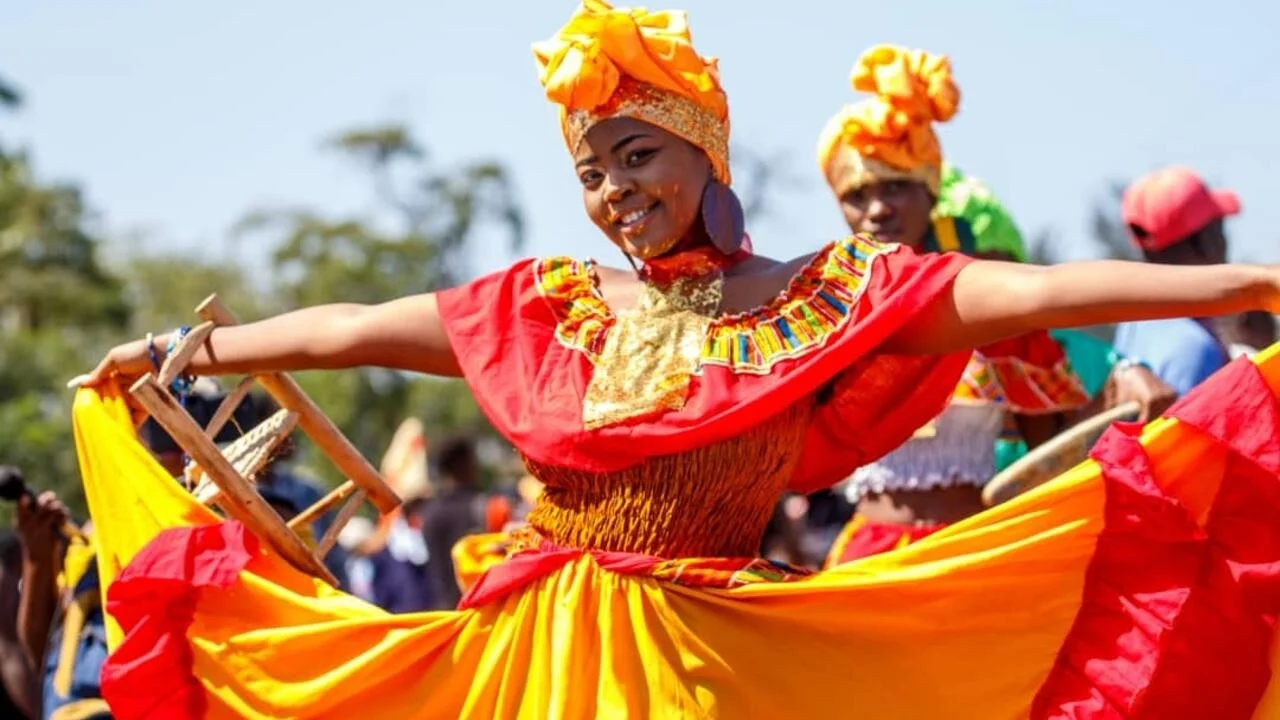
- Jacmel Carnival: This annual event attracts thousands of visitors with its papier-mâché masks, colorful costumes, and lively rhythms.
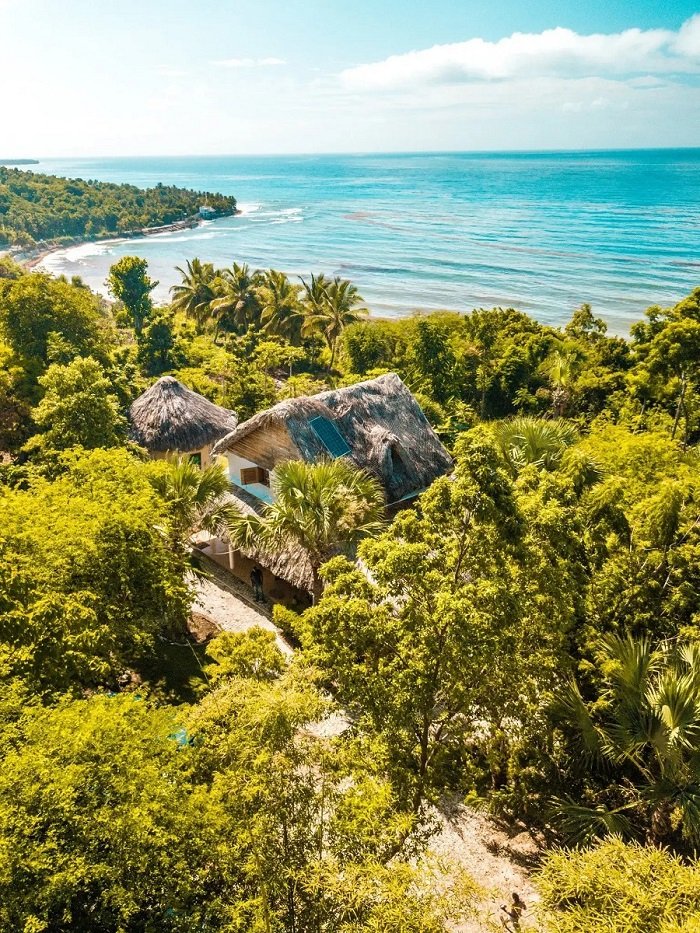
- Beaches and natural sites: Jacmel is surrounded by beautiful beaches like Raymond-les-Bains and natural wonders like Bassins Bleu, a series of crystal-clear natural pools nestled in the mountains.

Jacmel seduces visitors with its bohemian atmosphere and festive energy, making it a must-see jewel of Haitian tourism.

Haïti
Haïti
Haïti

Complementary tourist attractions

Although Cap-Haïtien and Jacmel are different in essence, they share major assets:

- Accessibility: Cap-Haïtien has an international airport, facilitating the arrival of international tourists. Jacmel, on the other hand, is easily accessible from Port-au-Prince in just a two-hour drive.
- Cultural and natural wealth: Both cities offer a mix of history, art and breathtaking landscapes.
- Festivals: Whether it is the Jacmel carnival or the cultural festivities in Cap, both destinations vibrate to the rhythm of Haitian traditions.

These cities embody the diversity and unique identity of Haiti, offering unforgettable experiences to travelers.

Haïti Wonderland: How to Rewrite the Narrative of Haïti on the Web?

Haïti Wonderland: How to Rewrite the Narrative of Haïti on the Web?

For the last three decades the internet has transformed the way people live, access information and promote worthy causes. Institutions that embrace this technology lead the way in their respective industries and last, while countries that embrace this technology and wisely implement it enable themselves to thrive and build sustainable economies. After decades of existence, the internet has been shared with mainly two groups of people; those who use it as a tool to build, and those who use it as a tool of destruction. Those who see the internet as a bridge to make a positive impact in the world and those who see it as the comfy bed to never leave, hence, the difference between the consumer and producer. Unfortunately our beloved home, Haiti, has been of the former mindset. Is it a lack of vision, lack of skills and competences or is it lack of hard working individuals? Regardless what it is or had been for decades, now is the time to change the paradigm on all fronts necessary and reshape the future. If the past decades have been ruled by non-production and negative press, now is the time to change the paradigm by producing and using the limitless of the web to sell the beauty, the culture and the greatness of Haïti to the rest of the world. If the past has been ruled with a selective truth and an effort to showcase the worst and by extension create the worst narrative, now, my fellow Haitian, regardless of where you are on this planet, is the time for us to undertake this mission, to take responsibility and recreate the narrative of our mother land. A narrative based on truth and transparency, a narrative that tells the story of who we are and certainly who we are not, a narrative to invite the world to explore and see for themselves. It is our duty. If not now, when? If not you and I, then, who? Our main mission at Haïti Wonderland is to rewrite the narrative of Haïti on the web. Then use the internet to bring Haïti back to the top of the touristic destination map once again. Those are what motivate us, the oxygen that we breath, they are the reason we wake up in the morning and fight. We didn’t choose this path because we know it will be easy but we choose it because: 1. It is a noble cause 2. It is necessary and 3. It must be done. But must importantly we take this path because we know you and every Haitian in this world, who knows the truth about Haïti are tired with what you see when typing Haïti on the web, and at the same time understand that something must change, and it must be done as soon as possible. We know you are ready for this, and together we will change the narrative of Haïti on the web and we will bring Haïti back to the top of the touristic destination map. This is a call of duty to you, regardless of your field of endeavor or where you’re located in this world. This is a call to join (http://haitiwonderland.com) to first see for yourself the movement you’re joining, then create your own account and start creating and sharing. Together we will rewrite the narrative of Haïti on the web. Thank you for joining this worthy cause. Let’s invite the world to discover the true face of Haiti.
Haïti
Haïti
Haïti

Some key figures

- 1804: Year of the proclamation of Haiti’s independence, marked by major events in Cap-Haïtien. - 200,000 inhabitants: Approximate population of Cap-Haïtien, making it one of the largest cities in the country.
- 5,000 visitors: Estimated annual participation in the Jacmel carnival before the pandemic.
- 300 years: Approximate age of the oldest historic buildings in Jacmel.

These data underline the importance of these two cities in the Haitian tourist landscape.

Haïti
Haïti
Haïti

Why visit Cap-Haïtien and Jacmel?

Choosing between Cap-Haïtien and Jacmel can be difficult, but each city has its own charm:

- For history: Cap-Haïtien is a must-see to understand the origins and heritage of the first independent black Republic.
- For art and celebration: Jacmel is an invitation to discover the artistic and festive soul of Haiti.
- For relaxation: The beaches of the two cities compete in beauty, offering heavenly settings to relax.

By visiting these two destinations, you will discover complementary facets of Haiti, a country with a thousand and one riches.

So, what are you waiting for to plan your trip? Share your impressions or memories of Cap-Haïtien and Jacmel in the comments!

Share
About the Author
Appolon Guy Alain
Appolon Guy Alain
Appolon Guy Alain

Full Stack Developer, Créatif, expérimenté, passionné des nouvelles technologies et de l’art.

See other articles from Appolon Guy Alain
Leave a comment

Recently Posted

Caractéristique d’un lapin

Les lapins sont des mammifères appartenant à la famille des Leporidae. Voici quelques-unes de leurs caractéristiques principales : 1. **Physique** : Les lapins ont un corps couvert de fourrure douce, des oreilles longues et droites, de grands yeux sur les côtés de leur tête, et une queue courte et duveteuse. Ils possèdent de puissantes pattes arrière adaptées au saut. 2. **Taille et poids** : La taille et le poids peuvent varier considérablement selon la race, allant d’environ 500 grammes pour les plus petits à plus de 5 kilogrammes pour les plus grands. 3. **Comportement** : Les lapins sont connus pour être sociaux et peuvent vivre en groupes dans la nature. Ils communiquent entre eux par différents moyens, y compris par des sons et des mouvements corporels. Les lapins creusent des terriers pour y vivre et se protéger des prédateurs. 4. **Alimentation** : Ils sont herbivores, se nourrissant principalement de foin, d’herbes, de feuilles, de fleurs, et de certains légumes. Leur système digestif est adapté pour traiter une grande quantité de fibres. 5. **Reproduction** : Les lapins sont réputés pour leur capacité à se reproduire rapidement, avec des gestations courtes d’environ 28 à 31 jours. Une portée peut compter de un à douze lapereaux, selon la race. 6. **Sens** : Ils ont une excellente vision périphérique pour détecter les mouvements tout autour d’eux, mais ont une zone aveugle juste devant leur nez. Leur ouïe est également très développée, leur permettant de capter des sons à de grandes distances. 7. **Espérance de vie** : En captivité, les lapins peuvent vivre de 7 à 10 ans, selon la race et les soins prodigués, tandis que dans la nature, leur espérance de vie est généralement plus courte en raison des prédateurs et des maladies. Ces animaux nécessitent des soins appropriés, notamment un régime alimentaire équilibré, de l’exercice, et une attention particulière à leur bien-être émotionnel et physique pour vivre une vie saine et heureuse en captivité.

Newsletter

Subscribe to our newsletter to stay informed of all our activities and news on Haiti.

The literary and philosophical club of Galette-Chambon reveals its second edition: a journey to the heart of books

In an atmosphere of madness, at the Auditorium Saint Jean Marie Vianney de Galette-Chambon, where the laughs broke out, the music resounded, and the talents were dismented, started the second edition of the reading competition, around the theme "Ann Li pou n chanje peyi n ». This initiative, organized by the literary and philosophical club of Galette Chambon (CLPGACH) on Friday 06 October 2024, was marked by an overflowing passion within the public. The spectators came for several reasons: to support the applicants and live their presentations. The works, as "thus spoke of the uncle", "the vocation of the elite" of Jean Price Mars, "the ten black men" of Etzer vilary and "the courage to live in Haïti in the 21st century" of Hérold Toussaint, present innovative arguments linked to the societal context. They intertwine with folklore, Haitian culture, sociology and anthropology. These books are given to the applicants for a period of 15 days. Back, they come with their summaries and, after each presentation, in turn, reveal new perspectives on burning questions and delicate themes from works, while taking into account the concepts learned in public speaking. In this arena where the verve and the verb clash as well as logic, conviction, precision and clarity, it is a question of "saying all in a few words". The judgments are based on three criteria: the methodology concerning the substance and the form of the work; The eloquence which concerns verbal and non -verbal discourse (micro management, good pronunciation, etc.); And finally, an essential criterion: understanding. This is to assess whether the applicant has controlled the work. Questions can be asked without ignoring the context in which he lives. In addition, assistants have the opportunity to vote for the applicant who charmed them the most. This vote is precious at a higher level. Note that this vote can be made not only face -to -face but also online on our Facebook page CLPGACH. In addition, the public has always changed well through this trip to the universe of regional authors. The latter weave the frame and make vital the very repertoire of the competition vital, made up of impactful works such as "the price of irresponsibility" of Montuma Murat, "the return to citizen responsibility" written by Jean Jacquesson Thelucier and "Courage to live in Haïti in the 21st century "Professor Hérold Toussaint, to name a few. Although they died, some writers still live at the heart of our situation through their inheritance. Among them, it is necessary to quote: "the vocation of the elite" of Doctor Jean Price Mars, "the ten black men" of Etzer Villaire and "the Governor of the dew" by Jacques Roumain, as well as so many others . For this literary event to be moving and meets expectations for this second edition, many sacrifices are necessary on the part of the staff as well as the public which never leaves us alone. In this sense, we would like to thank them and call all those wishing to support this event. Indeed, if this competition is a solution found to advance together towards a common goal, its success depends on everyone’s commitment. About two years ago, the security climate in the area was not conducive to the completion of the competition. Although it is not yet ideal today, it is time to triumph over obscurantism and fight the dictatorship of ambient ignorance.
Recently Posted

History

History

First black nation to free itself from slavery and gain independence from France in 1804 and influenced other liberation movements around the world, inspiring struggles for freedom and equality.

Natural beauty

Natural beauty

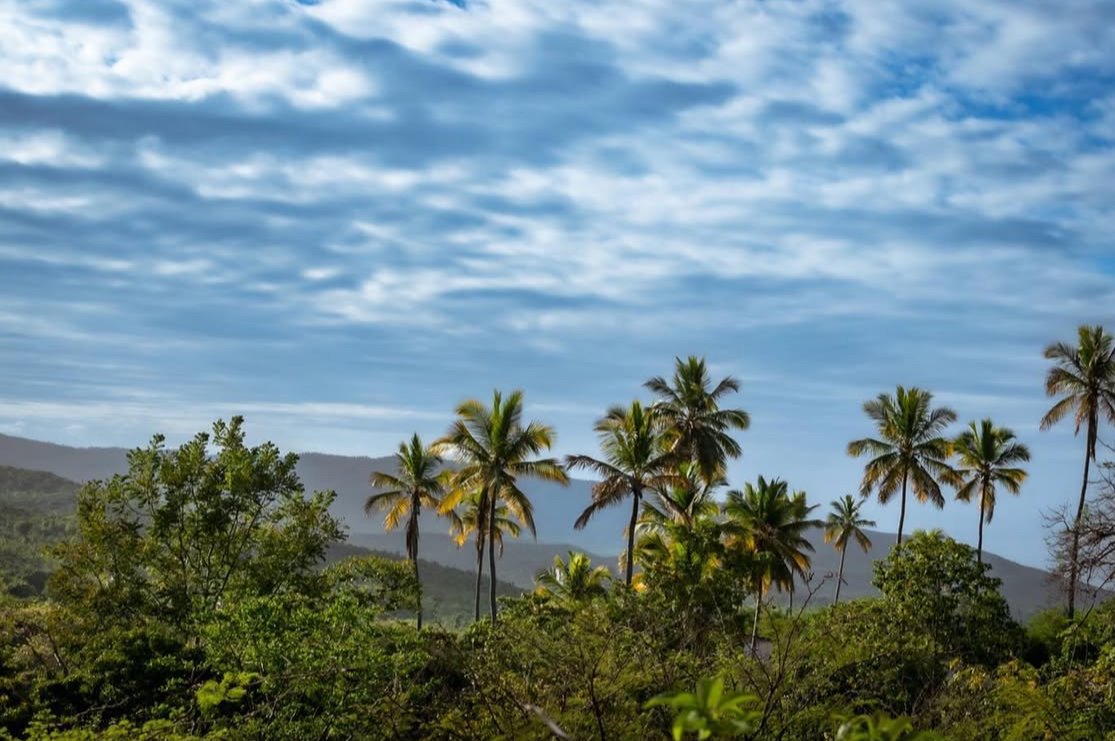
Haïti is blessed with spectacular natural landscapes, including white sand beaches, mountains and rich biodiversity.

Heritage

Heritage

Haïti has a rich historical heritage, including sites like the Citadelle Laferrière and the Sans-Souci Palace, listed as UNESCO World Heritage Sites.

Culture

Culture

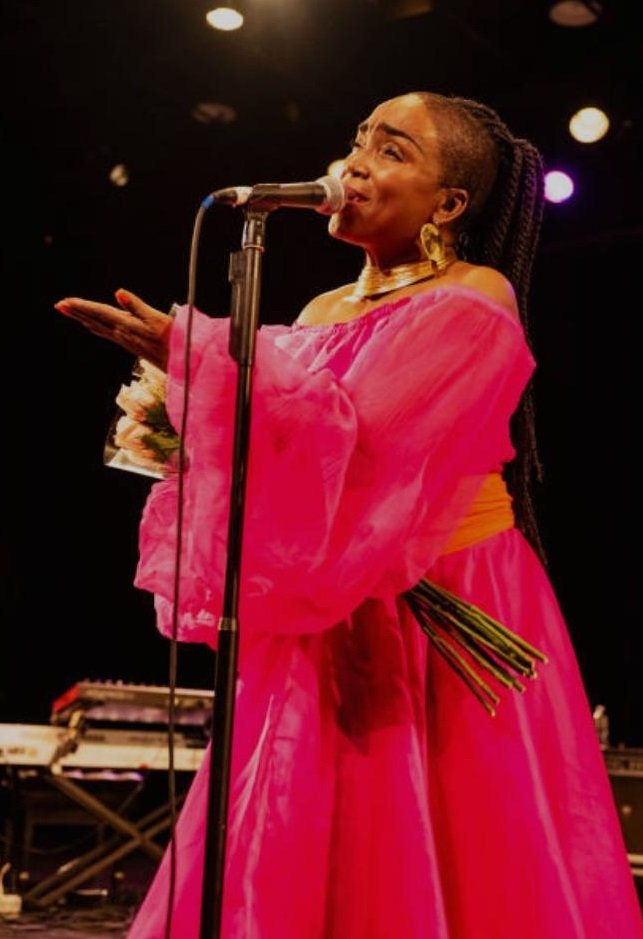
Haïti has a rich and diverse culture, influenced by African, European and indigenous elements. Haitian music, dance, art and cuisine are celebrated around the world.

  • +
    • Post