

1. Hotel Cyvadier Restaurant - Jacmel
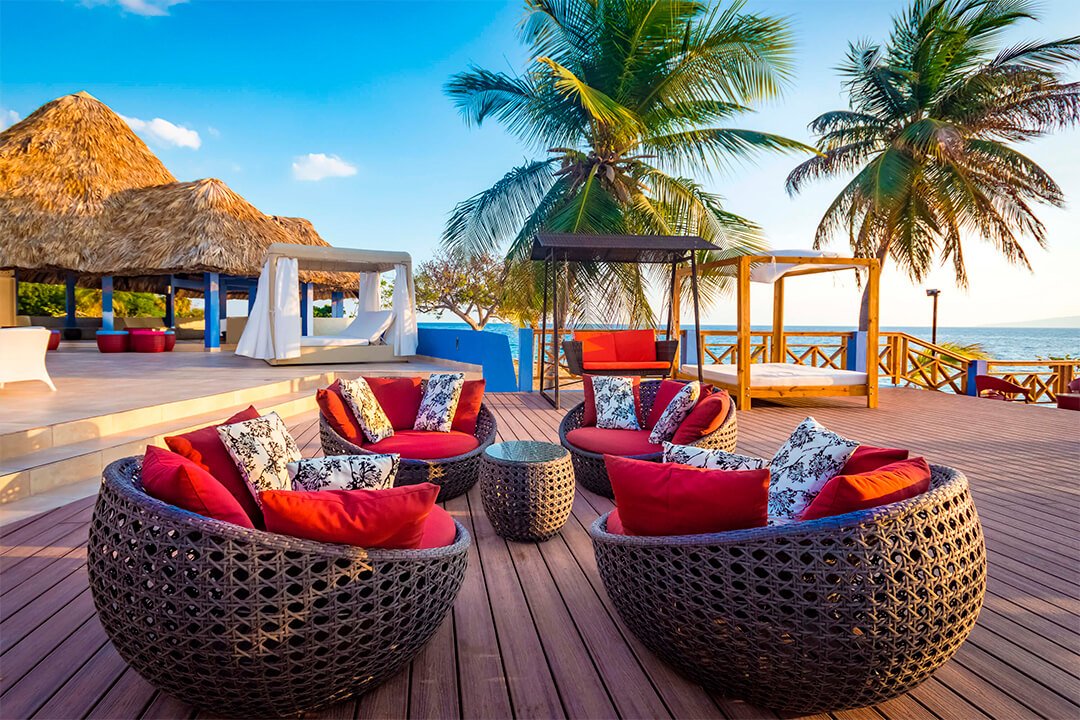
Located in Jacmel, Hotel Cyvadier Restaurant offers stunning views of the Caribbean Sea. With its comfortable rooms and gourmet restaurant, this hotel combines charm and hospitality.
Welcome to Haiti, the pearl of the Caribbean! This enchanting country offers much more than white sandy beaches and crystal clear waters. To complete your heavenly experience, here is a list of 12 restaurants to visit in Haïti where you can taste the best Haitian dishes.
Read the article in :
Located in Jacmel, Hotel Cyvadier Restaurant offers stunning views of the Caribbean Sea. With its comfortable rooms and gourmet restaurant, this hotel combines charm and hospitality.

Ideal for breakfast, lunch or dinner facing the ocean, Boukanye is an unmissable place in Cap Haïtien where the atmosphere is in full swing on weekends. Many evenings and concerts are organized for a unique experience.

With a friendly atmosphere, Lakay offers a restaurant and a dance bar. Evening events and concerts are regularly organized, and the cuisine offers a delicious fusion of traditional Creole and international dishes.

The Karibe Hotel is renowned for its blend of elegance and modernity. Spacious rooms, world-class spa facilities and gourmet restaurants make this hotel a top choice in Pétion-Ville.

A quiet and relaxing place after visiting the museum, Les Jardins du Mupanah offers a spacious, comfortable and clean space in the middle of the city center. Modern architecture adds a touch of elegance to these delicious gourmet restaurants.

A great place in the Pacot neighborhood of Port-au-Prince to dine on your favorite dishes six days a week, sip local coffee accompanied by homemade pastries during our special weekend breakfast. Weekly concerts with outdoor and indoor garden seating available.

Located in Port-au-Prince, GINGERBREAD RESTAURANT is located in a gingerbread-style house, an emblematic architecture of Haiti. The intimate atmosphere and delicious food make it a place not to be missed.

The Kokoye Bar & Grill is a unanimously acclaimed restaurant serving Creole specialties and pizzas. You can also enjoy burgers, seafood and other delicacies in a warm atmosphere.

Located in Pétion-Ville, Magdoos offers an oasis of tranquility. The well-tended gardens and spacious rooms create a relaxing atmosphere, perfect for escaping the hustle and bustle of everyday life.

Nh Haïti El Rancho, in Pétion-Ville, blends modern elegance with Haitian heritage. World-class facilities, a spectacular swimming pool and exceptional service make it a premier destination.

Located in Cap-Haïtien, Cap Deli is a charming restaurant that offers a warm atmosphere. it is a captivating choice where you can taste special dishes that will make you drool.

In Jacmel, the Hotel Florita Bar and Restaurant is a place full of charm and history. Housed in an old colonial house, offers a unique experience combining elegance and tradition.
As you explore these restaurants, you will discover the diversity and richness of Haitian hospitality. Whether you are looking for relaxation, adventure or culture, Haïti has everything you need to make your stay unforgettable. Take advantage of these hidden gems and let yourself be carried away by the magic of this heavenly country.

Facebook : https://www.facebook.com/haitiwonderland
Youtube : https://www.youtube.com/@haitiwonderland
Instagram : https://www.instagram.com/haitiwonderland/
Twitter : https://twitter.com/haitiwonderland
Linkedin : https://www.linkedin.com/in/haitiwonderland/
Haiti, an unknown pearl of the Caribbean, seduces with its cultural richness and breathtaking landscapes. Cradle of a fascinating history and a vibrant cultural identity, this country offers visitors an authentic experience, far from the beaten track.
Imagine a place where summer never ends, where each dawn brings the promise of a day bathed in light. A place where the waves tirelessly murmur their melody on shores of gold and ivory, where time seems suspended in an eternal promise of warmth and beauty. The sun, faithful lover, caresses with its golden rays 1,700 kilometers of coastline, drawing a living picture where the cerulean blue of the ocean blends into the infinite azure of the sky. This paradise is not a mirage, it is Haiti, jewel of the Antilles, which opens its arms to you all year round. While in many regions of the world, access to beaches is often limited to the summer period, Haïti stands out for its beaches accessible all year round. Located in the Caribbean, this tropical destination offers pristine shores and turquoise waters that invite relaxation and adventure, whatever the season. Are you ready to experience an endless summer? Haïti extends its arms to you, and believe us, it’s an embrace you won’t want to let go of. Let’s find out together why this jewel of the West Indies deserves its place at the top of your list of dream destinations.
Subscribe to our newsletter to stay informed of all our activities and news on Haiti.
With its heavenly beaches, vibrant culture and fascinating history, Haïti is a captivating destination that deserves to be discovered. The first black country to gain its independence, Haïti is a country of contrasts, where mountains meet crystal clear waters and where every street corner reveals a unique part of culture. While we often hear about its challenges, Haïti also offers an unsuspected wealth for travelers in search of authenticity, heritage and adventures
Agriculture is at the heart of Haiti’s economy and daily life. Despite challenges related to infrastructure and climate conditions, this sector remains vital for the majority of the population. Let’s discover how Haitian agriculture shapes the country, its economy, and its traditions.
Few people know that Haiti, often celebrated for its beaches and rich history, is also home to the largest cave system in the Caribbean. These underground formations, scattered across the country, are natural and cultural treasures that bear witness to millions of years of geological evolution and human interactions. Let’s dive into this fascinating universe together.
On January 25, 2025, the Banj headquarters, in Delmas 64, vibrated to the rhythm of the 3rd Young Activists Summit, an event organized by Rivalpromo509. More than 200 passionate and determined young people gathered to discuss the theme: "Political and technological exploration for a connected youth"

First black nation to free itself from slavery and gain independence from France in 1804 and influenced other liberation movements around the world, inspiring struggles for freedom and equality.

Haïti is blessed with spectacular natural landscapes, including white sand beaches, mountains and rich biodiversity.

Haïti has a rich historical heritage, including sites like the Citadelle Laferrière and the Sans-Souci Palace, listed as UNESCO World Heritage Sites.

Haïti has a rich and diverse culture, influenced by African, European and indigenous elements. Haitian music, dance, art and cuisine are celebrated around the world.