contact@haitiwonderland.com+509 36184317

Discover

Shopping Cart

The Future of Agriculture in Haiti

The Future of Agriculture in Haiti

Agriculture is at the heart of Haiti’s economy and daily life. Despite challenges related to infrastructure and climate conditions, this sector remains vital for the majority of the population. Let’s discover how Haitian agriculture shapes the country, its economy, and its traditions.

Haïti
Haïti
Haïti

An Economy Based on Agriculture

In Haiti, agriculture contributes approximately 20% of the gross domestic product (GDP) and employs nearly 38% of the workforce.

- Economic Role: The agricultural sector is essential for food security and household income, particularly in rural areas.
- Main Products: Haïti is known for its subsistence crops such as corn, rice, beans, and cassava, but also for its export products such as coffee, cocoa, and mangoes.

Despite these assets, agricultural production is often limited by insufficient access to modern technologies, fertilizers, and irrigation systems.
Haïti
Haïti
Haïti

A connection with nature and culture

Haitian agriculture is not limited to the economy: it is deeply rooted in the culture and traditions of the country.

- Local markets: Farmers sell their products in traditional markets, creating places of social and economic exchange.
- Agricultural festivals: Events such as the Fête de l’Agriculture et du Travail (May 1) celebrate the vital role of farmers and their contribution to society.
- Traditional practices: In rural areas, agriculture is often practiced according to methods passed down from generation to generation, combining local know-how and respect for the environment.

Haïti
Haïti
Haïti

The challenges of Haitian agriculture

Despite its importance, Haitian agriculture faces significant obstacles:

- Soil degradation: Approximately 60% of agricultural land is affected by erosion due to deforestation.
- Climate change: Frequent hurricanes and droughts seriously affect harvests.
- Limited access to resources: Farmers often have insufficient financial means to invest in modern equipment or agricultural inputs.

However, many local and international projects are working to improve agricultural infrastructure and promote sustainable practices.

Haïti
Haïti
Haïti

Untapped potential

Haïti has immense agricultural potential that is still underexploited.

- Arable land: Approximately 63% of Haiti’s territory is made up of arable land, although not all of it is used efficiently.
- High Value Products: Haitian coffee, renowned for its quality, could play a key role in the international market with appropriate support.
- Agricultural Tourism: Agritourism could become a new source of income by promoting local agricultural traditions and attracting foreign visitors.

With investment and strategic planning, Haitian agriculture could become an even stronger pillar of the national economy.

Haïti
Haïti
Haïti

The Future of Agriculture in Haiti

Despite the challenges, agriculture remains a source of hope and resilience for Haiti. Initiatives to reforest the country, modernize agricultural practices, and strengthen rural infrastructure offer opportunities for sustainable development.

By supporting its farmers, Haïti can not only feed its population, but also export more and revitalize its economy. Agriculture, as a pillar of national identity, will continue to be a symbol of the country’s wealth and potential.

What are your thoughts on the future of Haitian agriculture? Share your ideas in the comments!

Share
About the Author
Haïti Wonderland
Haïti Wonderland
Leave a comment

Recently Posted

Newsletter

Subscribe to our newsletter to stay informed of all our activities and news on Haiti.

Pap Jazz 2025, a Celebration of Haiti’s Great Musical Richness

On Sunday, April 6, 2025, the Karibe Convention Center in Juvenat transformed into a true cultural temple to close the 18th edition of the Port-au-Prince International Jazz Festival (PAPJAZZ). This year, the festival took place under the evocative theme "PAP JAZZ it UP", and it was held in three sites primarily located in the Pétion-Ville commune. The festival took place entirely at these wonderful musical venues: a reference was made to the Latin Quarter, the Haiti-Brazil Cultural Center, and the Karibe Hotel. Due to the deteriorating situation in downtown Port-au-Prince in recent times, the French Institute site had to be abandoned by the festival organizers. Nevertheless, we can absolutely call this 18th edition of Pap Jazz a success. Indeed, this festival, now a major event of the Haitian year, was especially marked this year by the great resilience and determination of the organizers who were able to adapt to the country’s rhythm in order to satisfy their loyal festival-goers. Despite the difficult context, these festival-goers did not miss the opportunity to escape their harsh daily lives through music. It’s also important to note that this 18th edition of Pap Jazz took place after two postponements, at the very beginning of this year, with the last one occurring in March due to insecurity. In this regard, it is appropriate to call the monumental achievement of the Haïti Jazz Foundation and their partners an exceptional feat, as they were not discouraged and showed remarkable tenacity, while adapting to offer Port-au-Prince and its surroundings this moment of growth, beyond the city’s great sorrow, through music.

Recently Posted

History

History

First black nation to free itself from slavery and gain independence from France in 1804 and influenced other liberation movements around the world, inspiring struggles for freedom and equality.

Natural beauty

Natural beauty

Haïti is blessed with spectacular natural landscapes, including white sand beaches, mountains and rich biodiversity.

Heritage

Heritage

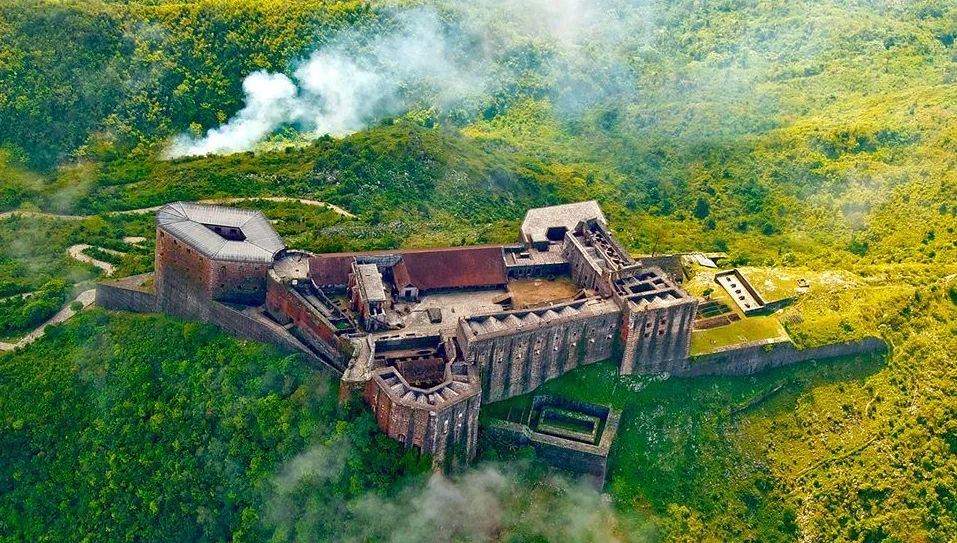
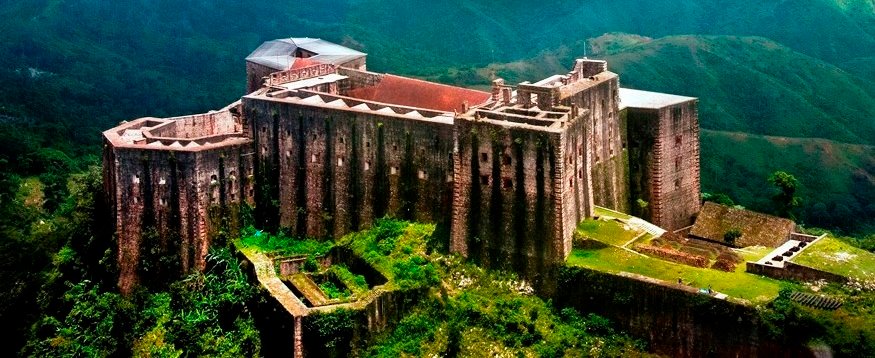
Haïti has a rich historical heritage, including sites like the Citadelle Laferrière and the Sans-Souci Palace, listed as UNESCO World Heritage Sites.

Culture

Culture

Haïti has a rich and diverse culture, influenced by African, European and indigenous elements. Haitian music, dance, art and cuisine are celebrated around the world.

  • +
    • Post