contact@haitiwonderland.com+509 36184317

Discover

Shopping Cart

Christmas Meals in Haiti: A Time of Sharing and Conviviality

Christmas Meals in Haiti: A Time of Sharing and Conviviality

In Haiti, Christmas meals occupy an essential place in the end-of-year celebrations. They are not only an opportunity to enjoy delicious dishes, but also to bring families and friends together around a table, in a warm and festive atmosphere. This article explores the culinary traditions, the importance of sharing and the spirit of conviviality that make Christmas meals in Haïti a memorable event.

Haïti
Haïti
Haïti

A Culinary Tradition Rich in Flavors

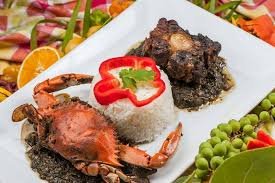
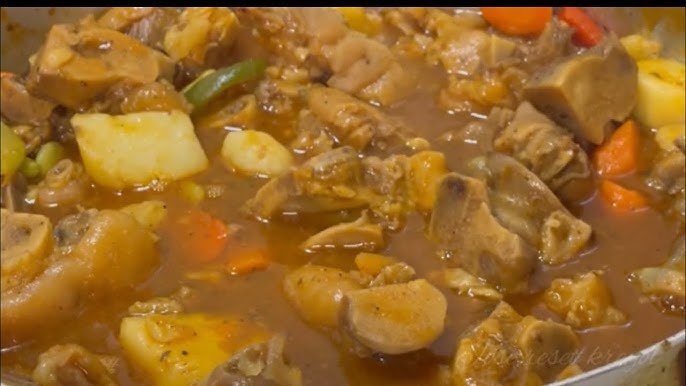
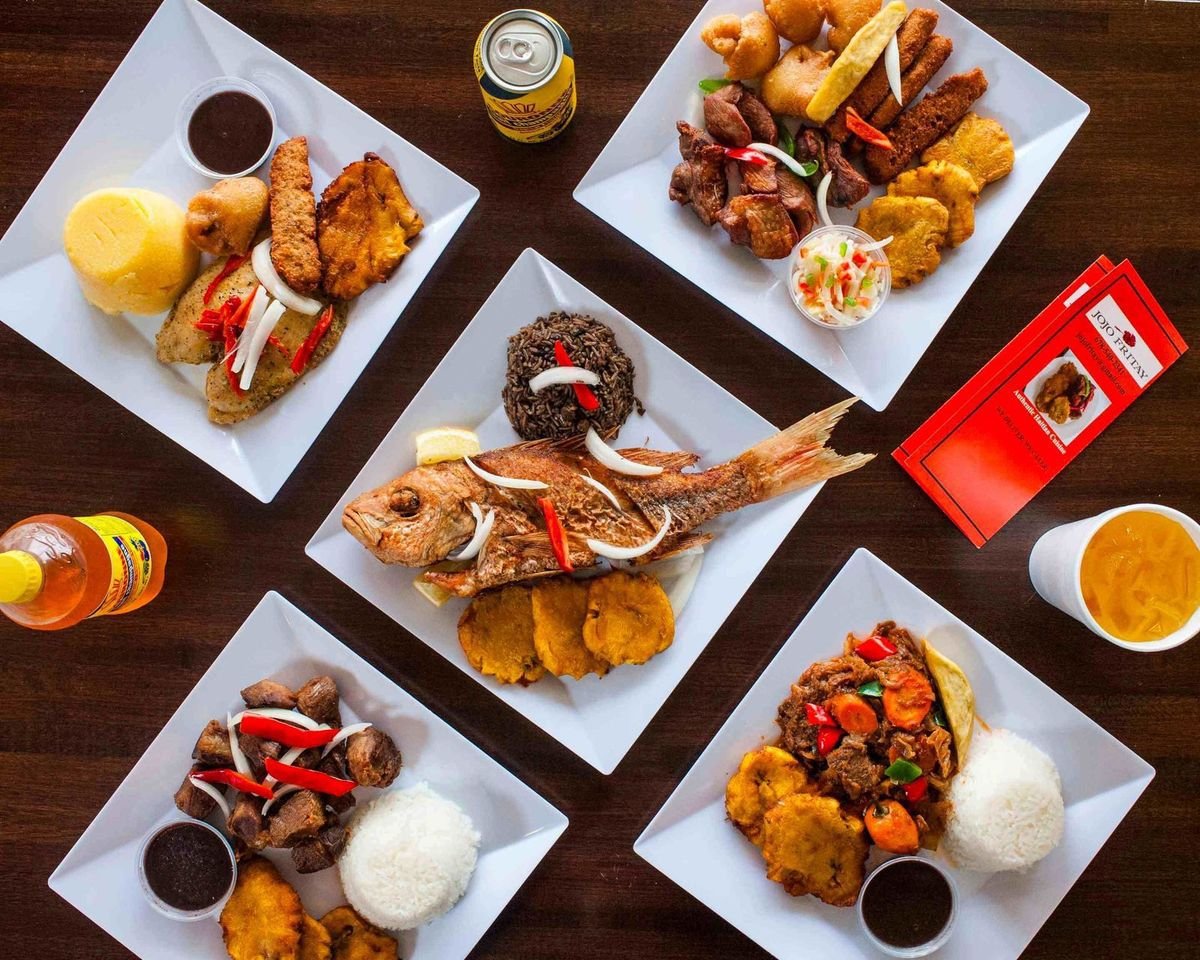
Christmas meals in Haïti are known for their diversity and authentic flavors, which reflect the cultural influences of the country. These meals generally consist of an array of carefully prepared dishes, blending fresh ingredients and local spices to create a unique culinary experience.

Iconic holiday dishes include:
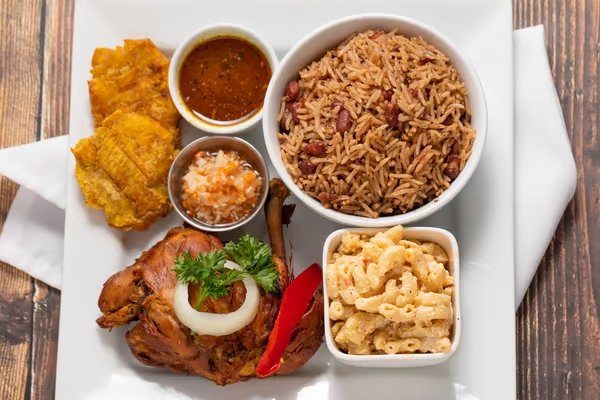
- Christmas ham: often marinated in a sweet and sour sauce, it is roasted to perfection and is one of the centerpieces of the meal.
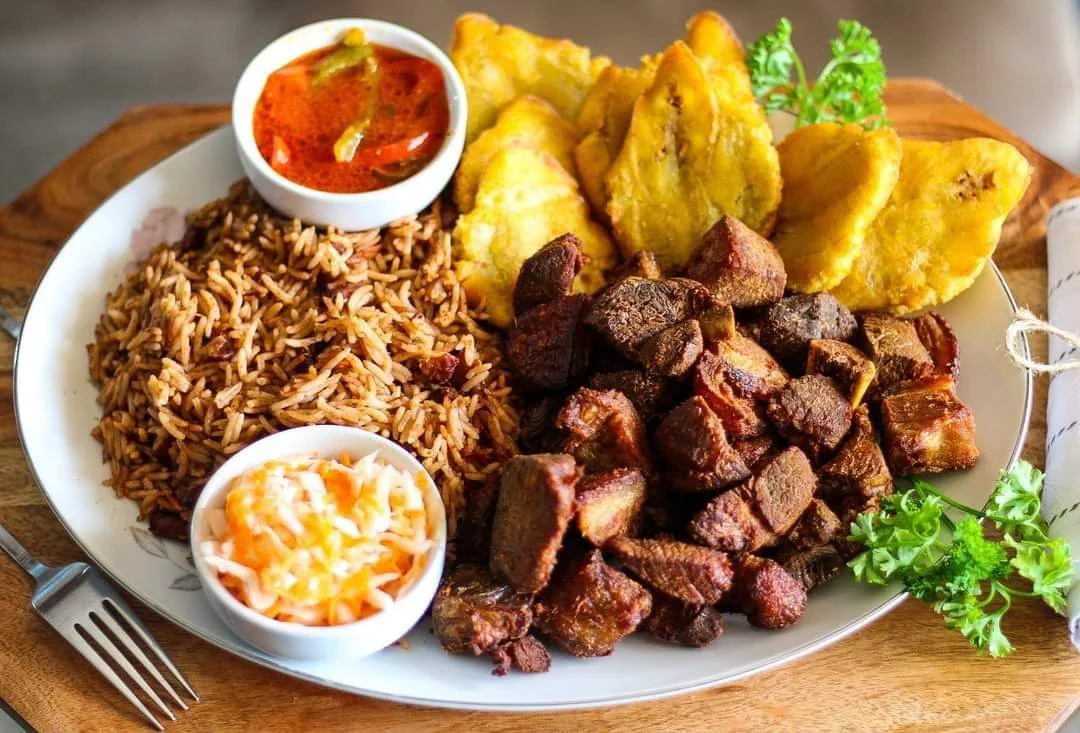
- Griot et bananes pesées: marinated and fried pork pieces, accompanied by fried plantains, which add a savory and crunchy touch.
- Diri djon djon: rice prepared with local black mushrooms, particularly appreciated for its refined taste and delicious texture.
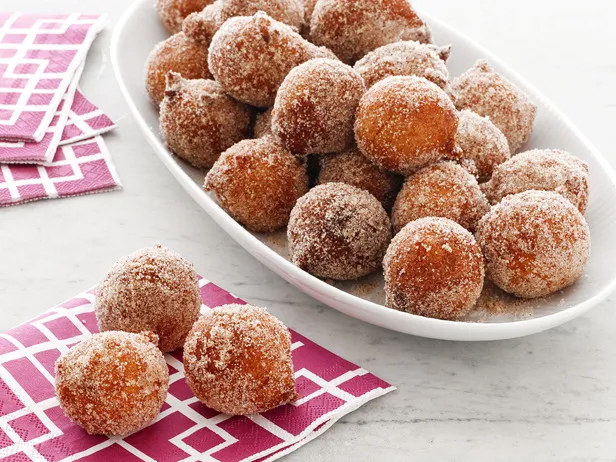
- Traditional desserts: such as pain patate (sweet potato cake) and blanc manger (coconut milk flan), which end the meal on a sweet note.

These dishes, cooked with love, demonstrate the attention that Haitians pay to their culinary heritage, especially at this time of year.

See as well

Haïti
Haïti
Haïti

A Moment of Sharing and Generosity

In Haiti, Christmas meals are much more than a simple feast: they symbolize sharing and solidarity. Even in modest homes, it is customary to prepare a special meal to mark this period. Families strive to share their dishes with their neighbors, friends and sometimes even strangers.

In some communities, collective meals are organized to allow everyone, including those in difficulty, to celebrate Christmas in joy. These moments of sharing strengthen social ties and recall the importance of generosity and mutual aid in Haitian culture.

Haïti
Haïti
Haïti

An Unforgettable Family Reunion

Christmas meals in Haïti are also an opportunity to bring together families, often scattered throughout the year. Loved ones gather around a large table to share stories, laughter and memories. Preparing meals becomes a moment of complicity between family members, where everyone contributes in their own way, whether by peeling vegetables, seasoning meat or setting the table.

These moments of conviviality are what make Christmas meals so special: they help strengthen family ties and pass on traditions to younger generations.

Haïti
Haïti
Haïti

Drinks That Accompany the Feasts

Drinks play a key role in Haitian Christmas meals, adding a festive touch to the whole. Among the must-haves are:
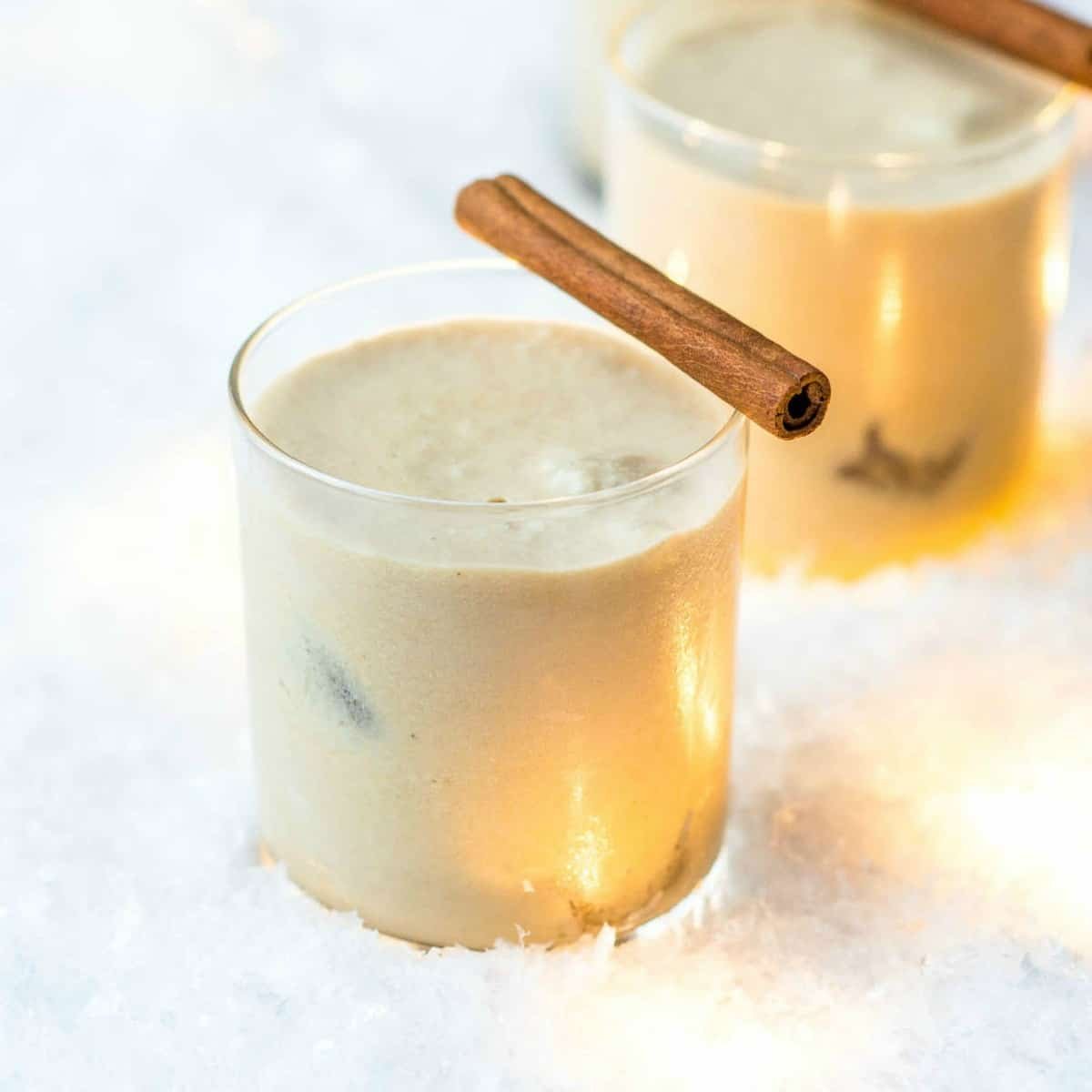
- Kremas: a sweet and creamy drink, prepared with condensed milk, rum, nutmeg and vanilla. Very popular, it is often prepared at home and shared with guests.
- Natural juices: such as soursop, tamarind or grenadine juice, which bring a refreshing and exotic touch. - Wine and rum: used to toast or accompany certain dishes.

These drinks reinforce the festive spirit while reflecting local tastes and traditions.

Haïti
Haïti
Haïti

Diaspora Meals: A Cultural Pride

Haitians living abroad continue to perpetuate these culinary traditions by adapting their recipes to the ingredients available in their host countries. Whether in the United States, Canada, France or elsewhere, Haitian communities celebrate Christmas by recreating these feasts, often shared with friends from other cultures.

These meals maintain a strong connection with Haitian culture and pass it on to future generations, while introducing its unique flavors to the rest of the world.

Haïti
Haïti
Haïti

A Celebration of the Spirit of Christmas

Christmas meals in Haïti perfectly embody the spirit of this holiday: sharing, conviviality and generosity. They are an opportunity to gather around a table, celebrate family ties and remember the fundamental values ​​of Haitian culture.

Whether in a home in Haïti or across the diaspora, these feasts remain a special moment where local flavors mingle with the love and joy of Christmas.

Share
About the Author
Appolon Guy Alain
Appolon Guy Alain
Appolon Guy Alain

Full Stack Developer, Créatif, expérimenté, passionné des nouvelles technologies et de l’art.

See other articles from Appolon Guy Alain
Leave a comment

Recently Posted

Pity or the work of an old soul crushed under the weight of an absinthe-flavored existence

The word crisis carries an infinite number of meanings. No intention of revealing them all this afternoon. However, a few clarifications are necessary. A kid whose parents do not have enough money at Christmas to buy her a Little Black Mermaid doll has a fit and locks herself in her room without touching her meals for the day. A boy whose dog was suddenly poisoned by a neighbor in revenge or shot after contracting rabies, losing a faithful friend overnight, enters into crisis. Finally, a society in the grip of all sorts of mutations and whose leaders are weak, perhaps prolonged in a deep crisis. In the first case, the young girl sulks to attract the attention of her parents in order to feel appreciated by children her age at school or in the neighborhood. Today, thirty minutes of negotiations can be enough to find a lasting solution. In my day, a few well-aimed belt blows would have overcome this whim. But, humanity evolves, they say. In the second case, this boy can find his smile again after a few weeks. He needs a little attention and, probably, another dog. As Stendhal would say, only passion triumphs over passion. In the last case, this society led by inepts is shaken to its deep foundations. Its institutions can disintegrate one by one. The vital forces dissolve in no time. This situation creates a societal tsunami that destroys all life within this community. It is indeed a crisis. The crisis from this point of view constitutes an alarming, desperate situation in the existence of a community where nothing is going well. Chaos reigns supreme. The very essence of life disappears. The individual can take precedence over the community. Everyone tries to solve their problems without worrying about others. The closest neighbor is relegated light years away from you. How can we turn to creation? How can we continue to conceive of otherness? How can the artist absorb this great collective disarray as a source of motivation? These are the questions I must answer. An artist sees and feels what ordinary mortals cannot even imagine in a thousand-year life. He creates to denounce, when his conscience as a human being is revolted. He exalts heroes or the homeland according to his feelings. He sings the beauty of an irresistible, captivating or ugly resplendent woman. He can also use the ambient desolation to give meaning to life. Creating in literature as in the arts in general does not depend on the situation. The act of creation depends on the creator’s disposition. Events paralyze some and galvanize others. Creating is enjoyable. Everyone therefore enjoys according to their own whim. Writing opens the way to change. The writer takes a different look at the world. By embedding himself in reality, he embellishes it, makes it better or hideous depending on the message he intends to share. All things considered, with him, life is never fixed. Writing is putting the world in a jar to travel the universe. The artist broods over his work in all weathers. Oswald Durand was delighted to see Choucoune’s beautiful body from his secret observatory. Musset, on the other hand, was in pain writing his October night. As for Dany Laferrière, in exile, he described the horrors of the Duvalier dictatorship and the carefree attitude of the young girls in his neighborhood in this violent and dangerous world. Ultimately, the writer lives in a society with values ​​that he shares or not. They condition his existence or have no hold on him. In many ways, the surrounding world serves as his laboratory. He carries out his experiments there. He casts a new, worn, disillusioned, melancholic, violent, bitter look at the world depending on his mood. Pitié is the work of an old soul crushed under the weight of an existence that tastes of absinthe. Young Mike Bernard Michel lives by expedients and lies. The hands of life fall on him with indescribable violence. Misfortune embraces him day and night. Should we give up? Musset liked to say: "Man is an apprentice, pain is his master. And no one knows himself until he has suffered." The artist must produce under all skies. Such is his vocation. Incompetents in power, legal or highway bandits, the high cost of living, unemployment, heartaches are all subjects of concern for him. If it is true that a hungry belly has no ears, the fact remains that it keeps the brain awake. What am I saying, it stimulates it to the point of creating timeless works. Mr. Pitié, you have a bright future ahead of you. Work of Jean Rony Charles, the book is available from Éditions Repérage.

Newsletter

Subscribe to our newsletter to stay informed of all our activities and news on Haiti.

Haiti: Camp Louise: A Hidden Treasure in the Heart of Acul du Nord Bay

At the entrance to Haiti’s beautiful Baie de l’Acul du Nord lies an oasis of tranquility and natural beauty: Camp Louise, more affectionately known as Saint Michel Beach. With its black sand and rushing swells, this beach offers a spellbinding experience that captures the wild spirit of nature. As soon as you set foot on this enchanting shore, you are enveloped by an atmosphere of mystery and serenity. The "ajoupas" dotted along the beach are home to modest restaurants serving local delicacies, from fresh grilled fish to succulent conch. With every bite, you taste the exquisite fusion of authentic flavors that celebrate Haiti’s culinary richness. On your right, majestically sits the "M&M" restaurant, ready to delight your taste buds with its irresistible specialties, available to serve you at the end of the week, to crown your beach days with an exquisite gastronomic note. Despite its proximity to the bustling town of Cap-Haïtien, located just 26 kilometers away, Camp Louise seems like a world apart. Accessible both by road and by sea, by jet ski from the neighboring beaches of Gaderas and Labadie, this beach offers a welcome escape from the hustle and bustle of everyday life. Whether you are looking for adventure, relaxation or simply connection with nature, Camp Louise will meet all your desires. Its turquoise waters invite you to swim, its sandy beaches invite you to relax, and its warm atmosphere inspires wonder. For travelers seeking authentic experiences and breathtaking scenery, Camp Louise proves to be a hidden treasure worth discovering and celebrating. So, let yourself be carried away by the captivating magic of this rare pearl in the heart of the Bay of Acul du Nord, and let your worries float away with the waves that gently caress its shores.

Recently Posted

History

History

First black nation to free itself from slavery and gain independence from France in 1804 and influenced other liberation movements around the world, inspiring struggles for freedom and equality.

Natural beauty

Natural beauty

Haïti is blessed with spectacular natural landscapes, including white sand beaches, mountains and rich biodiversity.

Heritage

Heritage

Haïti has a rich historical heritage, including sites like the Citadelle Laferrière and the Sans-Souci Palace, listed as UNESCO World Heritage Sites.

Culture

Culture

Haïti has a rich and diverse culture, influenced by African, European and indigenous elements. Haitian music, dance, art and cuisine are celebrated around the world.

  • +
    • Post