contact@haitiwonderland.com+509 36184317

Discover

Shopping Cart

Where is Haïti located in the Caribbean?

Where is Haïti located in the Caribbean?

Haiti, a nation rich in history and culture, occupies a special position in the Caribbean region. But where exactly is Haïti located in this tropical archipelago? Discover its geographical location and what makes this country stand out among its island neighbors.

Haïti
Haïti
Haïti

Haïti in the Greater Antilles

Haïti is located in the Greater Antilles archipelago, a subset of the Caribbean that also includes Cuba, Jamaica, and Puerto Rico. It shares the island of Hispaniola with the Dominican Republic, occupying the western part of this island, the second largest in the Greater Antilles.

Haïti
Haïti
Haïti

A Strategic Position in the Caribbean

Haïti is bordered to the north by the Atlantic Ocean and to the south by the Caribbean Sea. To the west, the country is separated from Cuba by the Windward Canal, while to the east, it shares a 376 km land border with the Dominican Republic. This geographical location places Haïti at a key maritime crossroads in the region.

Haïti
Haïti
Haïti

Haiti’s Coordinates in the Caribbean

To locate Haïti precisely:
- Latitude: between 18° and 20° North.
- Longitude: between 71° and 75° West.

This location gives it a tropical climate, characterized by two main seasons: a dry season and a rainy season, influenced by its proximity to the sea.

Haïti
Haïti
Haïti

Haiti’s Maritime Neighbors

In addition to its land border with the Dominican Republic, Haïti is close to several other Caribbean territories:
- Cuba: located approximately 80 km to the northwest, on the other side of the Windward Channel.
- The Bahamas: to the north, across the Atlantic Ocean.
- Jamaica: to the southwest, separated by the Caribbean Sea.

This proximity to other islands makes Haïti a central point for historical and cultural exchanges in the region.

Haiti’s Unique Surface Area and Topography

Haïti covers an area of ​​27,750 km² and is famous for its mountainous terrain, which has earned it the nickname "country of mountains". This landscape contrasts with the heavenly beaches along its coasts. The capital, Port-au-Prince, is located in the West department, on the edge of the bay of the same name.

Haïti
Haïti
Haïti

Haiti: A Country with an Unmissable History in the Caribbean

Haïti occupies a unique place in the Caribbean region. It was on its lands that Christopher Columbus landed in 1492, marking the beginning of European colonization in the Americas. In 1804, Haïti became the first independent country in the Caribbean and the first black state to abolish slavery, making it a symbol of freedom in the region.

How to Locate Haïti in the Caribbean?

On a map, simply locate the Greater Antilles in the northwestern part of the Caribbean. Hispaniola, the island that Haïti shares with the Dominican Republic, is easily spotted as the second largest island in this region, close to Cuba and Puerto Rico. Haïti occupies the western part of this island, between sea and mountains.

Haïti
Haïti
Haïti

Haiti: A Geographic Treasure in the Heart of the Caribbean

Haïti is not just a dot on the Caribbean map, it is a historical, cultural and geographical crossroads. Its strategic position, diverse landscapes and rich history make it a must-see destination in this region of the world.

Whether you are interested in its beaches, its mountains or its role in the history of the Caribbean, Haïti shines with its location and its unique heritage in this vast tropical archipelago.

Share
About the Author
Appolon Guy Alain
Appolon Guy Alain
Appolon Guy Alain

Full Stack Developer, Créatif, expérimenté, passionné des nouvelles technologies et de l’art.

See other articles from Appolon Guy Alain
Kermeus

J'adore Haitï mais c'est pas facile d'être haïtien au yeux des autres nations mais au moins je sais que nous sommes unique dans ce monde Free Haiti 🇭🇹 🇭🇹 🔥 🫣

August 08, 2025 - 05:15:36 AM
Leave a comment

Recently Posted

Newsletter

Subscribe to our newsletter to stay informed of all our activities and news on Haiti.

Pap Jazz 2025, a Celebration of Haiti’s Great Musical Richness

On Sunday, April 6, 2025, the Karibe Convention Center in Juvenat transformed into a true cultural temple to close the 18th edition of the Port-au-Prince International Jazz Festival (PAPJAZZ). This year, the festival took place under the evocative theme "PAP JAZZ it UP", and it was held in three sites primarily located in the Pétion-Ville commune. The festival took place entirely at these wonderful musical venues: a reference was made to the Latin Quarter, the Haiti-Brazil Cultural Center, and the Karibe Hotel. Due to the deteriorating situation in downtown Port-au-Prince in recent times, the French Institute site had to be abandoned by the festival organizers. Nevertheless, we can absolutely call this 18th edition of Pap Jazz a success. Indeed, this festival, now a major event of the Haitian year, was especially marked this year by the great resilience and determination of the organizers who were able to adapt to the country’s rhythm in order to satisfy their loyal festival-goers. Despite the difficult context, these festival-goers did not miss the opportunity to escape their harsh daily lives through music. It’s also important to note that this 18th edition of Pap Jazz took place after two postponements, at the very beginning of this year, with the last one occurring in March due to insecurity. In this regard, it is appropriate to call the monumental achievement of the Haïti Jazz Foundation and their partners an exceptional feat, as they were not discouraged and showed remarkable tenacity, while adapting to offer Port-au-Prince and its surroundings this moment of growth, beyond the city’s great sorrow, through music.

Vertières, Fort Mazi: Beyond historical truth;

If you look up the word vertière in a French dictionary, you will not find it for fear that the world does not know this place represents the Achilles heels of the most powerful European army. What’s more, this one had just successfully won the eastern campaign. French historians of the time erased this geographical location from the radar of history because they did not want to tell the story as it is in the sense of explaining the first great humiliation of the expeditionary army French by bands of slaves who were totally ignorant in the art of waging war, much less in the handling of weapons. However, these illiterate wars routed the Napoleonic army, the most powerful at that time, using the means at hand. This expeditionary army, after having brought Europe to its knees, would experience its first rout by slaves in this geographical location, located in the Northern department of Haiti. Funny story, this city is not on the list of French words even though given its historical importance, it should be at the heart of universal history, far from putting an end to the invincibility of the undefeated army army. So as not to offend the white masters, no political leader has ever asked why vertière does not appear in any French dictionary? However, they celebrate this battle with great fanfare every November 18. What historic hypocrisy among our leaders! After Vertière many other historical places are strangled by historians in order to hide the extremes of atrocities of the French colonists on the slaves. It is in this context of historical strangulation that “Fort Mazi” is not mentioned in school history textbooks. This is located in Petit-Goave, 2nd municipal section, Arnoux locality. We came across this mega fort, during a mobile clinic entirely financed by the Ernest Junior foundation, a charitable foundation which works in the social sector, particularly in the field of art and music. According to residents , the oldest in this locality, this fort was built on at least 20 squares of earth by the settlers. It was a huge military complex divided into compartments, outposts, turtle rooms, rooms for treating colonists, a large Catholic church, and a cemetery. However, we never talk about this fort so much so that it is ignored by history teachers in the town of Petit-Goave. Certainly, the desired disappearance of this fort under the radar of history buries the atrocities, the barbarities, the most inhumane punishments of the colonists on the slaves. Looking closely at reality, everything seems true that it is the largest fort ever built during the period of colonization. Moreover, it probably seems the most fortified in relation to its importance. Remember that Vertière only exists in Haitian school history textbooks while Fort Mazi does not appear, much less in French dictionaries or history books. This explains why this fort was a secret place in which the settlers practiced crimes and atrocities that went beyond human understanding. Is it not a clear desire of historians to hide what this immense fort built on at least 20 tiles of earth really was? Discover the history of Haiti: A fascinating story to explore! : https://haitiwonderland.com/haiti/histoire/decouvrez-l-histoire-d-haiti--un-recit-fascinant-a-explorer/81

Recently Posted

History

History

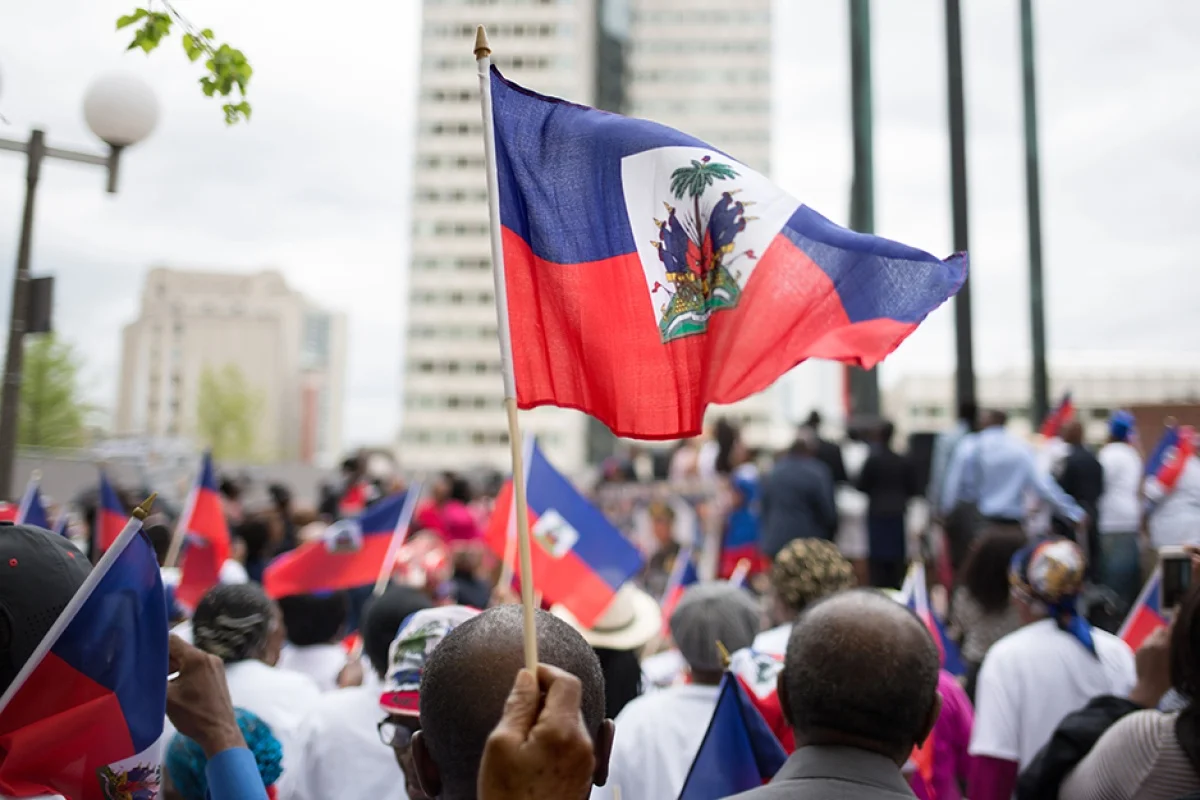
First black nation to free itself from slavery and gain independence from France in 1804 and influenced other liberation movements around the world, inspiring struggles for freedom and equality.

Natural beauty

Natural beauty

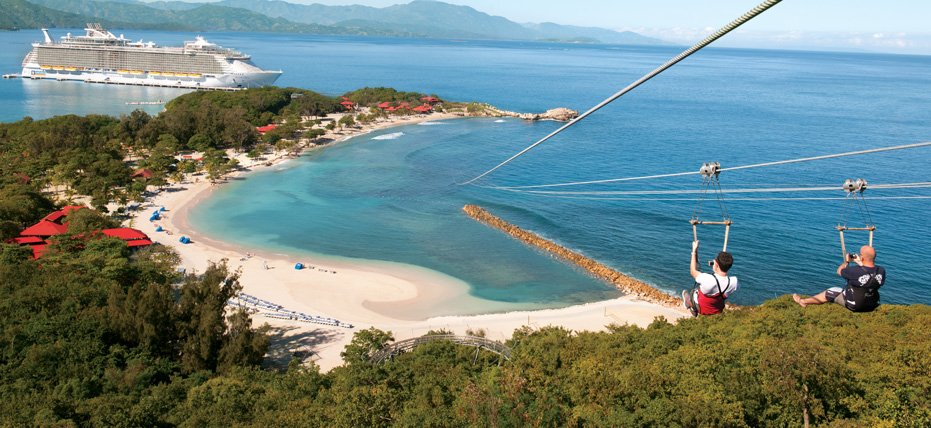
Haïti is blessed with spectacular natural landscapes, including white sand beaches, mountains and rich biodiversity.

Heritage

Heritage

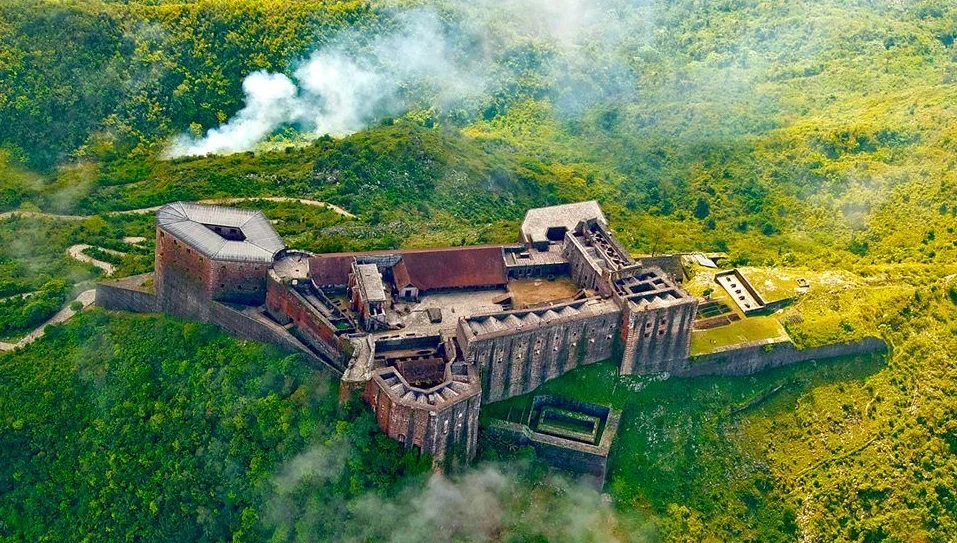
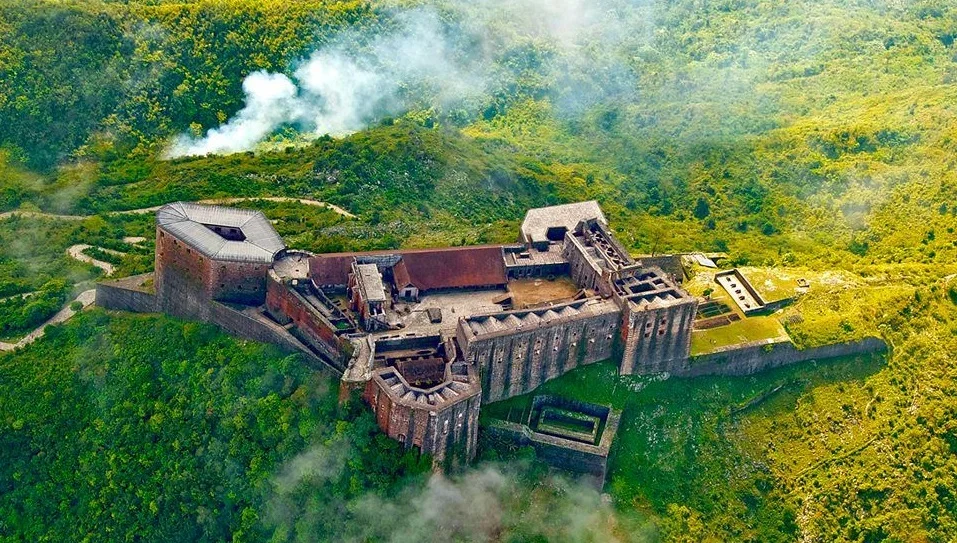
Haïti has a rich historical heritage, including sites like the Citadelle Laferrière and the Sans-Souci Palace, listed as UNESCO World Heritage Sites.

Culture

Culture

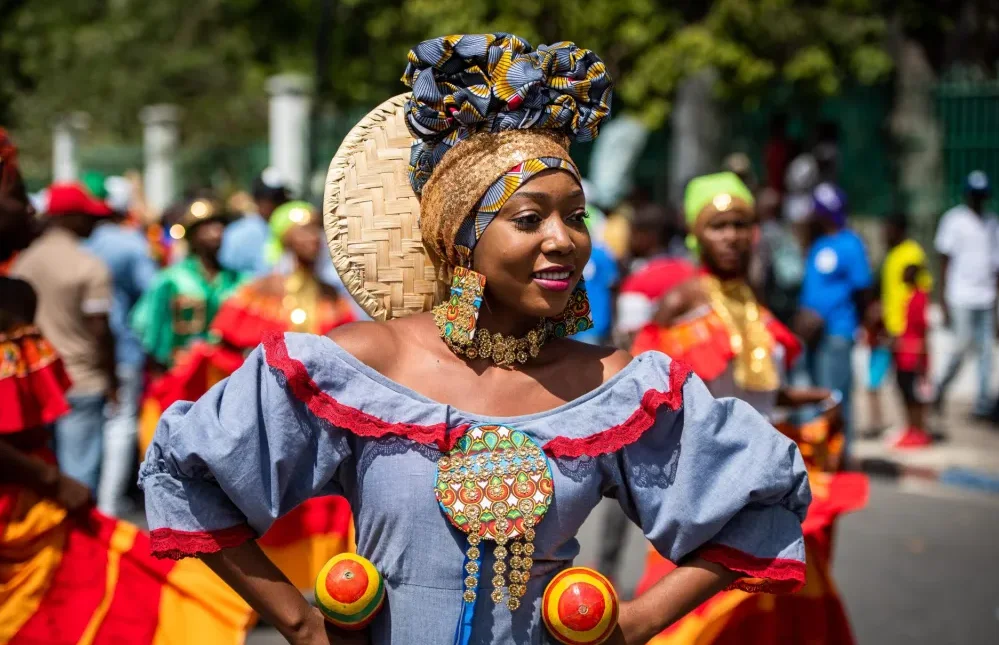
Haïti has a rich and diverse culture, influenced by African, European and indigenous elements. Haitian music, dance, art and cuisine are celebrated around the world.

  • +
    • Post