contact@haitiwonderland.com+509 36184317

Discover

Shopping Cart

What are the special elements of Haitian cuisine?

What are the special elements of Haitian cuisine?

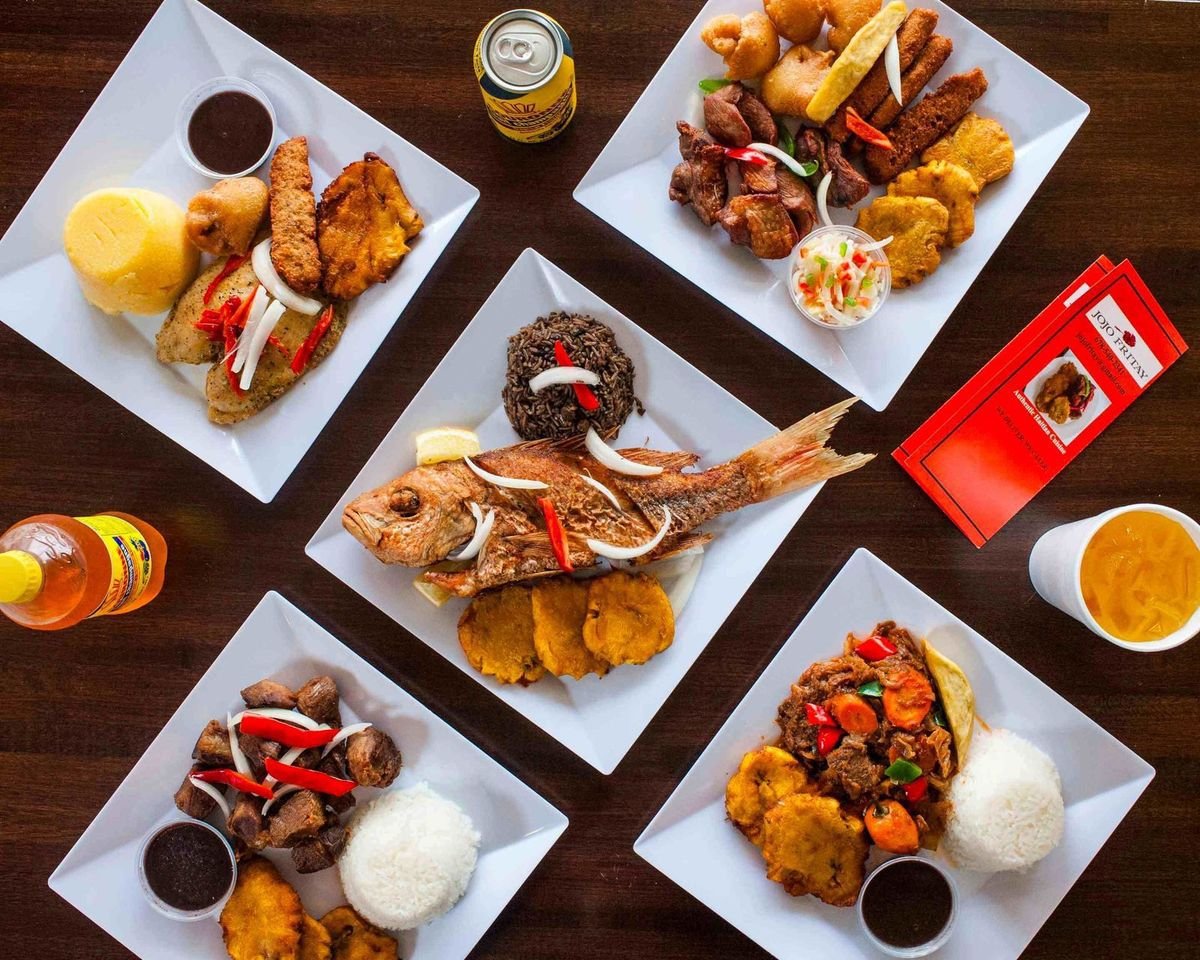
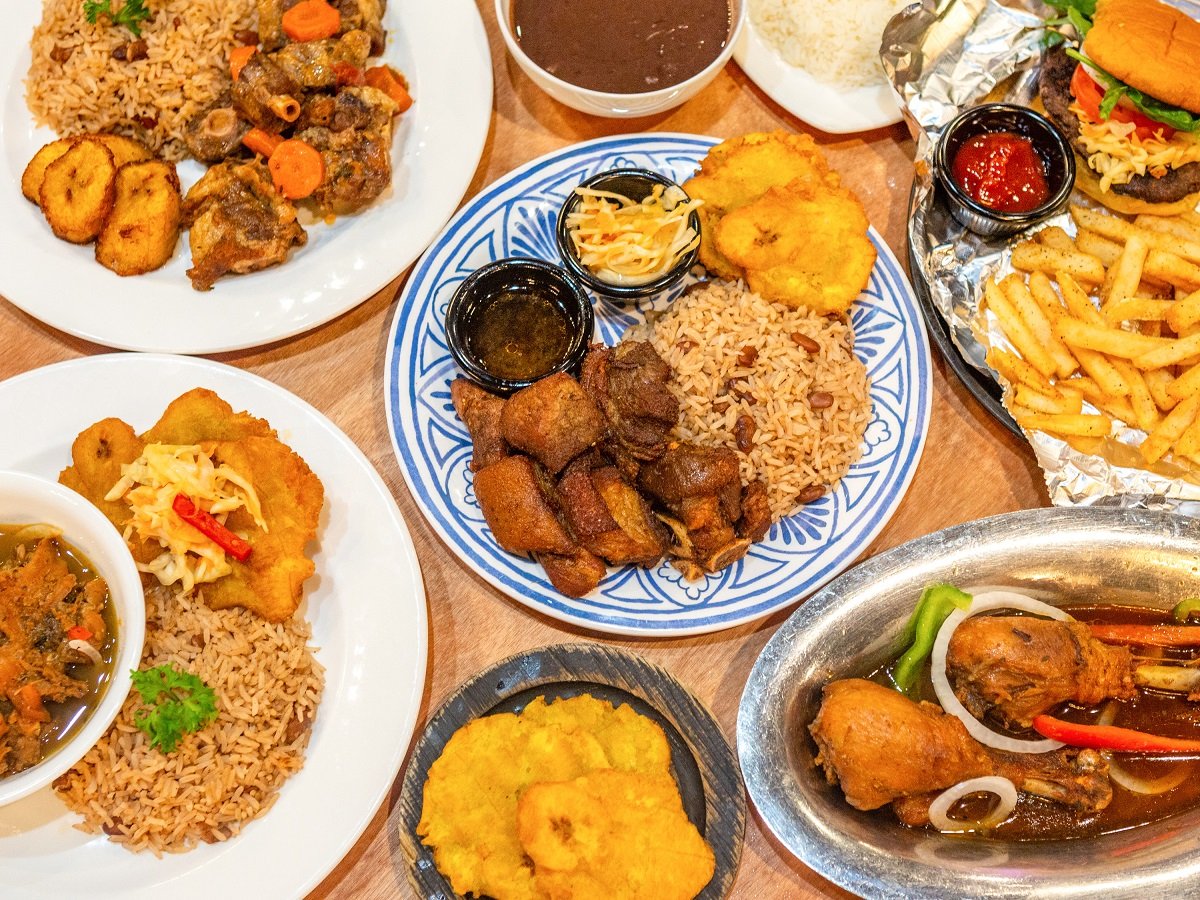
Haitian cuisine, with its blend of spices, flavors, and traditions, occupies a unique place in the Caribbean culinary panorama. Rooted in centuries of history and cultural influences, it is distinguished by several elements that make it exceptional. Let’s discover what makes Haitian gastronomy unique.

Haïti
Haïti
Haïti

1. A masterful use of spices

Spices occupy a central place in Haitian cuisine. Epis, a seasoning blend composed of garlic, parsley, chili pepper, cloves, onion, and lime, is the secret ingredient used in almost every dish. This aromatic blend gives Haitian cuisine an incomparable depth of flavor.

The use of scotch bonnet pepper is also characteristic: it brings a controlled heat that enhances dishes without overpowering them.

See as well

Haïti
Haïti
Haïti

2. Complex Flavored Stews

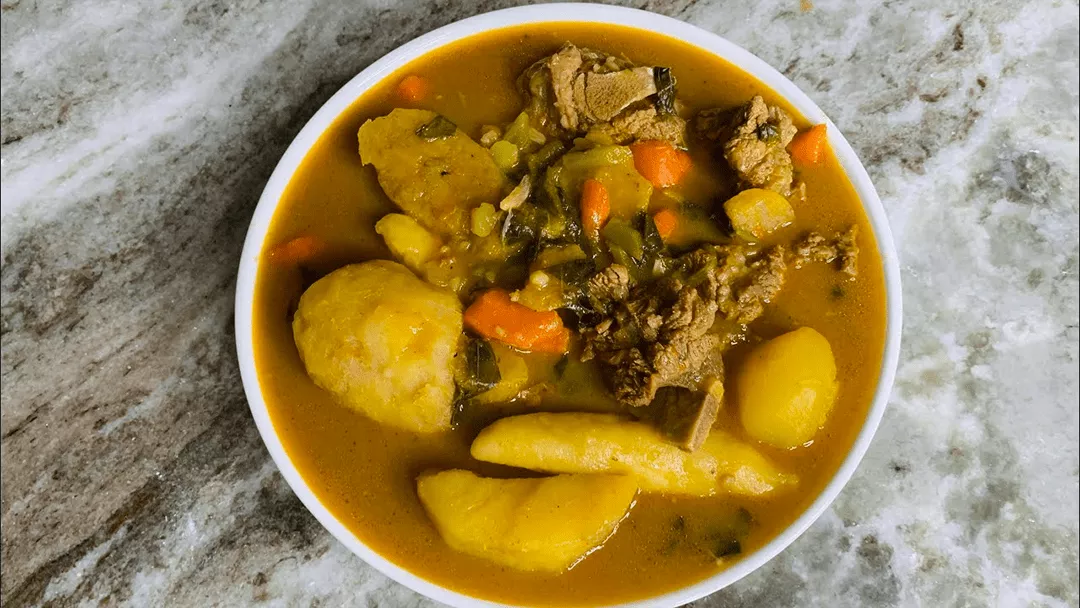
Haitians excel at the art of stewing their dishes. Whether it’s a meat stew like tassot (dried and fried meat) or lalo (jute leaf stew), stewed dishes are carefully prepared to allow the flavors to develop slowly.

The thick, well-seasoned sauces that accompany these dishes are often the result of slow cooking, allowing the flavors to blend harmoniously.

Haïti
Haïti
Haïti

3. A Fusion of Cultural Influences

Haitian cuisine is a reflection of the country’s history. It is the result of a blend of African, French, Spanish, and indigenous influences. African cooking techniques combine with the elegance of European dishes and local ingredients to create a unique gastronomy.

For example, dishes like djon djon rice (black mushroom rice) perfectly illustrate this fusion by combining indigenous ingredients with traditional preparation methods.

Haïti
Haïti
Haïti

4. A diet based on local products

Haitian cuisine values ​​local products, highlighting ingredients such as sweet potatoes, yams, cassava, pumpkins, and of course, tropical fruits such as mango, papaya and banana.

These fresh products, often cultivated in an artisanal way, guarantee dishes rich in natural flavors and nutrients.

Haïti
Haïti
Haïti

5. Varied and essential accompaniments

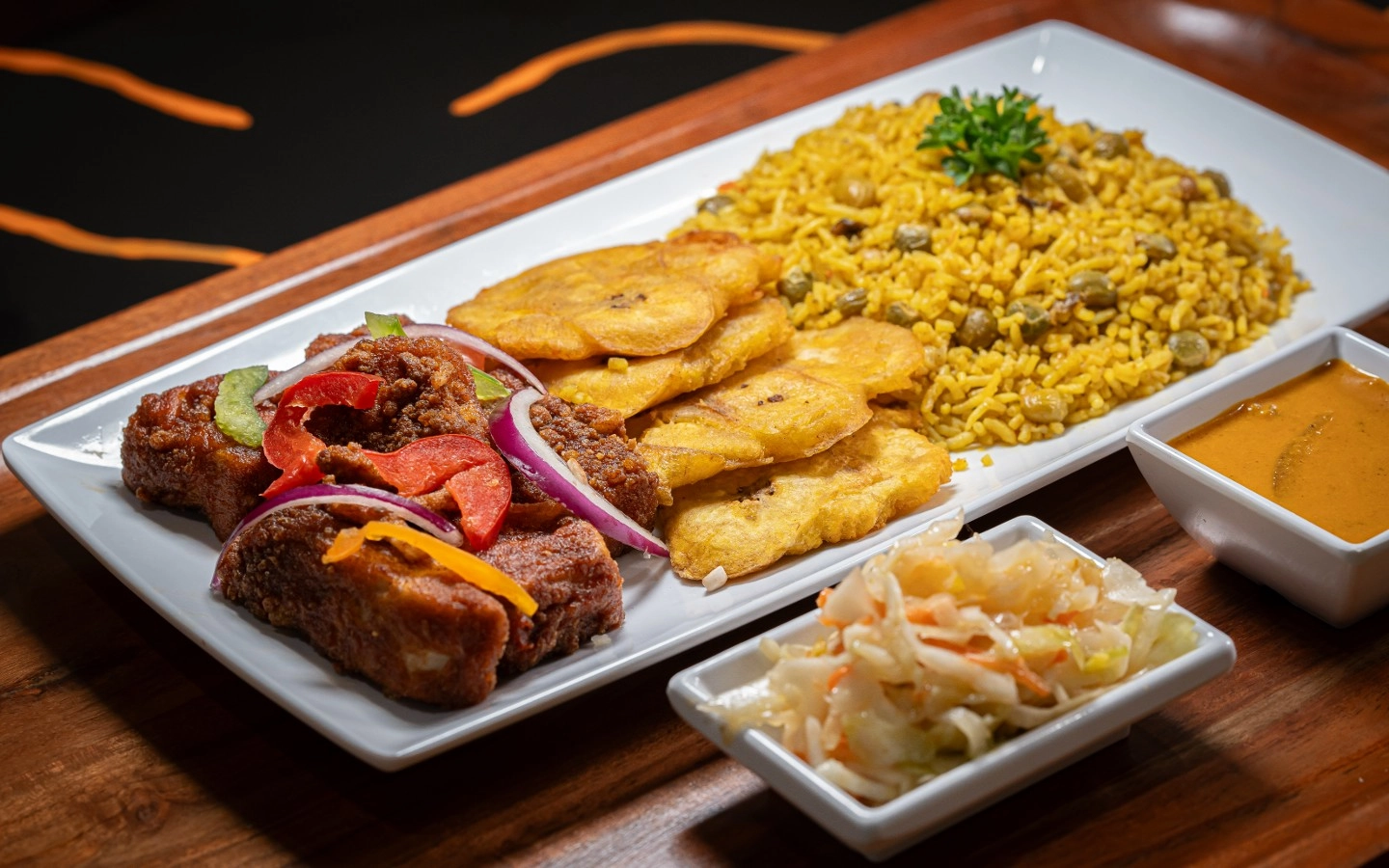
Rice is the king of accompaniments in Haiti, often served with red peas, black peas or lentils. However, banana pesées (fried plantains), mayi moulen (corn polenta), and sautéed vegetables are also very popular accompaniments that bring diversity to meals.

Haïti
Haïti
Haïti

6. A culinary tradition deeply rooted in celebrations

Celebrations in Haïti are synonymous with special dishes. Soup joumou, served on Independence Day on January 1, is a symbol of freedom and resilience.

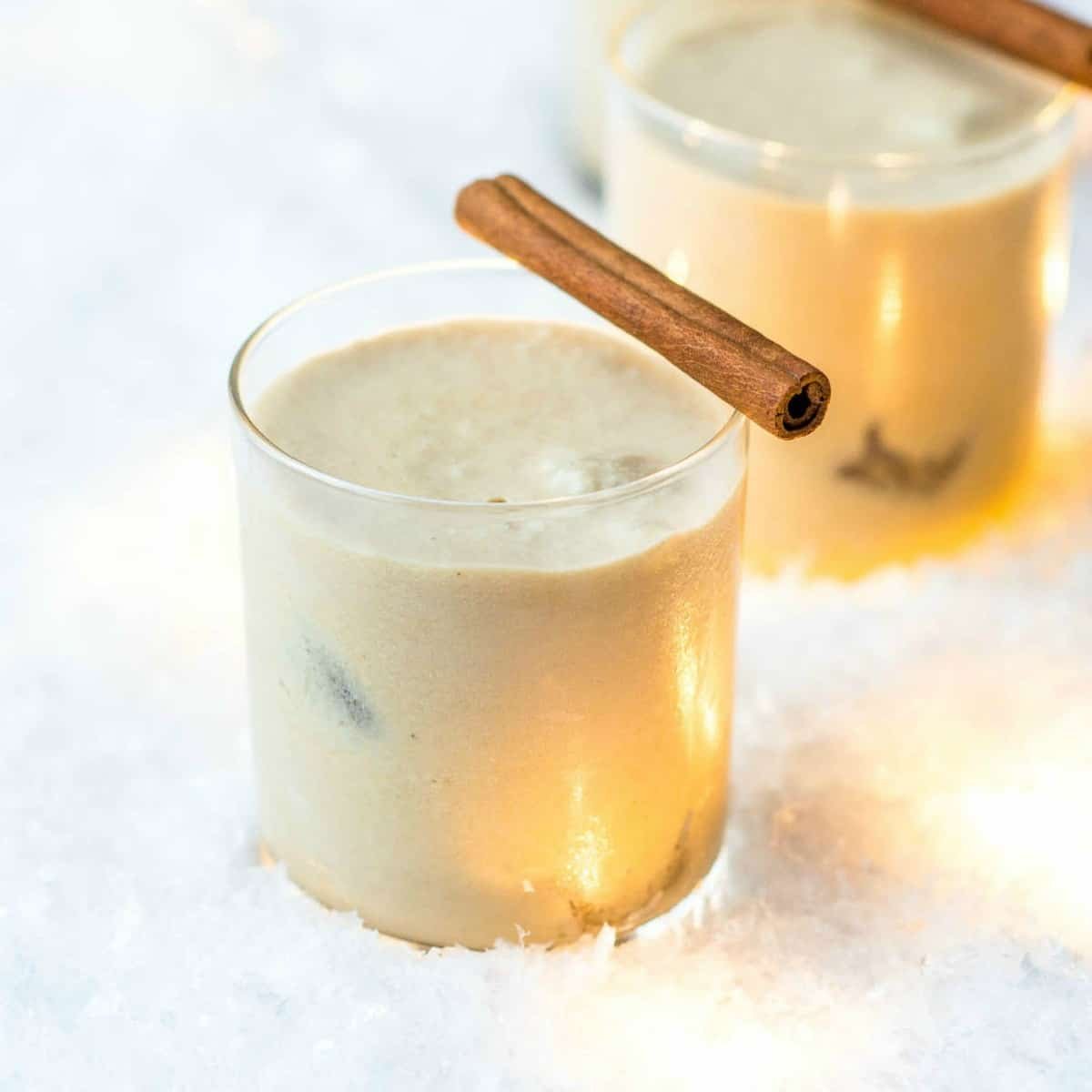
During Christmas, delicacies like kremas (a sweet drink made with coconut milk and rum) and pain patate (sweet potato cake) are a must. These festive dishes strengthen family and cultural ties.

Haïti
Haïti
Haïti

7. A special focus on sharing and conviviality

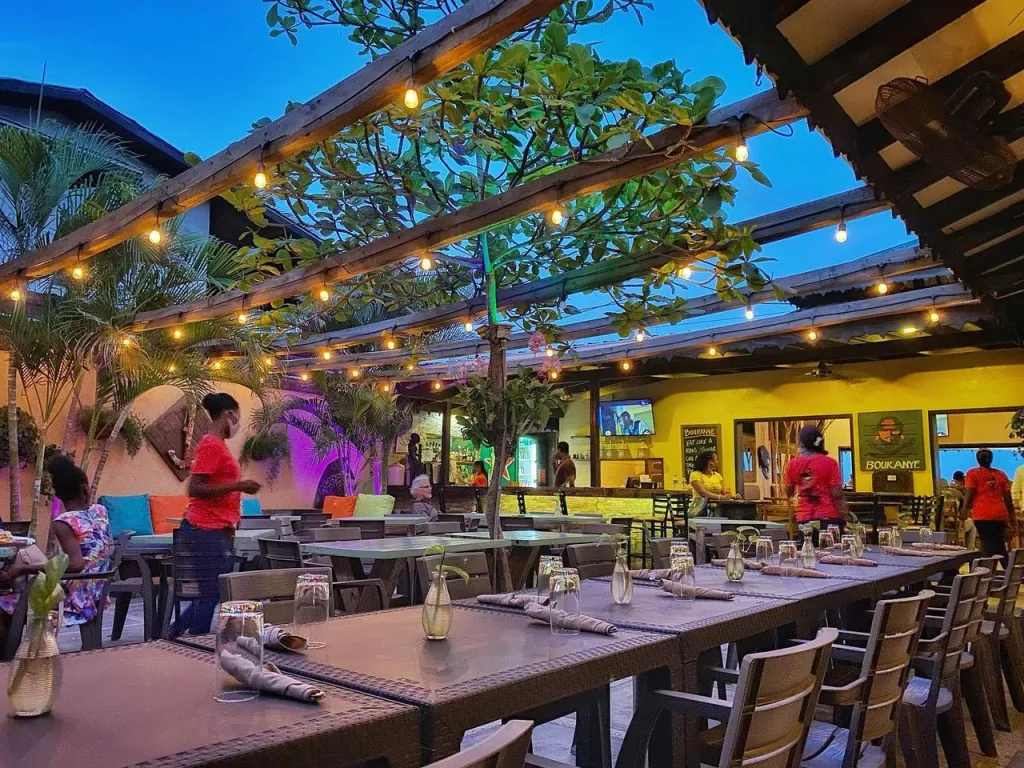
In Haiti, meals are not only about food, but also about moments of sharing. Whether with family or friends, the Haitian table is always a place of conviviality where dishes are prepared and savored with love.

Haïti
Haïti
Haïti

A cuisine full of character

Haitian cuisine is distinguished by its richness, authenticity and its ability to tell the story and culture of a people. Spices, simmered dishes, multicultural influences and the freshness of local ingredients form a whole that makes this gastronomy a treasure to discover.

Whether you taste a piece of griot accompanied by pikliz or savor a bowl of soup joumou, each bite immerses you in the warm and generous soul of Haiti.

Share
About the Author
Appolon Guy Alain
Appolon Guy Alain
Appolon Guy Alain

Full Stack Developer, Créatif, expérimenté, passionné des nouvelles technologies et de l’art.

See other articles from Appolon Guy Alain
PTS Terbaik

Me gusta especialmente cómo resalta el uso magistral de las especias como el epis y la pimienta escocesa, que dan personalidad y profundidad a cada plato.
Visítanos Telkom University Jakarta

July 08, 2025 - 05:37:39 AM
Leave a comment

Recently Posted

The Monferrier Dorval Chair of Constitutional Law, a gesture from the State University of Haiti, for the preservation of the memory of Professor Dorval

The Monferrier Dorval Chair of Constitutional Law is a high-intellectual-intensity initiative, taken by the State University of Haïti (UEH), through the leadership of its rectorate, in agreement with the leaders of the Faculty of Law and Economics (FDSE). The initiative’s primary goal is to honor and perpetuate the memory of the valiant and brilliant Professor Monferrier Dorval, assassinated in unclear circumstances, about three years ago. And in order to make a scientific contribution to the great debate that has been going on in Haitian society for about ten years about the need to change or not, the constitution of March 29, 1987, amended on May 11, 2011. Shouldn’t we try to apply it preferably? If it needs to be changed, should this change be radical, otherwise what should it have in terms of change within a new mother law for a better institutional organization of Haiti. The chair is scientifically chaired by Professor Henri Marge. Dorléans, (current head of AFPEC), and is vice-chaired by the dean of the faculty of law and economics, Me Eugène Pierre Louis. The Chair is materialized by a set of conferences and debates (15 in total), which take place in the premises of the Office of the Protection of the Citizen OPC, under the name of Wednesday of the Monferrier Dorval Chair. It is in this sense that for the fifth edition of the Wednesday of the chair (which took place this Wednesday, October 9, 2024 at the OPC, in the presence of the protector of the citizen, Me Renan Hédouville), attention was placed on education within the debate surrounding the possible development of a new constitution for Haiti. This 5th meeting took place under the theme of: "Education, Teaching, Research, Science and Technologies". The conference was hosted by three greats of the Haitian intellectual community, including two eminent professors of the UEH, namely, Professor Odonel Pierre Louis, academic director of the École normale supérieure (ENS); the vice rector of the UEH, Professor Jacques Blaise. Their interventions were followed by that of the director of the national institute of vocational training (INFP) Mr. Dikel Delvariste.

Newsletter

Subscribe to our newsletter to stay informed of all our activities and news on Haiti.

Haiti: The History of the World’s First Free Black Nation

Haiti, the pearl of the Antilles, is a Caribbean island with a rich and complex history. However, its special status as the world’s first free black nation gives it a unique place in the annals of history. This small island was the scene of an extraordinary revolution which resulted in independence, thus marking the beginning of a new era for the black community and the abolition of slavery. Let’s delve into the captivating story of the birth of the first black republic, Haiti. b~The colonial era and slavery~b Haiti’s history dates back to the arrival of Europeans in the 15th century, when Christopher Columbus discovered the island. European settlers, mainly Spanish and French, introduced slavery to exploit the island’s resources, including sugar, coffee and cotton. The indigenous Native American population was decimated, paving the way for the massive importation of African slaves. b~The Haitian Revolution~b On August 14, 1791, Haitian slaves rose up against their oppressors, sparking the Haitian Revolution. Under the leadership of iconic figures such as Toussaint Louverture, Jean-Jacques Dessalines and Henri Christophe, the insurgent slaves inflicted defeats on European armies, demonstrating fierce resistance and a desperate quest for freedom. b~The Declaration of Independence and the creation of the Republic of Haiti~b On January 1, 1804, Haïti proclaimed its independence, becoming the world’s first free black nation. This historic declaration symbolized the end of slavery and the triumph of the will of a people determined to live free. The Republic of Haïti was born in struggle and blood, asserting its autonomy in the face of the colonial powers. b~Post-independence challenges~b However, independence did not mean the end of challenges for Haiti. The country had to face external pressure, reparations imposed by France in exchange for recognition of its independence, as well as internal unrest. Despite these obstacles, Haïti strove to build a free and sovereign nation. The story of Haïti is that of a nation that overcame countless challenges to emerge as a pioneer of freedom for the black population. The Haitian Revolution remains a unique example of resistance, courage and determination, and Haïti continues to carry the torch of independence in the contemporary world. The legacy of this small Caribbean island still resonates today, reminding the world that freedom is a universal right that can be won even in the most difficult circumstances.

Recently Posted

History

History

First black nation to free itself from slavery and gain independence from France in 1804 and influenced other liberation movements around the world, inspiring struggles for freedom and equality.

Natural beauty

Natural beauty

Haïti is blessed with spectacular natural landscapes, including white sand beaches, mountains and rich biodiversity.

Heritage

Heritage

Haïti has a rich historical heritage, including sites like the Citadelle Laferrière and the Sans-Souci Palace, listed as UNESCO World Heritage Sites.

Culture

Culture

Haïti has a rich and diverse culture, influenced by African, European and indigenous elements. Haitian music, dance, art and cuisine are celebrated around the world.

  • +
    • Post