contact@haitiwonderland.com+509 36184317

Discover

Shopping Cart

How important is tourism in Haiti?

How important is tourism in Haiti?

Tourism is a vital sector for the economic and cultural development of a country, and Haïti is no exception. With a rich historical heritage, breathtaking landscapes, and a vibrant culture, Haïti has a unique tourism potential that can play a crucial role in its development. Let’s find out why tourism is so important to Haïti and how it can transform the country.

Haïti
Haïti
Haïti

A major source of economic revenue

Tourism represents a considerable economic opportunity for Haiti.

- Job creation: The tourism sector directly or indirectly employs thousands of people, particularly in hotels, restaurants, tour guides, and transportation.
- Contributions to GDP: Before the pandemic, tourism represented approximately 5% of Haiti’s gross domestic product (GDP). With strategic investments, this figure could double or even triple.
- Foreign currency inflows: International tourists spend an average of $300 to $500 per visit to Haiti, boosting the local economy.

A thriving tourism sector can provide stable revenues and help diversify the Haitian economy.

Haïti
Haïti
Haïti

A promotion of cultural and historical heritage

Haïti is a true mosaic of cultures, history and traditions.

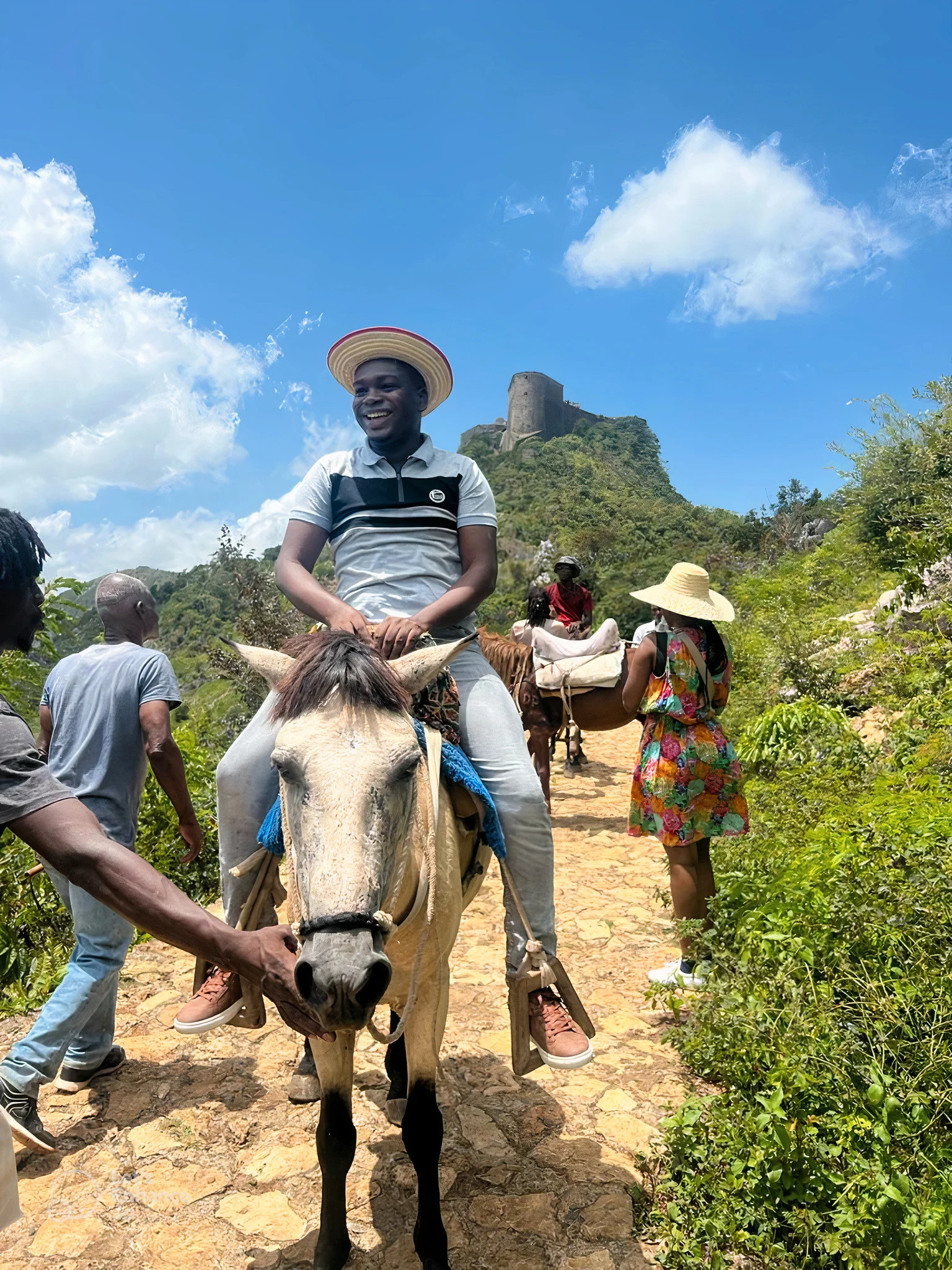
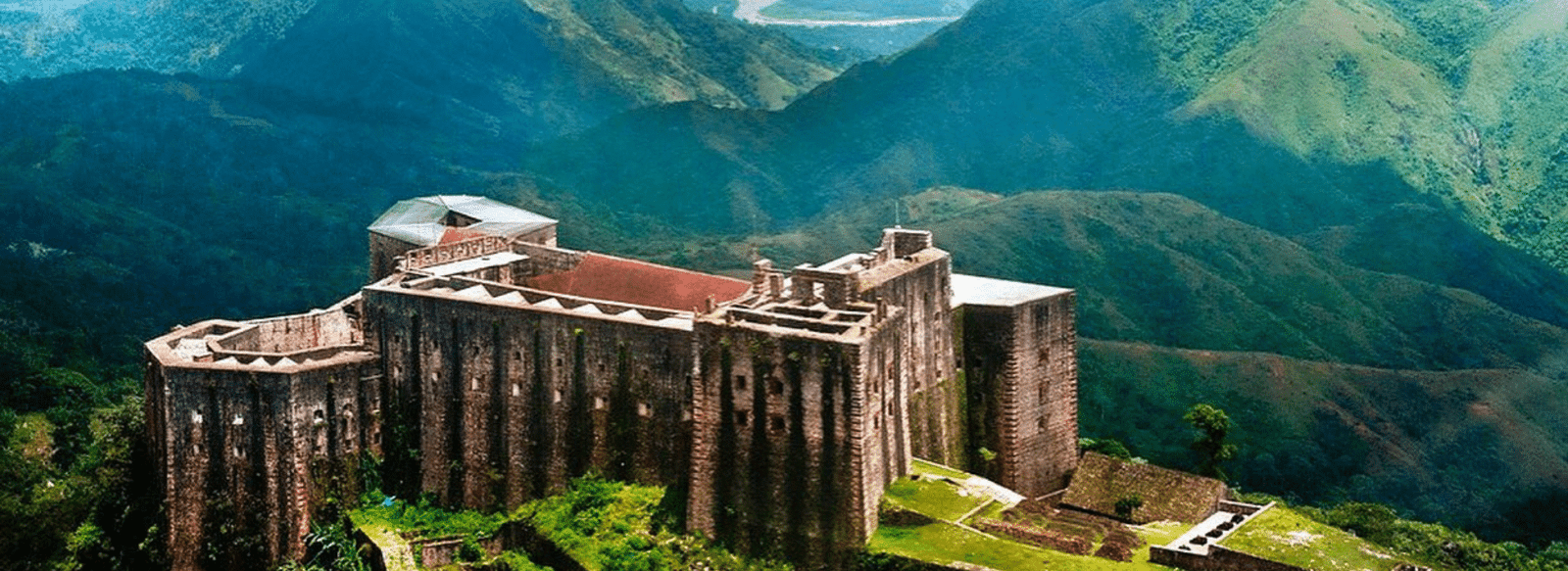
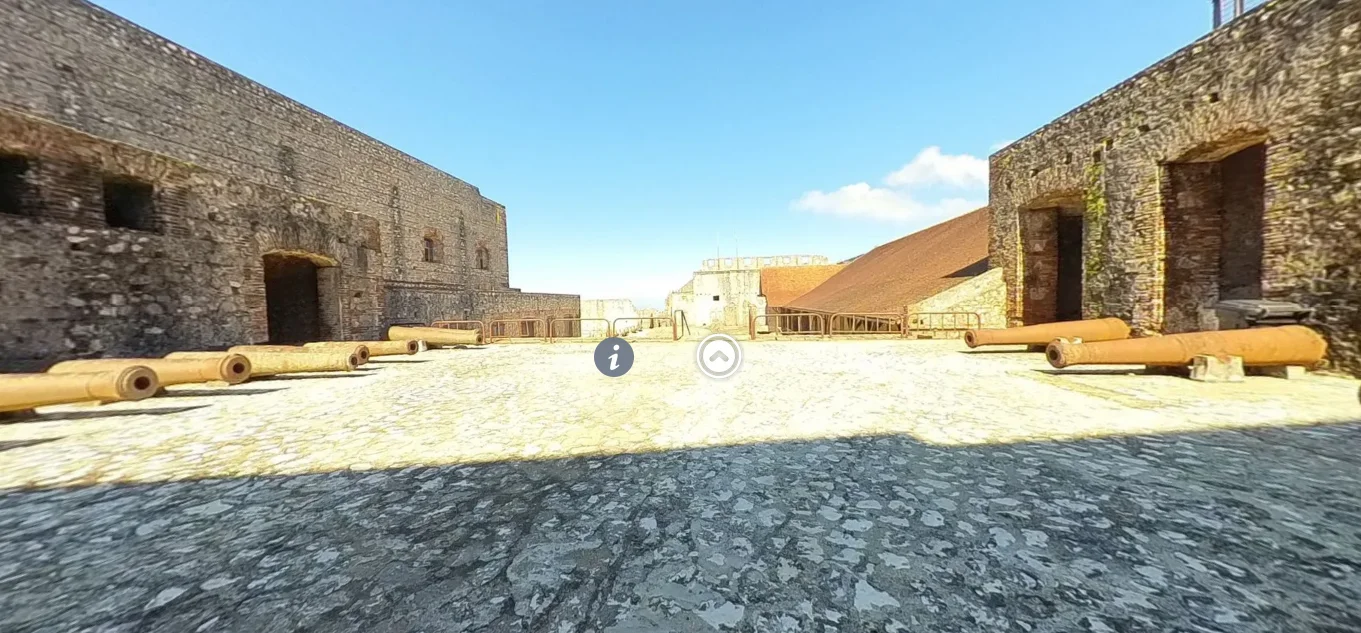
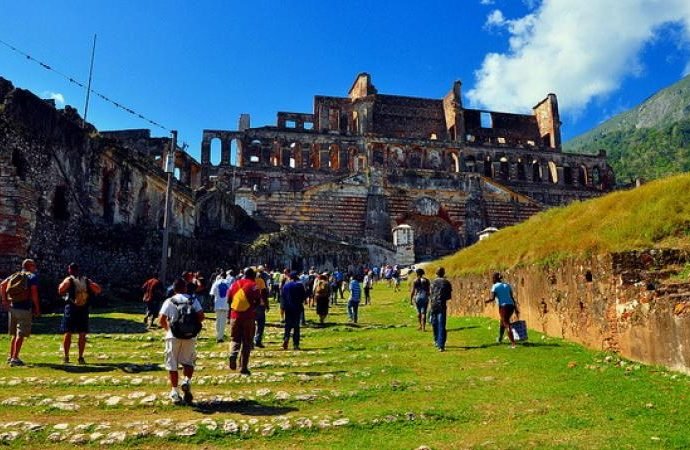
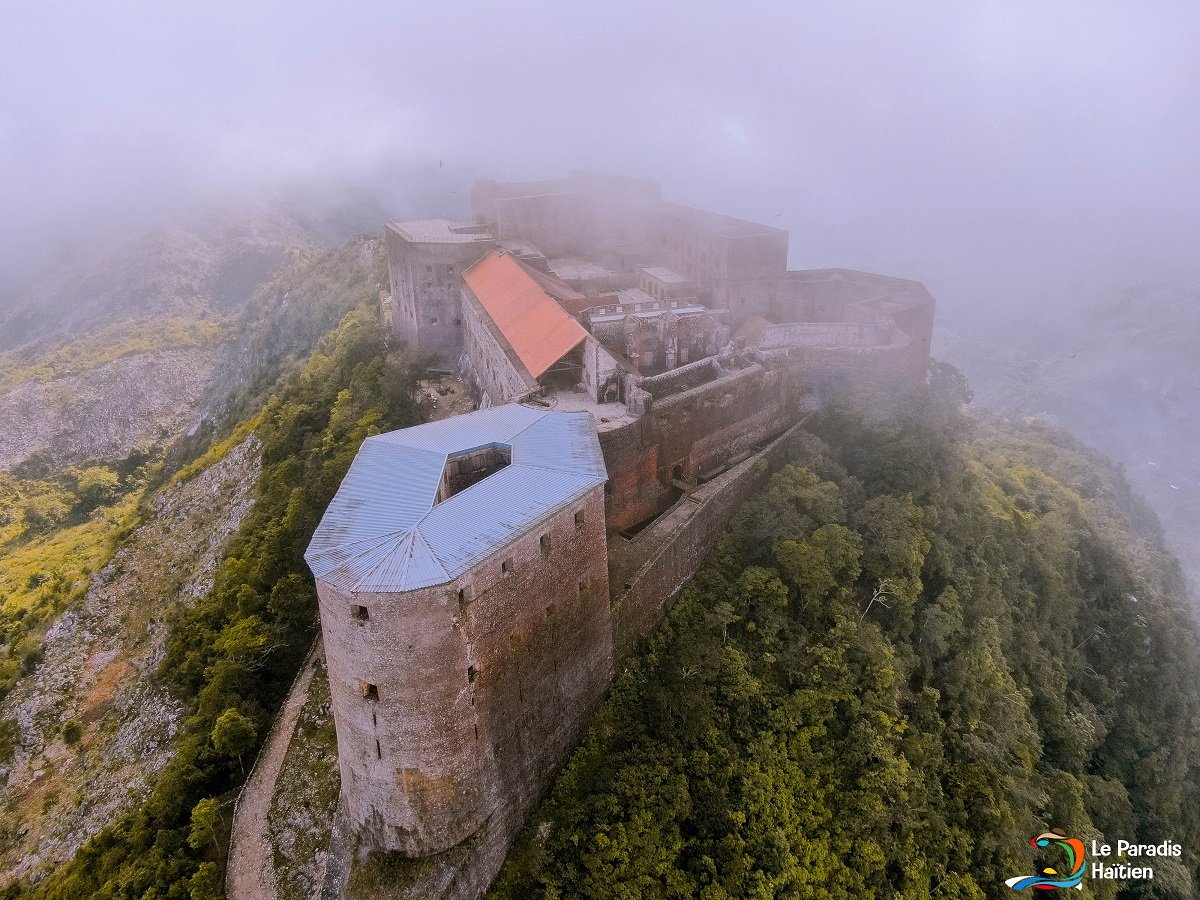
- Historical monuments: Sites such as the Citadelle Laferrière, a UNESCO World Heritage Site, attract thousands of visitors each year.
- Cultural festivals: Events such as the Jacmel Carnival and the Port-au-Prince International Jazz Festival showcase Haitian creativity and art.
- Gastronomy: Traditional dishes such as diri sòs pwa, griot and soupe joumou are an integral part of the tourist experience in Haiti.

By investing in the preservation and promotion of this heritage, Haïti can strengthen its attractiveness to travelers.

Haïti
Haïti
Haïti

An opportunity for local development

Tourism can also play a role in the development of rural and coastal regions.

- Improved infrastructure: The construction of roads, airports and hotels in tourist areas contributes to the development of often neglected regions.
- Support for local communities: Community tourism projects, such as ecological circuits or craft workshops, allow residents to benefit directly from economic spinoffs.
- Environmental preservation: Sustainable tourism encourages the protection of natural resources such as forests, beaches and coral reefs, which are essential for attracting travelers.

Well-planned initiatives can transform tourism into a development engine for the entire country.

Haïti
Haïti
Haïti

Some key figures

Here are some data that illustrate the importance of tourism for Haiti:

- $4.3 million: Estimated tourism revenue generated in 2019.
- 600,000 international visitors: Number of tourists who visited Haïti before the pandemic.
- 50,000 jobs: Estimated positions directly linked to the tourism sector.
- 2,000 potential tourist sites: Spread throughout Haiti, according to the Ministry of Tourism.

These figures show that tourism in Haïti has considerable potential, which is still largely underexploited.

Haïti
Haïti
Haïti

A tool for international influence

Tourism is not limited to economic benefits; it also helps to improve Haiti’s image on a global scale.

- Promoting Haitian Identity: Each visitor leaves with a better understanding of the country’s cultural and historical richness.
- International Partnerships: Collaborations with travel agencies and international organizations help to strengthen Haiti’s visibility.
- Attracting the Diaspora: Tourism encourages members of the Haitian diaspora to return to the country, creating cultural and economic exchanges.

By focusing on an effective tourism marketing strategy, Haïti can position itself as a leading Caribbean destination.

Haiti: Ministry of Tourism

Haiti: Ministry of Tourism

In its quest to revitalize its tourism industry and highlight its natural and cultural riches, Haïti relies on a key player: the Ministry of Tourism. As a government entity dedicated to the promotion and development of tourism, this ministry plays a crucial role in transforming Haïti into a leading tourist destination. One of the main objectives of the Ministry of Tourism is to strengthen the attractiveness of Haïti to international travelers. To do this, it develops innovative marketing campaigns, highlighting the country’s pristine beaches, fascinating historical sites, rich culture and exquisite cuisine. These efforts aim to change the perception of Haïti and generate interest among potential tourists around the world. In collaboration with private sector players, the ministry is committed to supporting and promoting local tourism businesses. By encouraging entrepreneurship and innovation in the tourism sector, the ministry helps create jobs and stimulate the local economy. The Ministry of Tourism also attaches great importance to the preservation of the environment and cultural heritage of Haiti. It implements policies and initiatives aimed at protecting the country’s natural sites, national parks and historic monuments. By encouraging sustainable and responsible tourism, the ministry ensures that future generations will also be able to enjoy the beauty and cultural richness of Haiti. Finally, the Ministry of Tourism works closely with other national and international organizations to promote Haiti’s tourism development. Through strategic partnerships and exchanges of best practices, Haïti benefits from the expertise and support necessary to strengthen its tourism sector and increase its competitiveness in the global market. Haiti’s Ministry of Tourism is a key player in transforming the country into an attractive and sustainable tourist destination. Through its continued efforts to promote tourism, support local businesses, and preserve Haiti’s natural and cultural heritage, the ministry is paving the way for a bright future for the country’s tourism industry.

Haïti
Haïti
Haïti

A Promising Future

Although Haiti’s tourism sector has faced challenges, including political and natural crises, its potential remains immense.

With strategic investments, targeted promotion, and a commitment to sustainable tourism, Haïti can transform this sector into a pillar of its economic and social development.

Have you visited Haïti or want to know more about its tourist attractions? Share your experiences or questions in the comments. Together, let’s celebrate and promote the unique beauty of Haiti!

Share
About the Author
Appolon Guy Alain
Appolon Guy Alain
Appolon Guy Alain

Full Stack Developer, Créatif, expérimenté, passionné des nouvelles technologies et de l’art.

See other articles from Appolon Guy Alain
Ephrene Saint Fleur

Aujourd’hui, le tourisme apparaît comme une expérience importante concernant l’efficacité du concept du développement touristique. En effet, grâce à ses exigences de qualité, de développement de services et de maintien du patrimoine, il peut être un moteur essentiel du développement durable.
Notre zone d’étude, qui est composée du Département du Nord-Ouest en général et de la Commune du Môle Saint-Nicolas en particulier, présente un environnement favorable en riches potentialités naturelles, en patrimoine historique et culturel, arguments majeurs pour vendre les potentialités de l’activité touristique du Môle Saint-Nicolas malgré certaines faiblesses.
L’activité touristique est faible, malgré les efforts des acteurs locaux, à ce jour, les ferveurs défenseurs de l’idée de faire le Môle Saint-Nicolas le poumon économique de cette région ont les mains liées et demeurent impuissantes face à cette situation qui prévaut dans cette région, au point de qualifier l’activité touristique de « fréquentation touristique ».
La promotion des activités touristiques est de nature à contribuer directement au développement socio-économique des zones concernées (création d’emplois directs et indirects, réalisation d’infrastructures d’accès et d’hébergement, etc.). Ces activités permettent aussi d’aider à la sauvegarde de ce patrimoine, dans la mesure où sa préservation et sa valorisation sont perçues comme sources de développement économique et d’amélioration des conditions de vie.
De nombreuses suggestions et efforts doivent être soutenus, comme la valorisation des sites naturels et touristiques, les richesses patrimoniales et artisanales dans le but de séduire le touriste exigeant à la recherche d’un séjour riche et varié.
L’Etat doit œuvrer à appliquer ses politiques touristiques en collaboration avec les acteurs locaux et agir pour vendre les potentialités touristiques du Môle Saint-Nicolas.
Après tous nos enquêtes et entretiens, nous avons constaté que chaque secteur a besoin de l’autre afin de se développer ; sans ce secteur d’activité touristique à Môle Saint-Nicolas, nous pouvons affirmer que le Département du Nord-Ouest dépendra toujours de la rente en devises de ses émigrés ainsi de quelques redistributions de richesses.

07 Out 2025 | 11:44:59 AM
Leave a comment

Recently Posted

Conference / Festival Quatre Chemins / 21st edition

The impact of collective and individual trauma on the personal development of young people in Port-au-Prince While writers, actors, dancers, poets, among others, have gratified us with their performances, the master’s degree student in psychology at the Faculty of Human Sciences (FASCH), Lourdya Blaise, spoke with the audience about trauma. Structured around the theme "Youth and Trauma, analysis of the impact of collective and individual trauma on the personal development of young people living in Port-au-Prince between 2010-2024", this conference gave rise to enriching discussions. During this meeting, moderated by Michaël Formilus, Ms. Blaise showed how the events that have taken place in the country have caused cases of trauma among Haitians. According to the student, citing the American Psychological Association, we speak of trauma as a consequence of trauma. The latter is explained by the fact that we feel threatened, whether it is the person in question or their loved ones. However, she specifies that a collective trauma remains depending on the impact that the event has on the individual. To illustrate her remarks, she mentioned the earthquake of January 12, 2010, considered a collective trauma, insofar as it still occupies our minds. This tragedy reminds us of the disappearance of our loved ones and enormous losses. This is the case of a trauma that becomes a collective trauma. For the student, it should be emphasized that when an event occurs, some people are traumatized and others are not. According to him, the violence of armed gangs is not perceived in the same way, says Ms. Blaise. There are people who have fled their homes but are not traumatized. In fact, some people see traumatic situations as a passing event, she says. The speaker also spoke about collective trauma, which, according to him, preoccupies the mind, even if we no longer experience it. It manifests itself in several forms: lack of sleep, fear psychosis, intrusive thoughts, intense heartbeat, etc. Generally, symptoms related to trauma are hard to die. When it persists, it becomes acute stress. To deal with it, we must talk to other people. If the situation persists, acute stress turns into a phase of post-traumatic stress; in this case, we must confide in a trusted person or go see a mental health specialist, she advises. In her presentation, Lourdya Bazile also drew attention to the psychological state of children in these times. According to the presenter, children are also facing this crisis situation, even if they do not talk about it to their parents. As much as adults, children also plan their future. Faced with flouted school years, they become pensive and worried, she stressed. They withdraw. The child who used to be brilliant can become violent and perform less well at school. Parents are called upon to listen to them and understand them. A good moment of exchange, rich in practical advice. The audience participated fully. In turn, the presenter invites them to breathe better and meditate. "We live in a country where worries mix, we must take time for ourselves, do sports, eat well, make sure that the sleeping space is clean and take time for ourselves. There is more than one way to find calm," recalls the psychologist. Gertrude Jean-Louis

Newsletter

Subscribe to our newsletter to stay informed of all our activities and news on Haiti.

Recently Posted

History

History

First black nation to free itself from slavery and gain independence from France in 1804 and influenced other liberation movements around the world, inspiring struggles for freedom and equality.

Natural beauty

Natural beauty

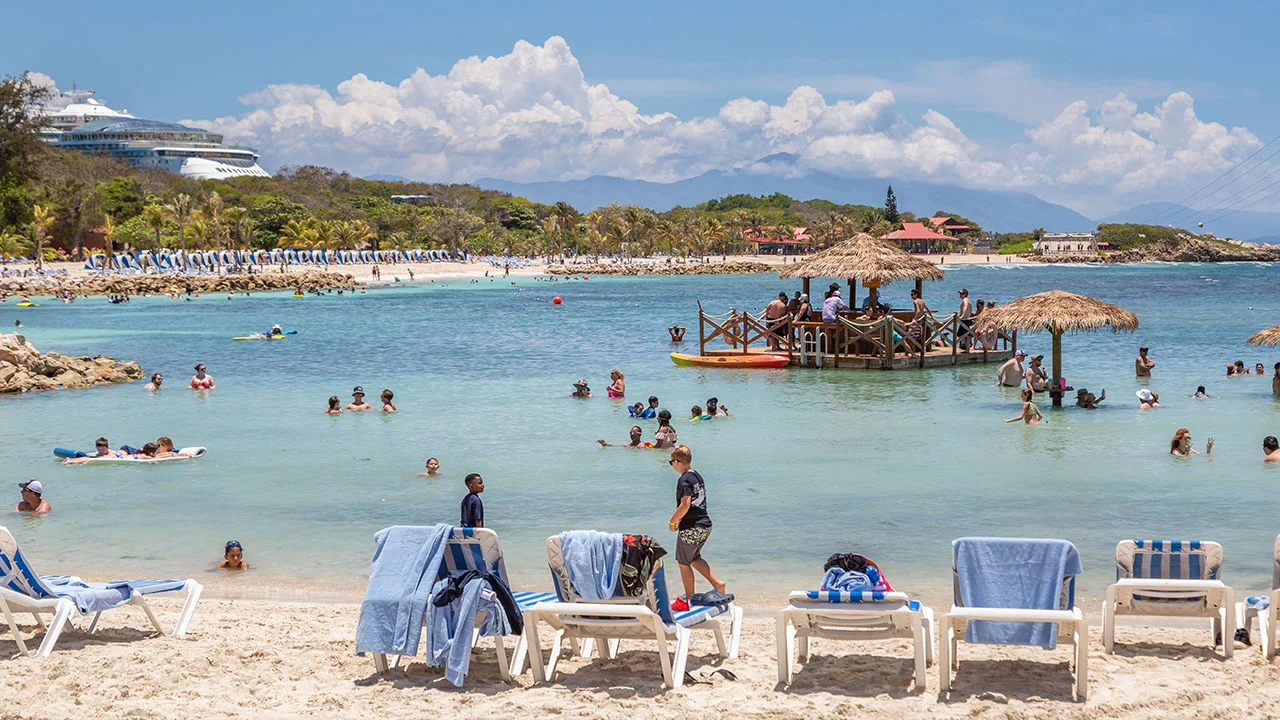
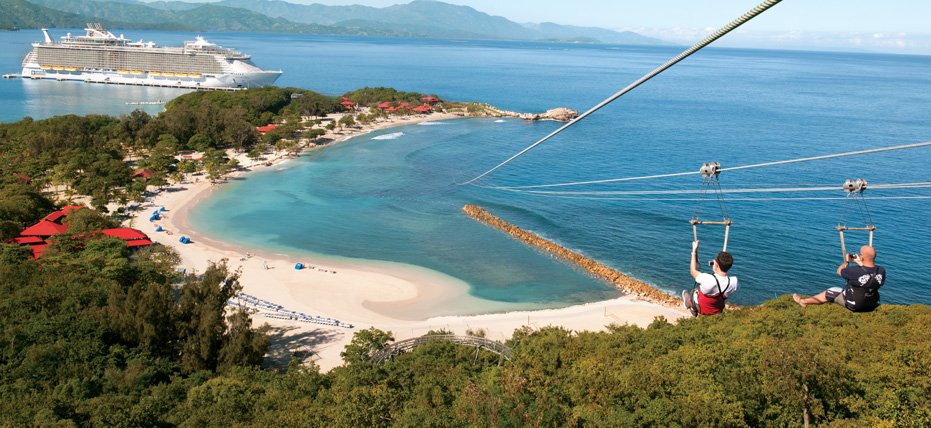
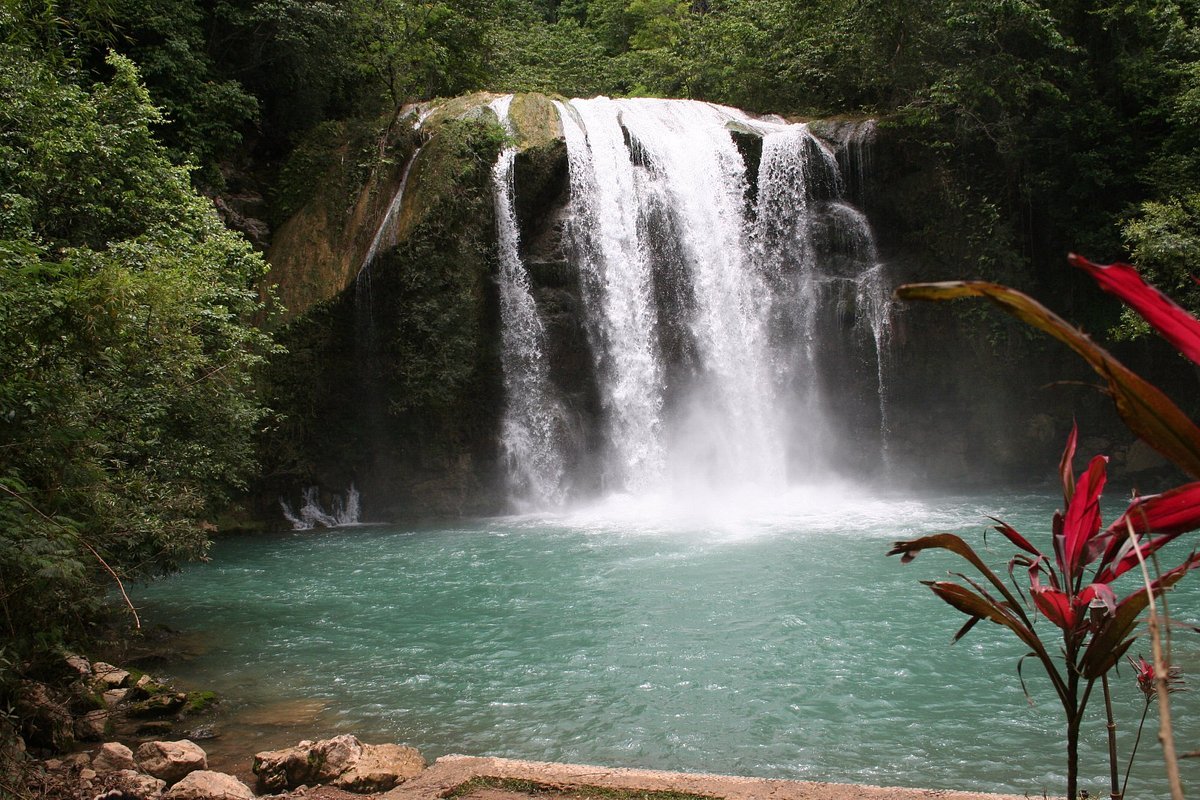
Haïti is blessed with spectacular natural landscapes, including white sand beaches, mountains and rich biodiversity.

Heritage

Heritage

Haïti has a rich historical heritage, including sites like the Citadelle Laferrière and the Sans-Souci Palace, listed as UNESCO World Heritage Sites.

Culture

Culture

Haïti has a rich and diverse culture, influenced by African, European and indigenous elements. Haitian music, dance, art and cuisine are celebrated around the world.

  • +
    • Post