contact@haitiwonderland.com+509 36184317

Discover

Shopping Cart

Haiti: History, Culture and Resilience of a Unique Caribbean Nation

Haiti: History, Culture and Resilience of a Unique Caribbean Nation

Haiti, located in the Caribbean, occupies the western third of the island of Hispaniola, which it shares with the Dominican Republic to the east. Its capital, Port-au-Prince, is the political, economic and cultural heart of the country. With an area of ​​approximately 27,750 km², Haïti is home to nearly 12 million people, making it one of the most densely populated countries in the Caribbean region. This island nation’s rich and tumultuous history, unique cultural heritage and resilience in the face of challenges make it a fascinating and inspiring country.

Haïti
Haïti
Haïti

History: First Independent Black State

Haïti is distinguished by its history of struggle for freedom and equality. During the colonial era, it was called "Saint-Domingue" under French rule and became one of the most prosperous colonies thanks to sugar, coffee and indigo plantations. However, this wealth was based on the cruel exploitation of African slaves.

The Haitian Revolution, which began in 1791, was a direct response to this oppression. Led by leaders such as Toussaint Louverture, Jean-Jacques Dessalines and Henri Christophe, the slaves rebelled against the French colonists. In 1804, after years of war, Haïti declared its independence, becoming the first independent black state and the first country in the Americas to abolish slavery. This historic victory resonated internationally, influencing abolitionist and anti-colonialist movements around the world.

Haïti
Haïti
Haïti

Culture and Identity: A Unique Blend

Haitian culture is a rich blend of African, French, Spanish, and Native American influences. Haitian Creole, the national language, and French, the official language, are the two languages ​​spoken in the country. Religion is also a reflection of this cultural diversity: although the majority of the population is Catholic, Voodoo, a religion of African origin, is widely practiced and is a pillar of Haitian identity. This ancestral cult plays a major role in daily life and is celebrated through rituals, ceremonies, and festivals.

The arts occupy a central place in Haitian culture. Music, especially the compas and the rara, is deeply rooted in the daily lives of the Haitian people. Haitian paintings, famous for their bright colors and naïve style, are a testament to the creativity and unique vision of Haitian artists. Haitian literature is also rich, with internationally renowned authors such as Jacques Roumain, René Depestre and Dany Laferrière, who have helped to make their country’s voice and challenges known.

Haïti
Haïti
Haïti

Environment and Nature

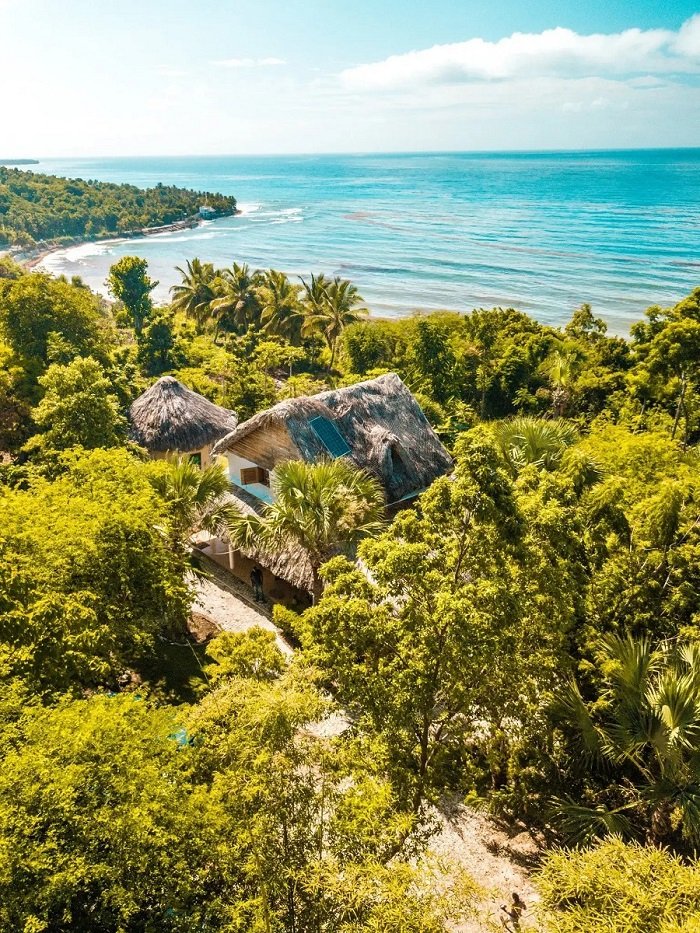
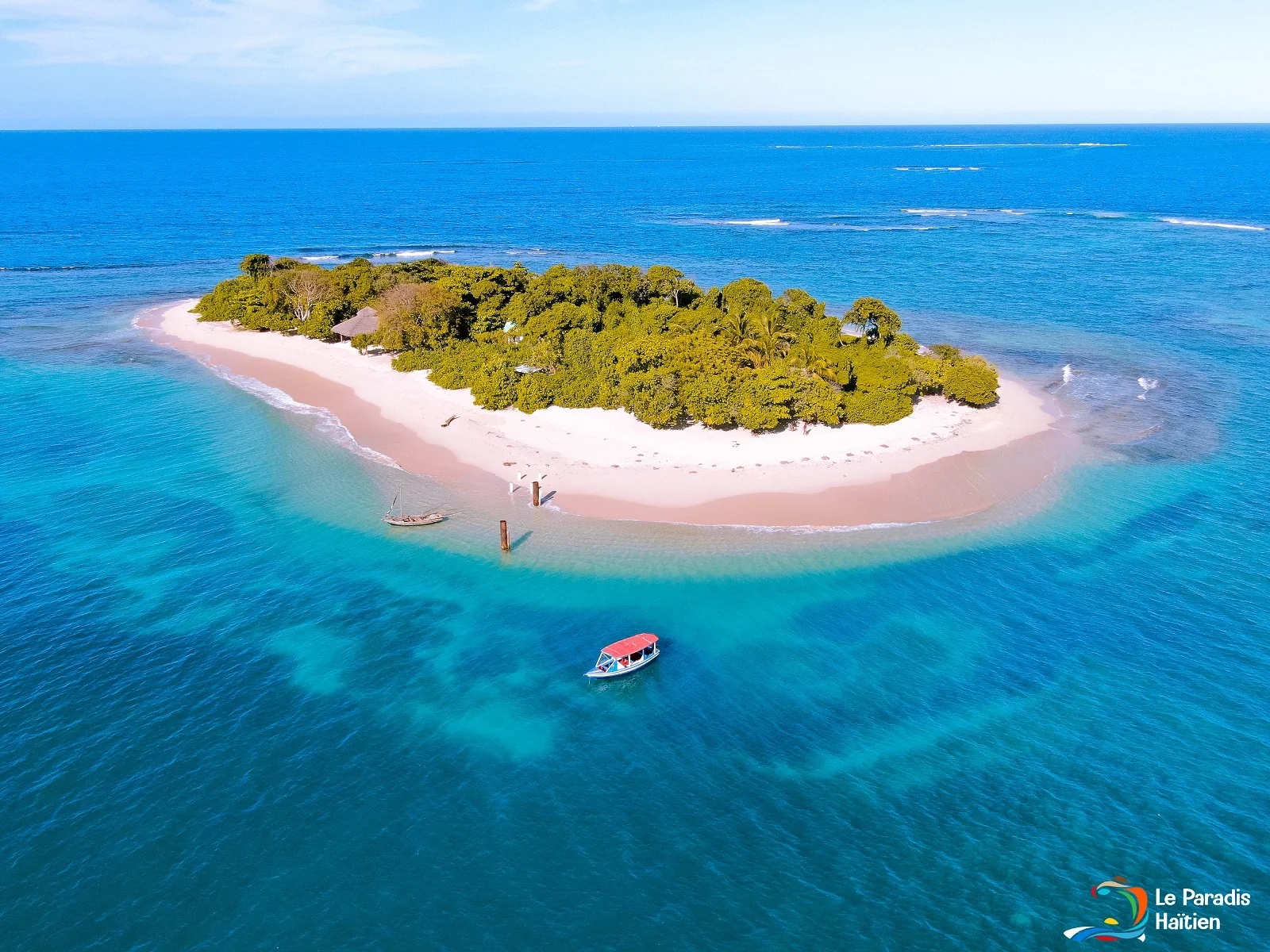
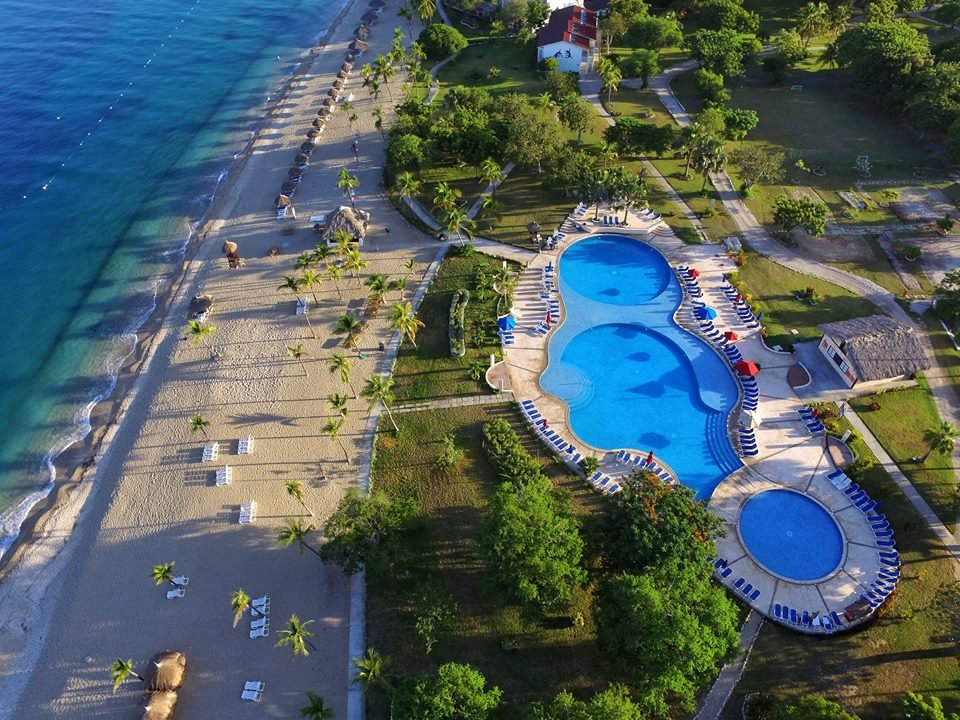
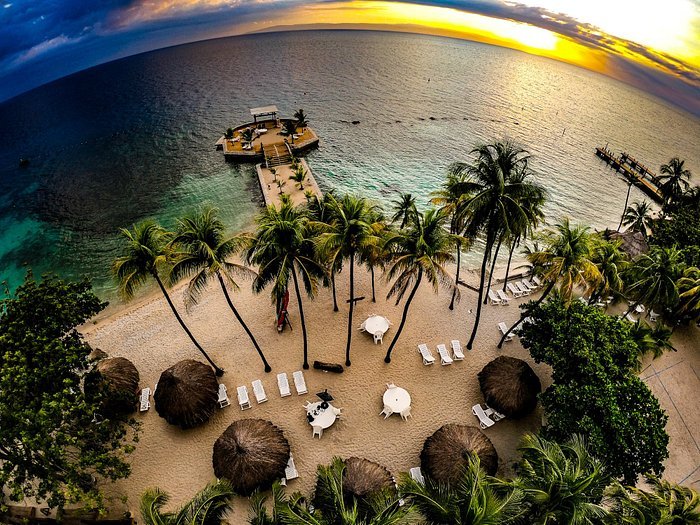
Haïti is known for its mountainous landscapes, earning it the nickname "The Pearl of the Antilles". The country has an impressive biodiversity with tropical forests, white sand beaches, rivers and waterfalls.

Haïti: The Pearl of the Antilles

Haïti: The Pearl of the Antilles

Located in the Caribbean Sea, Haïti is often nicknamed "The Pearl of the Antilles". This laudatory title not only reflects the beauty of its idyllic beaches, but also the history, culture and natural wealth of this island nation. Throughout the centuries, Haïti has acquired this prestigious reputation for various reasons, which go beyond its picturesque landscapes. b~Natural Beauty:~b Haïti is blessed with an abundance of natural beauty. Its sandy beaches, crystal clear waters, majestic mountains and lush valleys make it a dream destination for travelers from all over the world. Generous nature has endowed Haïti with impressive ecological diversity, which has helped shape its image as the pearl of the Antilles. b~Cultural Wealth:~b Beyond its landscapes, it is the richness of Haïtian culture which contributes to its reputation as a pearl. Haïti has a fascinating history, blending influences from indigenous Taino people, European settlers and African slaves. This cultural fusion gave rise to a unique artistic and musical tradition, embodied in expressions such as voodoo, naive painting and compass music. b~Historical Heritage:~b Haïti has played a central role in the history of the struggle for freedom and equality. In 1804, it became the first independent republic in Latin America and the Caribbean, after a revolution led by freed slaves. This courageous act of independence established Haïti as a symbol of resistance and determination, adding a historic dimension to its status as the pearl of the Antilles. b~Natural Resources~b Haïti is abundant in valuable natural resources, which has contributed to its nickname as the Pearl. Mineral-rich mountains, fertile soils and abundant water reserves have made Haïti a land of opportunity. Haïti, the pearl of the Antilles, is much more than just a tourist destination. It is a country whose natural beauty, cultural richness, historical heritage and natural resources contribute to a unique identity. It remains a jewel in the crown of the Caribbean, reminding the world of the strength and resilience of the Haïtian people.

Haïti
Haïti
Haïti

Economy: Challenges and Opportunities

The Haitian economy is mainly based on agriculture, although this sector is weakened by infrastructure problems, traditional cultivation techniques and natural disasters. The main agricultural products are coffee, cocoa, sugar cane, rice and tropical fruits. In addition to agriculture, Haïti also has a textile industry that supplies some of its exports, particularly to the United States.

Political instability and corruption have often hampered the country’s economic development. In addition, the Haitian diaspora, particularly large in the United States, Canada, and France, plays a vital role in sending remittances that support many families and contribute significantly to the country’s gross domestic product (GDP).

Haïti
Haïti
Haïti

Haïti Today: Hope and Resilience

Despite its challenges, the Haitian people are recognized for their resilience and determination. For several decades, Haïti has received significant international aid to support its development, particularly in the areas of education, health, and infrastructure. Non-governmental organizations (NGOs), UN agencies, and various international partners work to improve the living conditions of Haitians.

Haitian youth, in particular, are a source of hope for the country. More and more young Haitians are getting involved in local development projects, environmental protection and strengthening civil society. This generation aspires to a better future and is ambitious to make Haïti a more stable, prosperous and internationally respected country.

Haïti is much more than a country marked by difficulties. It is a land of history, culture and courage. From the Haitian Revolution, a symbol of freedom and emancipation, to the art and literature that reveal the soul of its people, Haïti embodies a rich heritage that the world cannot ignore. Its inhabitants, in the face of incessant challenges, continue to build their future with resilience, dignity and a pride that testifies to their deep attachment to their nation and their traditions.

Share
About the Author
Appolon Guy Alain
Appolon Guy Alain
Appolon Guy Alain

Full Stack Developer, Créatif, expérimenté, passionné des nouvelles technologies et de l’art.

See other articles from Appolon Guy Alain
Leave a comment

Recently Posted

Christmas in Haiti: Between Magic, Discoveries and Delicacies

The joyful ringing of bells echoes through the streets of Haïti as the holiday season approaches. Christmas is a magical time when the streets light up, families gather and a warm atmosphere invades the island. Between traditions, cultural discoveries and gourmet feasts, Christmas in Haïti promises a unique experience. b~The Magic of Lights and Decorations~b From the beginning of December, Haïti is adorned with sparkling lights and festive decorations. The markets come alive with shimmering garlands, twinkling stars and ornate fir trees. The streets of Port-au-Prince in Jacmel shine with a special magic, inviting locals and visitors to immerse themselves in the festive spirit. b~Haitian Traditions at Christmas~b Christmas in Haïti is celebrated with a unique combination of religious traditions and local customs. Midnight Mass is a deeply rooted tradition, drawing worshipers to churches to celebrate the birth of Jesus in a vibrant atmosphere of song and prayer. A popular tradition is the "Dawn Mass" which takes place at dawn on December 25. The faithful gather to welcome Christmas Day with special fervor, testifying to the deep spirituality that permeates the festivities. The festivities are not limited to churches. Street parades, folk dances and concerts are commonplace, creating a joyful atmosphere throughout the country. Traditional Haitian music, such as direct compass and voodoo, adds a special dimension to these celebrations. b~Cultural Discoveries: Haitian Crafts~b Christmas is also an ideal opportunity to discover unique Haitian crafts. Christmas markets offer a variety of handicrafts, such as wooden sculptures, vivid paintings, wrought iron items and traditional jewelry. These works of art reflect the artistic talent of the Haitian people and provide unique and meaningful gifts. Local markets, such as the Ferrier market in Cap-Haitien and the Jacmel market, are essential places to discover the authenticity of Haitian crafts. These purchases also help support local artists and the community economy. b~Gourmet Feasts: Christmas Cuisine~b Christmas in Haïti is also a gastronomic celebration. Families gather around festive tables laden with traditional culinary delights. “Joumou soup”, a pumpkin soup, is an essential specialty of the holiday season. Pork, lamb and chicken dishes are also common, accompanied by rice and local vegetables. Traditional desserts, such as “Pen patat” and “Tablèt Pistach,” add a sweet touch to the celebration. Tropical fruits, such as mangoes and bananas, are also often present on Christmas tables, recalling the richness of Haitian biodiversity. Christmas in Haïti is a vibrant celebration that blends the magic of lights, religious traditions, local crafts and delicious cuisine. It is a time when joy and generosity are in the spotlight, and when Haitians open their hearts to share the magic of the season with the world.

Newsletter

Subscribe to our newsletter to stay informed of all our activities and news on Haiti.

Recently Posted

History

History

First black nation to free itself from slavery and gain independence from France in 1804 and influenced other liberation movements around the world, inspiring struggles for freedom and equality.

Natural beauty

Natural beauty

Haïti is blessed with spectacular natural landscapes, including white sand beaches, mountains and rich biodiversity.

Heritage

Heritage

Haïti has a rich historical heritage, including sites like the Citadelle Laferrière and the Sans-Souci Palace, listed as UNESCO World Heritage Sites.

Culture

Culture

Haïti has a rich and diverse culture, influenced by African, European and indigenous elements. Haitian music, dance, art and cuisine are celebrated around the world.

  • +
    • Post