

Spectacular Nature: Hidden Wonders to Discover
Haïti is home to an incredible diversity of landscapes, which will enchant nature and adventure lovers.
When we talk about the Caribbean, images of white sand beaches, turquoise waters and luxurious resorts often come to mind. But Haïti offers much more than a classic postcard. With its fascinating history, vibrant culture and breathtaking natural landscapes, Haïti stands out as a unique destination. Whether you are a culture vulture, nature enthusiast or curious foodie, Haïti is a treasure trove to explore. Discover why this country deserves a top spot on your travel list.
Read the article in :
Haïti is home to an incredible diversity of landscapes, which will enchant nature and adventure lovers.

La Visite National Park and Macaya Park offer unforgettable hikes in the heart of Haitian biodiversity. With its mountain peaks, tropical forests and waterfalls, Haïti is a dream for hikers and nature photographers.

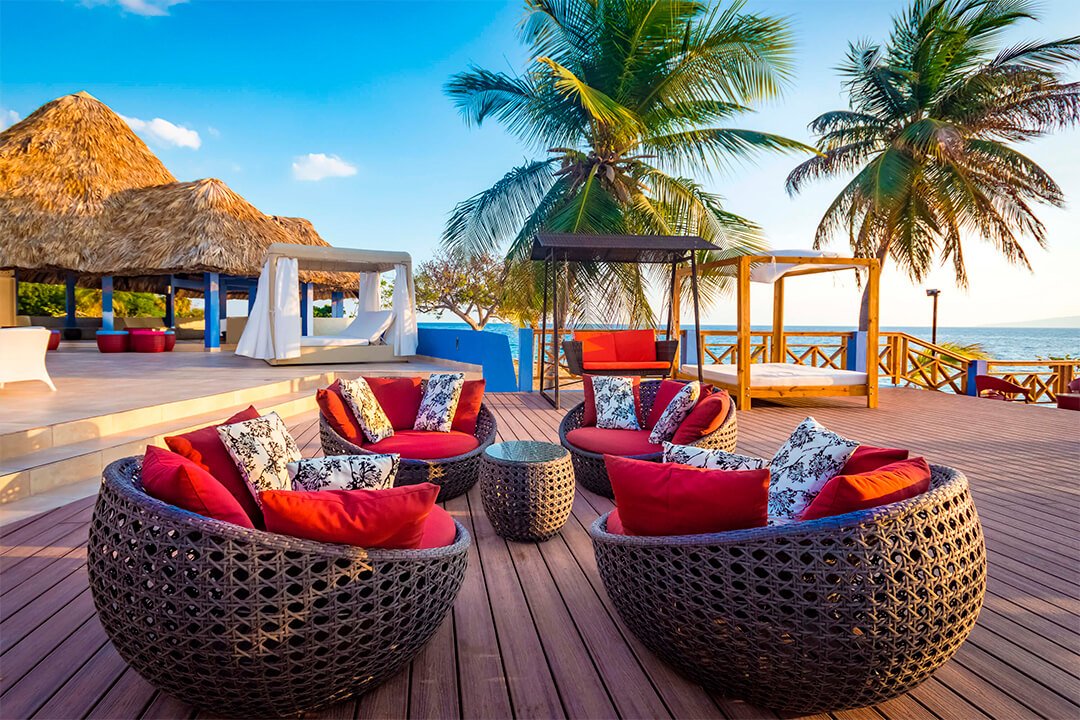
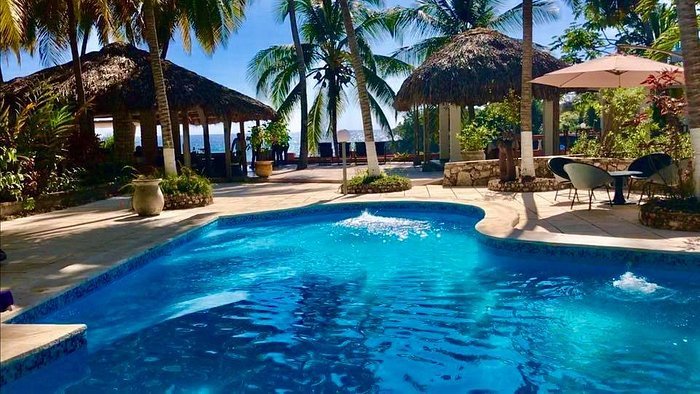
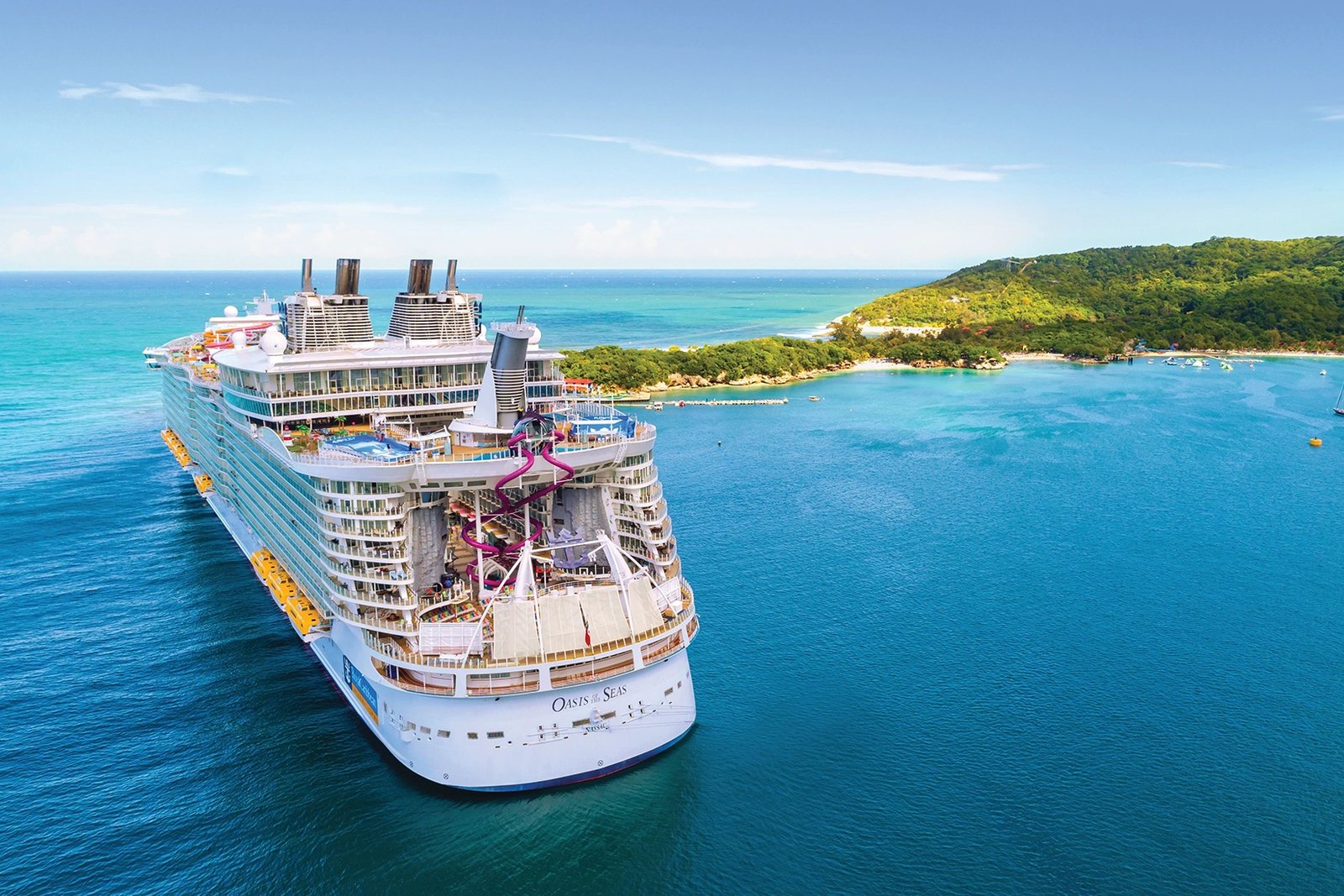
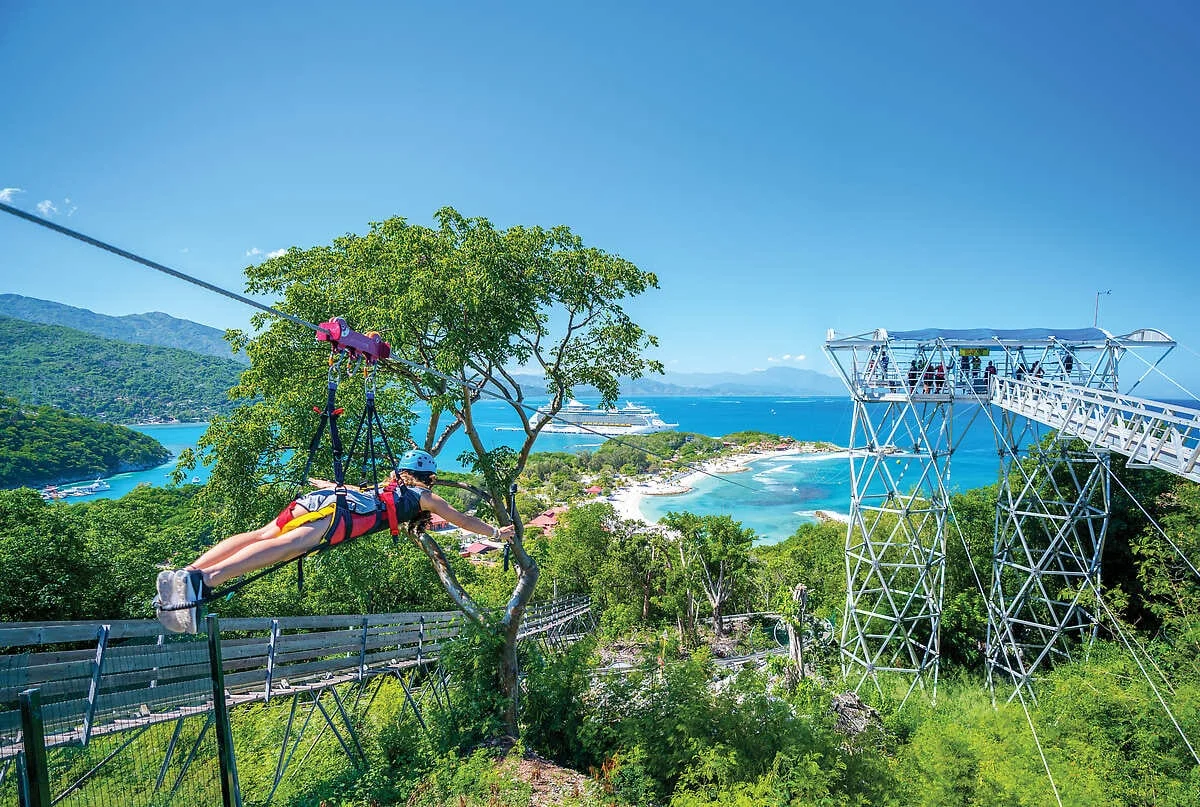
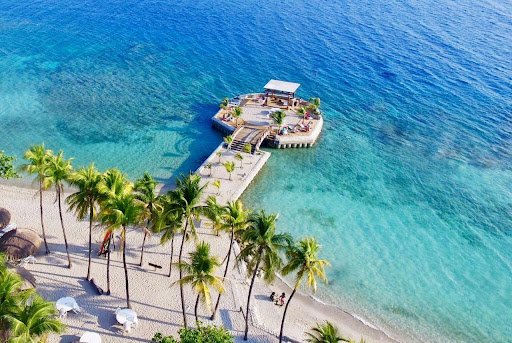
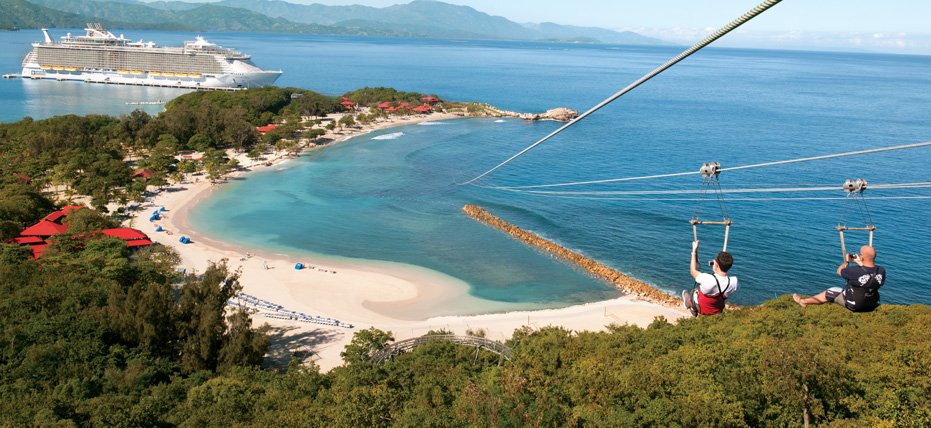
Haïti has beaches worthy of the most beautiful seaside destinations. Labadee and Cormier Plage are perfect places to enjoy a sunny day. Gonâve Island and Île-à-Vache are also ideal spots to escape far from it all.

The Marie Jeanne cave and the Saut-Mathurine waterfalls fascinate adventurers and add a touch of mystery to the exploration of the country.

Haïti is the first black country to have conquered its independence in 1804, an event that marked world history.

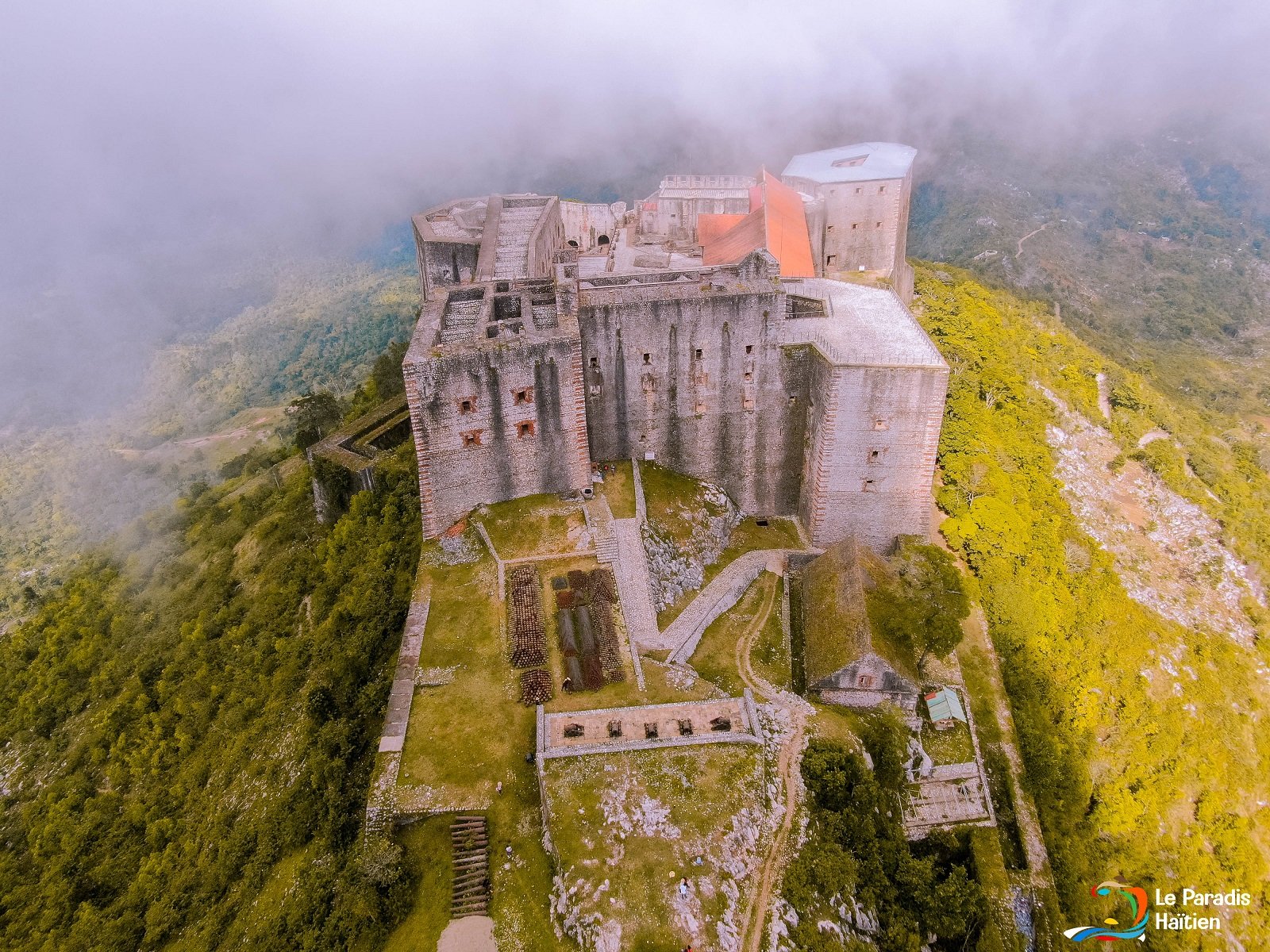
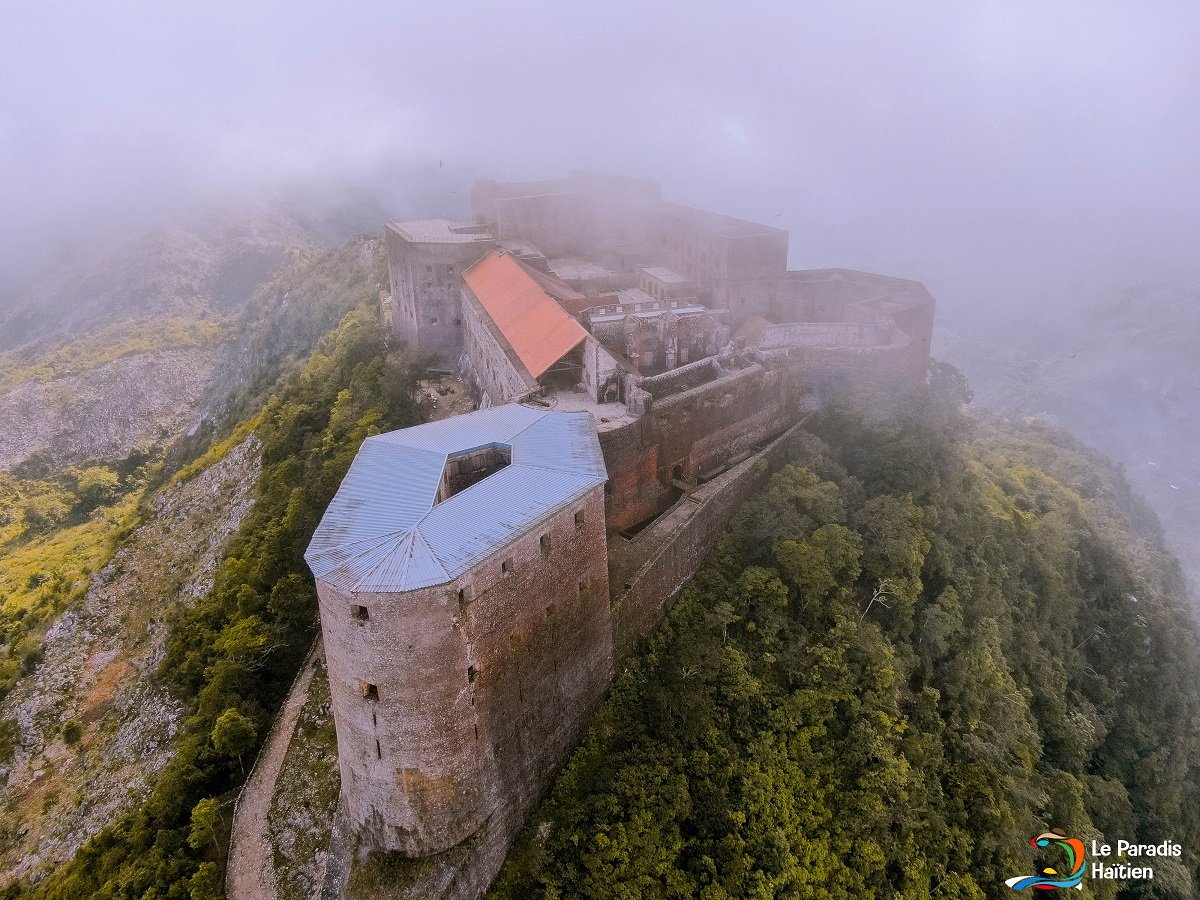
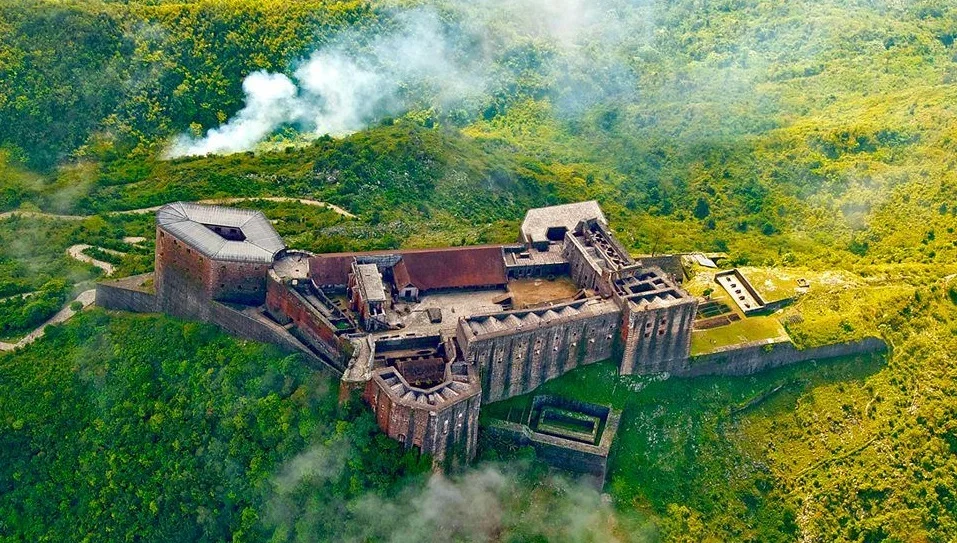
Located in the North, the Citadelle is a masterpiece of engineering and a symbol of freedom. Classified as a UNESCO World Heritage Site, it offers a breathtaking panoramic view and a dive into the history of the Haitian struggle for independence.

This palace is another testament to the grandeur of the post-colonial era. Located in Milot, it offers visitors a fascinating glimpse into the cultural richness of Haïti in the early 19th century.

Haïti is renowned for its vibrant culture and deep-rooted traditions.

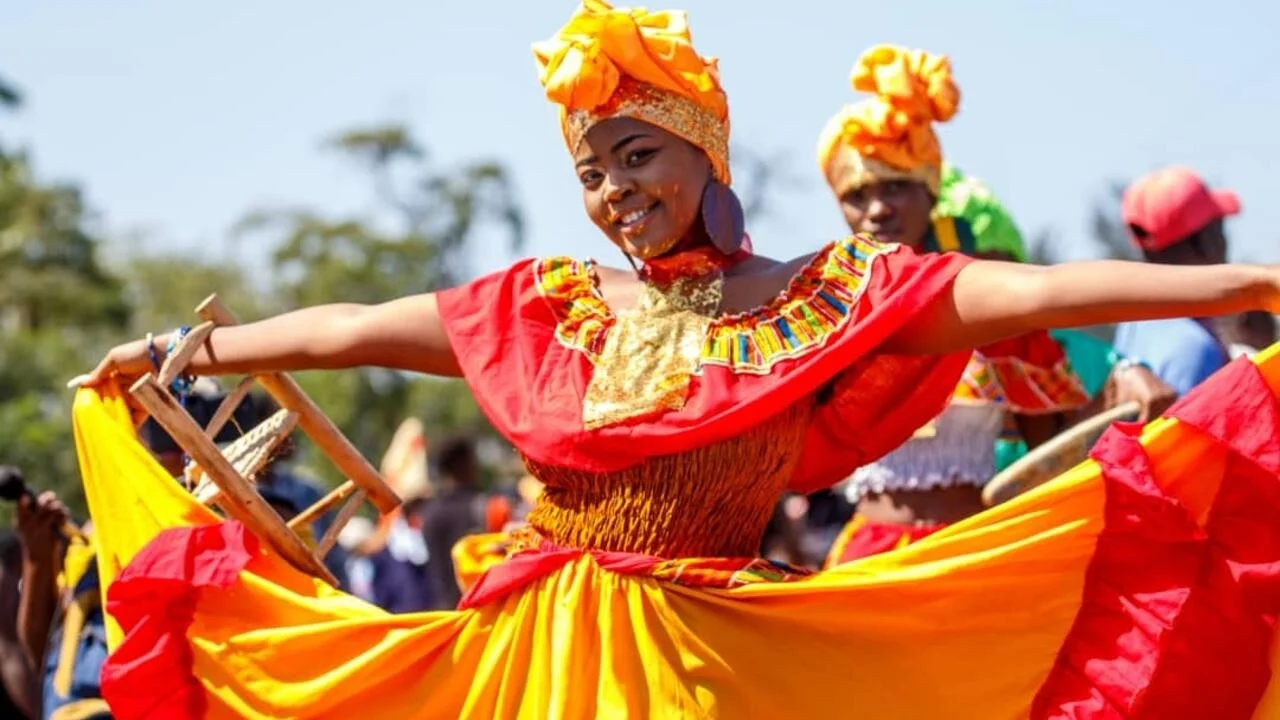
The country hosts unique cultural events, such as Carnival with its artisanal costumes and artistic performances. The rara festivals, with their captivating rhythms, are also a captivating spectacle for any visitor.

Renowned worldwide, Haitian crafts are rich in color and creativity. From naive paintings to metal sculptures, each piece tells a story of resilience and cultural pride.

Haitian cuisine is a savory blend of African, French, and Creole influences.

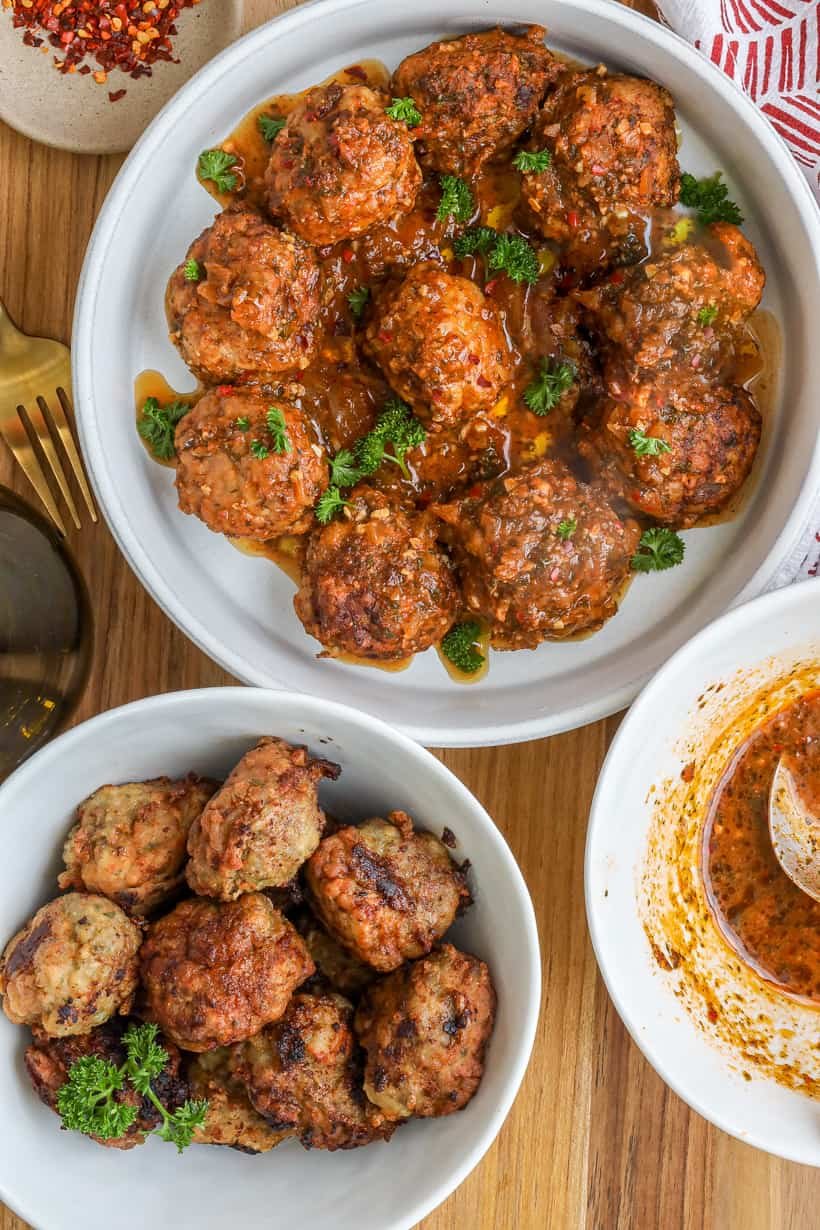
Sample local delicacies like griot (marinated and fried pork), diri ak djon djon (rice with black mushrooms), and lalo (a dish made from local spinach). Each dish is prepared with unique spices that tantalize the taste buds.

In addition to Haitian rum, renowned for its quality, don’t miss clairin, a traditional spirit, and jus de corossol, a refreshing drink made from soursop fruit.
To learn more about Haitian cuisine, check out this article: https://haitiwonderland.com/haiti/cuisine/les-delices-de-la-cuisine-haitienne--20-plats-incontournables/24

Haïti is much more than a tourist destination, it is an immersion in a rich culture and an intense history. By visiting Haiti, you are also helping to encourage sustainable and responsible tourism, allowing local communities to thrive while preserving the wonders of the country. Don’t miss the opportunity to discover such a fascinating country, where every corner reveals a new treasure to explore.
Ready to Go? Haïti Awaits You!

Facebook : https://www.facebook.com/haitiwonderland
Youtube : https://www.youtube.com/@haitiwonderland
Instagram : https://www.instagram.com/haitiwonderland/
Twitter : https://twitter.com/haitiwonderland
Linkedin : https://www.linkedin.com/in/haitiwonderland/
DevExpo, June 21, 2025 - Haitian software engineer Appolon Guy Alain officially launched MyTeamCollab, a new, innovative document management and sharing platform designed for modern teams. This solution addresses a common problem: the loss of essential documents in the maze of instant messaging and email.
Are you a parent? Are your children already going to school? Don’t say anything, I know! Every morning, it’s the same question: "What’s in their lunch today?" You want it to be tasty, balanced, and, above all, for your child to enjoy what they’re eating. Here are 5 simple and delicious ideas to treat your child at school.
Subscribe to our newsletter to stay informed of all our activities and news on Haiti.
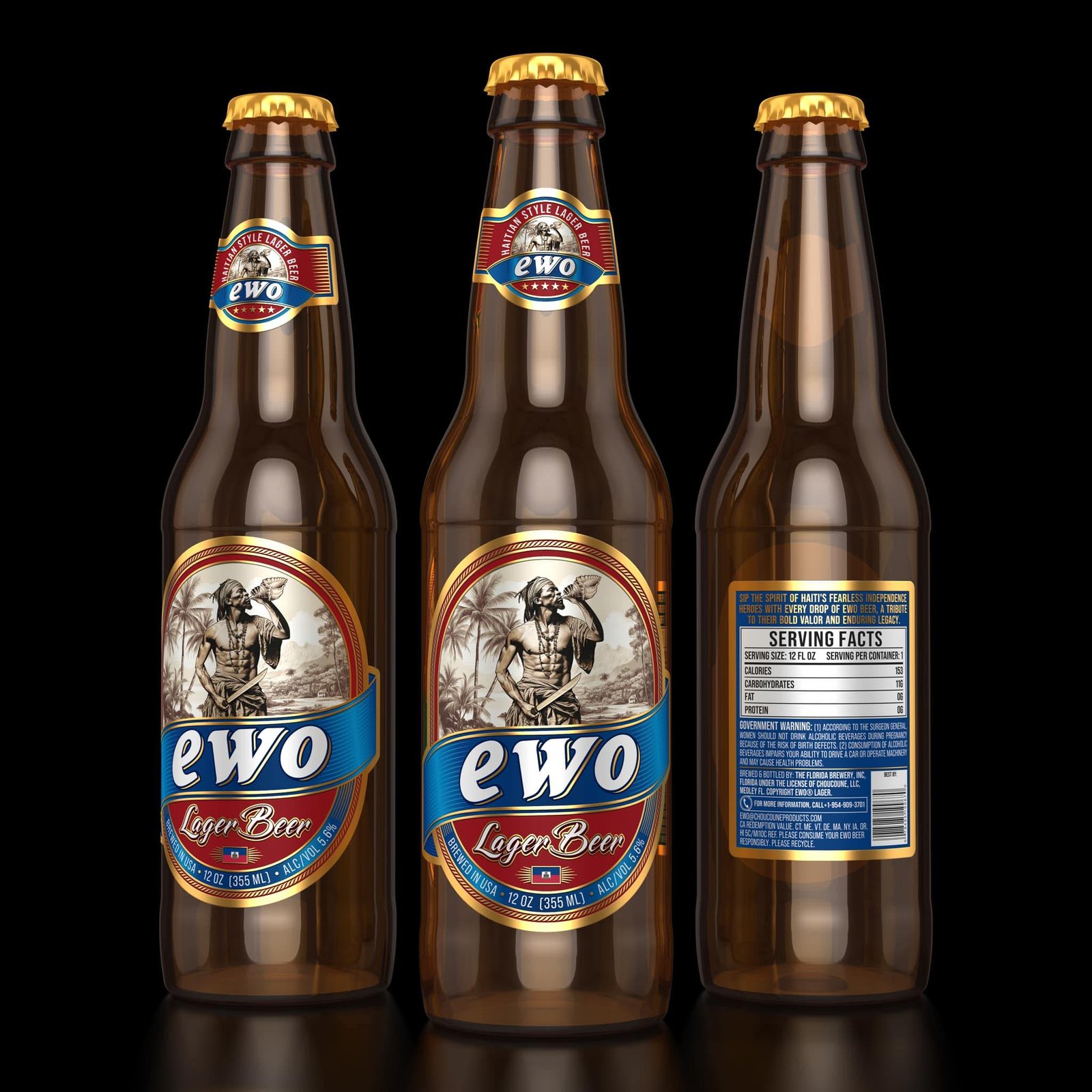
December 1 marked an exceptional moment for the Haitian community and beer lovers around the world, with the official launch of “Ewo” beer by Haitian entrepreneur Jhonson Napoléon. After the success of “Kola Choucoune”, already present in several countries, including the United States and Canada, it is the turn of “Ewo” beer to take the American market by storm. Available in several cities in the United States, this beer embodies the perfect marriage between tradition and innovation, offering consumers a unique taste experience. “Ewo” beer is much more than just an alcoholic beverage. It is a delight that skillfully blends the authentic flavors of Haitian culture with a touch of innovation. In a country where Prestige beer and Barbancourt rum have already conquered palates around the world, “Ewo” beer is proudly added to the list of Haitian taste treasures. Jhonson Napoléon, the man behind this new creation, continues to fly the colors of Haïti across the globe. His commitment to promoting quality Haitian products continues to strengthen the reputation of his country of origin. “Ewo” beer is not just a drink, it is a symbol of Haitian creativity and perseverance that transcends borders. This new step demonstrates the country’s ability to be part of the global trend for quality craft beers. “Ewo” beer is not only a leading local product, but it also stands out on the international scene as the representative of a rich and dynamic culture. The pride that Haitians feel for the success of Jhonson Napoléon and the growing fame of “Ewo” beer is palpable. It is a success story that transcends geographic boundaries and embodies the strength of the Haitian entrepreneurial spirit.
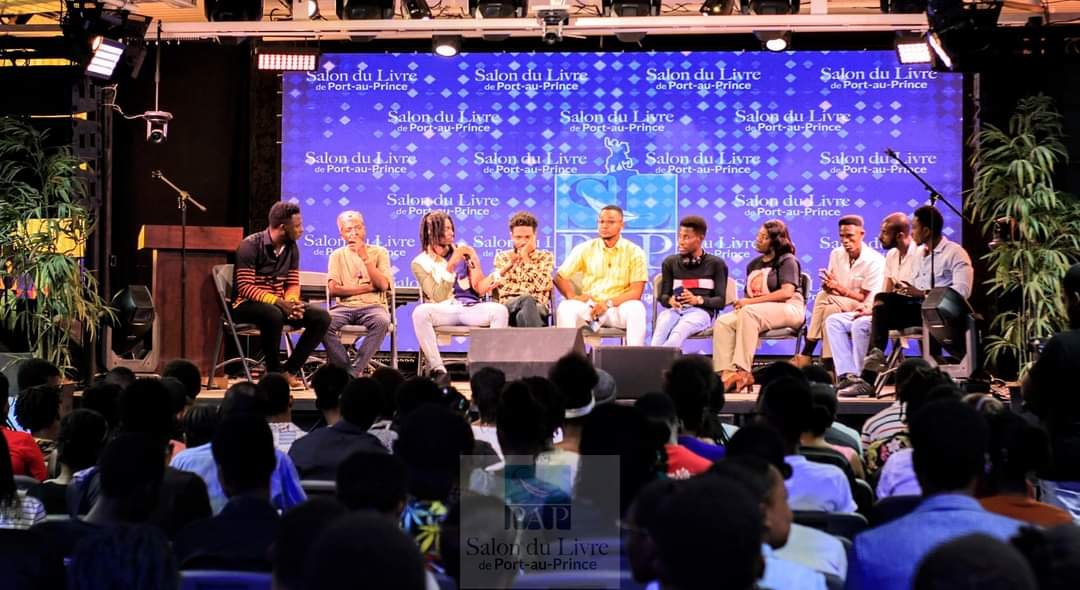
Living in Prose and Poetry is an artistic and cultural event organized by the cultural organization Salon de Livre de Port-au-Prince (OCSLPAP) with the aim of bringing together young artists from the Haitian capital to exhibit them to a large audience . This edition will take place on Saturday July 27, 2024, at the pyépoudré cultural center, located at number 332 on the Route de Bourne. This year the organizers announce their mission is to bring together talents from various categories of arts, always with the aim of helping them to become familiar with each other, and to help create a solid link between them and the Haitian public. . The categories targeted by the organizers for this second edition are young poets, slammers, comedians, rappers, dancers, singers, painters, and writers who have already published at least one work. Living in prose and poetry will also be an opportunity to encourage Haitian youth to think. The first part of the event will be devoted to a discussion around a text by the famous Haitian writer Louis Philippe Dalembert, entitled The Other Face of the Sea. It is a novel which carefully addresses the subject of immigration and detachment that goes with it in the immigrant’s skin. It is a book that speaks openly to the reality of the Haitian people today. It has already been announced that this first part will be moderated by the journalist and literary critic Carl Pierrecq who works for the short story writer, and moderation will be provided by Pierre Marie, a young sociology student at the Faculty of Human Sciences (FASCH). After a largely successful first edition which took place in May 2023 in the premises of the municipal library of Delmas, the organizers of living in prose and poetry say they are determined and have made the promise for this year to deliver to the public port-au -princien, a cultural event of exceptional scale for the second outing. Once again, this will be the perfect opportunity to celebrate the great richness of Haitian culture through the organs of our young talents. Given the difficult context, manifested by the almost daily situation of insecurity which has prevailed for some time, in a good part of Port-au-Prince, the announcement of this event comes as a fresh breath of oxygen, scattered throughout the within the lungs of the city. It is yet another opportunity to remind through this artistic festivity that even in times of deep unrest, art will remain an indispensable light, because even in times of crisis, the latter and the artist (its channel of diffusion) will become refuges, sources of comfort and appeasement for all human souls.
On December 5, 2024, the Emmanuel Charlemagne Municipal Cultural Center opened its doors for an unforgettable day dedicated to the history and memory of the pre-Columbian peoples of Haïti and the Caribbean. Entitled "Arawak, Tainos, Ciboney Survival", this cultural initiative brought together enthusiasts, researchers and the curious in an atmosphere rich in discoveries and emotions.

First black nation to free itself from slavery and gain independence from France in 1804 and influenced other liberation movements around the world, inspiring struggles for freedom and equality.

Haïti is blessed with spectacular natural landscapes, including white sand beaches, mountains and rich biodiversity.

Haïti has a rich historical heritage, including sites like the Citadelle Laferrière and the Sans-Souci Palace, listed as UNESCO World Heritage Sites.

Haïti has a rich and diverse culture, influenced by African, European and indigenous elements. Haitian music, dance, art and cuisine are celebrated around the world.