contact@haitiwonderland.com+509 36184317

Discover

Shopping Cart

7 Must-Visit Places in Haiti

7 Must-Visit Places in Haiti

Haiti, the "Pearl of the Antilles," is much more than just a beach destination. This country is full of unique historical, natural and cultural sites that bear witness to its rich past and exceptional biodiversity. Here is a selection of 7 must-see places that will immerse you in the history, culture and beauty of Haiti.

Haïti
Haïti
Haïti

Citadelle Laferrière: Symbol of Pride and Ingenuity

A UNESCO World Heritage Site, the Citadelle Laferrière is one of the most impressive monuments in the Caribbean. Built in the early 19th century by Henri Christophe to defend the recently acquired independence, this massive fortress:
- Stands 900 meters above sea level on the northern mountains.
- Offers panoramic views of the surrounding plains and all the way to the sea, on a clear day.

Visiting it is a memorable experience, combining history, architecture and breathtaking landscapes.

Haïti
Haïti
Haïti

Palais Sans Souci: A vestige of the Kingdom of Haiti

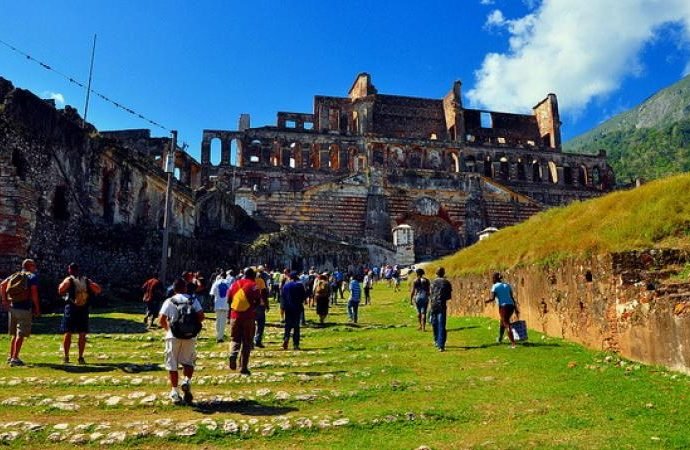
Not far from the Citadel, the Palais Sans Souci was the royal residence of Henri Christophe. This site, nicknamed the "Versailles of the Caribbean," bears witness to the grandeur and ambition of the time:
- Its majestic ruins recall the importance of Haitian independence.
- It is surrounded by lush vegetation that adds a touch of serenity to the place.

The Palais Sans Souci embodies the history and resilience of the Haitian people.

Haïti
Haïti
Haïti

Grotte Marie-Jeanne: A unique underground adventure

Located in Port-à-Piment, in the south of Haiti, the Grotte Marie-Jeanne is the largest network of caves in the Caribbean. Visitors can:
- Explore its 3 kilometers of underground galleries.
- Admire impressive limestone formations and rare wildlife.

This immersive experience will delight nature and adventure lovers.

Haïti
Haïti
Haïti

MUPANAH: Dive into the history of Haiti

The Musée du Panthéon National Haïtien (MUPANAH), located in Port-au-Prince, is a must-see to understand the history of the country. This museum:
- Brings together precious artifacts related to Haiti’s independence, such as Christopher Columbus’ anchor or Henri Christophe’s crown.
- Highlights the heroes and heroines who shaped the nation.

This is an essential visit for those who wish to better understand Haitian identity and culture.

Haïti
Haïti
Haïti

Jardin Botanique des Cayes: A Sanctuary for Biodiversity

Created to preserve and celebrate local flora, the Jardin Botanique des Cayes is an ideal place for nature lovers. This site offers:
- An impressive collection of tropical and medicinal plants.
- Peaceful trails where visitors can reconnect with nature.

It is a perfect example of Haiti’s ecological wealth and its commitment to conservation.

Haïti
Haïti
Haïti

Bassin-Bleu: A Natural Jewel in the South of Haiti

Near Jacmel, Bassin-Bleu is a magical place composed of several natural pools with turquoise blue waters. Visitors can:
- Swim in these natural pools surrounded by lush vegetation.
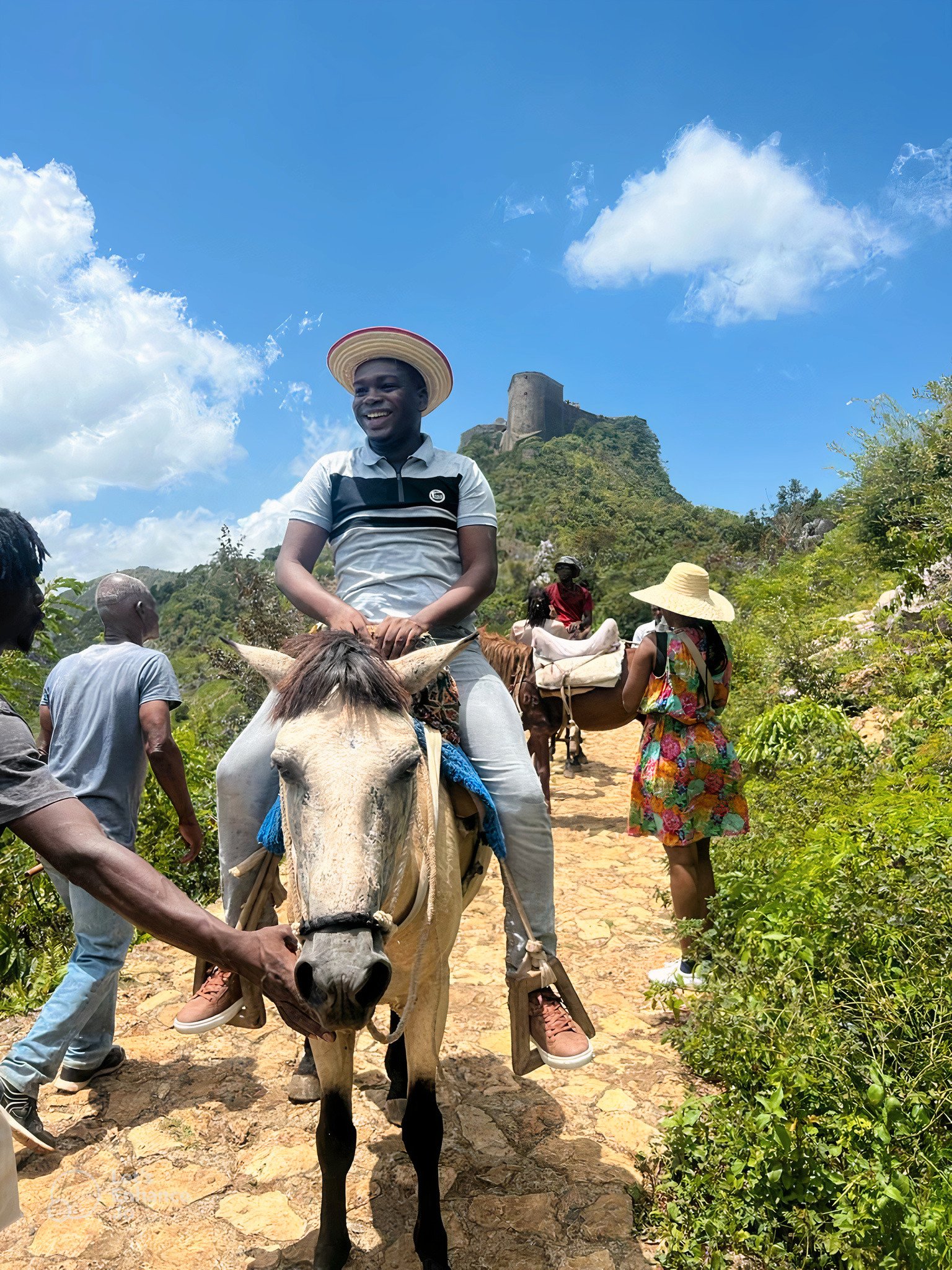
- Access the pools via a short hike or on horseback.

It is an ideal site for lovers of adventure and relaxation.

Haïti
Haïti
Haïti

Sugar Cane Historical Park: A Window on the Colonial Past

Located in Tabarre, this park traces the history of the sugar industry in Haïti and its impact on society. Visitors can:
- Explore old machinery and plantations.
- Discover educational exhibits on Haiti’s agricultural heritage.

The park is a place where history and nature meet harmoniously.

Haïti
Haïti
Haïti

Haiti: An invitation to wonder

These 7 places are just a glimpse of Haiti’s tourist wealth. The country is full of fascinating places to discover, each offering a unique perspective on its history, culture and nature.

Do you know of other tourist places in Haïti that are worth a visit? Feel free to share them in the comments to enrich this list and inspire future visitors to this magnificent island.

Share
About the Author
Appolon Guy Alain
Appolon Guy Alain
Appolon Guy Alain

Full Stack Developer, Créatif, expérimenté, passionné des nouvelles technologies et de l’art.

See other articles from Appolon Guy Alain
Leave a comment

Recently Posted

Newsletter

Subscribe to our newsletter to stay informed of all our activities and news on Haiti.

Haïti et son Rôle Pionnier dans l’Abolition de l’Esclavage Mondial

For centuries, the institution of slavery has darkened human history, leaving behind a legacy of pain, oppression and the struggle for freedom. However, in this dark tale, one nation stands out for its courage and determination to break the chains of oppression: Haiti. Located in the Caribbean, Haïti played a pioneering role in the abolition of slavery, laying the foundation for the fight for freedom and equality around the world. The history of slavery in Haïti dates back to the arrival of Europeans on the island, which was then called Santo Domingo, in the 15th century. French colonists quickly established an economy based on sugar and coffee production, cruelly exploiting millions of African slaves deported to work on plantations. However, this brutal system engendered fierce resistance from slaves, whose fight for freedom ultimately led to one of the most significant revolutions in history. In 1791, under the leadership of iconic figures such as Toussaint Louverture, Jean-Jacques Dessalines and Henri Christophe, Haitian slaves rose up against their oppressors in an unprecedented rebellion. This revolt resulted in a war of independence that lasted more than a decade, but ultimately resulted in the proclamation of Haiti’s independence in 1804, making that country the first post-colonial nation ruled by people from slavery. The impact of the Haitian Revolution on the abolition of slavery worldwide cannot be overstated. By breaking the chains of oppression and proclaiming their independence, Haitians have sent a powerful message to all oppressed peoples around the world: freedom is possible, and it is worth the struggle. The example of Haïti inspired other movements for the abolition of slavery in the Americas and beyond, thus helping to shake the very foundations of the institution of slavery. Haiti’s participation in the fight against slavery was not limited to its territory; it also extended to external actions where Haitian men were sent or actively participated in movements for the abolition of slavery in other regions of the world. For example, Haitian President Alexandre Pétion supported Simón Bolívar, the leader of the South American revolution, by providing him with weapons, money and even men, which contributed to the liberation of several countries in America Latin of colonial domination. Haïti also provided support for independence movements in Central America. Haitian fighters, led by General Jean-Pierre Boyer, helped Venezuelan patriots fight against Spanish rule, contributing to the liberation of that region. The Haitian government financially and diplomatically supported movements for the abolition of slavery in countries such as Venezuela, Colombia and Mexico, contributing to the gradual eradication of this institution throughout the region. Although Haïti did not directly participate in the American Civil War, many Haitians and descendants of Haitians played crucial roles in the abolitionist movement in the United States. Figures who were of Haitian origin or of Haitian ancestry, were important voices in the fight against slavery and for equal rights in the United States. The legacy of the Haitian Revolution remains a symbol of resistance and courage for future generations. Today, as the world continues to struggle against injustice and oppression in various forms, Haiti’s history reminds us that the fight for freedom is a universal fight, one that transcends borders and times. Haiti’s participation in the abolition of slavery throughout the world remains a crucial chapter in the history of humanity. Through their courage and determination, Haitians have paved the way for a future where freedom and equality are inalienable rights for all.
Caractéristique d’un lapin

Les lapins sont des mammifères appartenant à la famille des Leporidae. Voici quelques-unes de leurs caractéristiques principales : 1. **Physique** : Les lapins ont un corps couvert de fourrure douce, des oreilles longues et droites, de grands yeux sur les côtés de leur tête, et une queue courte et duveteuse. Ils possèdent de puissantes pattes arrière adaptées au saut. 2. **Taille et poids** : La taille et le poids peuvent varier considérablement selon la race, allant d’environ 500 grammes pour les plus petits à plus de 5 kilogrammes pour les plus grands. 3. **Comportement** : Les lapins sont connus pour être sociaux et peuvent vivre en groupes dans la nature. Ils communiquent entre eux par différents moyens, y compris par des sons et des mouvements corporels. Les lapins creusent des terriers pour y vivre et se protéger des prédateurs. 4. **Alimentation** : Ils sont herbivores, se nourrissant principalement de foin, d’herbes, de feuilles, de fleurs, et de certains légumes. Leur système digestif est adapté pour traiter une grande quantité de fibres. 5. **Reproduction** : Les lapins sont réputés pour leur capacité à se reproduire rapidement, avec des gestations courtes d’environ 28 à 31 jours. Une portée peut compter de un à douze lapereaux, selon la race. 6. **Sens** : Ils ont une excellente vision périphérique pour détecter les mouvements tout autour d’eux, mais ont une zone aveugle juste devant leur nez. Leur ouïe est également très développée, leur permettant de capter des sons à de grandes distances. 7. **Espérance de vie** : En captivité, les lapins peuvent vivre de 7 à 10 ans, selon la race et les soins prodigués, tandis que dans la nature, leur espérance de vie est généralement plus courte en raison des prédateurs et des maladies. Ces animaux nécessitent des soins appropriés, notamment un régime alimentaire équilibré, de l’exercice, et une attention particulière à leur bien-être émotionnel et physique pour vivre une vie saine et heureuse en captivité.

Recently Posted

History

History

First black nation to free itself from slavery and gain independence from France in 1804 and influenced other liberation movements around the world, inspiring struggles for freedom and equality.

Natural beauty

Natural beauty

Haïti is blessed with spectacular natural landscapes, including white sand beaches, mountains and rich biodiversity.

Heritage

Heritage

Haïti has a rich historical heritage, including sites like the Citadelle Laferrière and the Sans-Souci Palace, listed as UNESCO World Heritage Sites.

Culture

Culture

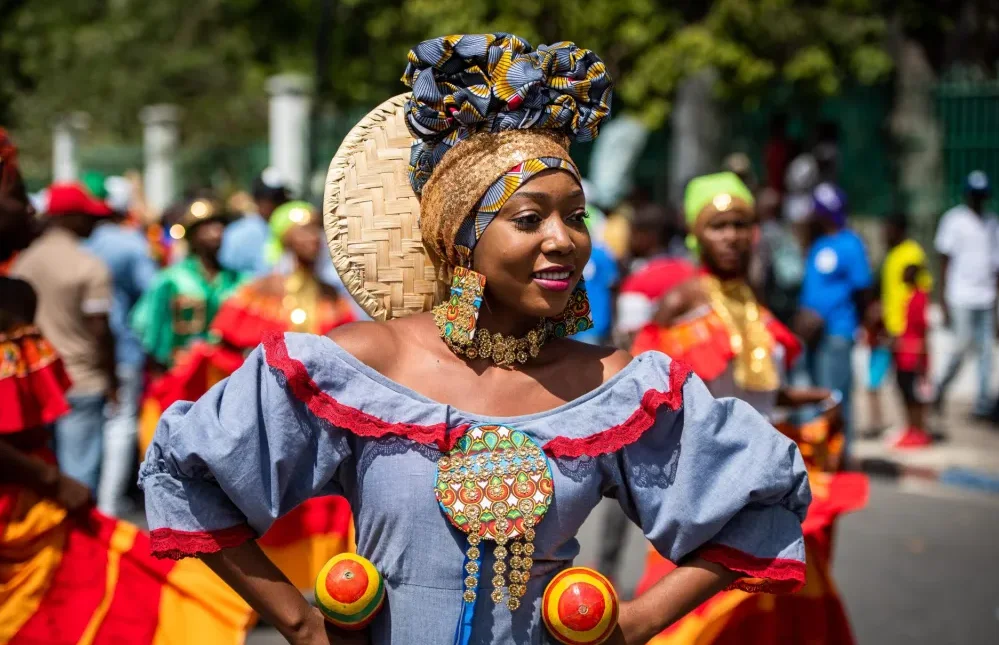
Haïti has a rich and diverse culture, influenced by African, European and indigenous elements. Haitian music, dance, art and cuisine are celebrated around the world.

  • +
    • Post