contact@haitiwonderland.com+509 36184317

Discover

Shopping Cart

Tourist places in Haiti
Haïti : Saut-Mathurine

Tourist places in Haiti

Haiti, a country located in the Caribbean, is an exceptional destination offering rich history, vibrant culture and magnificent landscapes. Here is a list of historical monuments and beautiful places to visit in Haïti to immerse yourself in this land full of treasures.

Read the article in :

French : Lieux touristique à Haiti

Spanish : Lugares turísticos en Haití

Creole : Espas touristik an Ayiti

Reference page : Tourist places in Haiti

Other version : Lieux touristique à Haiti

Haïti : Citadelle la Ferrière

Citadelle la Ferrière

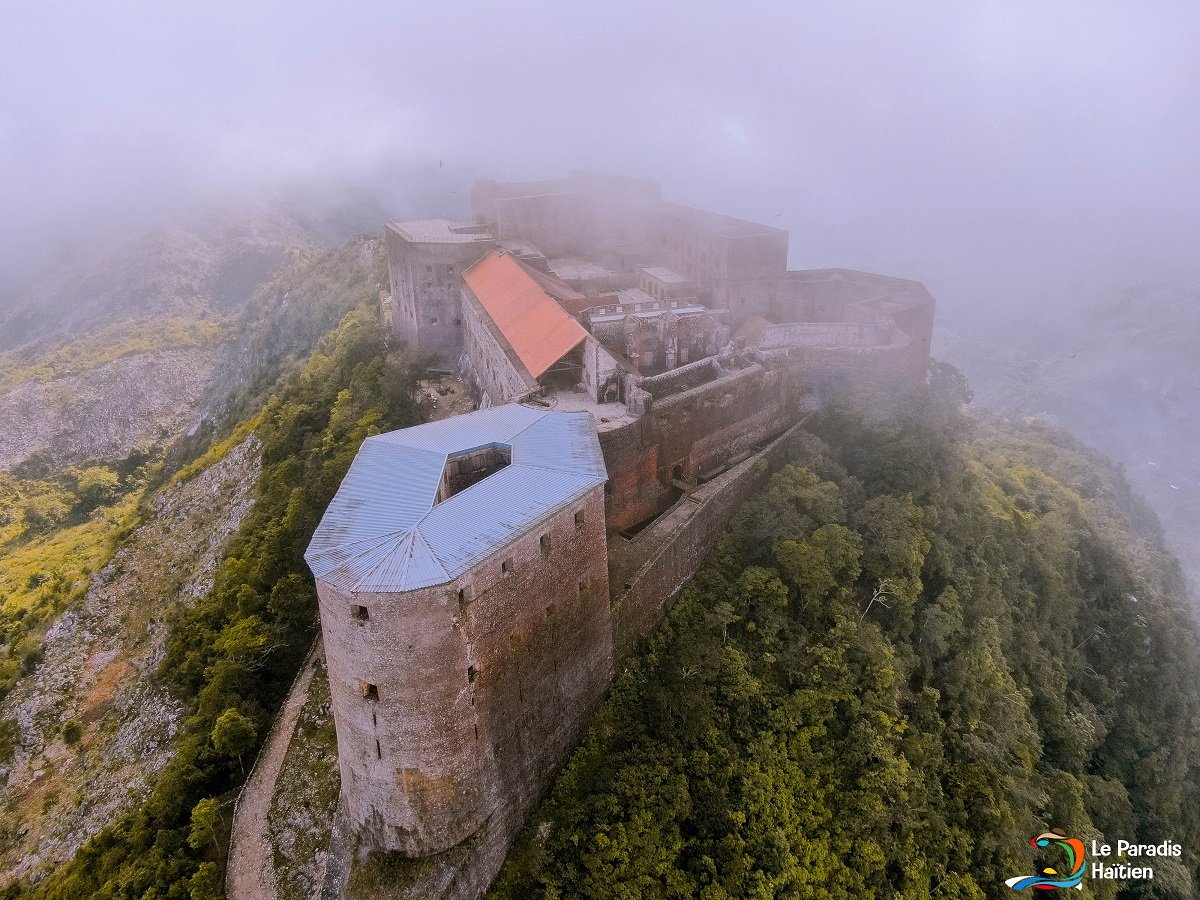
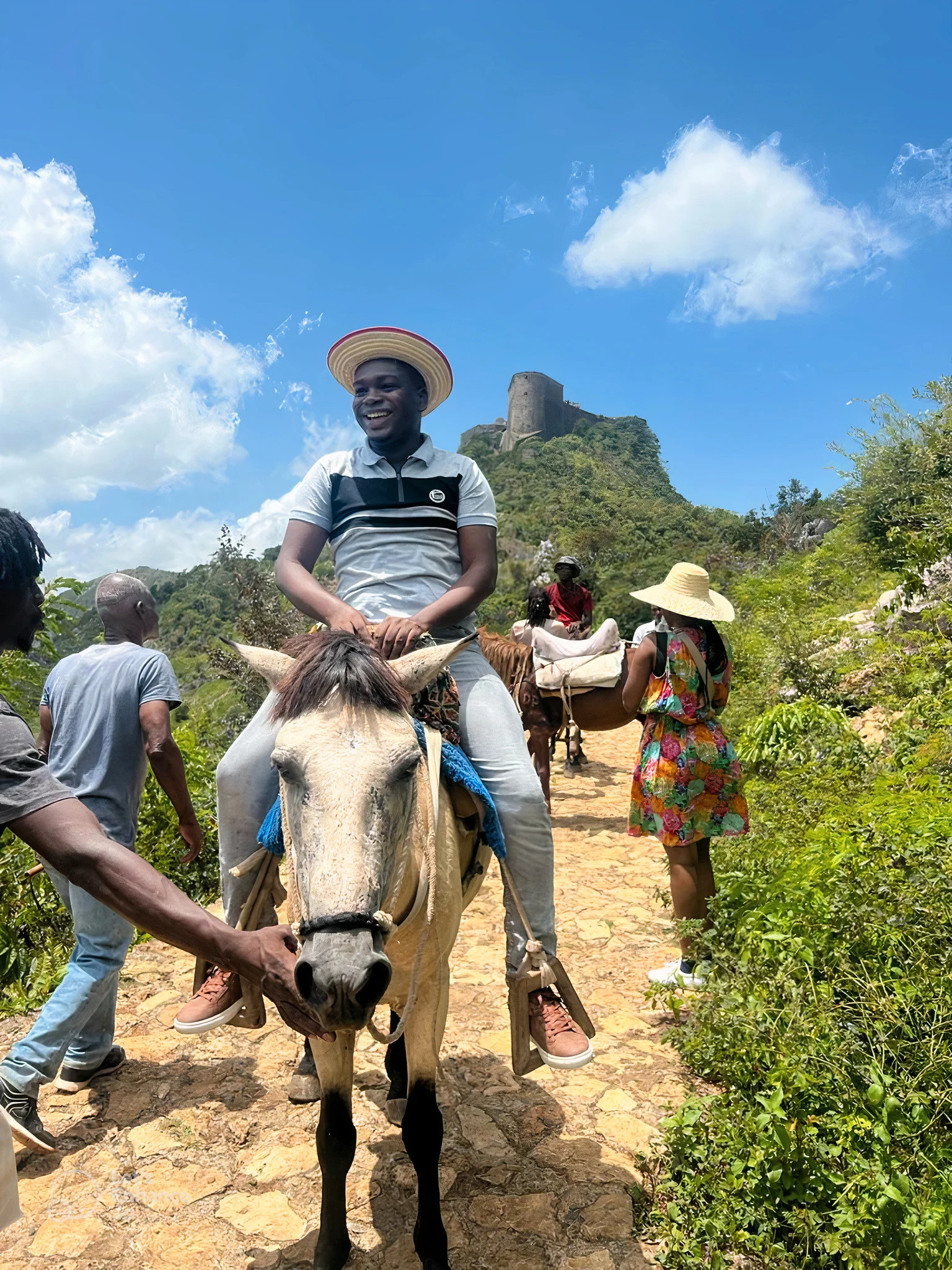
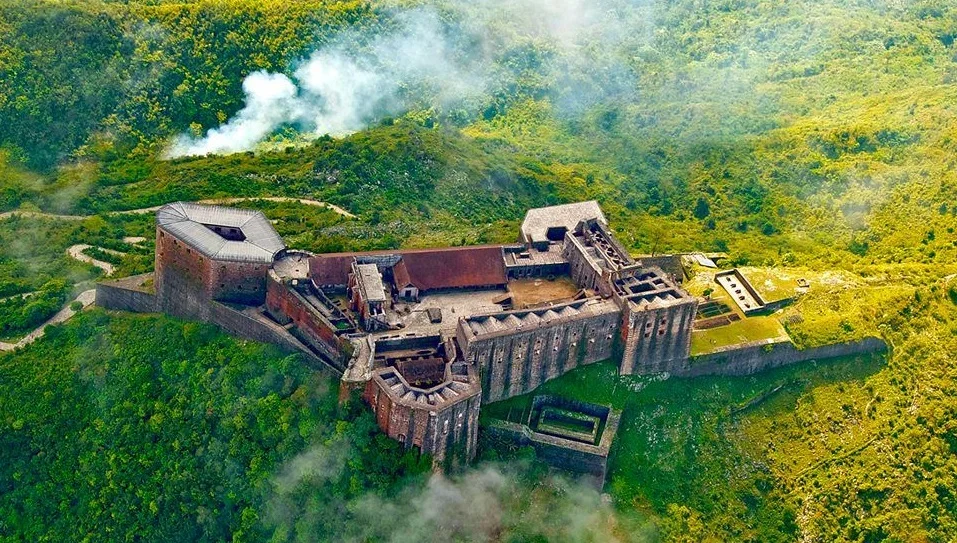
Citadelle Laferrière, also known as Citadelle Henry, is an imposing fortress located in Haiti. It was built in the early 19th century, between 1805 and 1820, during the reign of King Henri Christophe, a former slave who became an important ruler of Haïti after the country’s independence in 1804. The Citadel was built to protect Haïti against a possible French invasion aimed at reestablishing slavery, as well as to serve as a symbol of the strength and independence of the Haitian nation.

Visit Citadelle la Ferrière virtually:
https://haitiwonderland.com/haiti-virtual-reality-ht/lieux-touristiques/haiti--citadelle-la-ferriere--visite-virtuelle/1

Haïti : Palais Sans Souci

Palais Sans Souci

Palais Sans Souci is a historic site located in Haiti. It is a former royal palace built in the early 19th century. The palace was commissioned by King Henri I of Haiti, also known as Henri Christophe, who was a former freed slave and one of the leaders of the Haitian Revolution.

Virtually visit the Sans Souci Palace:
https://haitiwonderland.com/haiti-virtual-reality-ht/lieux-touristiques/haiti--palais-sans-souci--visite-virtuelle/3

Haïti : Labadee
Haïti : Labadee
Haïti : Labadee

Labadee

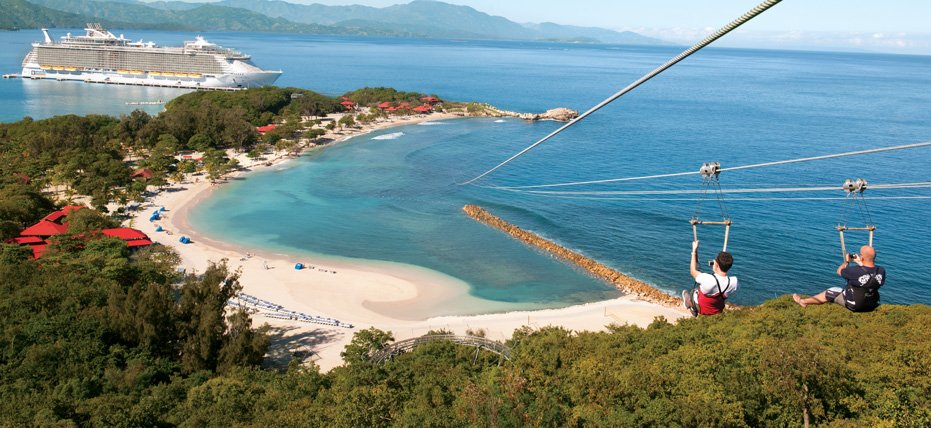
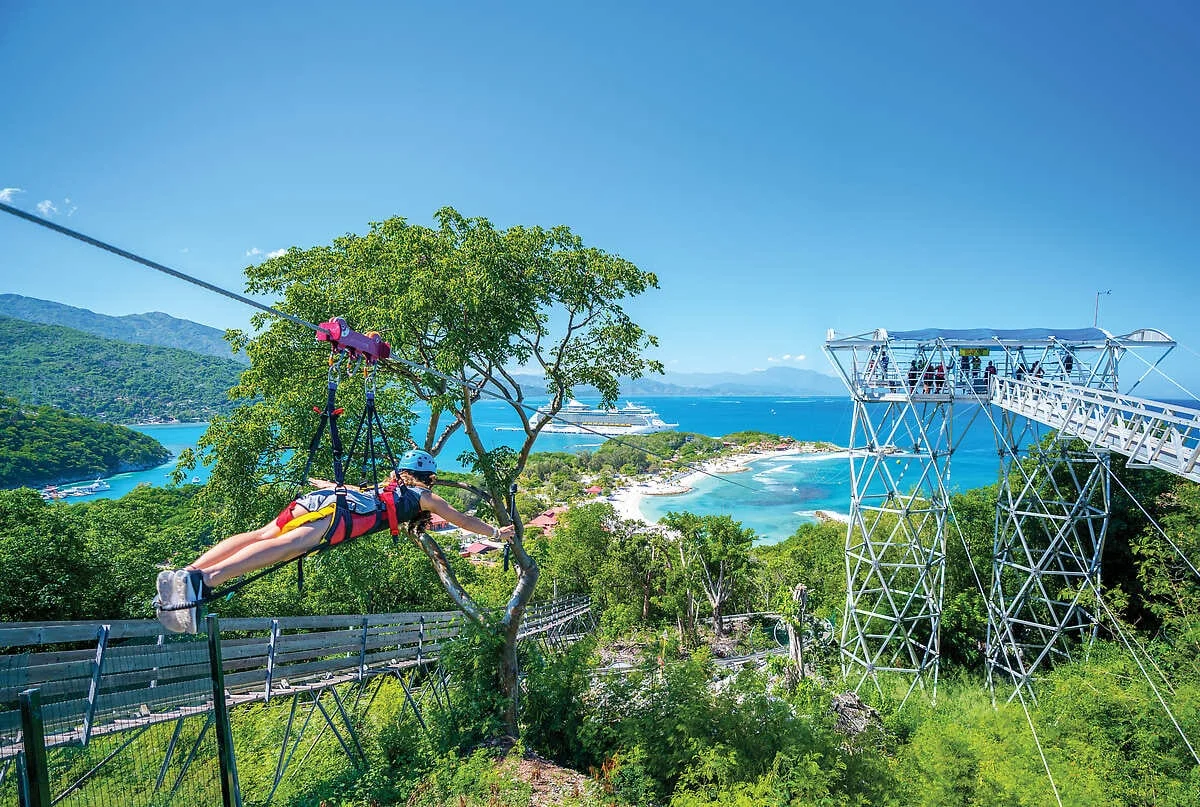
Labadee is a private and heavenly beach located on the northern coast of Haiti. It is surrounded by green hills and offers a variety of water activities, from snorkeling to relaxing on the white sand.

Haïti : Côte des Arcadins

Côte des Arcadins

This western coast of Haïti is renowned for its beautiful beaches, resorts and picturesque coastal landscapes. It is an ideal place to relax, recharge and enjoy the sun.

Haïti : Bassin Bleu
Haïti : Bassin Bleu
Haïti : Bassin Bleu

Bassin Bleu

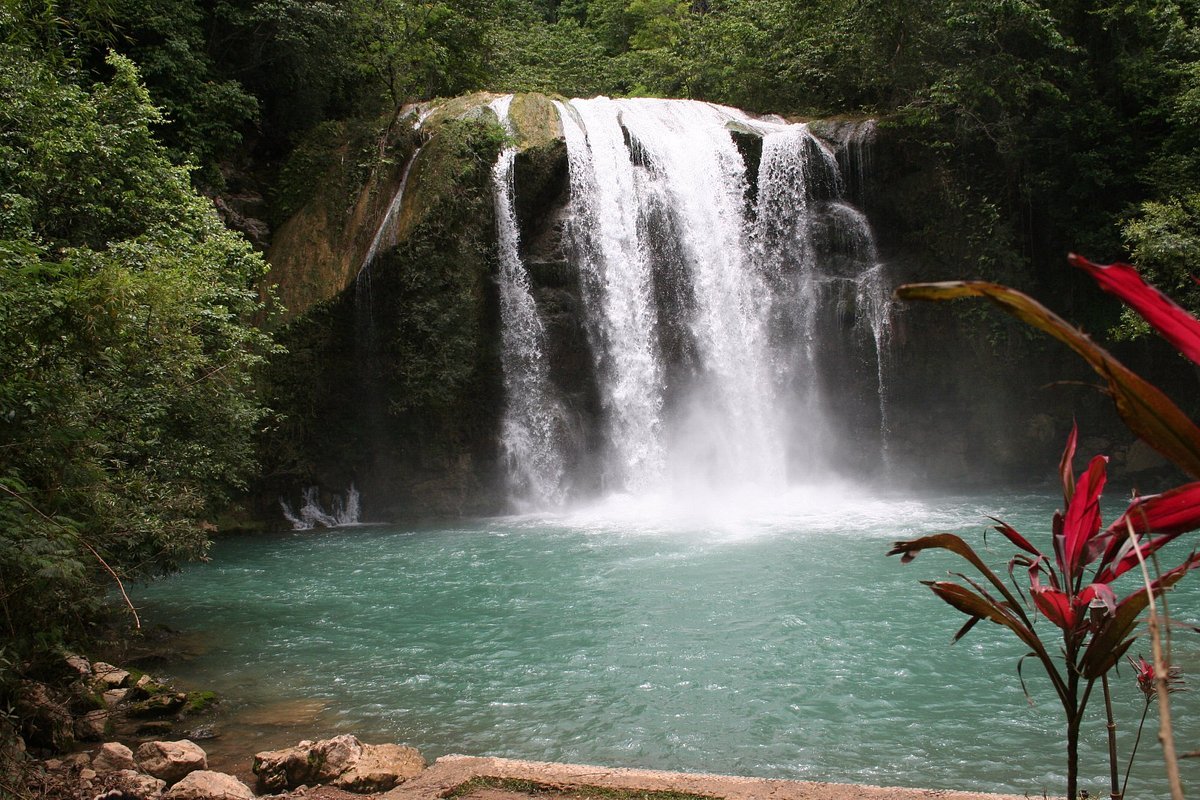
Located in the Jacmel region on the southern coast of Haiti, not far from the city of Jacmel, Bassin Bleu is a beautiful natural attraction located in Haiti. It is known for its magnificent turquoise pools and waterfalls, nestled in a lush rainforest. This serene oasis is a popular destination for both locals and tourists, providing a refreshing escape from the heat and an opportunity to enjoy Haiti’s natural beauty.

Haïti : Île-à-Vache
Haïti : Île-à-Vache
Haïti : Île-à-Vache

Île-à-Vache

This small island in the southwest of Haïti is a true tropical paradise. Its white sand beaches, crystal clear waters and welcoming locals make it an idyllic getaway.

Haïti : Saut-Mathurine

Saut-Mathurine

Saut Mathurine is the highest waterfall in Haiti. This waterfall is an impressive natural landmark, surrounded by beautiful forest and picturesque landscapes.

The Saut Mathurine waterfall is fed by the Rivière de Cavaillon river, and it falls from a height of around 100 meters (around 330 feet) into a natural pool below. The falling water creates a magnificent spectacle, and the site is a favorite spot for lovers of nature and natural beauty.

Haïti : Grotte Marie-Jeanne

Grotte Marie-Jeanne

This limestone cave is located in the South department of Haiti. It is known for its stalactite and stalagmite formations, as well as its natural beauty.

Haïti : Jardin botanique des Cayes

Jardin botanique

The Les Cayes Botanical Garden is a peaceful place to stroll and admire the flora of Haiti. It is home to a variety of tropical plants, rare trees and exotic flowers.

Haïti : Parc Historique de la Canne à Sucre

Parc Historique de la Canne à Sucre

Located in Port-au-Prince, this park traces the history of sugar cane cultivation in Haïti and its role in the country’s economy.

Haïti : Fort Jacques

Fort Jacques

Located in the mountains near Port-au-Prince, Fort Jacques is a former military fortification that offers panoramic views of the Haitian capital.

Haïti : MUPANAH
Haïti : MUPANAH
Haïti : MUPANAH

Haitian National Pantheon Museum (MUPANAH)

This museum in Port-au-Prince exhibits Haitian history and culture through a rich collection of artifacts, paintings and sculptures.

Haïti : Pointe Sable

Pointe Sable

This beautiful golden sand beach, lined with coconut trees, is a great place to relax, swim and enjoy Haiti’s coastal setting.

Haïti : Île à Rat
Haïti : Île à Rat
Haïti : Île à Rat

Île à Rat

A small island off the northern coast of Haiti, known for its clear waters, secluded beaches and snorkeling opportunities.

Virtually visit Île à Rat:
https://haitiwonderland.com/haiti-virtual-reality-ht/lieux-touristiques/haiti--ile-a-rat--visite-virtuelle/4

Hait : Gelee
Hait : Gelee
Hait : Gelee

Gelee

A golden sand beach famous for its relaxed vibe, calm waters and fresh seafood restaurants.

Haïti : Héros de Vertières

Héros de Vertières

The site of the Battle of Vertières, where Haitian troops won a decisive victory over French forces, plays a key role in Haiti’s history.

Haïti : Cathédrale de Milot

Milot Cathedral

Milot Cathedral is nestled within the magnificent Sans Souci Palace, an architectural masterpiece built in the early 19th century by Henri Christophe, a former slave who became the king of Haïti as Henri I. Henri Christophe played a key role in Haiti’s struggle for independence, alongside iconic figures such as Toussaint Louverture and Jean-Jacques Dessalines.

Haïti : Les Cayemites

Les Cayemites

A group of islands off the northern coast of Haiti, offering beaches and crystal clear waters, perfect for diving.

Haïti : Parc National Macaya

Parc National Macaya

This national park protects a large part of Haiti’s rainforest, home to diverse flora and fauna. It is a paradise for hiking enthusiasts.

Haïti : Kenscoff et Furcy

Kenscoff and Furcy

Both of these mountain towns are surrounded by picturesque landscapes, terraced gardens, and hiking opportunities.

Haïti is full of natural and cultural beauty, offering travelers a unique experience. From heavenly beaches to cultural and natural treasures, including tasty cuisine, this country has everything to please those who wish to explore its riches.

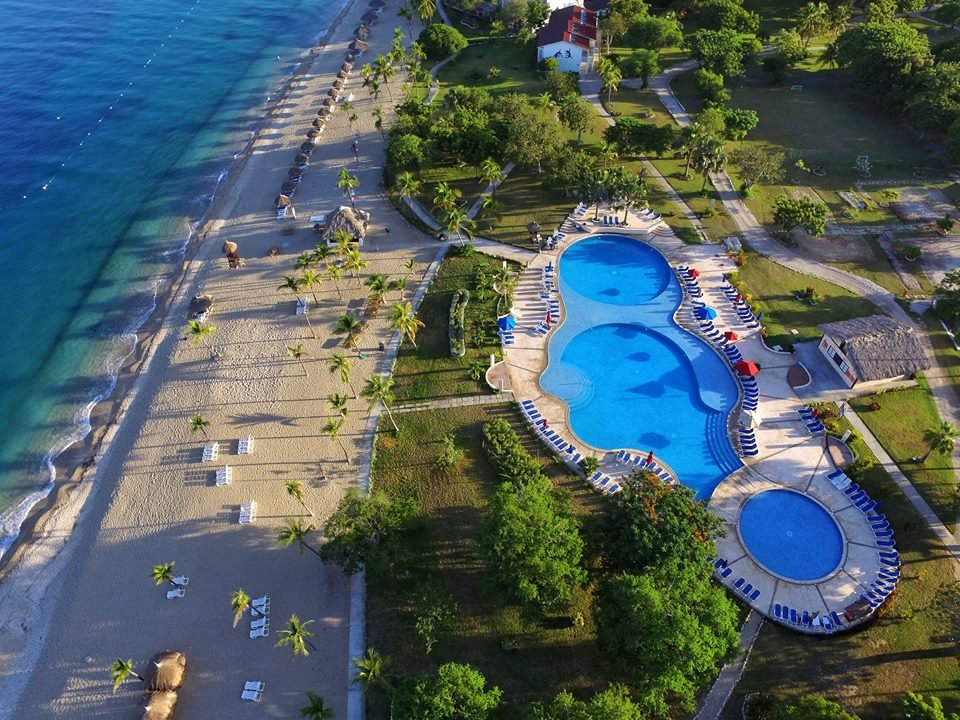
Haïti : Royal Decameron

Royal Decameron

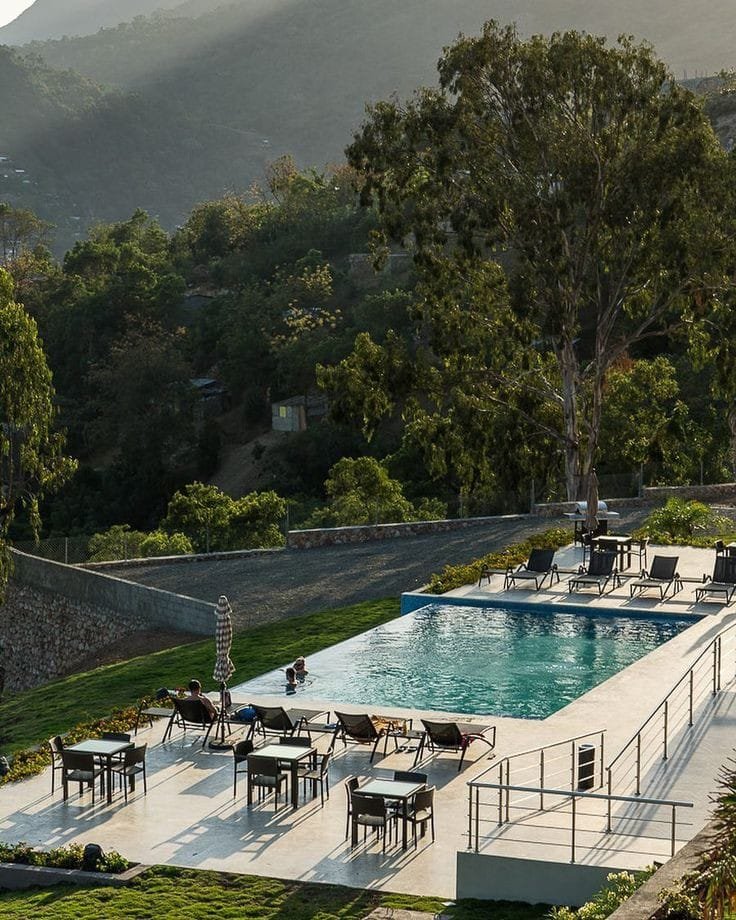
The Royal Decameron Indigo Beach is a beautiful resort located on the sunny coast of the Republic of Haiti. Nestled along the shores of the Caribbean Sea, this property offers travelers an exquisite getaway in a tropical paradise setting.

Discover the history of Haiti: A fascinating story to explore! : https://haitiwonderland.com/haiti/histoire/decouvrez-l-histoire-d-haiti--un-recit-fascinant-a-explorer/81

Share
About the Author
Appolon Guy Alain
Appolon Guy Alain
Appolon Guy Alain

Full Stack Developer, Créatif, expérimenté, passionné des nouvelles technologies et de l’art.

See other articles from Appolon Guy Alain
Doly Djovany

M'informer plus sur la politique du système touristique

August 02, 2024 - 06:12:01 PM
Leave a comment

Recently Posted

Haiti: The Center department, one of the departments most resistant to natural earthquakes

The Center department, commonly called Plateau Central, is one of the ten (10) departments of Haïti most robust in the face of certain natural phenomena. Before becoming one of the ten (10) departments of Haiti, the Center department was part of the Great North. It is renowned for its natural landscapes, its biosphere climate and its resistance to certain natural phenomena. In addition to its natural productions such as corn, millet and livestock, the Center department is also known for its high mountains which constitute a robust defense against certain natural phenomena such as earthquakes and floods. Composed mainly of high mountains, the department of Charlemagne Peralte and Benoît Batravil is the only one of the ten (10) not to have an outlet to the sea. However, its inhabitants take advantage of the vast rivers, rivers and lakes which cross it . With an area of ​​3,487 km², the population of the Center department is estimated at 678,626 according to a study carried out in 2009. On this same area, the department is divided into four (4) districts and twelve (12) communes. Bordered to the east by the Dominican Republic, the Center department connects other departments of the country such as Nord and Artibonite, and connects the two countries of the island through border areas like Balladère, Hinche and Cerca Carvajal. In the Center department, there are sites that could attract tourists for their natural beauty. In Saut d’Eau, there is the Saut d’Eau waterfall, in Hinche we find the Zim basin, the Péligre lake, the Péligre hydroelectric dam, the Artibonite river, and the Deux river (2 ) Rooms in Thomonde, more precisely in "El Manni", not far from the communal section of Caille-Epin. Thanks to its strong mountains and its natural climate, the Center department remains one of the most resistant departments in the event of an earthquake in Haiti.

Haïti / Fort Picolet: Historical Guardian of Liberty

Cap-Haïtien, Haiti’s historic jewel, is home to a fascinating architectural relic: Fort Picolet. Built at the end of the 18th century by the French, this imposing bastion majestically dominates the bay of Cap-Haïtien, bearing witness to the tumults of Haitian history and the fierce struggle for independence. The history of Fort Picolet is closely linked to that of Haiti, particularly at the time of the Haitian Revolution. During this tumultuous period, when slaves and freedmen rose up against colonial oppression, the fort was the scene of epic battles and fierce sieges. Sometimes used by French forces, sometimes by Haitian revolutionaries, Fort Picolet was a silent witness to the events that shaped the destiny of the nation. Designed with a strategic vision, the fort embodies the military architecture of its era. Its thick stone walls, strategically positioned cannons and viewpoints overlooking the bay make it an impregnable bastion. Its name, Fort Picolet, pays homage to General Louis Marie, Marquis de Picolet, French governor of Cap-Français at the end of the 18th century. Today, Fort Picolet remains much more than a simple historical monument. It is a living symbol of the resilience and determination of the Haitian people. Visitors who wander through its ruins can feel the imprint of history and contemplate the remains of a tumultuous past. From up there, a panoramic view of the bay of Cap-Haitien is available to them, offering a unique perspective on the strategic importance of this place in the maritime history of Haiti. As a pillar of Haitian tourism, Fort Picolet attracts visitors from around the world. Its historical aura, combined with the natural beauty of its environment, makes it a must-see destination for history and culture lovers. More than just a tourist attraction, Fort Picolet is a poignant testimony to the endless struggle for freedom and the cultural richness of Haiti. Throughout the centuries, Fort Picolet has survived the test of time, reminding everyone that freedom is an inalienable right, hard won and carefully preserved. By exploring its ramparts, contemplating its silent cannons, visitors find themselves immersed in the tormented history of Haiti, a story of courage, resistance and hope. Live an extraordinary experience by virtually visiting the ruins of Fort Picolet: https://haitiwonderland.com/haiti-virtual-reality-ht/monuments-histoire/haiti--fort-picolet--visite-virtuelle/14

Newsletter

Subscribe to our newsletter to stay informed of all our activities and news on Haiti.

Haiti: In the Kingdom of Legends: Le Colombier, Keeper of the Secrets of Belle-Anse

In the heart of the azure waters of the Caribbean Sea, stands majestically the Colombier, an imposing rock mass that defies time and the elements. Located off the picturesque coast of Belle-Anse in southeastern Haiti, the Colombier is more than just a geological formation; it is a symbol of the natural beauty and cultural heritage of the region. Dominating the marine horizon with its imposing silhouette, the Colombier is shrouded in mystery and legends passed down from generation to generation. According to local stories, this rock was formed by the sea gods themselves, testifying to their passage through these crystal clear waters. A legend which adds an aura of fascination to this already enchanting place. But beyond its mythical appearance, the Colombier also offers a breathtaking visual experience. Visitors who venture to this natural wonder are rewarded with breathtaking panoramas: steep cliffs plunging into turquoise waters, isolated coves hemmed with golden sand, and abundant marine flora that enlivens the seabed. Le Colombier is also a refuge for remarkable biodiversity. Its waters are home to a multitude of marine species, from colorful fish to spectacular corals and majestic sea turtles. Scuba diving and snorkeling enthusiasts will find a preserved paradise there, where nature reigns supreme and each immersion is a fascinating exploration. As a tourist spot, Le Colombier offers an unforgettable getaway for travelers looking for adventure and authentic discoveries. Boat excursions from Belle-Anse allow visitors to get up close and personal with this natural wonder, contemplate its spectacular shapes and let themselves be captivated by its captivating beauty. In short, the Colombier embodies the quintessence of Haiti’s natural beauty, a hidden treasure in the heart of the Caribbean Sea. Between its breathtaking landscapes, its cultural heritage rich in legends and its exceptional biodiversity, this maritime jewel fully deserves its reputation as an essential tourist destination. Come discover the Colombier and let yourself be carried away by the magic of this exceptional place.

Haiti: Flora and Fauna

Haiti, located on the western part of the Caribbean island of Hispaniola, is often associated with its rich and complex history. However, beyond its cultural and historical aspects, Haïti is home to a remarkable diversity of fauna and flora that deserves to be explored and preserved. This article highlights the ecological wealth of Haiti, emphasizing its unique flora and fauna. Fauna: Haïti is home to a variety of animal species, some of which are endemic to the island. The country’s tropical rainforests are home to a great diversity of birds. The rugged mountains provide suitable habitat for rare species. The waters surrounding Haïti are also rich in biodiversity. Colorful corals, tropical fish and sea turtles find refuge in the coral reefs along the coast. Conservation efforts are crucial to protect these fragile marine ecosystems and preserve marine life. Flora: Haiti’s landscapes are adorned with a wide variety of plants and flowers. The tropical rainforests are home to majestic trees, the Hispaniola pine and the gum tree. These forests play an essential role in climate regulation and the preservation of biodiversity. The coastal plains are dotted with palm trees, including Haiti’s iconic royal palm. Botanical gardens, such as the Jardin Botanique des Cayes, are havens of greenery where you can admire a wide variety of tropical plants, some of which are endemic to the region. Haiti, with its unique flora and fauna, is an ecological gem that deserves to be preserved for future generations. Awareness, conservation and sustainable development are key elements to ensure the survival of this natural wealth. By investing in the protection of its environment, Haïti can not only preserve its ecological heritage, but also promote sustainable tourism and strengthen the resilience of its ecosystems in the face of current global challenges.

Recently Posted

History

History

First black nation to free itself from slavery and gain independence from France in 1804 and influenced other liberation movements around the world, inspiring struggles for freedom and equality.

Natural beauty

Natural beauty

Haïti is blessed with spectacular natural landscapes, including white sand beaches, mountains and rich biodiversity.

Heritage

Heritage

Haïti has a rich historical heritage, including sites like the Citadelle Laferrière and the Sans-Souci Palace, listed as UNESCO World Heritage Sites.

Culture

Culture

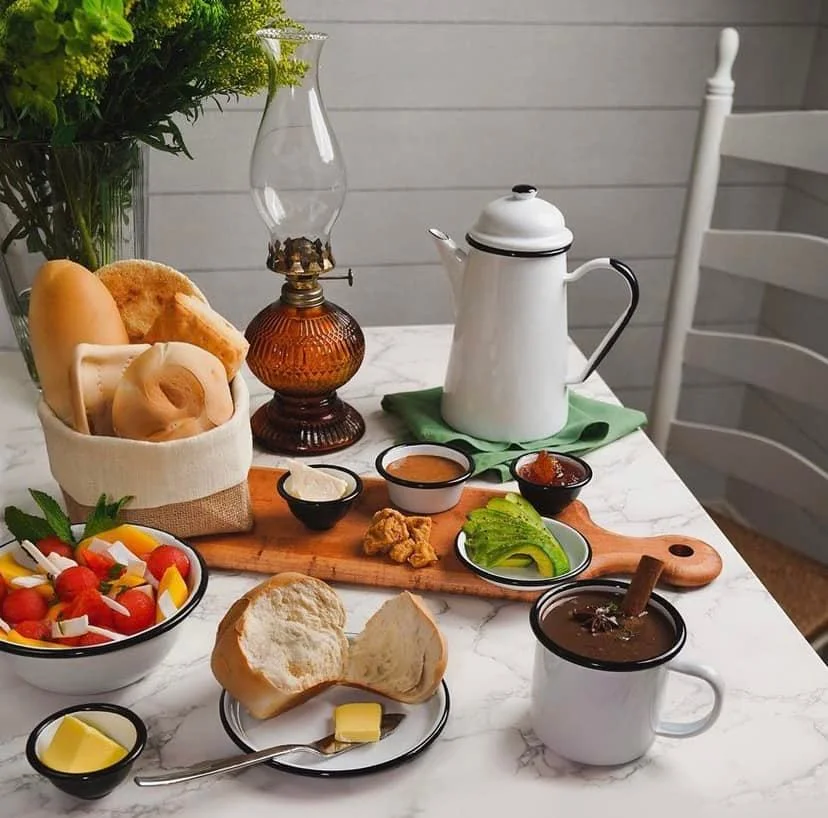
Haïti has a rich and diverse culture, influenced by African, European and indigenous elements. Haitian music, dance, art and cuisine are celebrated around the world.

  • +
    • Post