Haïti Wonderland: How to Rewrite the Narrative of Haïti on the Web?
For the last three decades the internet has transformed the way people live, access information and promote worthy causes. Institutions that embrace this technology lead the way in their respective industries and last, while countries that embrace this technology and wisely implement it enable themselves to thrive and build sustainable economies. After decades of existence, the internet has been shared with mainly two groups of people; those who use it as a tool to build, and those who use it as a tool of destruction. Those who see the internet as a bridge to make a positive impact in the world and those who see it as the comfy bed to never leave, hence, the difference between the consumer and producer. Unfortunately our beloved home, Haiti, has been of the former mindset.
Is it a lack of vision, lack of skills and competences or is it lack of hard working individuals?
Regardless what it is or had been for decades, now is the time to change the paradigm on all fronts necessary and reshape the future. If the past decades have been ruled by non-production and negative press, now is the time to change the paradigm by producing and using the limitless of the web to sell the beauty, the culture and the greatness of Haïti to the rest of the world. If the past has been ruled with a selective truth and an effort to showcase the worst and by extension create the worst narrative, now, my fellow Haitian, regardless of where you are on this planet, is the time for us to undertake this mission, to take responsibility and recreate the narrative of our mother land. A narrative based on truth and transparency, a narrative that tells the story of who we are and certainly who we are not, a narrative to invite the world to explore and see for themselves. It is our duty. If not now, when? If not you and I, then, who?
Our main mission at Haïti Wonderland is to rewrite the narrative of Haïti on the web. Then use the internet to bring Haïti back to the top of the touristic destination map once again. Those are what motivate us, the oxygen that we breath, they are the reason we wake up in the morning and fight.
We didn’t choose this path because we know it will be easy but we choose it because:
1. It is a noble cause
2. It is necessary and
3. It must be done.
But must importantly we take this path because we know you and every Haitian in this world, who knows the truth about Haïti are tired with what you see when typing Haïti on the web, and at the same time understand that something must change, and it must be done as soon as possible. We know you are ready for this, and together we will change the narrative of Haïti on the web and we will bring Haïti back to the top of the touristic destination map.
This is a call of duty to you, regardless of your field of endeavor or where you’re located in this world. This is a call to join (http://haitiwonderland.com) to first see for yourself the movement you’re joining, then create your own account and start creating and sharing.
Together we will rewrite the narrative of Haïti on the web.
Thank you for joining this worthy cause. Let’s invite the world to discover the true face of Haiti.






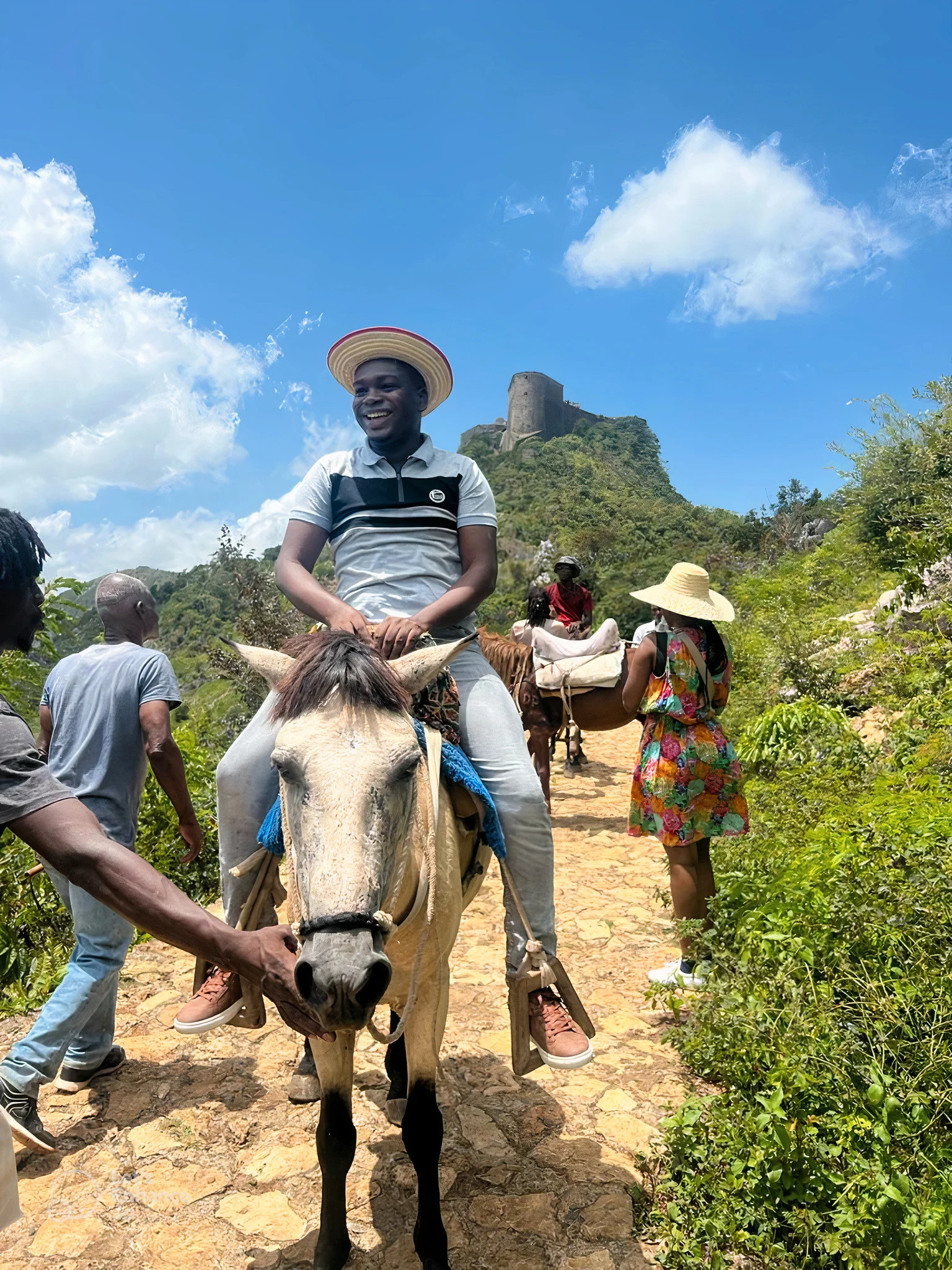
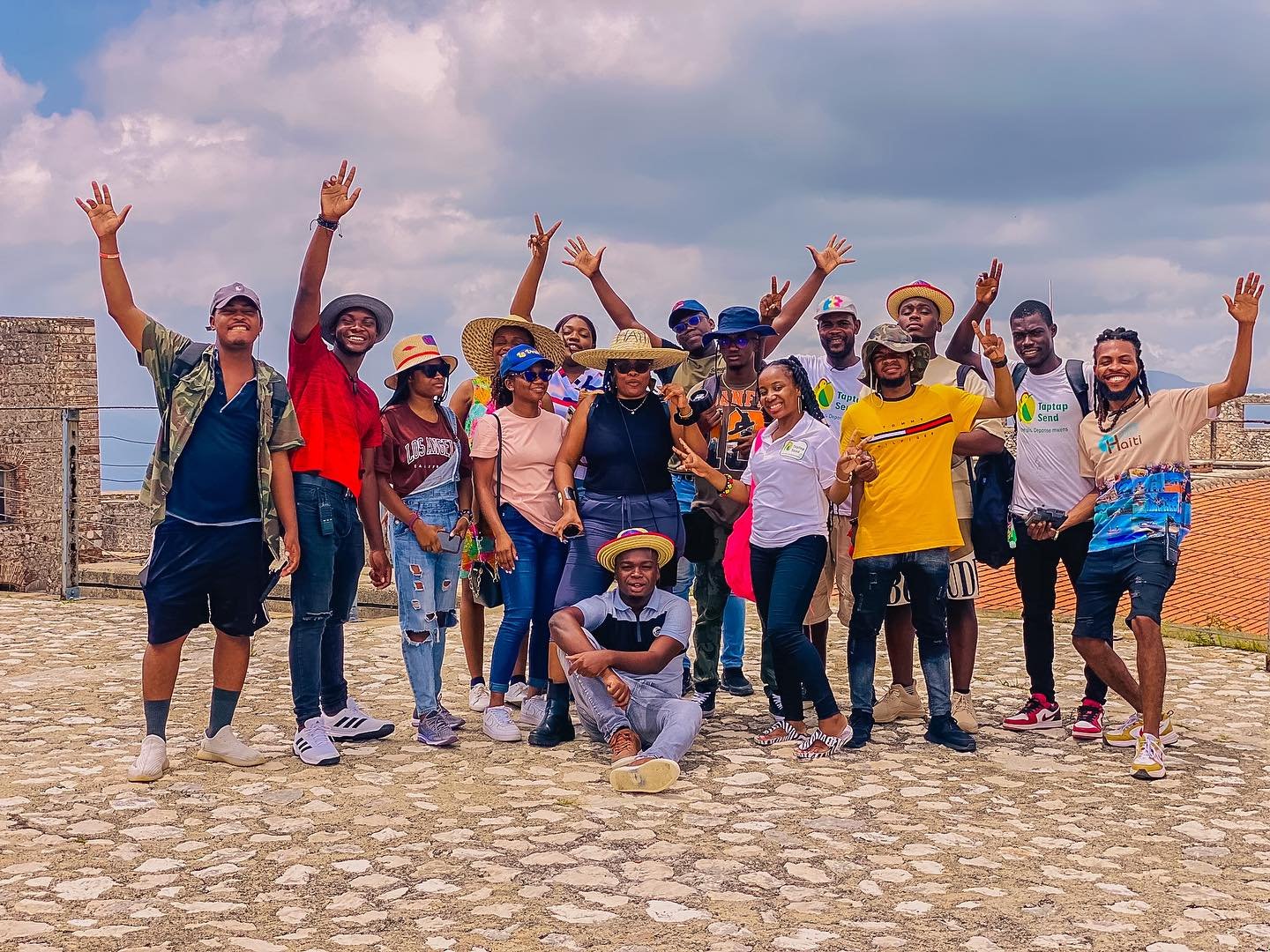


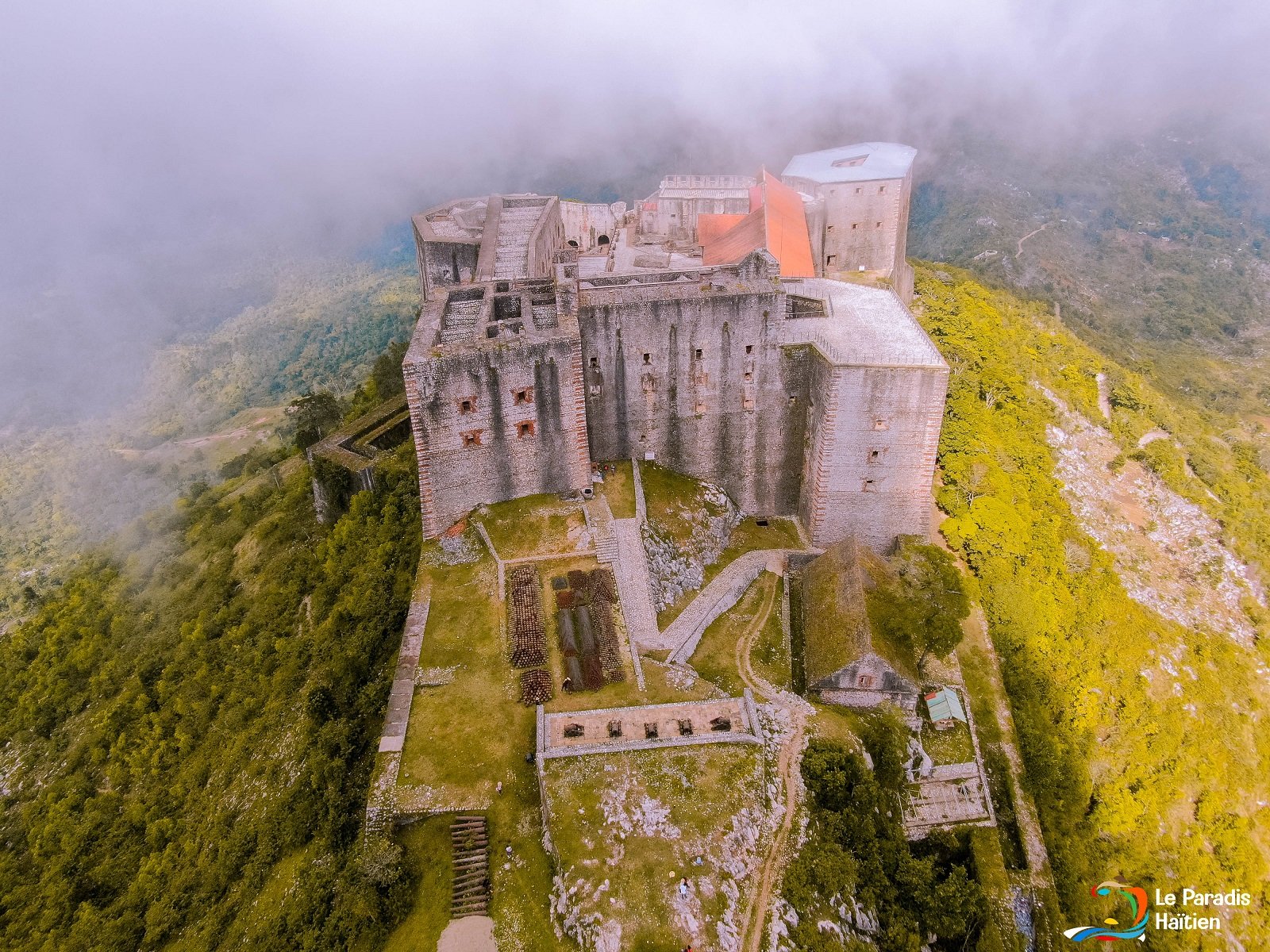


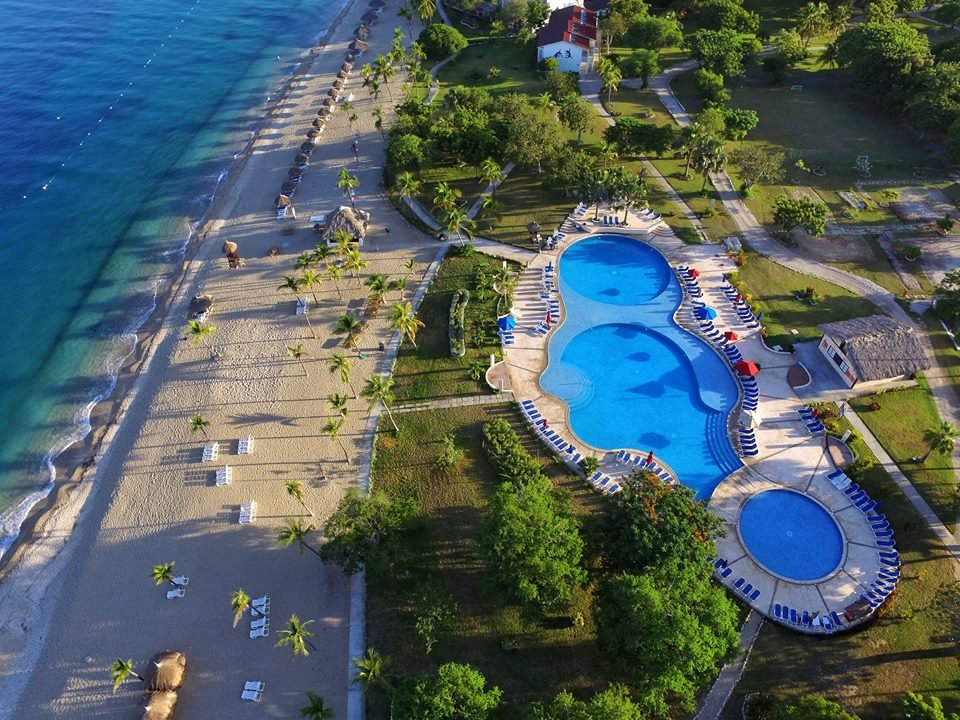
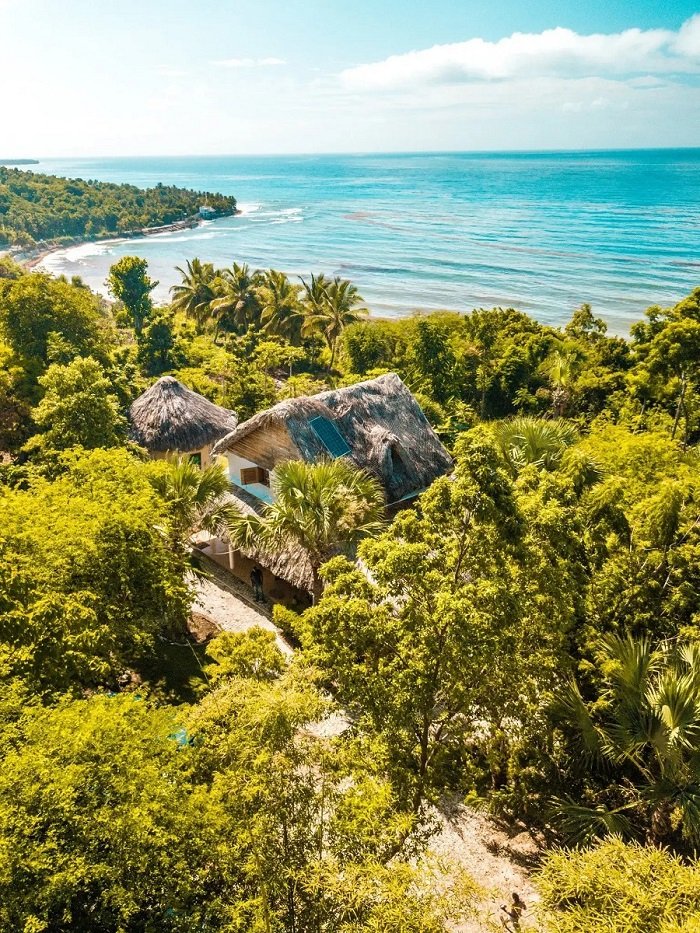


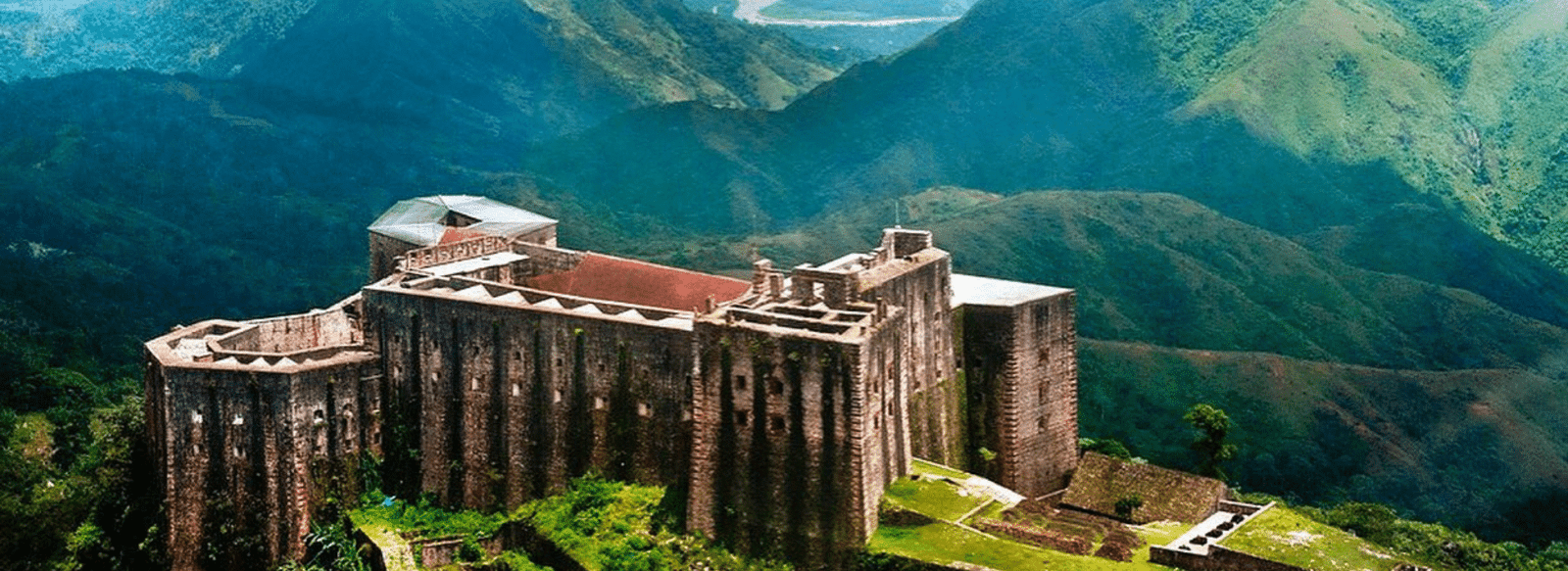


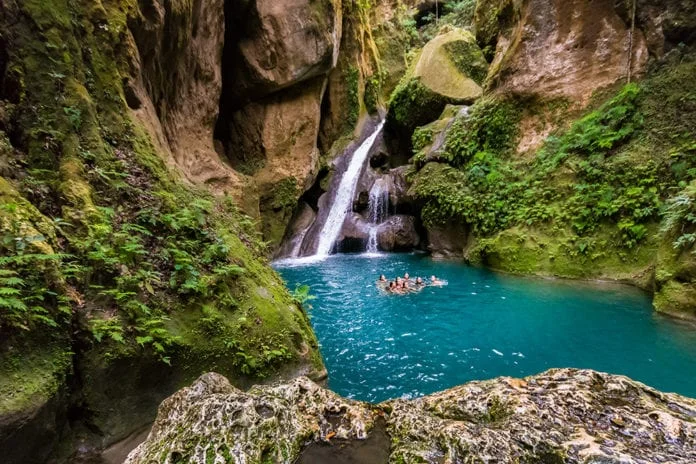

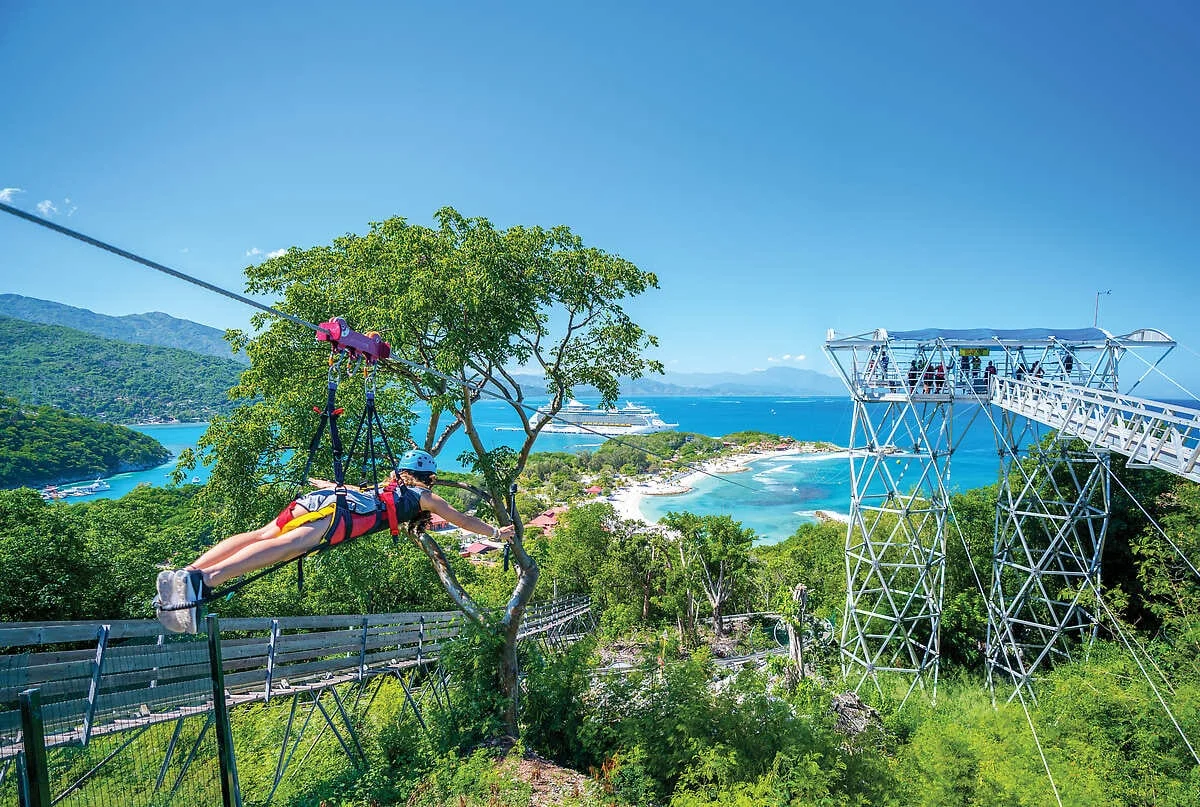
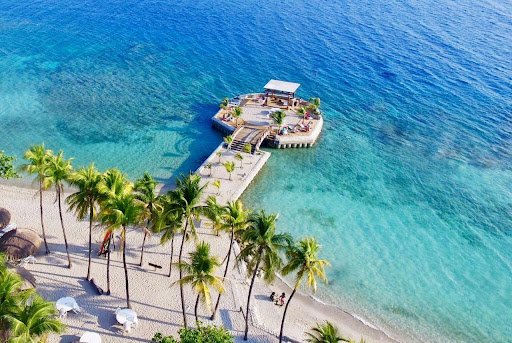

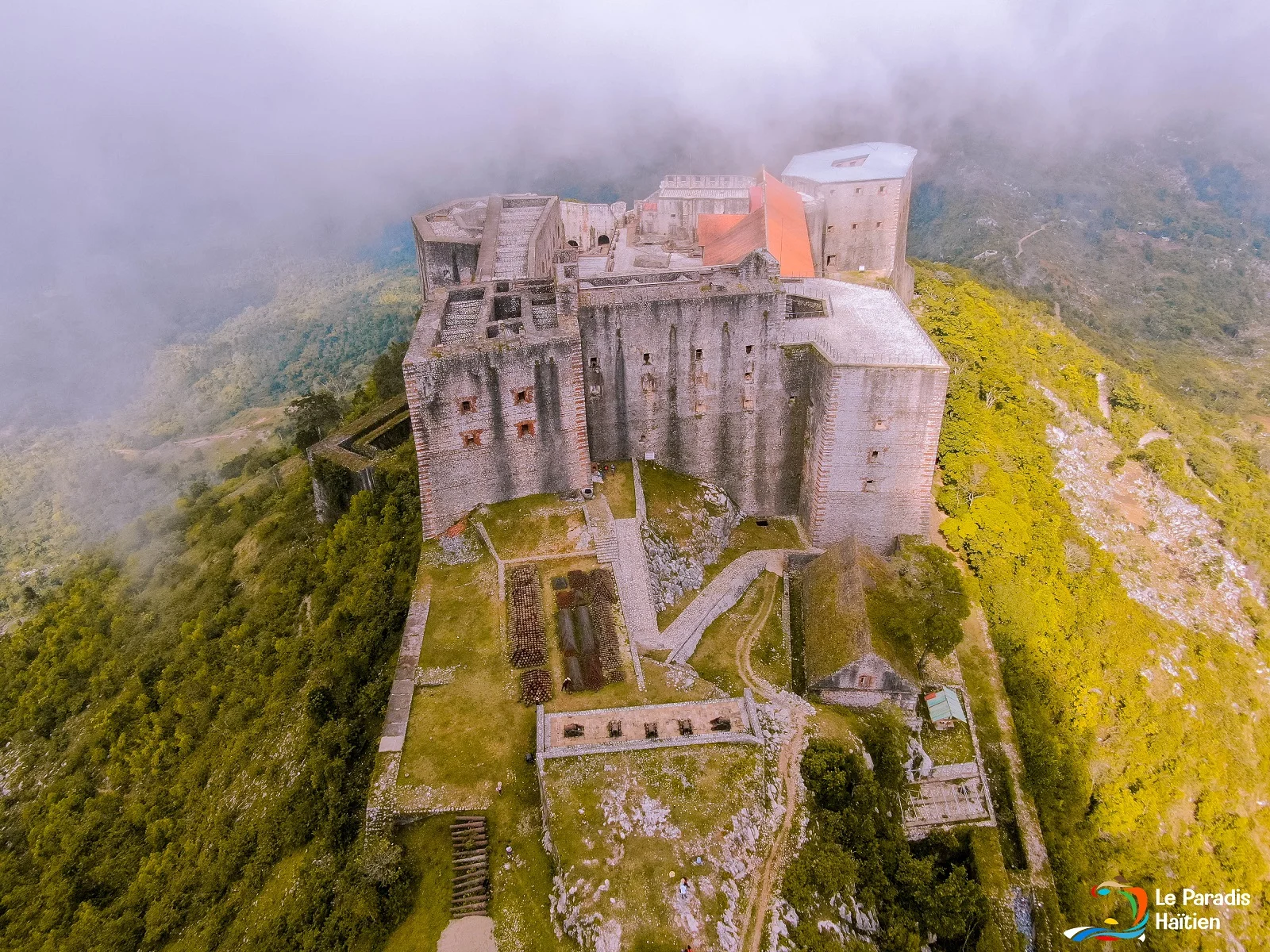















Aujourd’hui, le tourisme apparaît comme une expérience importante concernant l’efficacité du concept du développement touristique. En effet, grâce à ses exigences de qualité, de développement de services et de maintien du patrimoine, il peut être un moteur essentiel du développement durable.
August 07, 2025 - 11:44:59 AMNotre zone d’étude, qui est composée du Département du Nord-Ouest en général et de la Commune du Môle Saint-Nicolas en particulier, présente un environnement favorable en riches potentialités naturelles, en patrimoine historique et culturel, arguments majeurs pour vendre les potentialités de l’activité touristique du Môle Saint-Nicolas malgré certaines faiblesses.
L’activité touristique est faible, malgré les efforts des acteurs locaux, à ce jour, les ferveurs défenseurs de l’idée de faire le Môle Saint-Nicolas le poumon économique de cette région ont les mains liées et demeurent impuissantes face à cette situation qui prévaut dans cette région, au point de qualifier l’activité touristique de « fréquentation touristique ».
La promotion des activités touristiques est de nature à contribuer directement au développement socio-économique des zones concernées (création d’emplois directs et indirects, réalisation d’infrastructures d’accès et d’hébergement, etc.). Ces activités permettent aussi d’aider à la sauvegarde de ce patrimoine, dans la mesure où sa préservation et sa valorisation sont perçues comme sources de développement économique et d’amélioration des conditions de vie.
De nombreuses suggestions et efforts doivent être soutenus, comme la valorisation des sites naturels et touristiques, les richesses patrimoniales et artisanales dans le but de séduire le touriste exigeant à la recherche d’un séjour riche et varié.
L’Etat doit œuvrer à appliquer ses politiques touristiques en collaboration avec les acteurs locaux et agir pour vendre les potentialités touristiques du Môle Saint-Nicolas.
Après tous nos enquêtes et entretiens, nous avons constaté que chaque secteur a besoin de l’autre afin de se développer ; sans ce secteur d’activité touristique à Môle Saint-Nicolas, nous pouvons affirmer que le Département du Nord-Ouest dépendra toujours de la rente en devises de ses émigrés ainsi de quelques redistributions de richesses.